Daily Life · Serbia
Serbia: The Kafana Keeps Its Own Time
Grandparents holding a household together as the young leave for Germany and Austria, a working week that ends the same way it does across Europe, and a country where sitting for hours over coffee, rakija and live music is an everyday habit, not an occasion
By Worldlore Editorial · 30 September 2026
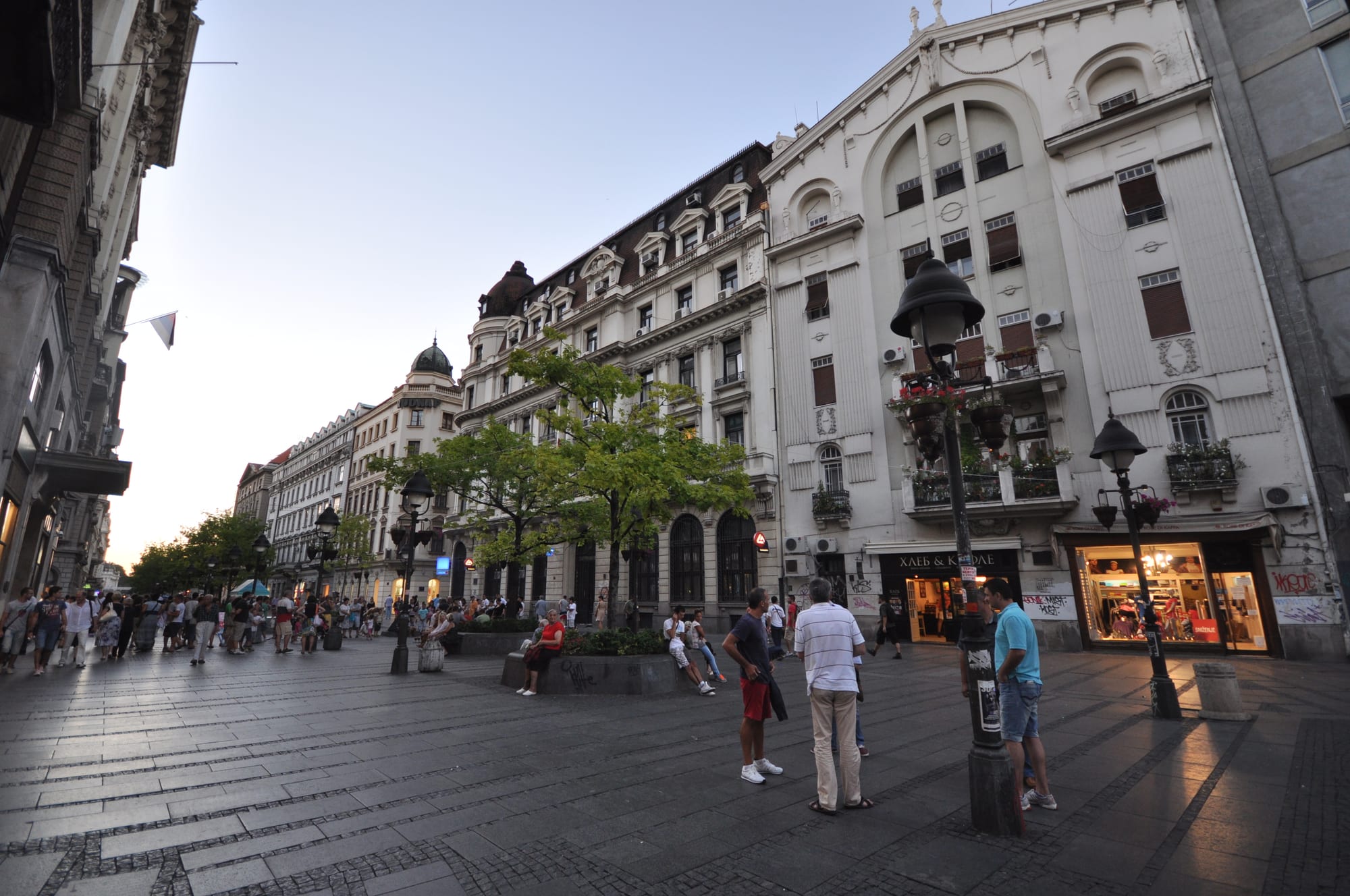
An ordinary day in Serbia runs on a familiar European clock — an eight-hour workday, a Saturday and Sunday weekend — but it still slows to a distinctly Serbian pace once the working day ends. Extended families remain closely bound even as the young leave in large numbers for work abroad, market stalls still do a brisk trade against the pull of supermarkets, and evenings across the country tend to gravitate toward the same institution: the kafana, part restaurant, part coffeehouse, part living room, where a single coffee or rakija can stretch into hours of conversation.
Family and home life
Serbian households have traditionally been patriarchal, and it remains common, particularly outside the largest cities, for three generations to share one home. Adult children often stay in the family house until marriage, and many families still care for ageing parents at home rather than in a nursing home. That family structure is now under real strain: Serbia's population has been shrinking for decades, the number of births in 2024 was the lowest on record, and more than a fifth of the population is now aged 65 or over. With many, mostly young, Serbians leaving for work in Germany, Austria and elsewhere, grandparents are often the ones holding a household together day to day, raising grandchildren while parents work in the cities or abroad.
Work, school and the rhythm of the day
The standard working week runs Monday to Friday, roughly eight hours a day, with Saturday and Sunday as the weekend. Many primary and secondary schools run two shifts, one set of classes in the morning and another in the afternoon, with classes usually swapping shifts every week rather than every pupil keeping the same hours all year. Shops in city centres tend to stay open late into the evening, and the end of the working day is when the kafana habit really takes hold: sitting over a single coffee, beer or rakija for an hour or more, with no pressure to order again or move on, is standard practice rather than something a waiter will hurry along.
Community life and public spaces
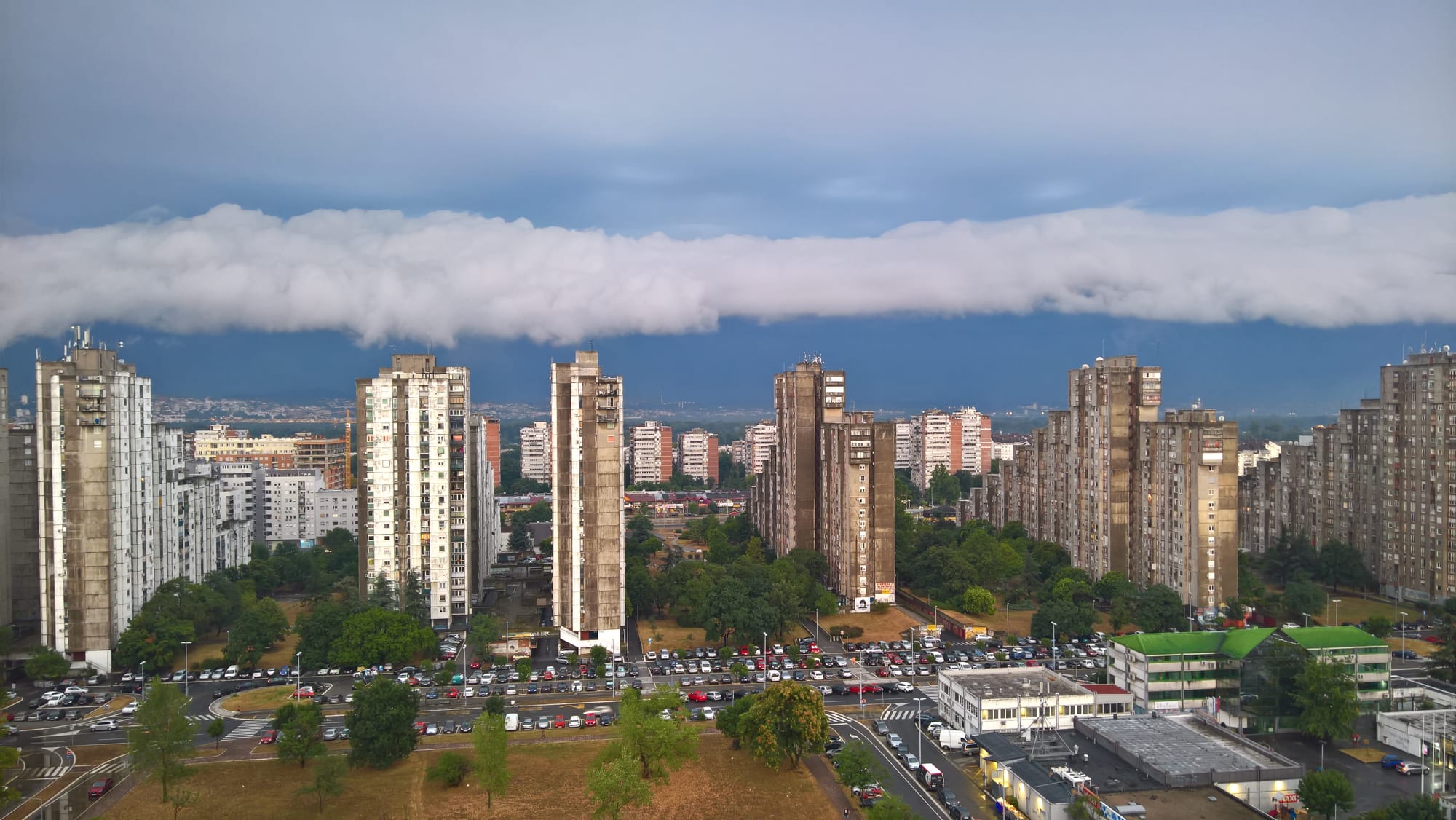
The pijaca, the open-air produce market, remains a genuine daily errand for many households rather than a weekend novelty, selling fruit, vegetables, cheese and cured meats bought straight from growers and small producers, and doing so alongside, rather than in place of, the supermarkets that have spread through every town. The kafana is the other pillar of public life: found in every town, not just Belgrade's bohemian Skadarlija quarter, it typically combines a coffeehouse, a bar and a restaurant, and many feature live music, and functions as the closest thing the country has to a communal living room. Between towns, a dense, inexpensive network of intercity buses does much of the work a railway would elsewhere, tying together towns that much of the railway serves only slowly.
Free time and weekends
Weekends tend to centre on extended family lunches that run long into the afternoon, and, where a car or a willing relative is available, a drive out to the countryside or the mountains. Football and basketball draw large, committed followings nationwide, watched at home, in cafés or at the kafana, and Serbia has produced a run of world-class tennis, basketball and water polo players that keeps sport a constant topic of conversation. Many families, especially in the countryside, keep a stock of homemade rakija for weekend gatherings, made from their own or a relative's plum harvest each autumn.
A visitor's ordinary day
Serbia's currency is the dinar; cards are widely accepted in Belgrade and larger towns, but cash is still useful for markets, small kafanas and rural areas. Produce markets are busiest in the morning, while kafanas and restaurants keep late hours, often serving food and drink well past what a visitor from a country with stricter closing times might expect. A high-speed line now links Belgrade, Novi Sad and Subotica, but elsewhere getting between towns usually means the intercity bus network rather than the slow railway; buses are frequent and cheap, and tickets are often bought at the station. Since late 2024, student-led anti-corruption protests have regularly drawn large crowds in Belgrade and other cities.
What to take away
What defines an ordinary day in Serbia is less any single ritual than the tension underneath it: a family structure built around staying close together, adapting in real time to a generation that keeps leaving.