History · Serbia
Serbia: The Crossroads and the Wars
A medieval kingdom crushed at Kosovo, four centuries under the Ottomans, the nucleus of two Yugoslavias, and the state at the centre of the wars that tore the second one apart — now on a slow, contested road toward Europe
By Worldlore Editorial · 19 September 2026
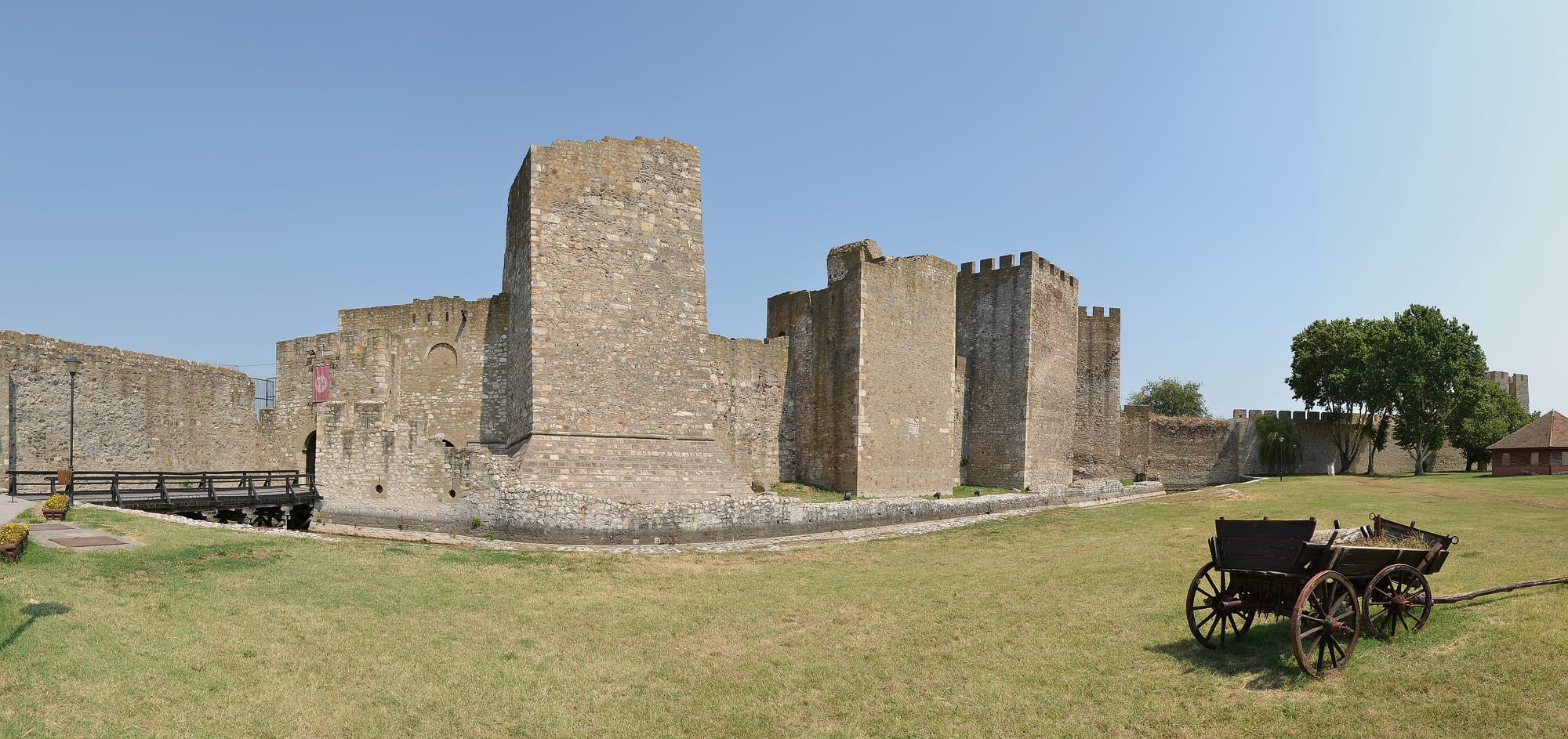
A country in the middle of everything
Serbia is a landlocked country of about 6.6 million people in the central Balkans, on the historic routes between Central Europe and the Aegean, between the Catholic west and the Orthodox and Muslim east. That position has made it a battleground for every empire that has moved through south-eastern Europe, and in the 20th century placed it at the centre of two attempts to build a single South Slav state — Yugoslavia — and of the wars that destroyed the second one. This account gives the main outline and attributes contested judgements, especially about the 1990s, rather than settling them.
A short history
- 6th–7th c.
Slavic settlement
Serbs settle the western Balkans; Orthodox Christianity from Byzantium.
- 1166–1371
The Nemanjić state
A medieval kingdom, then empire, under Stefan Nemanja's dynasty.
- 1389
The Battle of Kosovo
Serbian and Ottoman armies fight to mutual devastation.
- 1459
Ottoman conquest
Serbia is absorbed into the Ottoman Empire for around 350 years.
- 1804–1878
Independence
Two uprisings and diplomacy win an autonomous, then sovereign, principality.
- 1914
The July Crisis
The assassination in Sarajevo triggers the First World War.
- 1918
Yugoslavia
The Kingdom of Serbs, Croats and Slovenes is formed under the Serbian crown.
- 1945–1991
Socialist Yugoslavia
A federal communist state under Tito.
- 1991–1999
The wars
Conflicts in Slovenia, Croatia, Bosnia and Kosovo.
- 2000
Milošević falls
Mass protests end his rule; he is later tried at The Hague.
The medieval kingdom and the Ottoman centuries
Serbs settled the western Balkans in the early Middle Ages and took Orthodox Christianity from Byzantium. Under the Nemanjić dynasty from the 12th century, medieval Serbia grew into a powerful kingdom and briefly, under Stefan Dušan (r. 1331–55), an empire covering much of the Balkans, with a flowering of church building and fresco painting. After Dušan's death the state fragmented, and on 28 June 1389 a coalition led by Prince Lazar met the Ottoman army at Kosovo Polje. Both leaders died and both armies were shattered; the Ottomans recovered and Serbia did not, and by 1459 it was an Ottoman province. The battle became the central myth of Serbian national identity — a story of sacrifice and lost statehood retold for centuries in epic poetry.
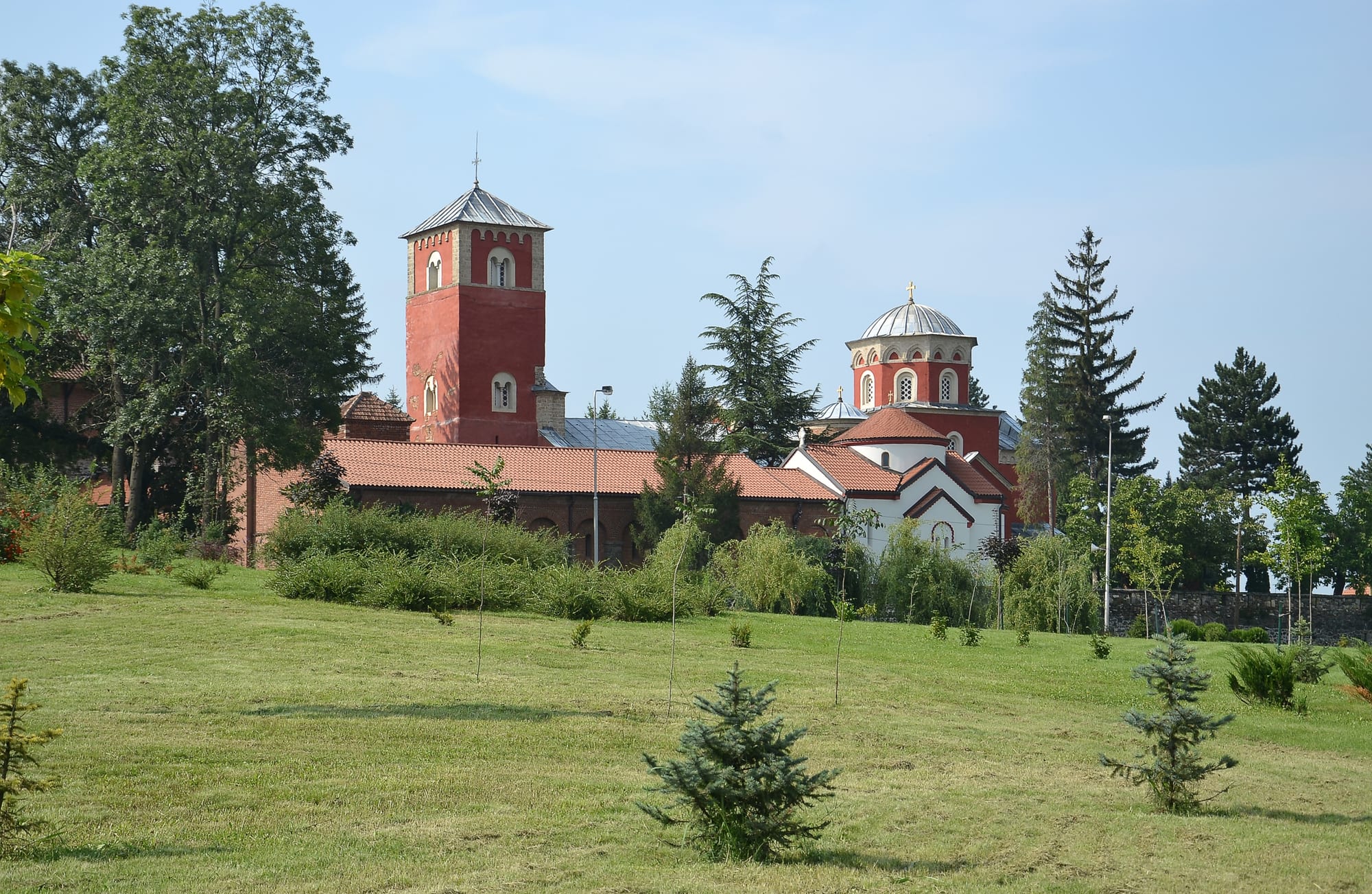
Independence and the First World War
Serbian revolts against Ottoman rule in 1804 and 1815 won growing autonomy, and full independence was recognised at the Congress of Berlin in 1878. The small kingdom then pursued a project of uniting the South Slavs, expanding southward in the Balkan Wars of 1912–13. On 28 June 1914 — the anniversary of Kosovo — a Bosnian Serb nationalist, Gavrilo Princip, assassinated Archduke Franz Ferdinand, heir to Austria-Hungary, in Sarajevo. Austria-Hungary's ultimatum and declaration of war on Serbia set off the chain of alliances that became the First World War. Serbia suffered proportionally among the highest casualties of any combatant — losing perhaps a quarter of its population — but ended the war on the winning side.
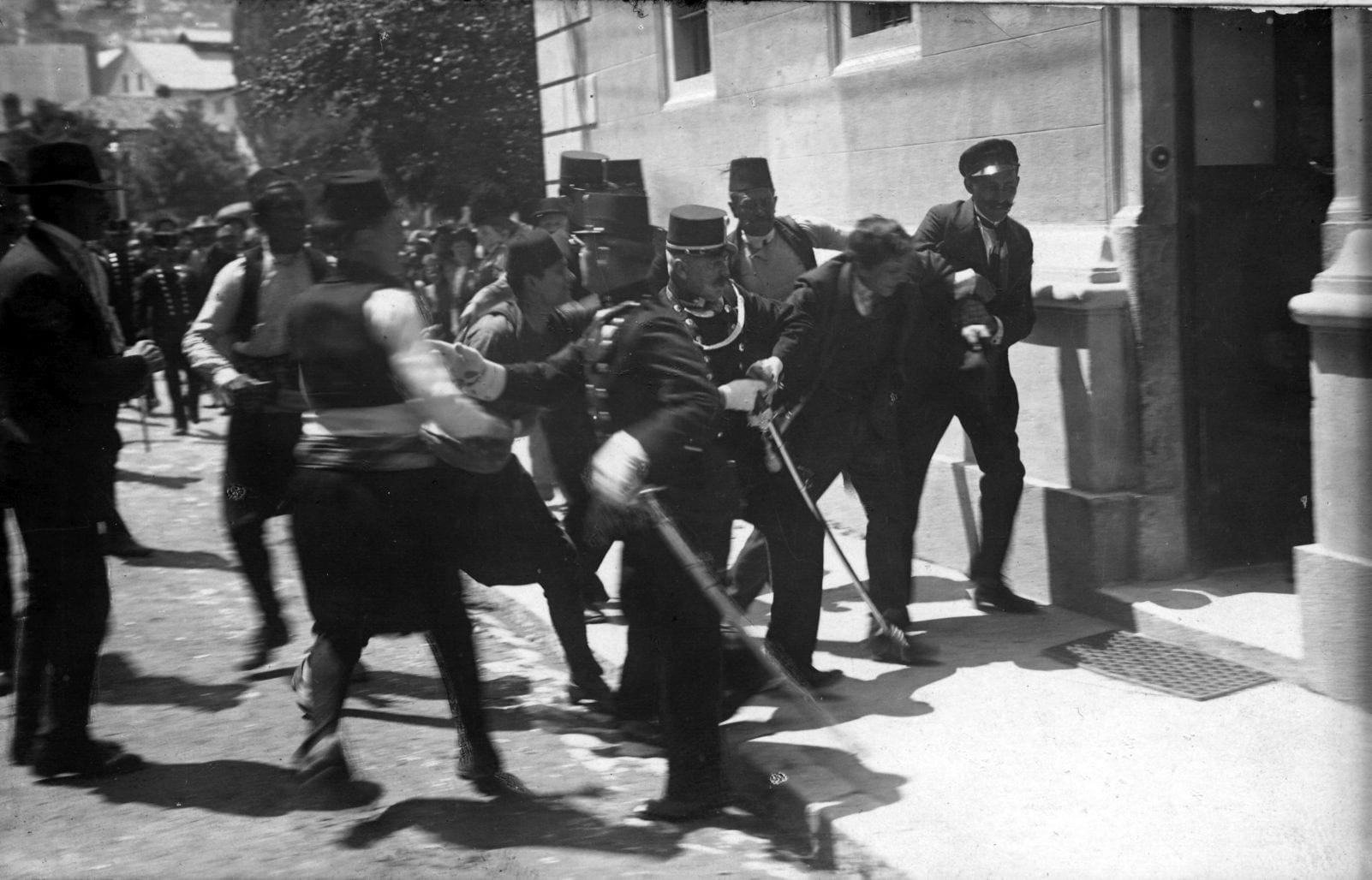
Two Yugoslavias
In 1918 the Kingdom of Serbs, Croats and Slovenes — renamed Yugoslavia in 1929 — was created under Serbia's Karađorđević dynasty. Many Croats and others came to see it as Serb-dominated, a grievance that fed the fascist Ustaše regime installed by the Axis in Croatia during the Second World War, which murdered hundreds of thousands of Serbs, Jews and Roma; Serb and communist partisans fought back in a war that was also a civil war. Tito's communists rebuilt Yugoslavia in 1945 as a federation of six republics, with Serbia the largest and containing two autonomous provinces, Vojvodina and Kosovo. Tito's system balanced the nations against each other; after his death in 1980 that balance weakened amid economic crisis.
The wars of the 1990s
Slobodan Milošević rose within the Serbian party from 1987 on a platform of defending Serbs, especially in Kosovo, and stripped the two provinces of their autonomy. As Slovenia, Croatia and then Bosnia moved toward independence in 1991–92, war followed, with the Yugoslav army and Serb paramilitaries supporting breakaway Serb regions in Croatia and Bosnia. The Bosnian war (1992–95) was the deadliest conflict in Europe since 1945; the UN tribunal (ICTY) and the International Court of Justice found that the 1995 killing of some 8,000 Bosniak men and boys at Srebrenica by Bosnian Serb forces was genocide. Serbia's government denies direction of those forces; the ICTY convicted Bosnian Serb and Serbian officials of war crimes and, in some cases, genocide, while acquitting others. The 1995 Dayton Agreement ended the Bosnian war.
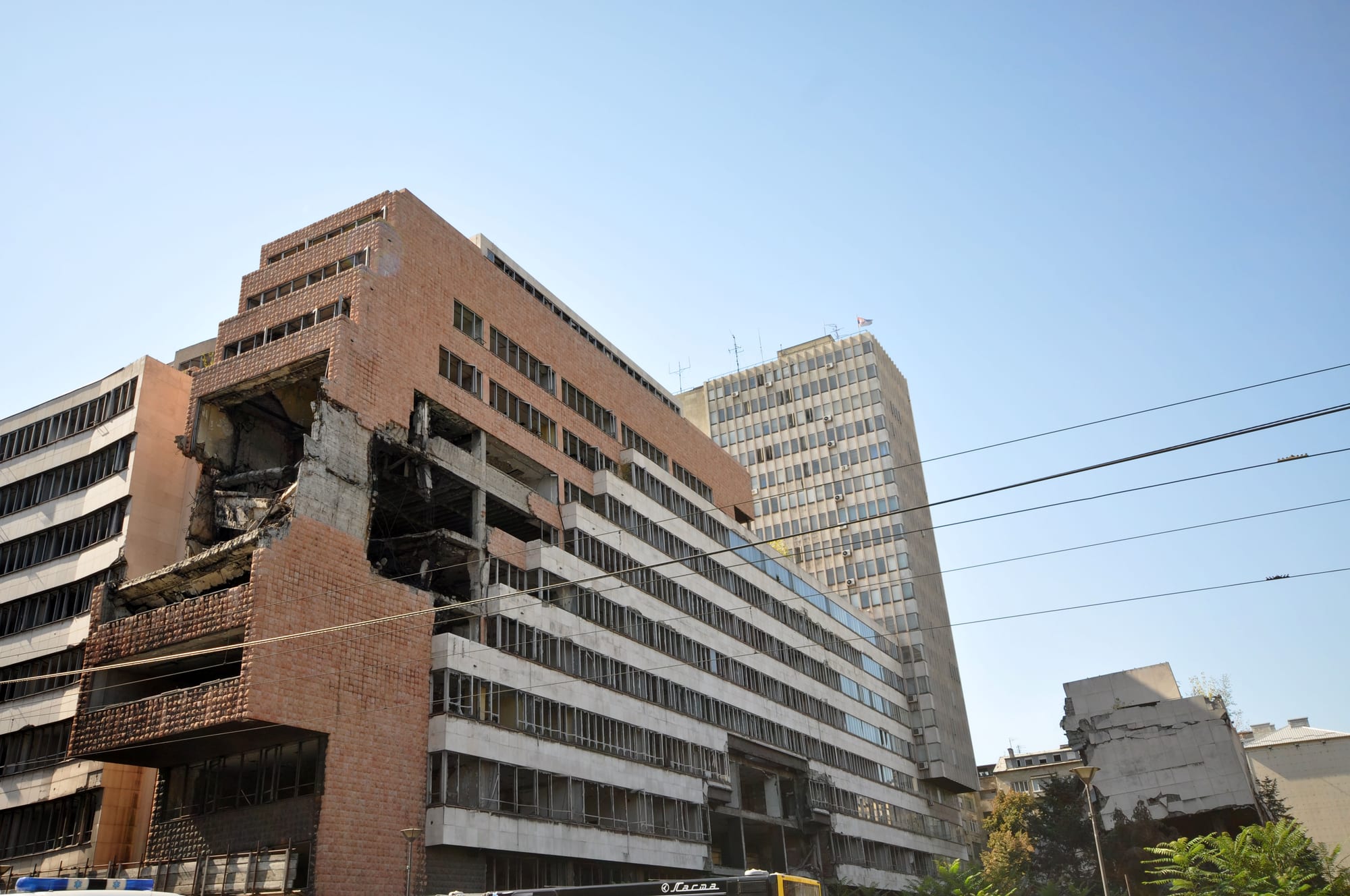
Kosovo, and after Milošević
In 1998–99 fighting between Serbian forces and the Kosovo Liberation Army, and the mass expulsion of ethnic Albanians, led NATO to bomb Yugoslavia for 78 days in 1999 without UN Security Council authorisation. Serbian forces withdrew and Kosovo came under UN administration. Milošević was voted out in September 2000 and overthrown by street protests when he refused to concede; he was extradited to the ICTY, where he died in 2006 before a verdict. Kosovo declared independence in 2008, which Serbia and several other states — including Russia and China — do not recognise; an EU-mediated dialogue on normalising relations continues without resolution.
Serbia now
Serbia has been an EU candidate since 2012 and has aligned much of its law with the bloc, while maintaining close ties with Russia and China and declining to join sanctions on Russia after 2022 — a balancing act its government defends as pragmatic and its critics see as a brake on reform. Domestically, large protest movements have recurred, including nationwide demonstrations in 2024–25 after a railway-station canopy collapse in Novi Sad killed 16 people, which became a focus of anger over corruption and state capture.
What Serbia carries
Serbia's history has given it a strong sense of itself as a nation that has lost statehood before — at Kosovo, under the Ottomans — and rebuilt it, and that memory runs through its politics. It was central to both Yugoslav projects and to the violence that ended the second, and the accounting for the 1990s, the status of Kosovo, and the choice between Europe and older alignments are the unfinished questions of the present.