Culture & Customs · Serbia
Serbia: The Candle, the Cake and the Family Saint
An Orthodox faith woven into family life, handshakes held with a steady gaze, a stubborn streak worn with pride, and a patron saint's day that turns every household into a host
By Worldlore Editorial · 30 September 2026
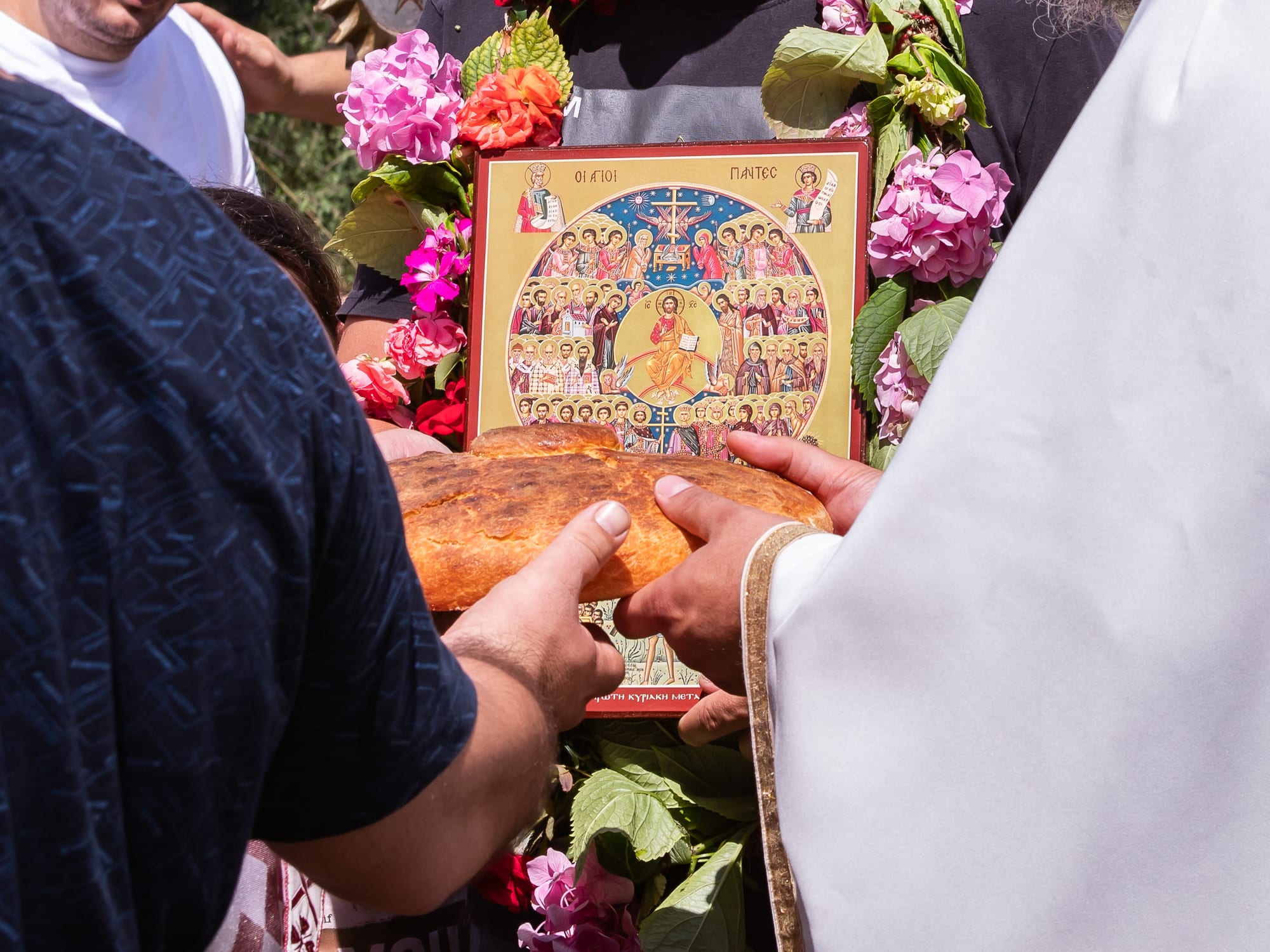
In a family home, a tall candle is lit beside an icon of the household's patron saint. On the table waits a round, decorated loaf, the slava cake, and beside it a dish of boiled wheat. Red wine is poured over the bread, which is then cut crosswise, turned, broken into four and lifted up, as thanks are given to the saint and prayers are said for the year ahead. Then the doors open to relatives, neighbours and friends, who arrive with "Srećna slava" — happy slava — and settle in for a long meal and a string of toasts to the family's health. The slava, recognised by UNESCO as part of humanity's intangible heritage, gathers up much of what Serbian culture holds dear: faith, family, continuity, and an almost insistent generosity towards guests.
Faith, identity and values
The Serbian Orthodox Church is the country's dominant religious institution and one of the anchors of national identity. Established as an independent church in 1219, it links modern Serbia to its medieval past, and the great majority of the population, around 80 per cent, identifies as Orthodox. Muslims and Catholics, at about 4 per cent each, form the largest religious minorities. For many Serbs, Orthodoxy and the Cyrillic alphabet are markers that distinguish the nation from its neighbours, and ethnicity and religion tend to go hand in hand. The church follows the Julian calendar, which is why Christmas falls on 7 January.
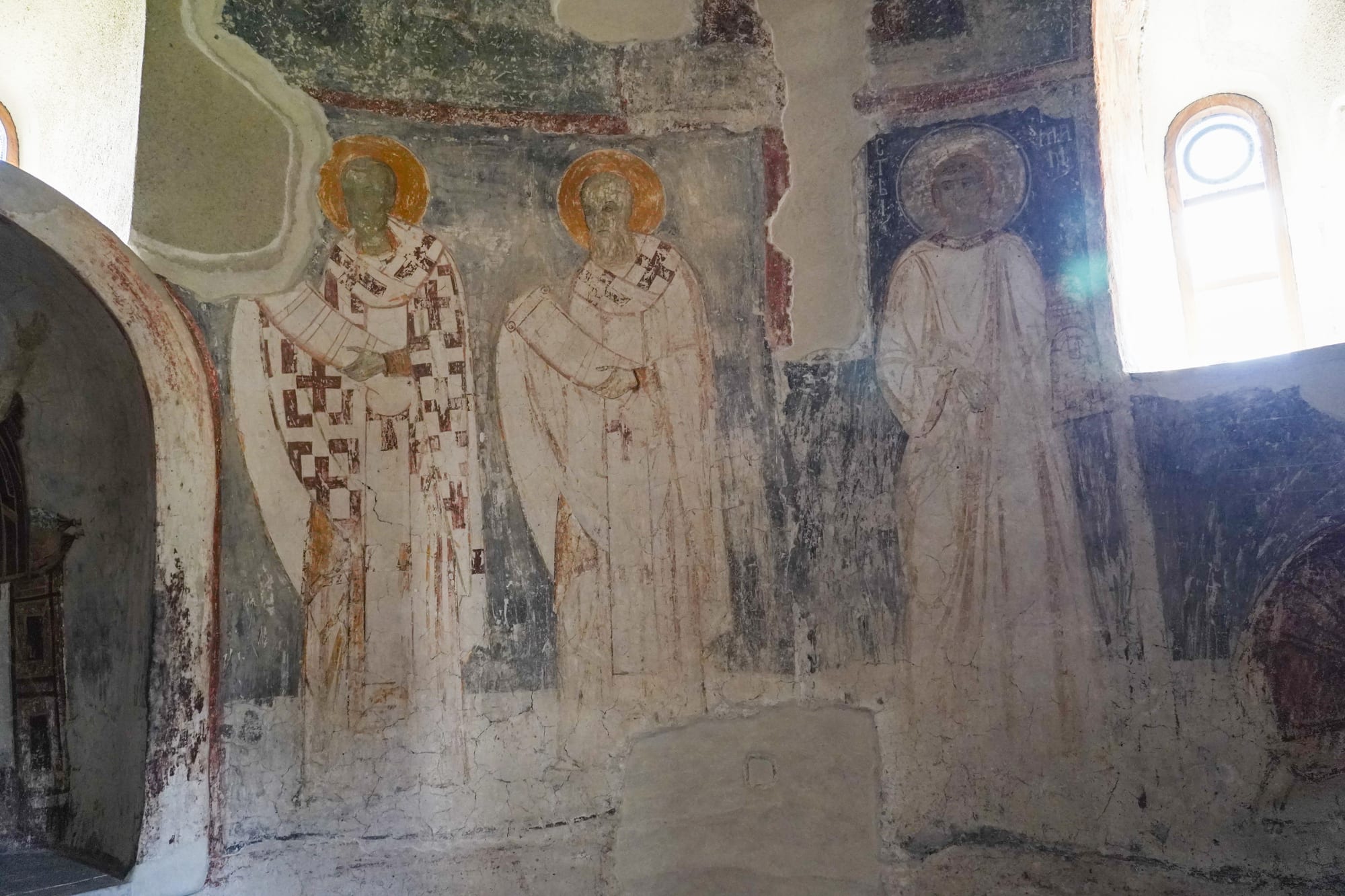
Orthodox churches are rich with painted icons, frescoes and carved wood, and heavy with the scent of incense. Many Serbs attend mainly at the great feasts of Christmas and Easter, but the church's presence is felt year round through family rituals. Visitors are expected to keep their voices low, cover their shoulders and remove hats on entering.
Family and loyalty sit at the centre of Serbian values, and so does a spiritual form of kinship. The kum, a godparent at a baptism and a principal witness at a wedding, is bound to a family for life. Traditionally the same kum who baptises a child later stands at that child's wedding, and the role can pass down the generations, with the descendants of kumovi treated almost as relatives. A well-known saying puts it plainly: "God in heaven, the kum on earth."
Two other traits come up again and again when Serbs describe themselves. One is inat, a word for stubborn defiance, usually expressed with humour and regarded as a strength in the face of adversity; during the NATO bombing of 1999, for example, some Belgrade residents wore target symbols on their clothes. The other is a love of dark humour and sharp aphorisms, blunt one-liners that say uncomfortable things directly and have helped many people process difficult times.
Greetings and meeting people
The standard greeting is a firm handshake with direct eye contact, and it is expected to stand when being introduced, especially to older people. Failing to introduce oneself with a handshake can seem rude. Among friends and family, three kisses on alternating cheeks are the norm. "Zdravo" is an everyday hello, "Kako ste?" asks how someone is, and "Drago mi je" means "pleased to meet you". Acquaintances are addressed with a title and surname until invited to use first names.
Eye contact matters beyond the first moment: it is expected in almost every conversation, and avoiding it can come across as evasive or untrustworthy. Serbian conversation tends to be direct and expressive. People state opinions and disagreements openly, which can sound blunt to outsiders but is not meant to wound, and speaking too softly may be read as a lack of confidence. People often stand fairly close once a first reserve has worn off.
Some subjects call for care. Serbs are usually happy to share views on politics and the breakup of Yugoslavia, but comparisons between the nationalities of the former Yugoslav states remain sensitive, and it is wise not to assume anyone's birthplace, ethnicity or language without asking. The gesture of raising the thumb, index and middle finger is associated with Serbian nationalism, so it is best left to those who know exactly what they are signalling.
Hospitality and being a guest
Hospitality in Serbia is emphatic. Friends and relatives often drop in unannounced and are welcomed rather than turned away, and black coffee is offered at almost any hour. Being invited to a family's slava is regarded as a real honour. Guests traditionally bring a small gift such as wine, greet the hosts with "Srećna slava", and should expect to be fed generously for as long as they stay.
Gifts are part of most visits, and wine or flowers are always appropriate. Refusing a gift is considered rude, and presents are usually opened on the spot. At the table, the main meal of the day has traditionally been lunch, taken in the afternoon, while a dinner for guests may run to several courses. Guests are encouraged to help themselves to more rather than wait to be served, and placing the knife and fork together on the plate signals that the meal is finished.
Toasting has its own etiquette. Glasses are raised to a chorus of "Živeli" — to life — and it is important to look each person in the eye while clinking glasses. A glass left partly full signals that no more is wanted; an empty one is likely to be refilled. When eating out, the person who issued the invitation usually pays. It is polite to offer to contribute, but suggesting that the bill be split can cause offence; the better response is to return the invitation another time.
Festivals and life's big moments
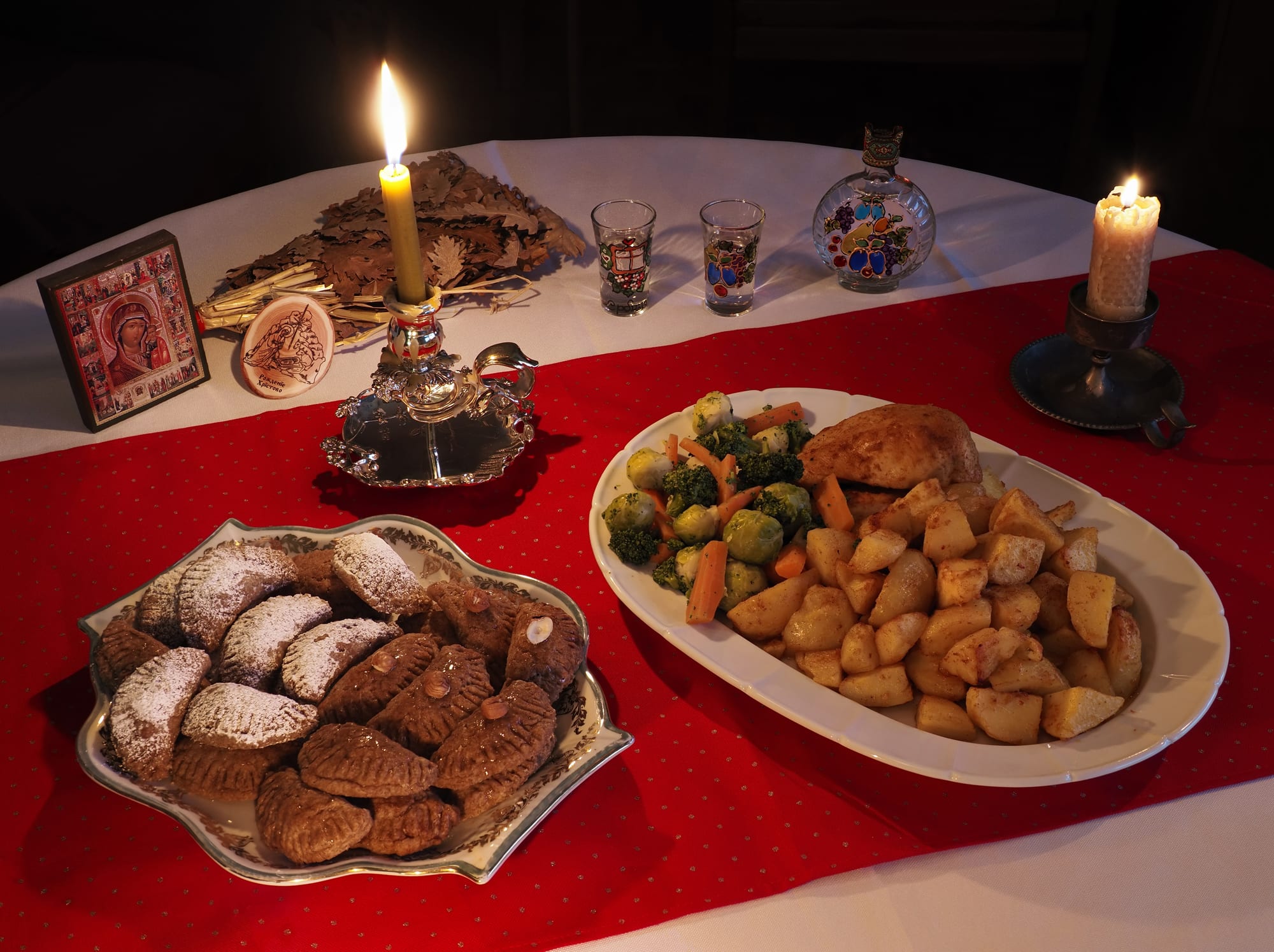
Christmas, celebrated on 7 January, is the richest festival in customs. On Christmas Eve, Badnji dan, the head of the household traditionally brings home the badnjak, an oak log or branch, and it is placed on the fire with toasts to the family's prosperity. Straw is spread across the floor, and children sometimes play at being chicks pecking through it. On Christmas morning comes the položajnik, the first visitor of the day, traditionally a man, who steps in with his right foot first and strikes the burning badnjak to raise sparks, wishing the household as much happiness as there are sparks. The Christmas loaf, česnica, is baked with a coin hidden inside, and whoever finds it is thought to be blessed with luck for the coming year. Visitors greet the family with "Christ is born", and are answered "Truly He is born."
Easter follows a long fast, during which devout Orthodox believers give up meat and other animal products in the weeks leading up to the feast. Eggs are dyed on Good Friday, red above all, a colour associated with the blood of Christ and with joy and rebirth, and the first red egg is kept for the year as the čuvarkuća, believed to protect the home. On Easter Sunday families play tucanje, knocking eggs against each other to see whose cracks first, and the day's greeting is "Hristos voskrese" — Christ is risen — answered with "Vaistinu voskrese", indeed He is risen.
The slava itself is celebrated each year on the feast day of the family's patron saint, and a family keeps the same saint across generations. Women play a large part in passing on the knowledge of the ritual, from preparing and decorating the cake to the boiled wheat, known as žito or koljivo, that is set beside it.
Weddings and baptisms revolve around the kum, who witnesses the marriage and speaks for the infant at baptism, reciting the Creed on the child's behalf. Death is marked with equal seriousness. Close relatives usually wear black for at least forty days, and sometimes for six months or a year. Memorial services are held on set days after a death, and on the fortieth day in particular, when the soul is believed to complete its journey to judgement, and again on anniversaries; koljivo is prepared for these services, and family and friends gather afterwards for a memorial meal.
Arts, crafts and music
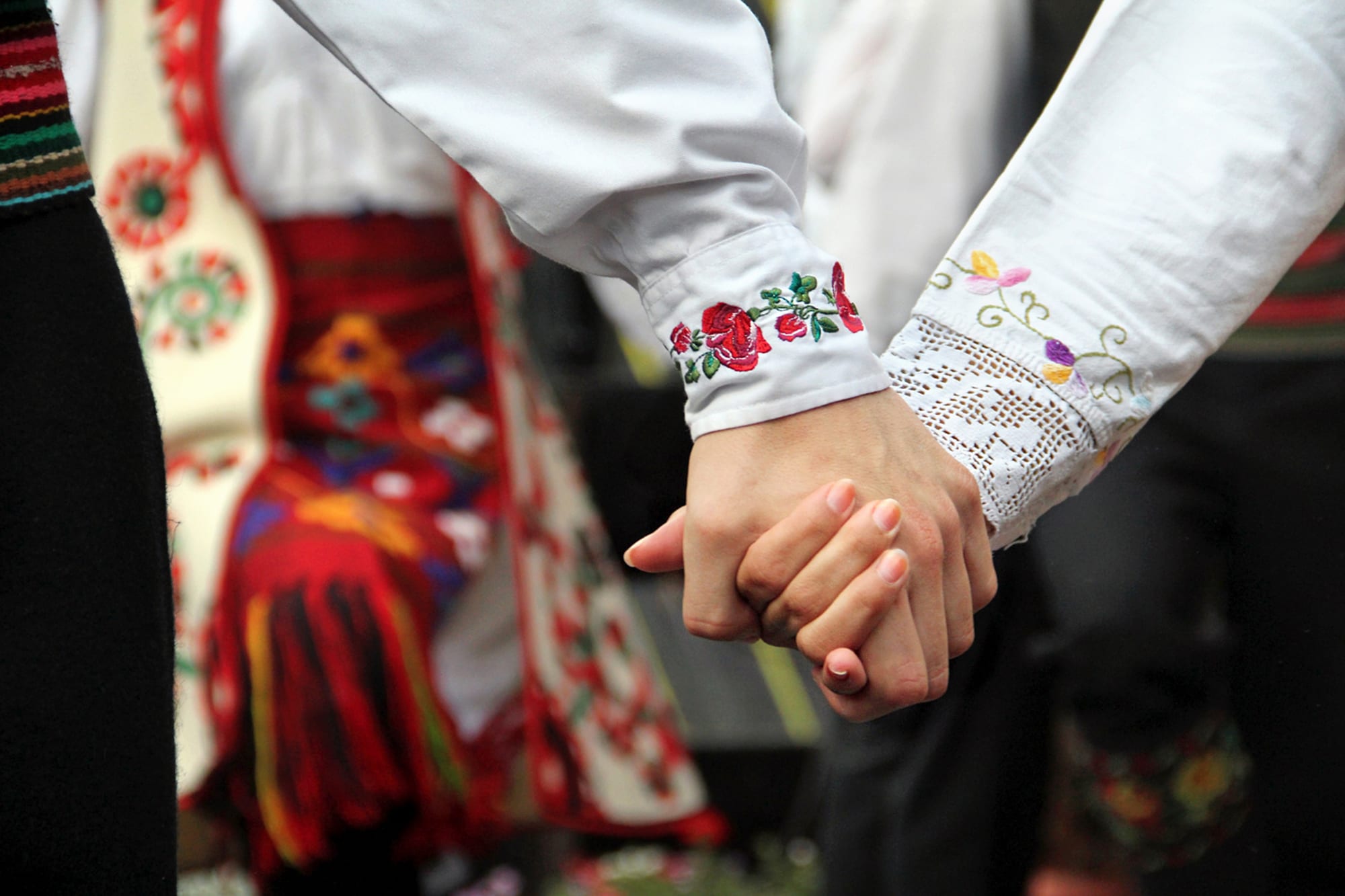
The kolo is Serbia's traditional circle dance. Dancers join hands in a semicircle, a circle or a winding line and move to fast rhythmic steps, accompanied by pipes, bagpipes, accordion, trumpet or, more recently, electric keyboards. It is on UNESCO's list of intangible cultural heritage and is widely seen as a distinguishing feature of Serbian identity.
An older art is singing to the gusle, a single-stringed bowed instrument traditionally made of carved wood. A solo singer, the guslar, performs long epic songs in lines of ten syllables, drawing the bow across the string as the story unfolds, and the tradition has been handed down from generation to generation. It too is on UNESCO's list.
Brass music has its own shrine in the Dragačevo Trumpet Festival at Guča, held in the churchyard of the village church for its first edition in 1961. Serbia's modern trumpet tradition is often traced back to 1831, when Prince Miloš Obrenović founded Serbia's first military band, and trumpeters such as Boban Marković have carried the sound far beyond the country.
The visual and craft traditions are just as rooted. The frescoes, icons and carved wood of the country's medieval churches and monasteries are its oldest artistic treasures. UNESCO has also recognised the hand-wheel pottery making of the village of Zlakusa and the naïve painting practices of Kovačica, and the kilim weaving of Pirot has been nominated for the same list.
Dos and don'ts for visitors
- Do greet with a firm handshake and direct eye contact, and stand when being introduced, especially to elders.
- Do look each person in the eye and say "Živeli" when clinking glasses.
- Do accept coffee and food when offered; leave a little in the glass to show you have had enough.
- Do bring wine or flowers when invited to a home, and wish the hosts "Srećna slava" if invited to a slava.
- Do keep your voice low, cover your shoulders and remove hats in Orthodox churches.
- Don't suggest splitting the bill when someone else has invited you; return the invitation instead.
- Don't compare the former Yugoslav nationalities or assume someone's ethnicity, birthplace or language.
- Don't take directness or loud conversation as hostility; it is usually simply enthusiasm.
What to take away
Serbian customs revolve around the idea that a guest is to be honoured and a bond, once made, is kept for life — and visitors who meet that warmth with an open handshake and a raised glass will find themselves quickly drawn into the circle.