Food · Serbia
Serbia: Food and the National Dish
Grilled minced-meat rolls shared across the former Yugoslavia, cooked over open coals at grills and roadside stands nationwide
By Worldlore Editorial · 16 September 2026
A cuisine built around the grill
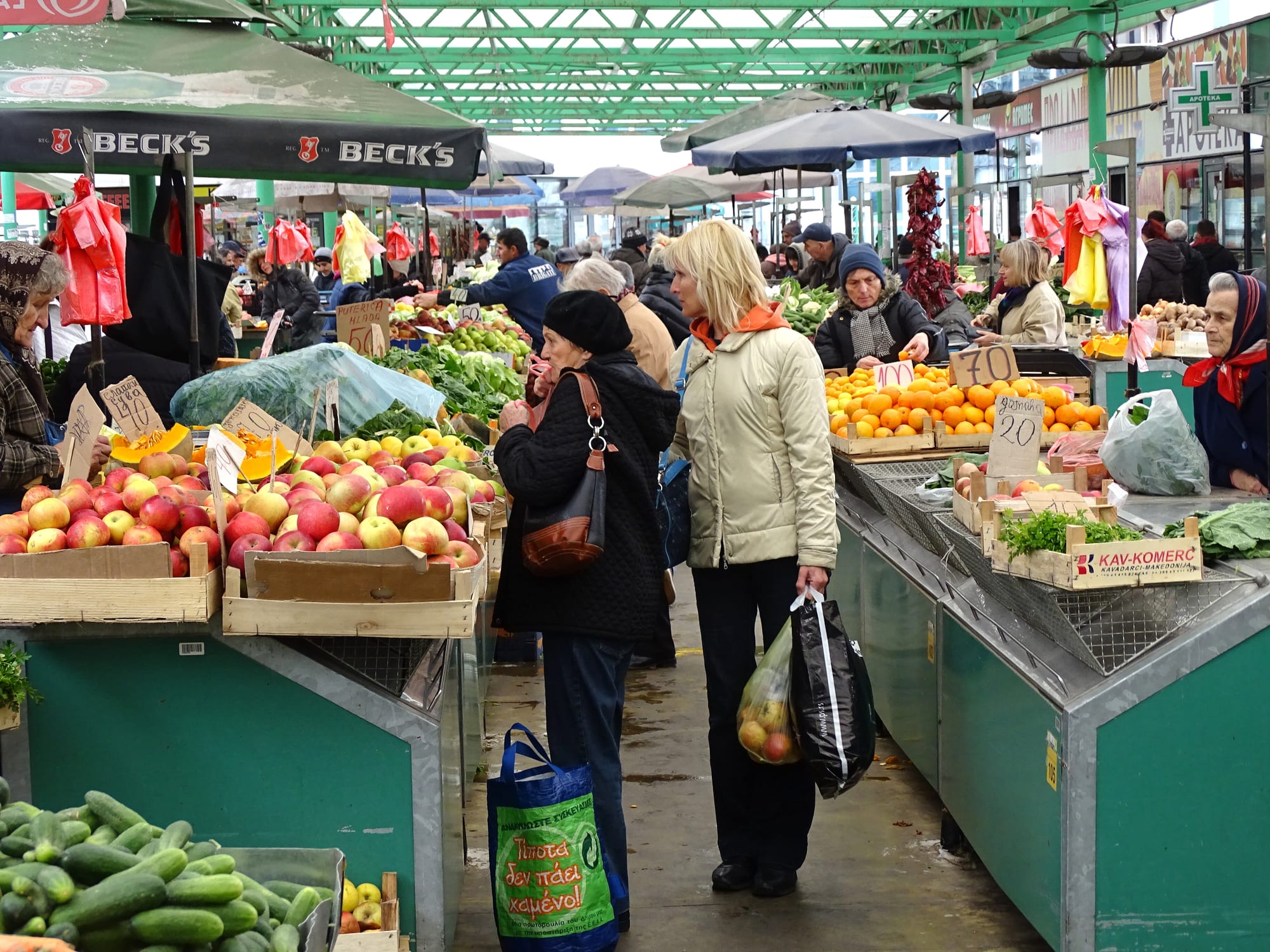
Serbian food centres heavily on grilled meat, cooked over open coals at home gardens, roadside grills and restaurants alike, a genuine everyday cooking method rather than an occasional treat, shared closely with neighbouring former Yugoslav countries rather than practised only in Serbia.
The national dish: ćevapi
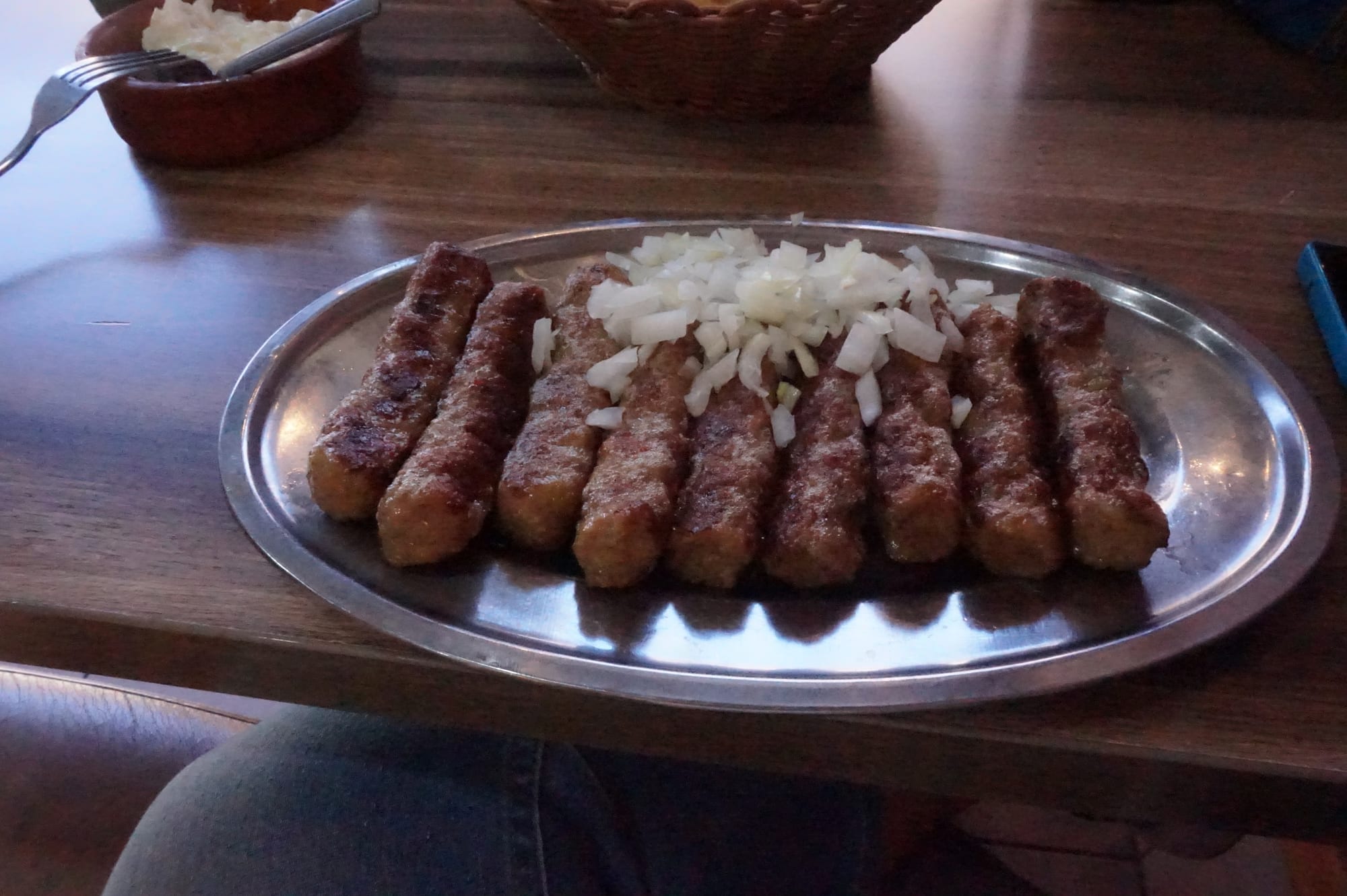
Ćevapi, small, skinless grilled rolls of minced meat, usually a mix of beef and pork, served in flatbread with chopped onion and kajmak (a clotted cream), is widely regarded as Serbia's national dish, though it is genuinely and openly shared across Bosnia and Herzegovina, Croatia and other former Yugoslav countries under the same or very similar names. Leskovac, a city in southern Serbia, is particularly associated with the dish and hosts an annual grilled-meat festival celebrating it.
Peppers, pork and a genuinely hearty pantry
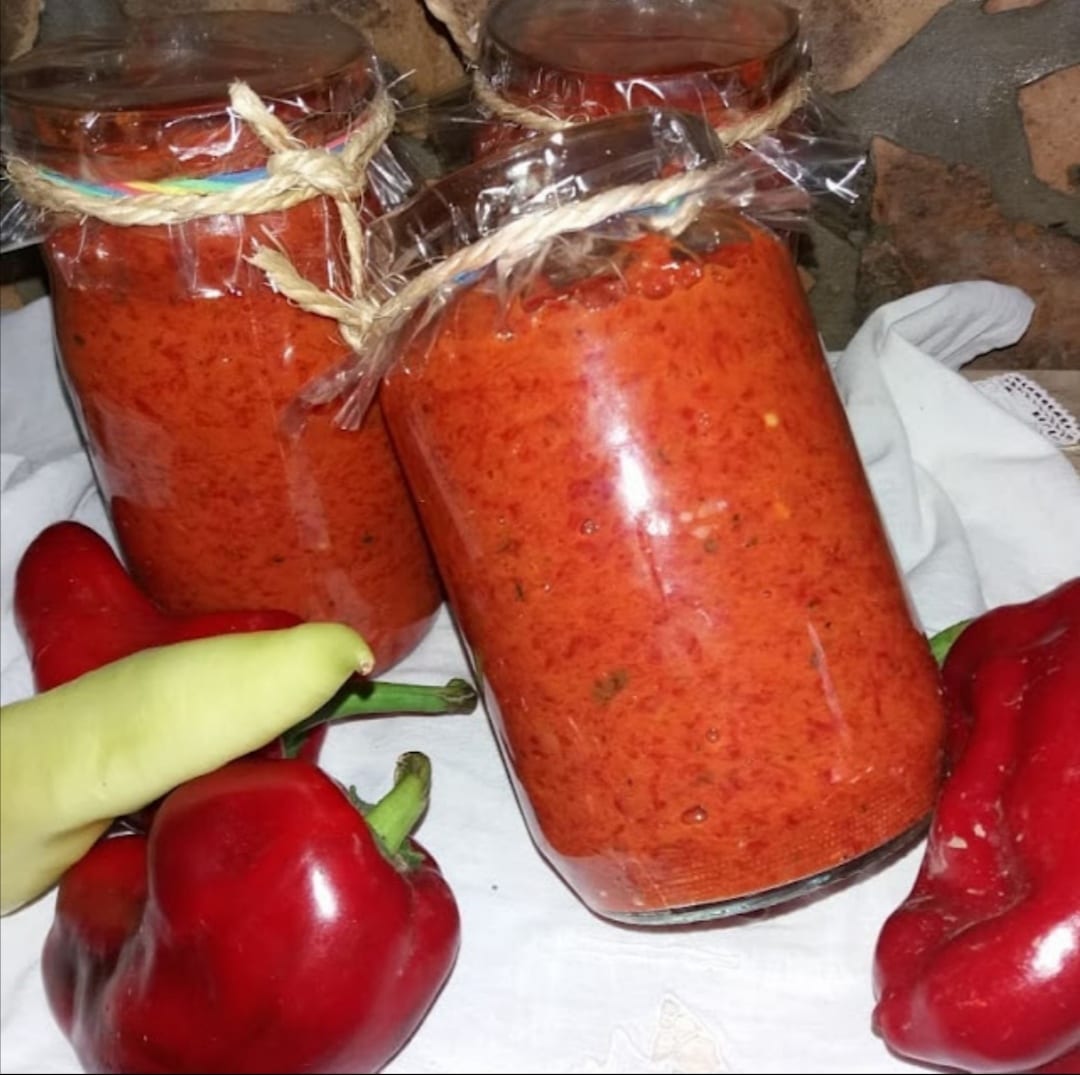
Peppers, particularly in the roasted, preserved spread ajvar, and pork, both fresh and cured, anchor much of everyday Serbian cooking. Kajmak, a clotted cream, and paprika round out a pantry shaped by a farming tradition suited to Serbia's fertile plains and a strong household tradition of preserving vegetables through the winter.
History behind the grill
Ćevapi's likely origin traces to Ottoman-era grilling traditions across the Balkans, adapted locally into the smaller, skinless minced-meat rolls now found across the former Yugoslavia. Ajvar's autumn preparation, roasting large quantities of red peppers to preserve as a spread for the rest of the year, reflects a genuine household tradition that predates modern refrigeration and remains widely practised in Serbian homes today.
Dishes to know
Five more to recognise across Serbia:
- Ajvar — a spread made from roasted red peppers and aubergine, a
genuine household staple prepared in bulk each autumn.
- Sarma — cabbage rolls filled with minced meat and rice, a fixture
at Serbian celebrations.
- Pljeskavica — a grilled, spiced meat patty, often served in
flatbread, sometimes called the Serbian burger.
- Karađorđeva šnicla — a rolled, breaded veal or pork cutlet filled
with kajmak, named after a Serbian revolutionary leader.
- Rakija — a strong fruit brandy, most often made from plums, central
to hospitality and toasts.
Drinks
Rakija, most often distilled from plums (šljivovica), is Serbia's traditional and most widely offered spirit. Turkish-style coffee, brewed strong in a small pot, and Serbian wine, produced in several established wine regions, are also commonly enjoyed.
Eating as a traveller
Vegetarians will find ajvar, cheese and bread-based dishes manageable, though grilled meat is central to most traditional Serbian cooking. Tap water is generally safe to drink across Serbia. Trying ćevapi at a local grill stand, rather than a tourist restaurant, is a genuine, widely loved way to eat as Serbians do.
What to take from the table
Ćevapi, grilled over open coals and shared across the former Yugoslavia, captures Serbian food's real character: hearty, communal cooking built around the grill rather than one dish claimed exclusively as its own.