History · Senegal
Senegal: The Westernmost Edge
The African mainland's Atlantic tip — medieval Sahel kingdoms, the oldest French foothold in Africa, the island of Gorée, a poet-president, and one of the few states on the continent never to have had a coup
By Worldlore Editorial · 10 September 2026
The tip of the continent
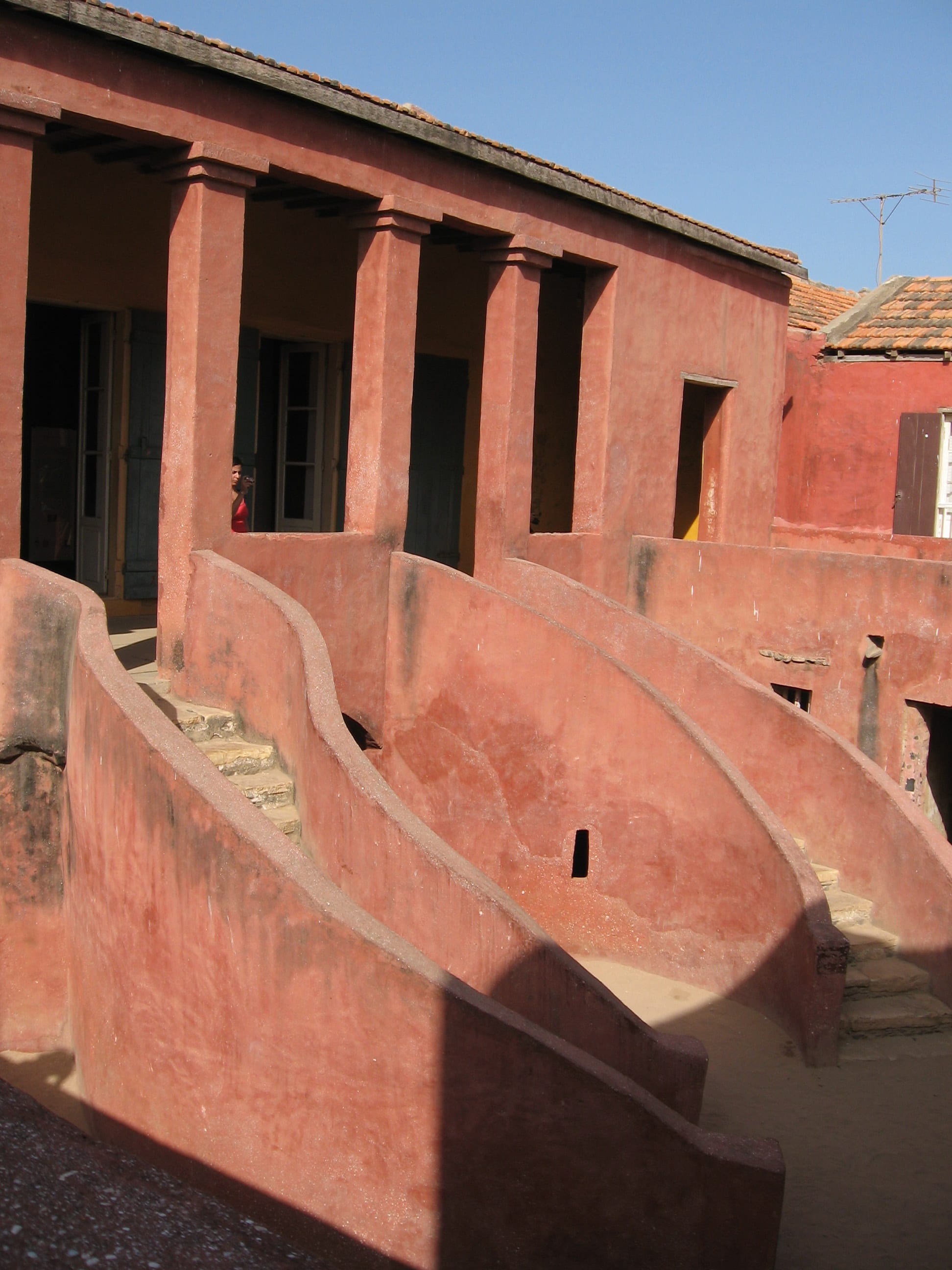
Senegal is the westernmost country of mainland Africa, wrapped around the small country of The Gambia, with about 18 million people, a Muslim majority organised largely through influential Sufi brotherhoods, and a capital, Dakar, on a peninsula that is the closest point of the mainland to the Americas. That position made it central to Atlantic trade — and to the slave trade — and gave France its earliest and longest-held territory in Africa. Senegal is also one of a small number of African states that has never experienced a military coup.
A short history
- c. 800–1100
The Sahel empires
The Ghana Empire's western reaches; Takrur adopts Islam early.
- c. 1350–1550
The Jolof Empire
A Wolof confederation dominates the region, then fragments.
- 1444
Portuguese arrival
European ships reach the Senegal coast; trade posts follow.
- 1659
Saint-Louis founded
France establishes its first permanent West African settlement.
- 1848
Abolition and the communes
Slavery ended in French territory; the Four Communes get political rights.
- 1854–1865
Faidherbe's conquest
France pushes inland; the groundnut economy expands.
- 1895
French West Africa
Senegal becomes its administrative centre, based at Dakar from 1902.
- 1960
Independence
Léopold Sédar Senghor becomes the first president.
- 1980
Senghor resigns
A rare voluntary handover of power in Africa.
- 2000
First alternation
The opposition wins the presidency at the ballot box.
Empires and Islam
The western Sahel was on the fringe of the Ghana Empire, and the kingdom of Takrur on the Senegal River was among the first states in West Africa to adopt Islam, in the 11th century. From around 1350 the Wolof-speaking Jolof Empire — a loose confederation of kingdoms including Cayor, Baol and Walo — dominated the region before splitting into rival states in the 16th century. Islam spread gradually and then rapidly in the 19th century, often through militant reform movements and the Sufi orders, especially the Mouride brotherhood founded by Cheikh Amadou Bamba, whose followers became a major economic and political force.
The French foothold
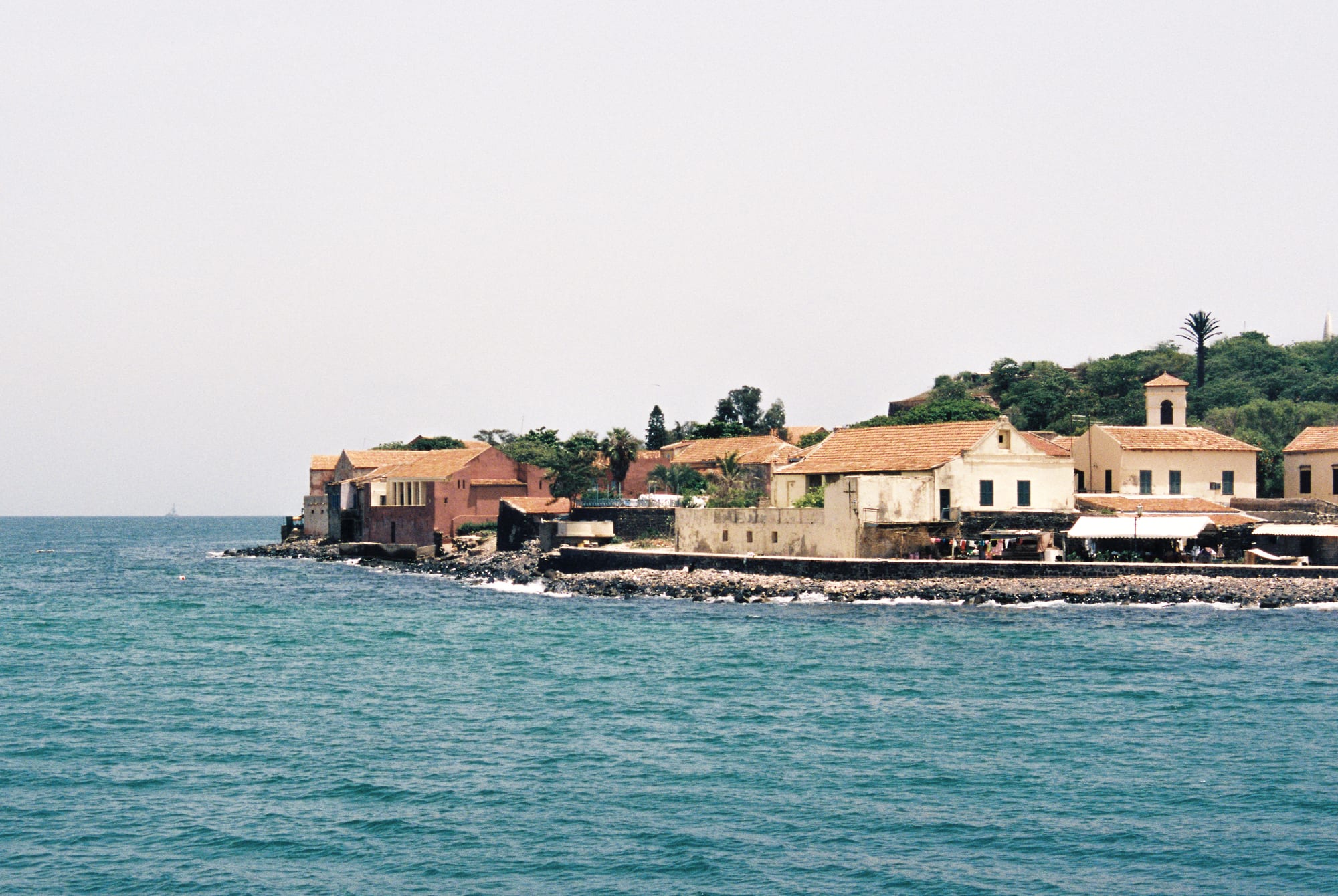
Portuguese ships reached the Senegal coast in 1444, and over the following centuries the island trading posts of Saint-Louis (founded by France in 1659) and Gorée changed hands repeatedly among European powers as bases for the trade in gum arabic, hides, gold and enslaved people. France abolished slavery in its colonies in 1848 and, in the same period, granted the inhabitants of four urban areas — Saint-Louis, Gorée, Dakar and Rufisque, the "Four Communes" — French citizenship and the right to elect a deputy to the National Assembly in Paris, a status unique in French Africa and a school for a Senegalese political class. From the 1850s Governor Louis Faidherbe drove the conquest inland, subduing the Wolof kingdoms and promoting groundnut (peanut) cultivation as the export crop that would dominate the colonial and early independent economy.
Independence and Senghor
Dakar became the capital of the whole federation of French West Africa in 1902, giving Senegal an outsized administrative and intellectual weight. After a brief federation with French Sudan (Mali) that collapsed within months, Senegal became independent on 20 August 1960 under Léopold Sédar Senghor — a poet, a founder of the Négritude literary movement, and the first African member of the Académie française. Senghor built a one-party-dominant but relatively open system, kept close ties with France, and, in 1980, resigned voluntarily and handed power to his prime minister Abdou Diouf — an almost unheard-of act among African leaders of the era.
A working democracy
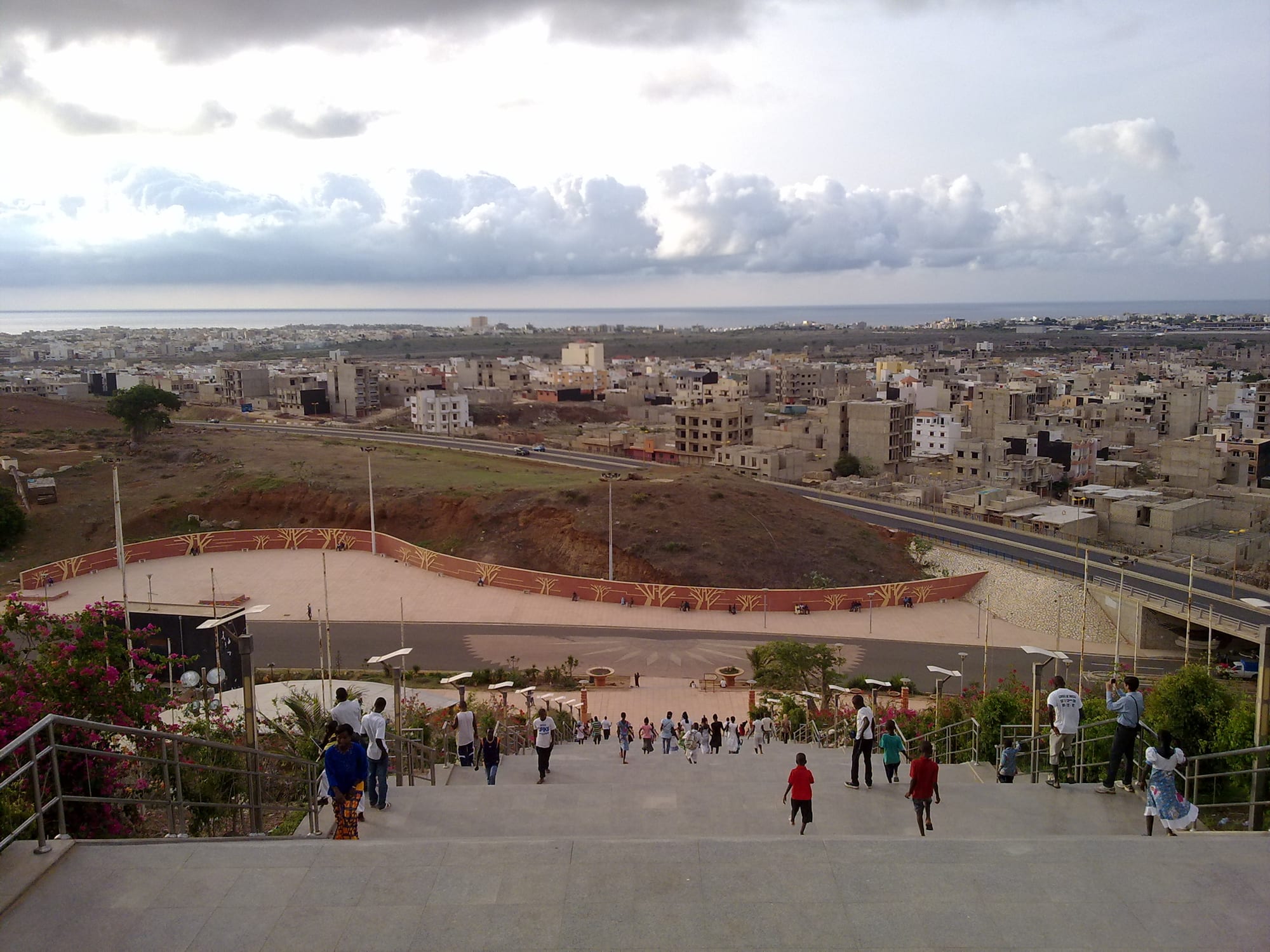
Multiparty competition was fully restored in the 1970s and 1980s, and in 2000 Abdoulaye Wade's opposition coalition won the presidency, the first alternation of power by election in Senegal's history; another followed in 2012 when Wade himself was voted out after trying for a contested third term. Senegal has had no successful coup, and its army has stayed out of politics. It has, though, faced a long low-level separatist insurgency in the southern Casamance region — cut off from the rest of the country by The Gambia — since 1982, and a sharp political crisis in 2023–24 when President Macky Sall jailed the opposition figure Ousmane Sonko and then postponed the election, before the constitutional council forced the vote to go ahead; Sonko's ally Bassirou Diomaye Faye won it from prison.
What Senegal carries
Senegal's Atlantic edge made it France's gateway to Africa — the first settlement, the federal capital, the citizen communes — and left it with an unusually deep tradition of civilian political life. Gorée and Saint-Louis are the memory of what that coastal trade also was. Since independence the country has been defined by something rare on the continent: elected governments, an apolitical army, and presidents who, so far, have left office when the voters or the courts required it.