Culture & Customs · Senegal
Senegal: Teranga and the Brotherhoods
A near-universal Muslim faith lived through Sufi brotherhoods, greetings that trade family names like gifts, and a code of hospitality, teranga, that the country treats as the heart of its identity
By Worldlore Editorial · 30 September 2026
Two acquaintances meet in the shade at the edge of a market. Neither comes straight to the point. There are questions about health, about the household, about the children and the parents, and each question carries the other person's family name, spoken like a small courtesy in its own right. Wishes for peace are exchanged, sometimes in a phrase of Arabic, and only then does the real conversation begin. To an outsider the exchange can feel long; to the two people involved, the time it takes is the point. In Senegal, respect is measured in attention given to others, and the country has a single word for the generous, welcoming spirit that follows from it: teranga.
Faith, identity and values
Islam shapes almost every part of Senegalese life. According to government statistics cited by the US State Department, just over 97 per cent of the population is Muslim, most of them Sunni, and a small Christian minority makes up most of the rest. What gives Senegalese Islam its particular character is the Sufi brotherhoods, or tariqa. Most Muslims belong to one of several of these orders, each with its own practices, its founding saint and its line of spiritual leaders, known as khalifs, with marabouts acting as religious guides to their followers. The Tijaniyya and the Mouride have the largest followings. The Mouride brotherhood was founded by Cheikh Amadou Bamba, who lived from 1853 to 1927 and whom the French colonial authorities exiled more than once; his teaching that work is itself a form of devotion remains central to the order's identity.
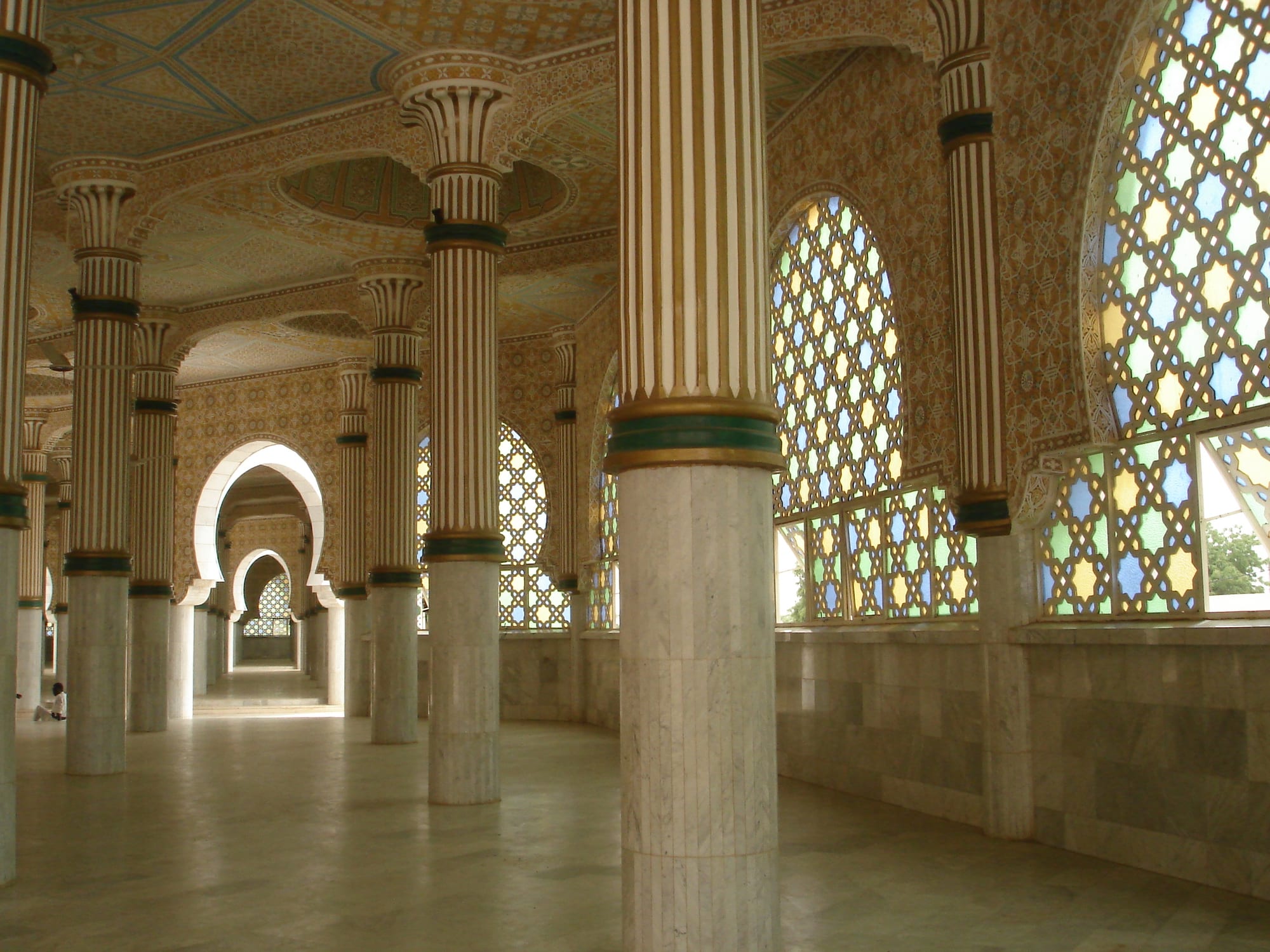
The brotherhoods reach well beyond worship. The State Department's report notes that their leaders have been widely credited with helping to calm periods of political tension, and that they stress tolerance and peaceful coexistence. Relations between Muslims and Christians are notably close: interfaith families are common, some cemeteries are shared, and festivals are often celebrated across the religious line. In years when Ramadan and Lent overlap, neighbours have been known to fast together and share the meals that break the fast.
Beneath the religious calendar sits teranga, a Wolof word usually translated as hospitality but understood more broadly as warmth, generosity and a duty to welcome others. It is a point of national pride, so much so that the national football team is known as the Lions of Teranga. Respect for elders runs alongside it. Age brings authority in families and communities, and deference to older people shapes how the young greet, speak and sit in company.
Greetings and meeting people
Greeting is the foundation of every encounter, and skipping it is one of the surest ways to seem rude. A traditional greeting, conducted in Wolof or another national language, is a series of short questions and wishes for good health, peace and the wellbeing of the family, and each line includes the other person's family name. The more time spent on these exchanges, and the more often names are repeated, the more respect is shown, and the greeting is understood as a bond between two families as much as between two individuals. Younger people, especially in towns, often greet each other more quickly in French, but with elders they still make the effort to go through the longer, traditional form.
Men usually shake hands. Traditionally, women and men do not touch when greeting, although a handshake may be offered as a mark of respect, and a slight bending of the knees is another sign of deference. When a hand is offered, it is the right hand; the left is kept for personal hygiene and is not used to greet, eat or pass things. Farewells are just as considered as greetings, with regards sent to the other person's family and wishes for a safe journey.
One custom surprises many visitors. Senegal has a strong tradition of joking kinship, known in Wolof as kal and in French as cousinage à plaisanterie. Certain peoples, above all the Serer with the Haalpulaar and the Joola, and certain pairs of family names, are regarded as "cousins" who may tease and insult one another in a ritual way without offence being taken. Scholars such as Étienne Smith have traced how these playful alliances came to be celebrated as a symbol of national cohesion, and hearing two strangers exchange mock insults on discovering each other's surnames is a very Senegalese moment.
Hospitality and being a guest
Teranga means that guests are generally made welcome with little notice and treated generously. A visitor to a home is likely to be offered something to drink, very often a round of ataya, the sweet green tea prepared and served in small glasses, and staying to share it is part of the visit rather than an interruption to it. Refusing hospitality outright can seem cold, so it is better to accept at least a little of what is offered.
Meals are frequently eaten from a large shared platter, and the etiquette around it is precise. Before eating, a basin of water is brought out so that everyone can wash their hands. Diners wait until the eldest man present has started. Food is eaten with the right hand only, or with a spoon where one is provided, and each person eats from the section of the bowl directly in front of them; reaching across to another person's part of the platter is frowned upon. In some households men and women eat in separate groups or rooms. Second helpings are pressed on guests, and accepting them is polite. A meal is rarely rushed, and people usually linger for some time afterwards to talk, since leaving immediately can suggest that the company mattered less than the food.
Festivals and life's big moments
The biggest holiday of the year is Tabaski, the Senegalese name for Eid al-Adha, which commemorates Abraham's willingness to sacrifice his son. Families aim to buy a sheep for the occasion, and in the weeks beforehand sheep markets swell and prices become a national talking point; buying the animal, a festive meal and new clothes can put real strain on household budgets. On the day, after morning prayers, the sheep is slaughtered and the meat is shared among family, friends and those in need, and the rest of the day is spent in new clothes visiting neighbours and relatives. Korité, the festival that ends Ramadan, is celebrated in a similar spirit of visiting and sharing.
The brotherhoods add their own great gatherings. The Grand Magal, held on the eighteenth day of the Islamic month of Safar, so that its date moves through the solar year, commemorates Amadou Bamba's exile to Gabon in 1895. Millions of pilgrims travel to Touba for it, queuing for long stretches to visit the Great Mosque and Bamba's tomb, and it is the largest celebration of the year in Senegal. The Tijaniyya mark the Prophet's birthday, the Gamou, with their own pilgrimage, when hundreds of thousands gather to recite poems of praise. At these times roads fill, towns empty, and the rhythm of national life adjusts around faith.
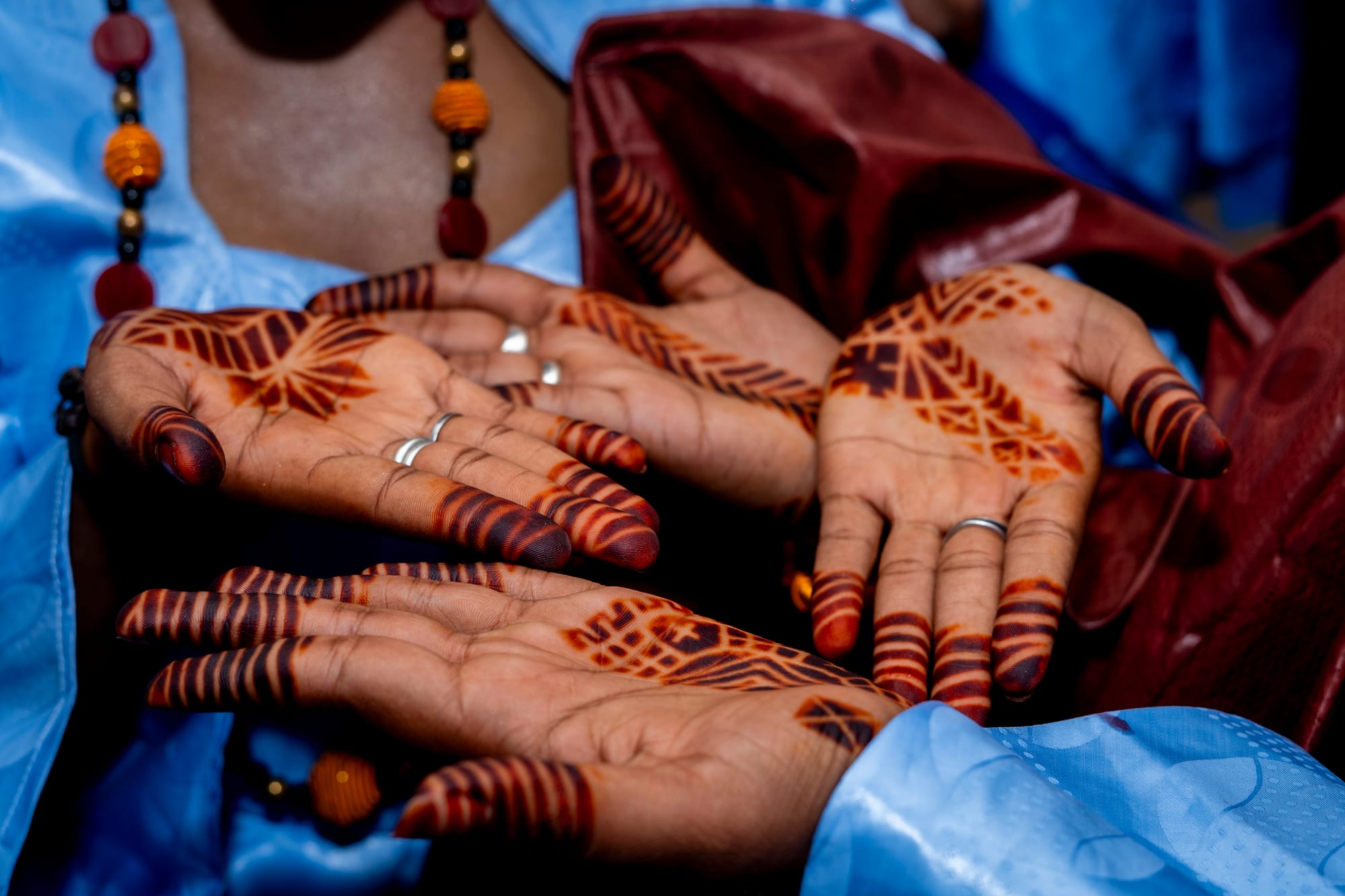
Life's milestones are marked with equal care. About a week after a birth, a naming ceremony, the ngente, brings together family and neighbours. The baby's head is shaved, a sheep is often sacrificed, and the name is announced to the gathering; griots sing the family's praises and a feast follows. Weddings unite families rather than simply two people, and are occasions for elaborate dress, music and praise singing, with women relatives often wearing matching outfits made for the day.
Funerals follow Islamic practice, with burial taking place quickly after death, and the days that follow are given over to condolence visits and recitations of the Quran, when friends and neighbours gather at the family home to pay their respects.
Older initiation rites survive alongside the Islamic calendar. Among Manding communities, the Kankurang, inscribed on UNESCO's list of intangible cultural heritage, accompanies the initiation of young boys: a masked initiate, clothed in leaves and in bark and red fibre from the faara tree, appears as a protective spirit and guardian of order, dancing with two machetes while followers beat out a rhythm with sticks. The Xooy, a divination ceremony of the Serer people, is also on UNESCO's list.
Arts, crafts and music
Music and speech are bound together in Senegal through the griots, known in Wolof as gewel, hereditary musicians, praise singers and keepers of family history. Their instrument above all is the sabar, a drum played with one bare hand and a thin stick, and sabar drumming is present at almost every important occasion: naming ceremonies, weddings, religious holidays, political meetings and wrestling matches. Sabar dance events, fast and exuberant, are among the most popular forms of entertainment in the country.
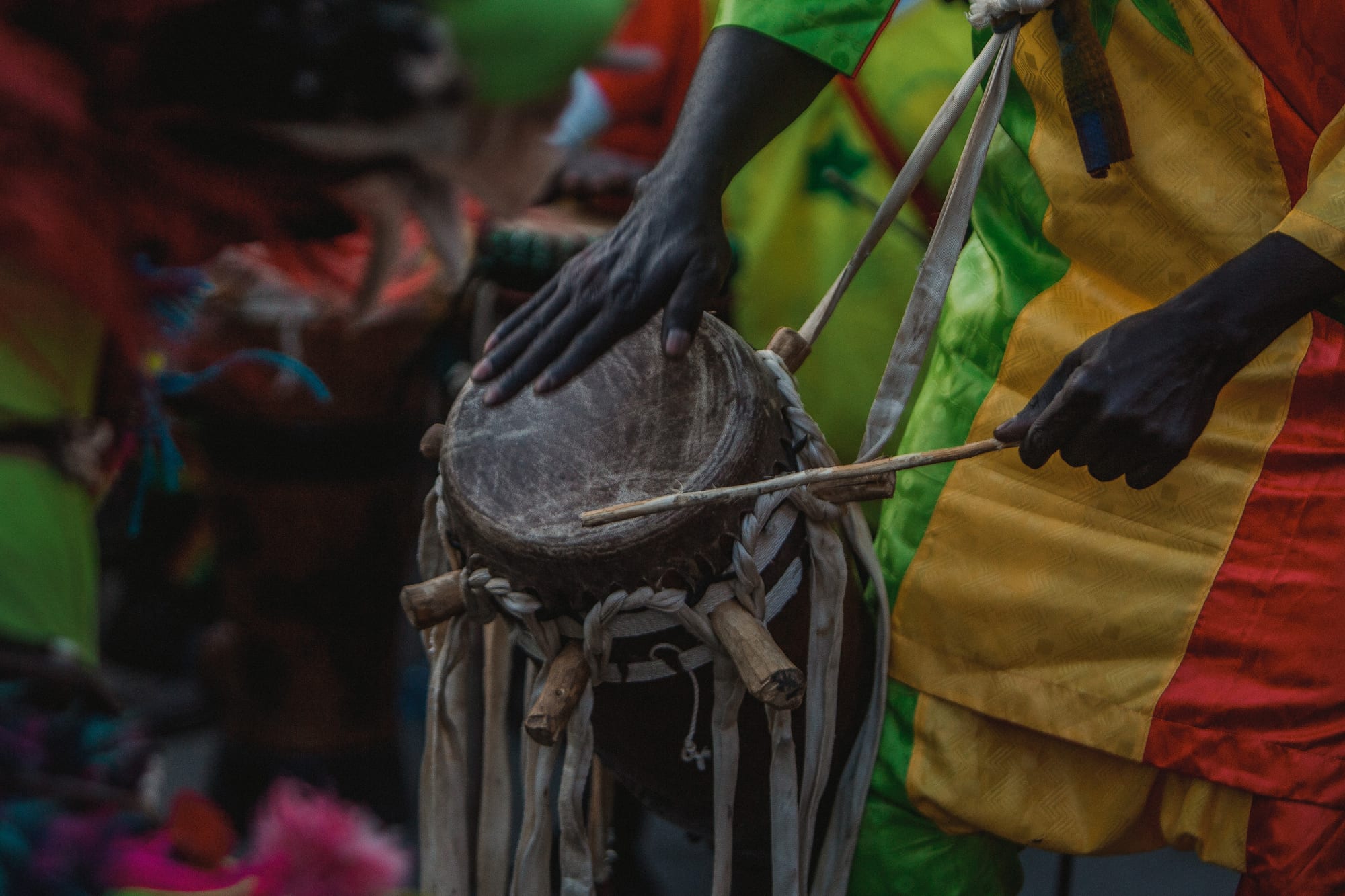
From those rhythms came mbalax, Senegal's signature popular music, named after a pattern played on one of the drums of the sabar ensemble. It took shape in Dakar in the 1970s and became dominant in the early 1980s, when Youssou N'Dour and his band Super Étoile set sabar percussion alongside modern instruments and sang in Wolof rather than following the Afro-Cuban styles that had long ruled the dance floor.
Laamb, traditional wrestling, is as much ritual as sport. Its roots lie in village contests that once served as training for war, and today's bouts are preceded by dancing, singing and poetry, while wrestlers wear gris-gris, protective amulets, and follow preparations prescribed by marabouts, such as pouring specially prepared liquids over their heads for luck.
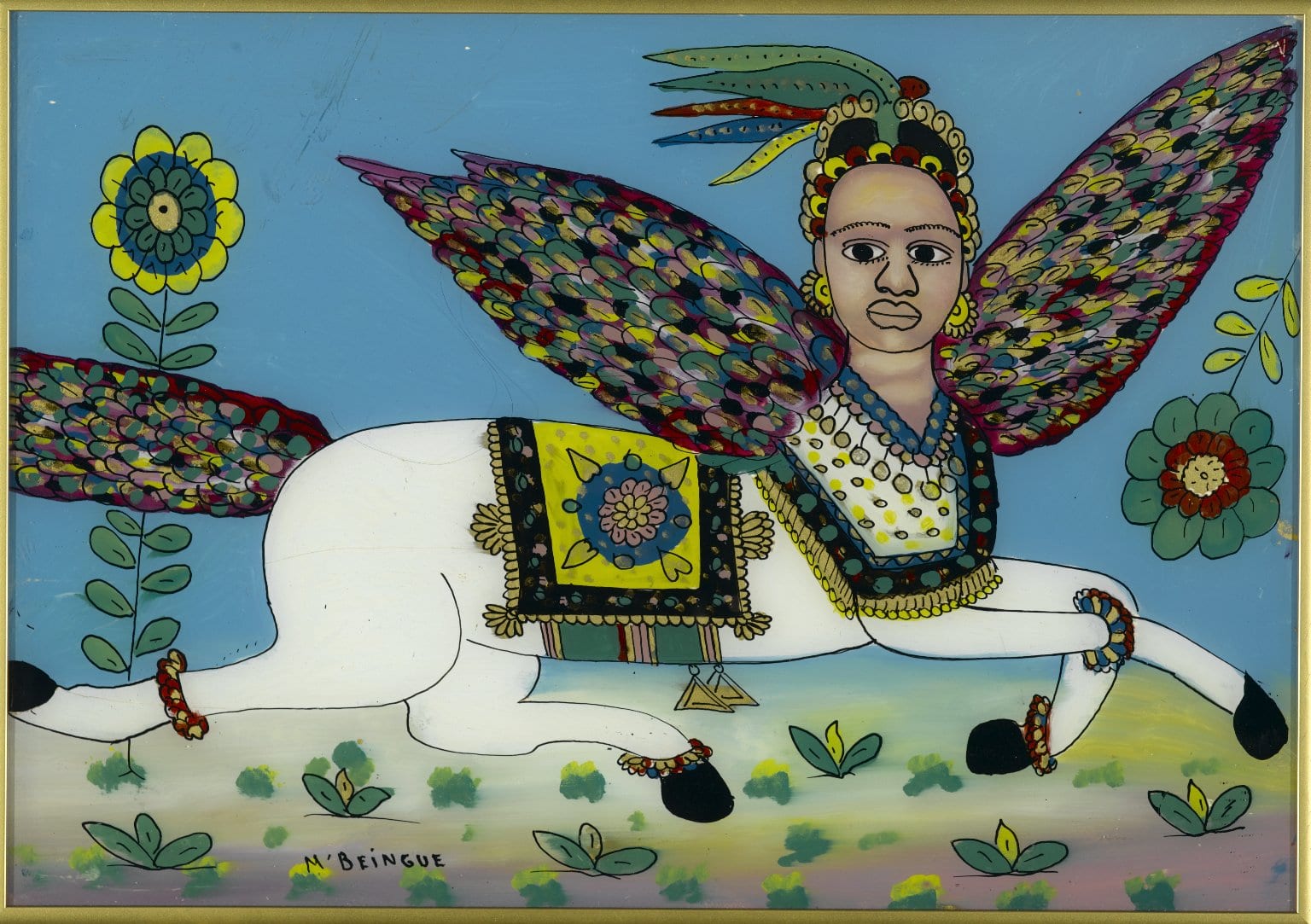
The visual arts have their own distinctive traditions. Souwère, painting on the reverse of glass, became popular in Senegal in the nineteenth century and was long used for religious subjects, including scenes from the Quran and episodes from the life of Amadou Bamba, before painters broadened into portraits and everyday scenes. Dakar's biennale of contemporary African art, Dak'Art, devoted to the visual arts since 1992, has made the capital a meeting point for artists from across the continent.
Dos and don'ts for visitors
- Do greet people properly before asking anything, even in shops and markets, and take time over greetings with elders.
- Do use your right hand to shake hands, eat, and give or receive things; the left hand is considered unclean.
- Do wash your hands when the basin comes round, wait for the eldest to start, and eat only from your own section of the shared bowl.
- Do accept tea or food when offered, even a little, and stay a while after a meal rather than leaving straight away.
- Do dress and behave modestly in public, especially during Ramadan and at religious sites; drunkenness is considered offensive.
- Do be aware that same-sex relations are a criminal offence in Senegal, with penalties increased in 2026.
- Don't photograph people, religious ceremonies or pilgrims without asking first.
- Don't be alarmed by good-natured teasing about surnames; it is usually joking kinship, and it is best met with a smile.
What to take away
Senegalese customs rest on the idea that time given to others is never wasted — and visitors who greet with patience, eat with the right hand and accept the welcome on offer will find teranga returned many times over.