Attractions & Natural Wonders · Senegal
Senegal: Five Attractions and Natural Wonders
An island that stands as one of the most direct memorials anywhere to the transatlantic slave trade, a towering bronze monument taller than the Statue of Liberty, and a lake coloured shocking pink by its own salt-loving algae
By Worldlore Editorial · 9 September 2026
West Africa's gateway, shaped by history and colour
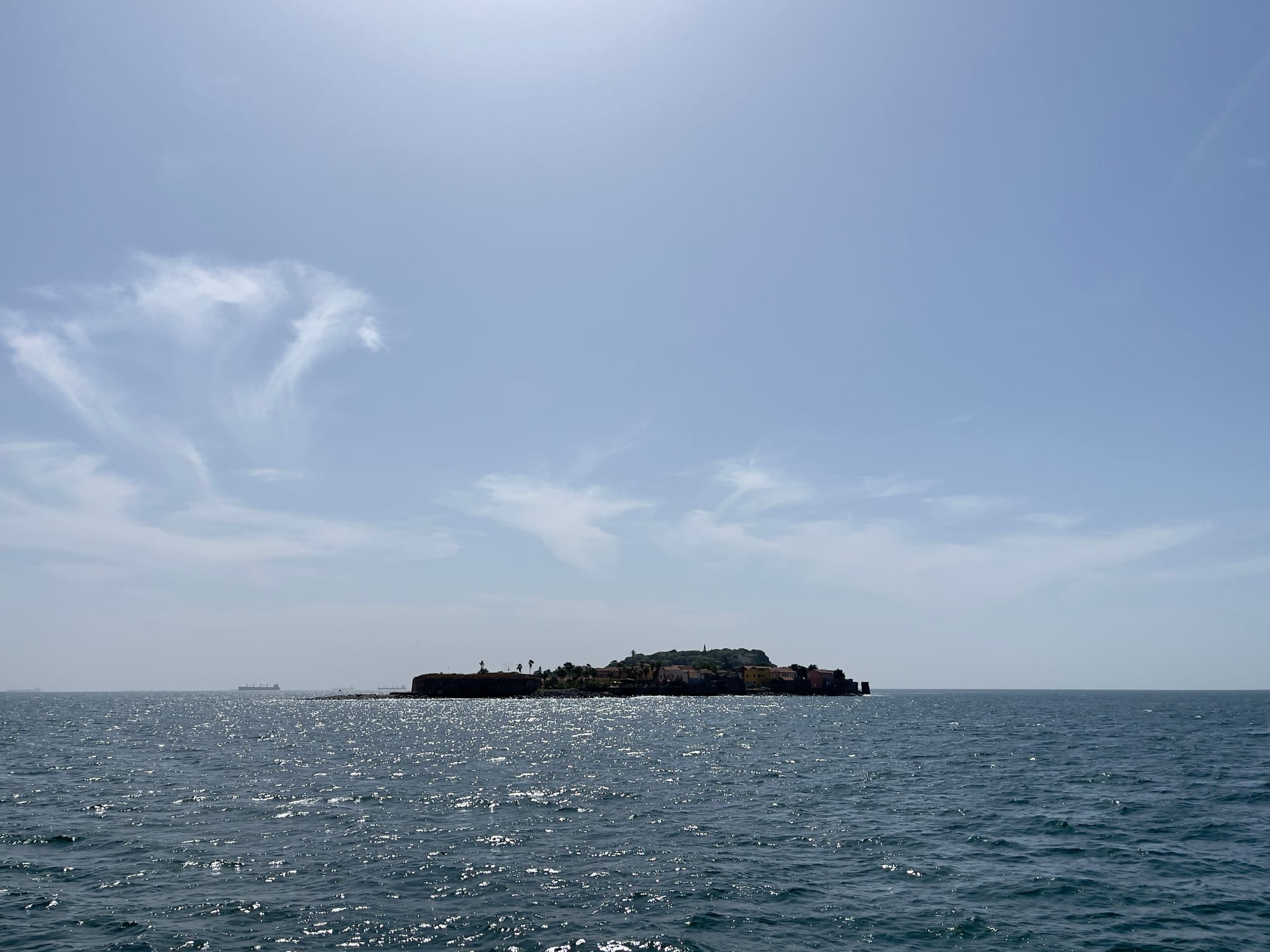
Senegal, on Africa's westernmost point, has long served as a gateway between Africa, Europe, and the Americas — a role reflected in landmarks ranging from one of the most significant slave-trade memorial sites in the world to a towering modern monument celebrating African identity and rebirth. Its landscape ranges from a striking pink salt lake to wetlands hosting millions of migratory birds, all within a country widely regarded as one of West Africa's more politically stable and accessible destinations.
The five below run from Dakar and its surrounding sites to Senegal's northern coast. The dry season (roughly November to May) is generally the easiest time to visit.
1. Gorée Island
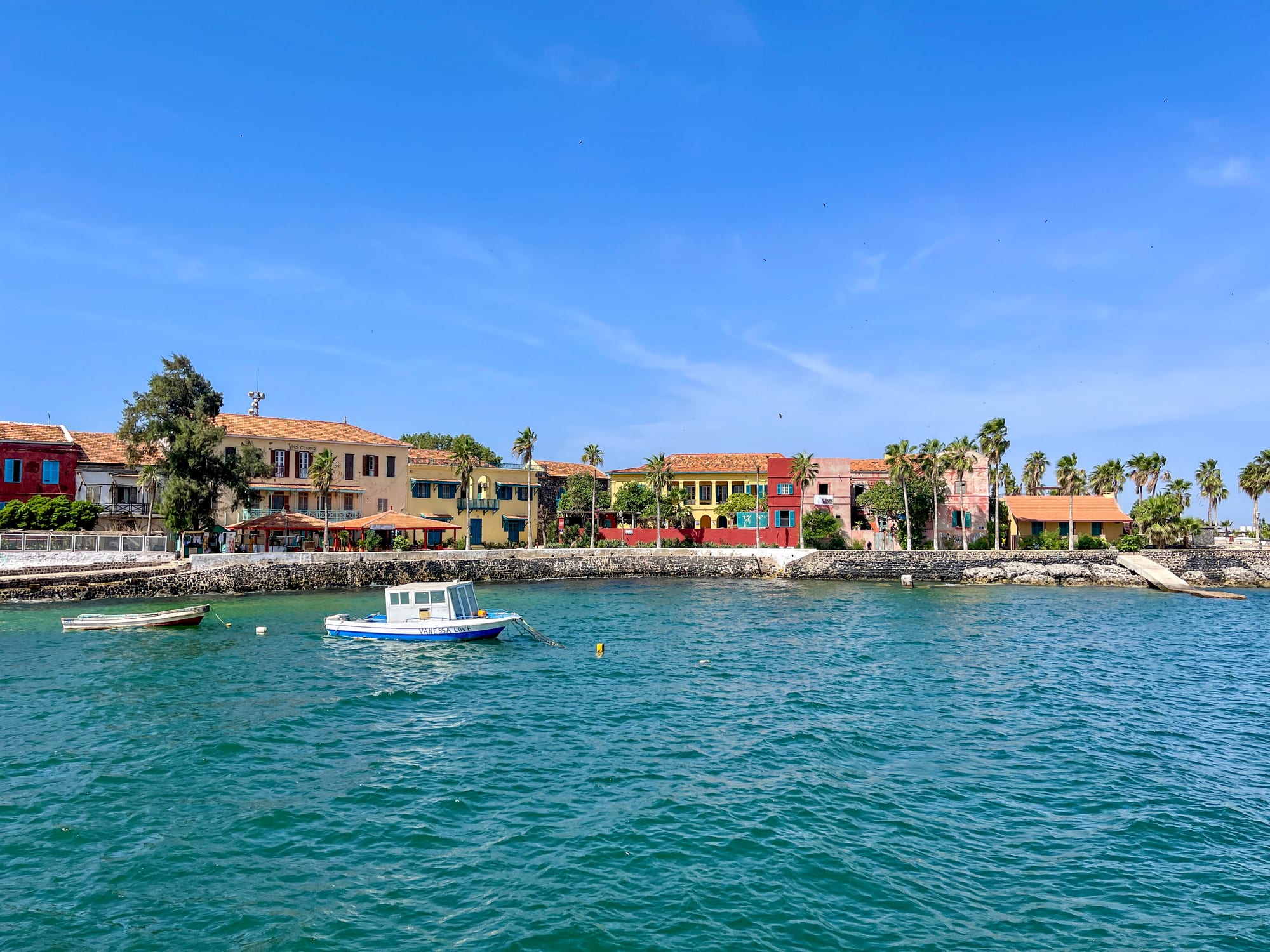
Gorée Island, a short ferry ride from Dakar, served for centuries as a trading post connected to the transatlantic slave trade, and its House of Slaves museum, with its "Door of No Return" facing the Atlantic, stands as one of the most visited and emotionally direct memorials to that history anywhere in the world. A UNESCO World Heritage Site, the island's colonial architecture and quiet, car-free streets now sit alongside this weighty history.
2. The African Renaissance Monument
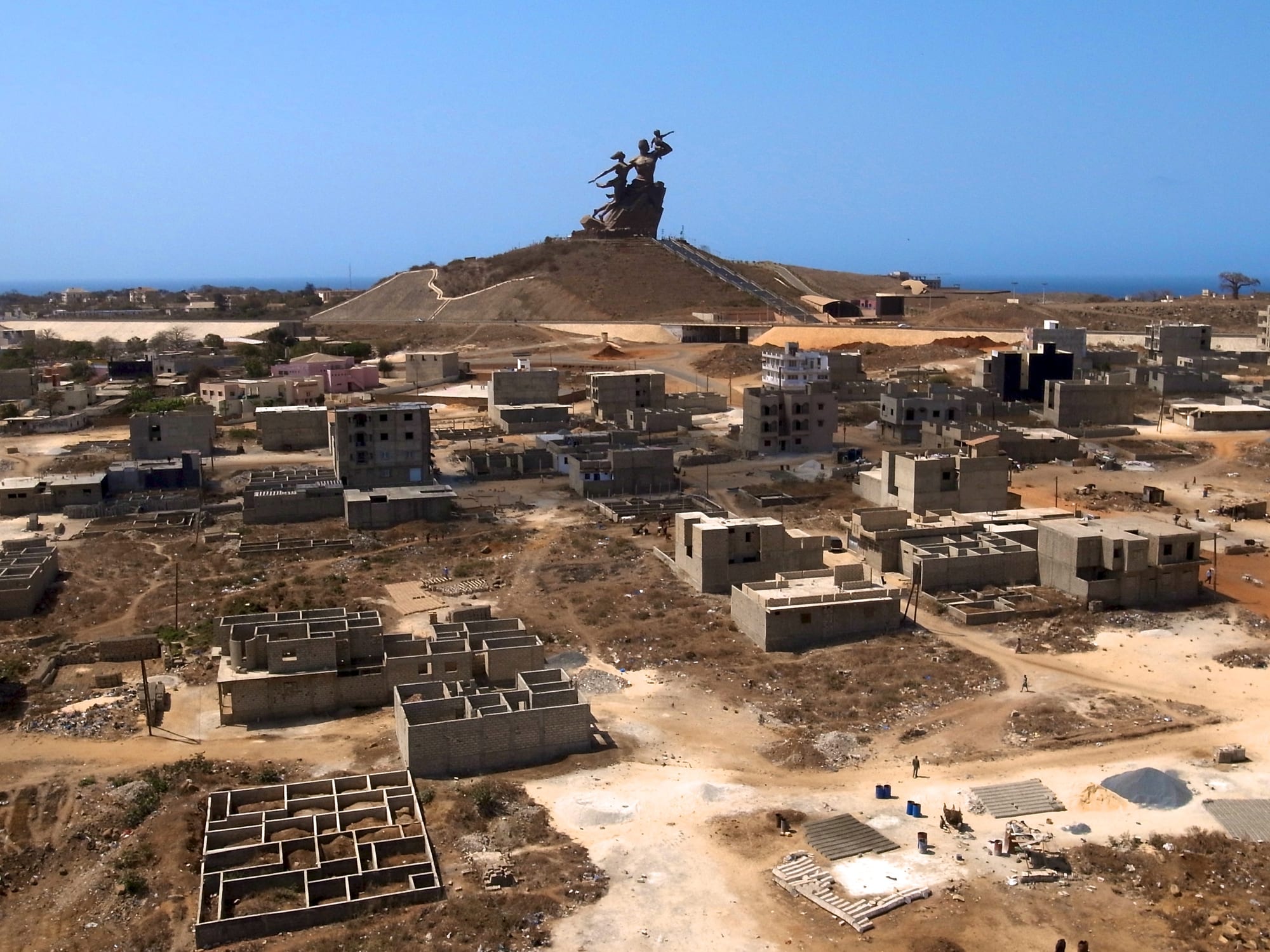
The African Renaissance Monument, unveiled in Dakar in 2010 to mark 50 years of Senegalese independence, depicts a man, woman, and child emerging together toward the future — at 49 metres, taller than the Statue of Liberty and among the tallest statues on the African continent. An observation deck inside the monument's headwear gives sweeping views over Dakar and the Atlantic coast.
3. Lac Rose (the Pink Lake)
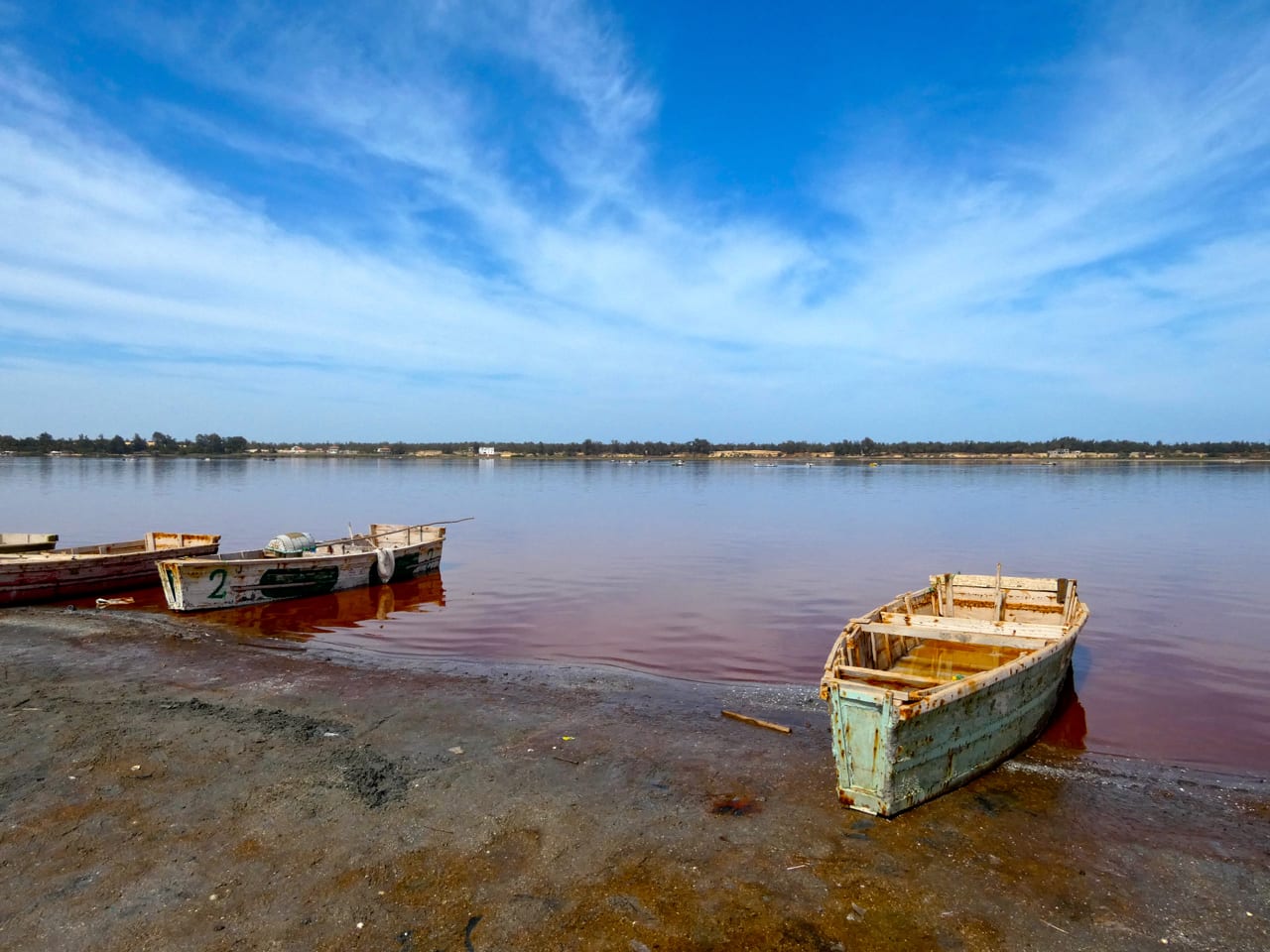
Lac Rose, a shallow lake northeast of Dakar, owes its striking pink colour to a salt-loving algae (Dunaliella salina) that thrives in its exceptionally high salinity — among the highest of any body of water on earth, comparable to the Dead Sea. Workers still harvest salt from the lake by hand using traditional methods, wading in and scooping salt from the lakebed, a practice visitors can watch firsthand.
4. Djoudj National Bird Sanctuary
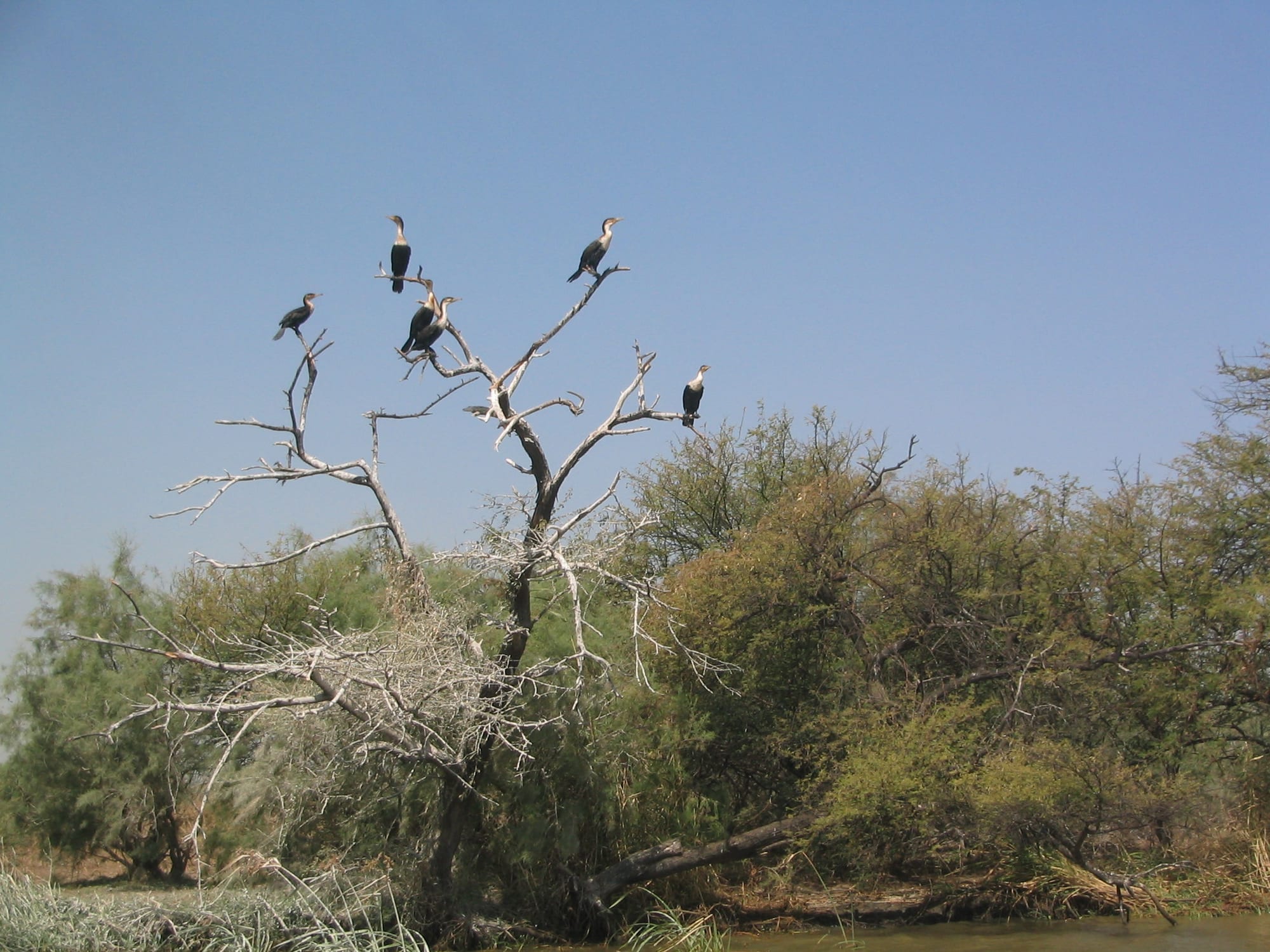
Djoudj National Bird Sanctuary, a wetland reserve in Senegal's far north, hosts millions of migratory birds each year — pelicans, flamingos, cormorants, and herons among them — making it one of the most significant bird sanctuaries in the world and a UNESCO World Heritage Site. Boat tours through its channels give close views of the dense concentrations of birdlife, especially during the peak migration season from roughly November to April.
5. Saint-Louis
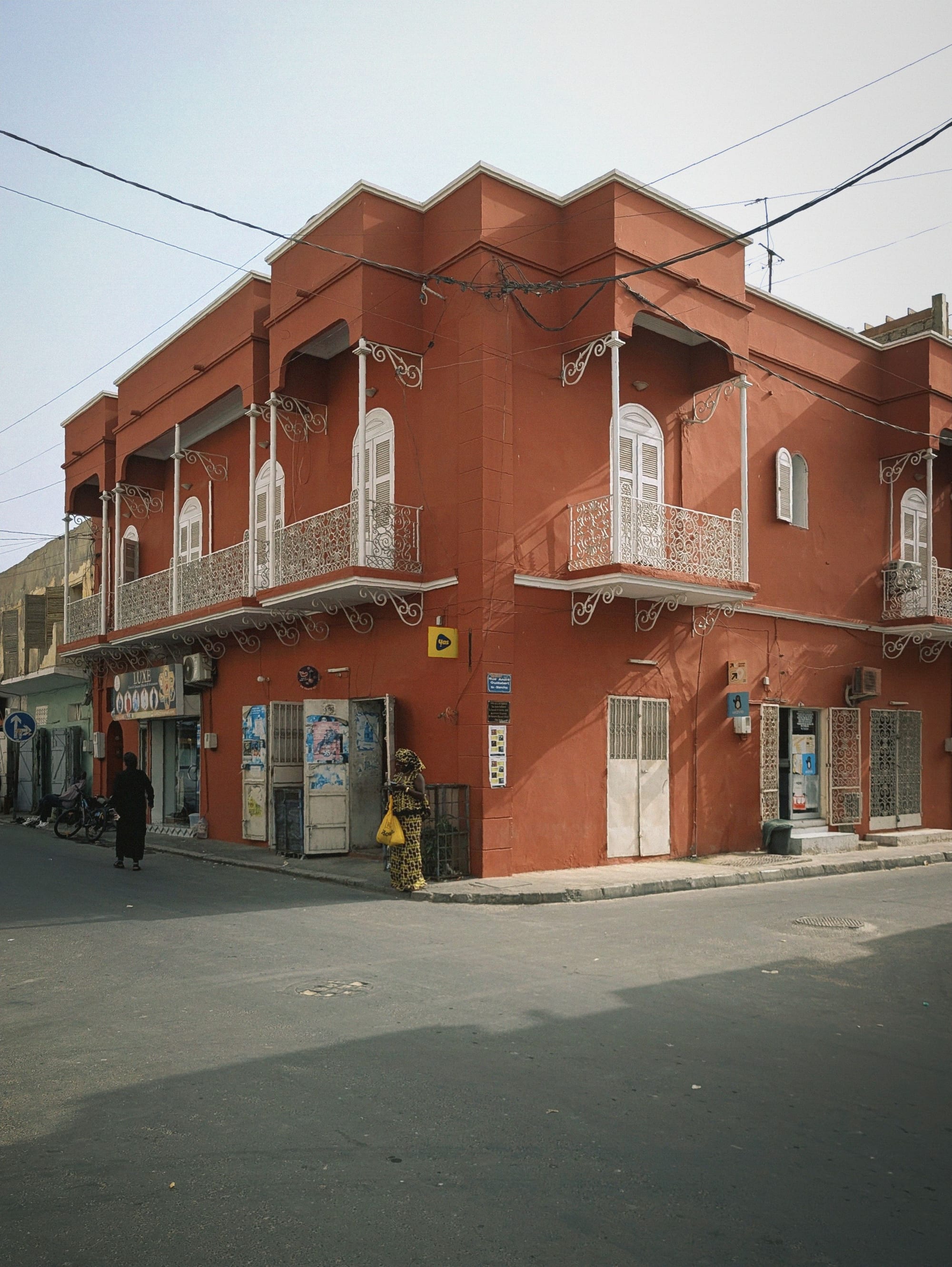
Saint-Louis, on an island in the Senegal River near the country's northern border, served as the capital of French West Africa for over a century and preserves a dense concentration of colonial-era architecture, now a UNESCO World Heritage Site. Its annual jazz festival, one of the longest-running in Africa, has become a major draw in its own right, alongside the town's well-preserved historic streetscape.
Senegal suits a week to ten days combining Dakar and its nearby sites (Gorée, the monument, and Lac Rose) with a trip north to Saint-Louis and Djoudj for those with more time.