Food · Saint Lucia
Saint Lucia: Food and the National Dish
Green banana and salted cod, a colonial-era preservation dish turned island staple on a volcanic Caribbean island now known for single-estate cocoa
By Worldlore Editorial · 16 September 2026
A cuisine shaped by volcanic soil and salted preservation
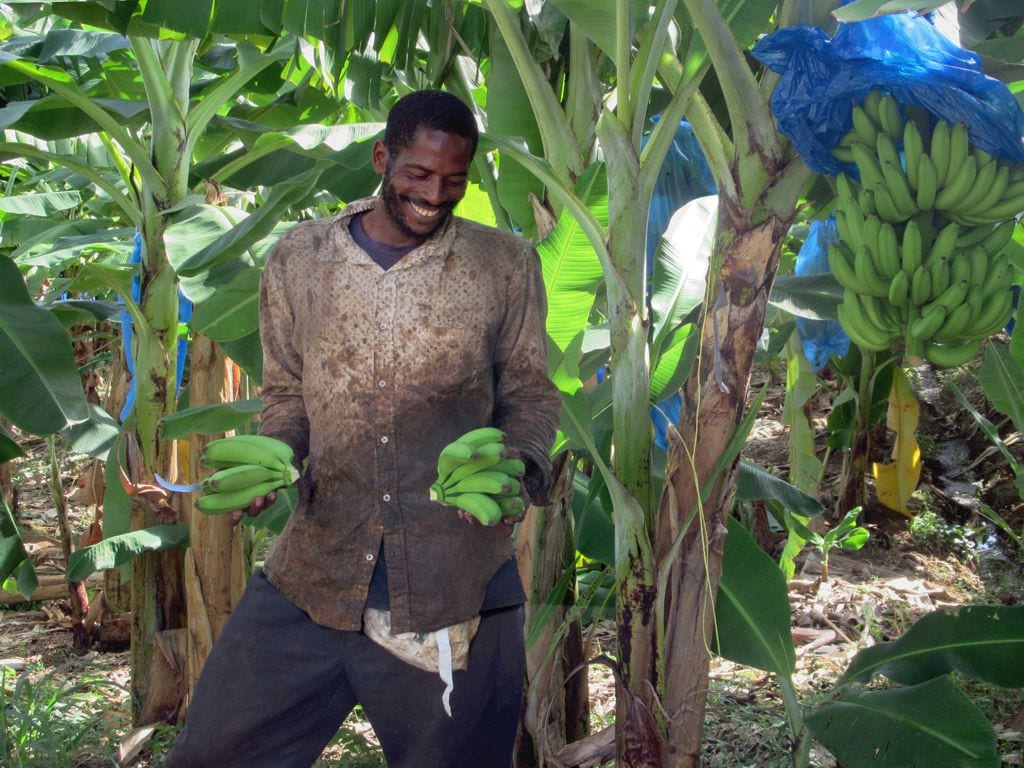
Saint Lucia's food draws on the island's genuinely fertile volcanic soil, good for cocoa, bananas and tropical produce, alongside a food history shaped by the colonial-era practice of preserving fish and meat with salt for long sea voyages, a technique that still defines the island's national dish.
The national dish: green fig and saltfish
Green fig and saltfish, boiled green (unripe) bananas served with salted cod cooked down with onion, tomato and peppers, is Saint Lucia's national dish. Salted cod, imported from the North Atlantic during the colonial era as an affordable, long-lasting protein for enslaved communities and later working-class households, paired with the island's own green bananas to create a dish still eaten across Saint Lucia today, especially at breakfast.
Cocoa, banana and a genuinely volcanic pantry
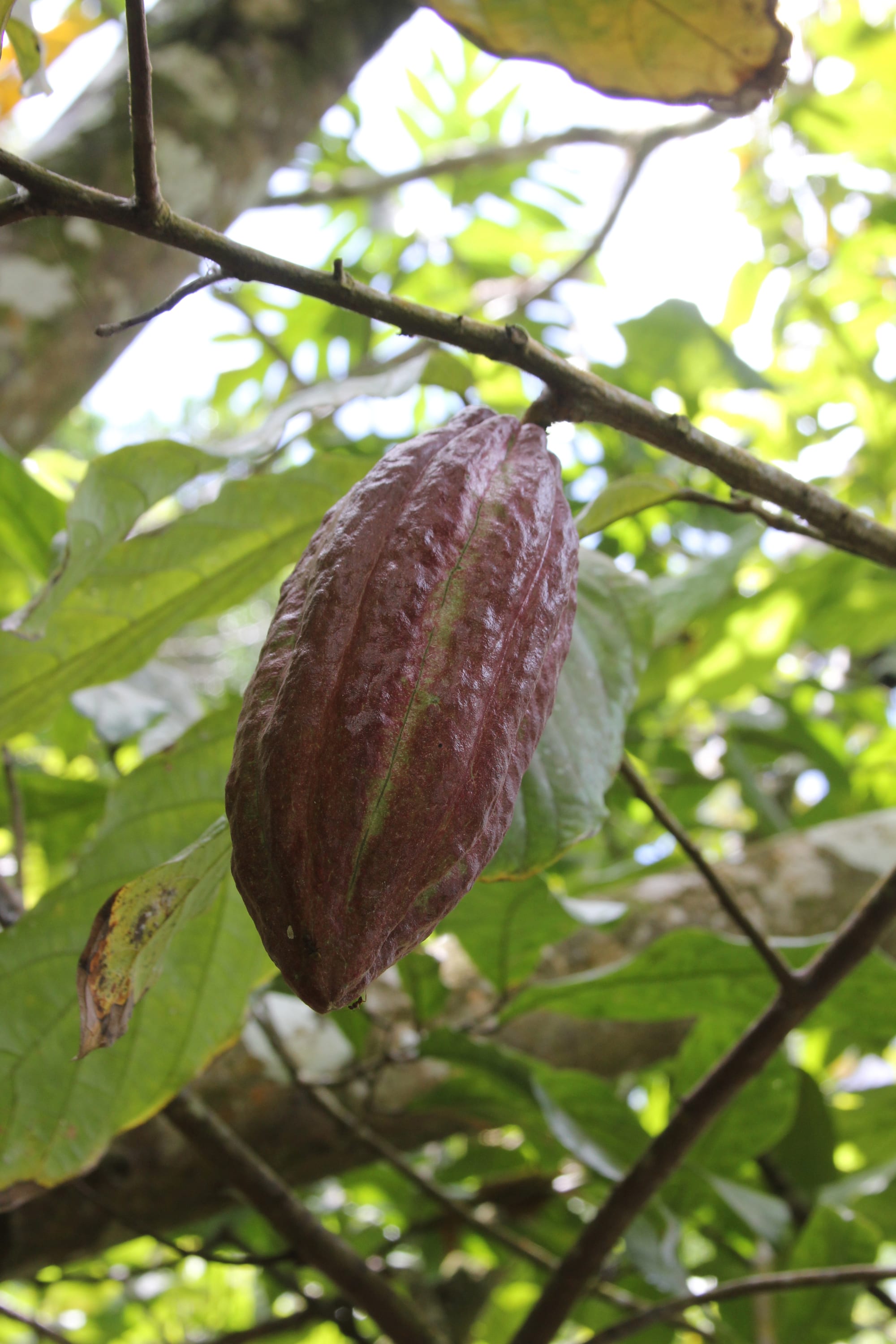
Cocoa, grown on Saint Lucia's volcanic soil and increasingly processed into single-estate chocolate rather than exported as raw beans, and bananas, historically the island's dominant export crop, anchor much of the island's food economy. Breadfruit, plantain and fresh seafood round out a pantry shaped by both the island's own produce and its history of imported salted staples.
History behind the salt
Salted cod became a staple across much of the Caribbean, including Saint Lucia, because it could survive long ocean voyages from North Atlantic fishing grounds without refrigeration, a practical solution that colonial plantation economies relied on to cheaply feed enslaved and working populations. That history explains why a fish never caught anywhere near Saint Lucia became so central to the island's food identity, paired with the green bananas genuinely grown on the island itself.
Dishes to know
Five more to recognise across Saint Lucia:
- Bakes — fried or baked dough, commonly eaten with saltfish for
breakfast.
- Callaloo — a leafy green stew, sometimes with crab or saltfish
added.
- Accra — saltfish fritters, a common snack across the island.
- Rôti — a flatbread wrapped around curried filling, reflecting
Indian indentured-labour influence.
- Single-estate chocolate — bean-to-bar chocolate produced from cocoa
grown at estates like Rabot on the island itself.
Drinks
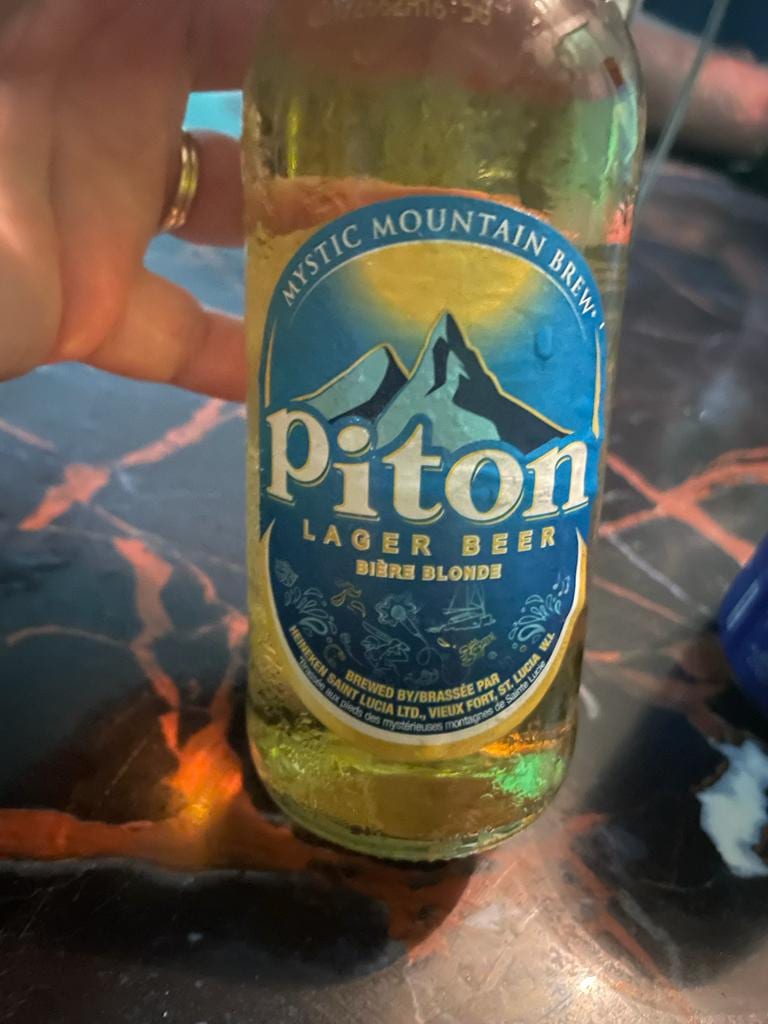
Piton, the island's own lager, is Saint Lucia's best-known local beer. Cocoa tea, made from the island's own cocoa and spiced with cinnamon and nutmeg, is a genuine traditional breakfast drink, and rum, distilled locally, is widely enjoyed.
Eating as a traveller
Vegetarians will find breadfruit, plantain and vegetable-based dishes manageable, though saltfish is central to the island's best-known dish. Tap water is generally safe to drink in Saint Lucia. Trying green fig and saltfish at breakfast, the way many Saint Lucian households genuinely eat it, offers a real taste of the island's national dish.
What to take from the table
Green fig and saltfish, pairing an imported preserved fish with the island's own green bananas, captures Saint Lucia's food history directly: shaped as much by colonial-era trade routes as by what actually grows on its volcanic soil.