Attractions & Natural Wonders · Saint Kitts and Nevis
Saint Kitts and Nevis: Six Attractions and Natural Wonders
A hilltop fortress once called the Gibraltar of the West Indies, a narrow-gauge railway built for sugar cane and now carrying sightseers instead, and a dormant volcano usually wrapped in its own private cloud
By Worldlore Editorial · 10 September 2026
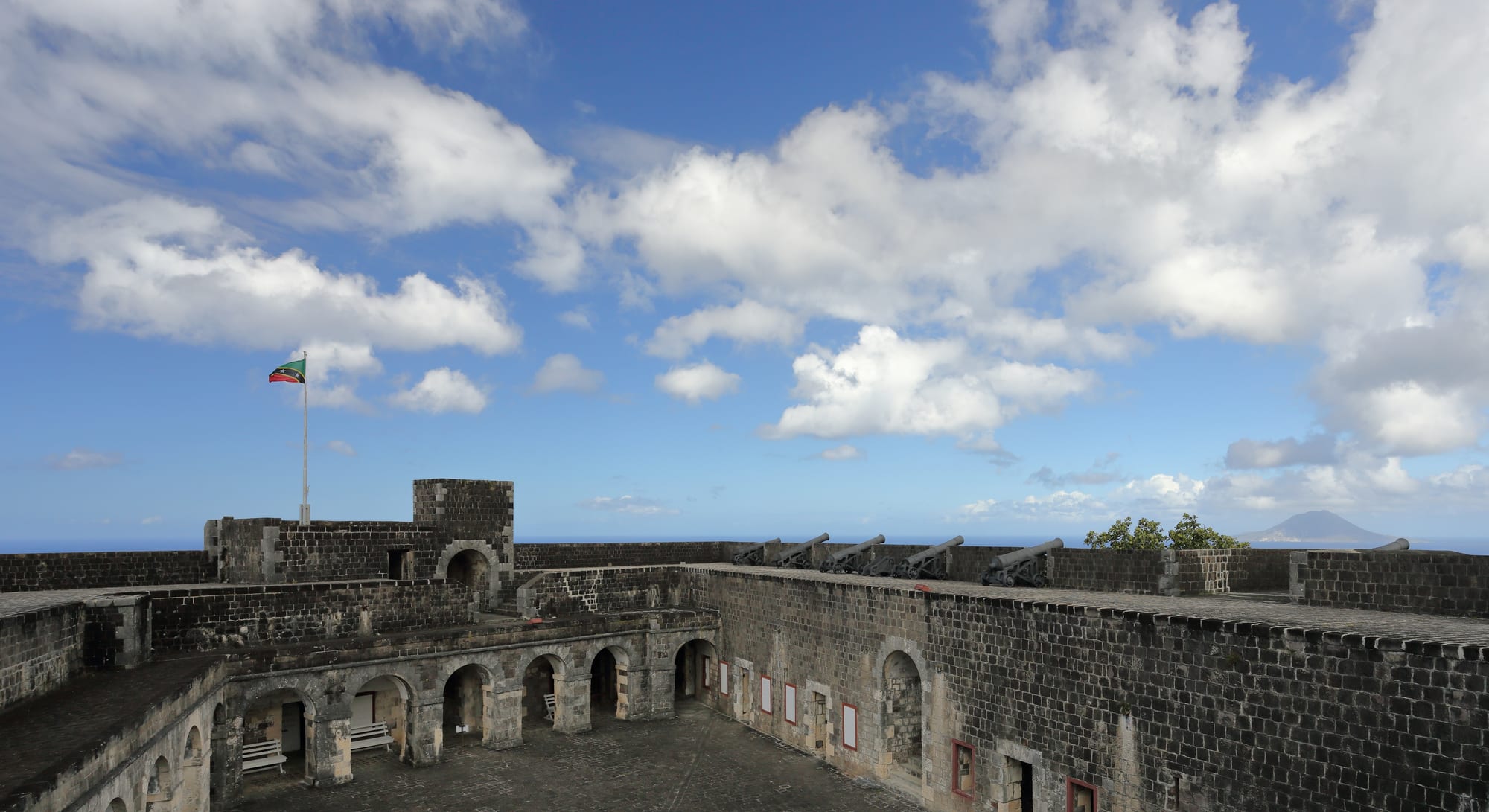
Twin volcanic islands with a shared colonial history
Saint Kitts and Nevis, the smallest sovereign nation in the Americas by both land area and population, consists of two volcanic islands separated by a narrow channel, each dominated by its own central peak. Sugar cane defined the islands' economy for centuries under British and French colonial rule, and its legacy — including a former plantation railway now repurposed for tourism — remains visible across both islands today.
The six below are split between Saint Kitts and Nevis. The dry season (roughly December to April) is generally the most popular time to visit.
1. Brimstone Hill Fortress
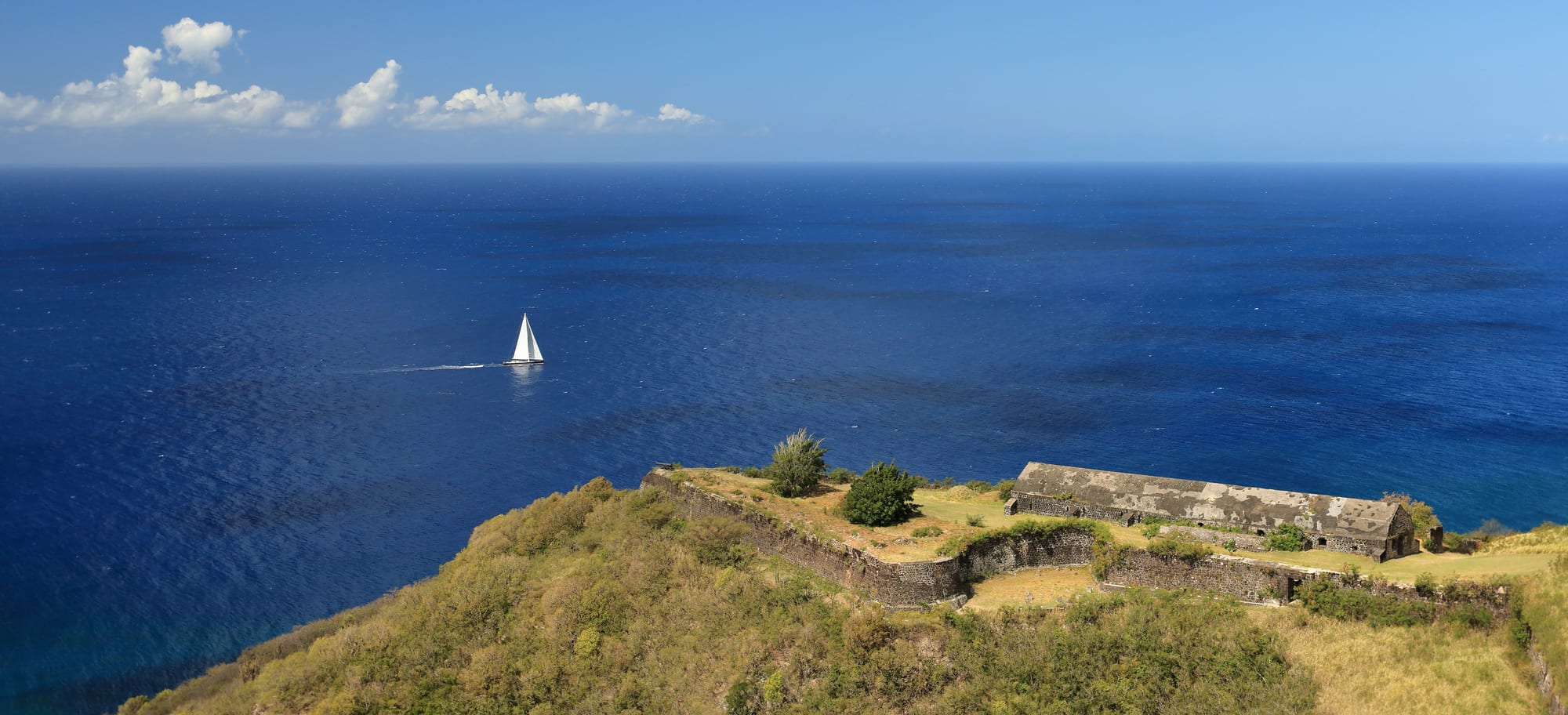
Brimstone Hill Fortress, built by the British beginning in the 17th century using the forced labour of enslaved Africans, earned the nickname "Gibraltar of the West Indies" for its imposing defensive position and near impregnability. Now a UNESCO World Heritage Site, its extensive ruins and sweeping coastal views make it one of the best-preserved colonial military fortifications in the Caribbean.
2. Basseterre
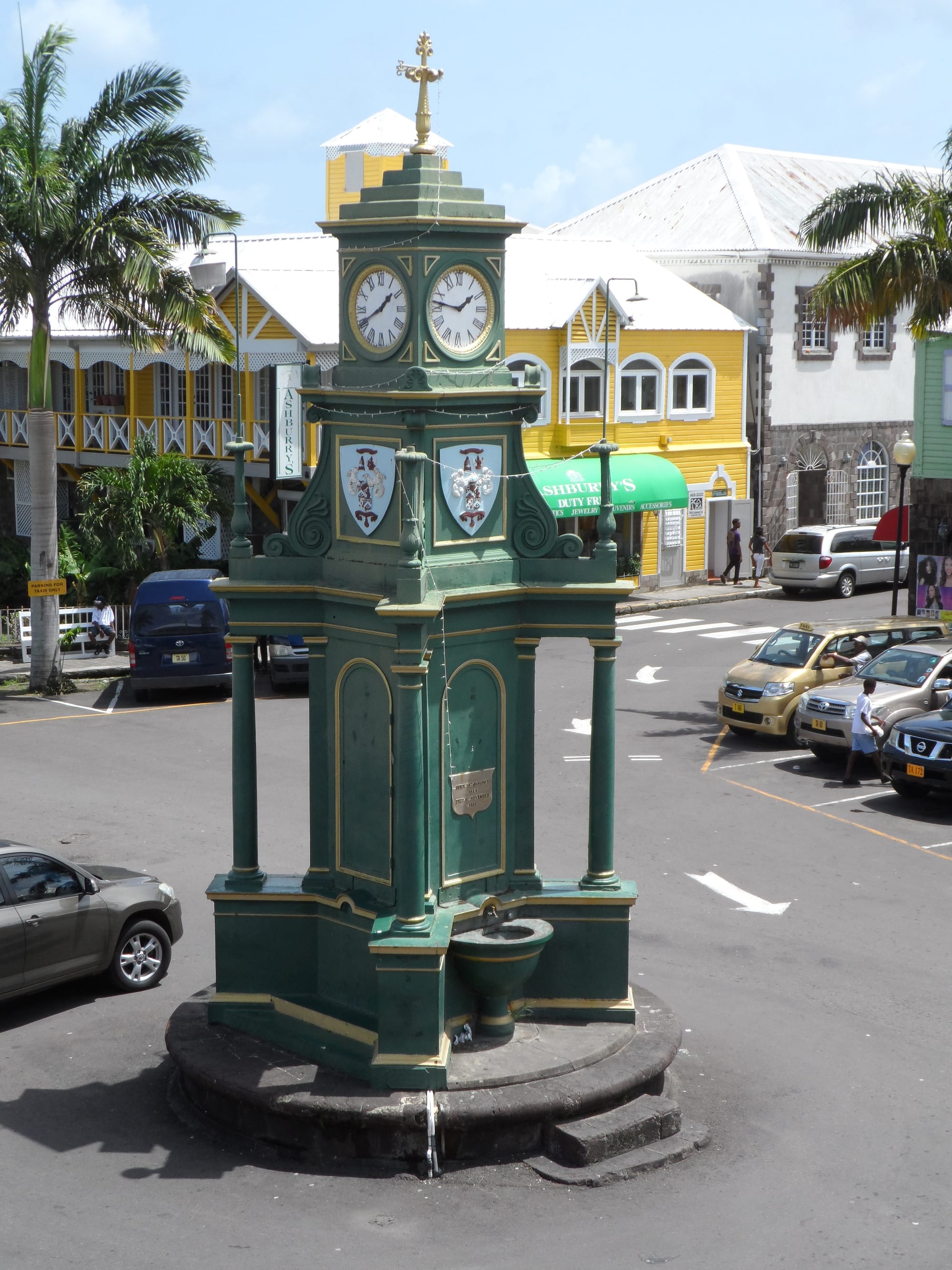
Basseterre, the national capital, centres on the Circus, a small roundabout modelled loosely on London's Piccadilly Circus and marked by the Berkeley Memorial Clock. Georgian-era buildings, a busy cruise port, and a compact historic centre make it an easy city to explore in a few hours before heading further afield.
3. The St Kitts Scenic Railway
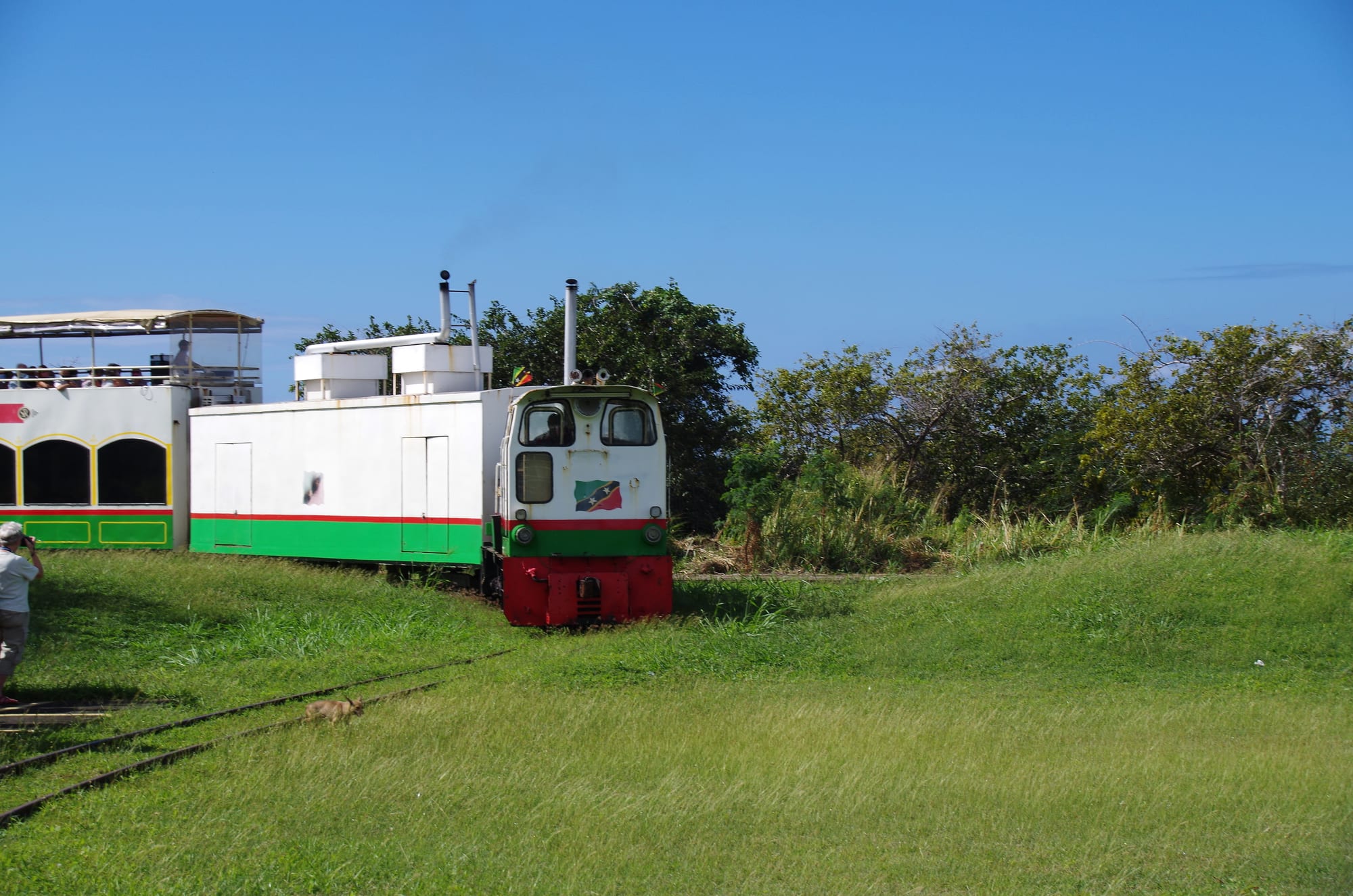
The St Kitts Scenic Railway runs on a narrow-gauge track built in the early 20th century to haul sugar cane around the island's coastal perimeter, now repurposed as a double-decker sightseeing train giving panoramic views of the coastline, rainforest, and volcanic peak that a road route would miss. It is one of the more distinctive ways to see the island, following a route unavailable to any other form of transport.
4. Nevis Peak
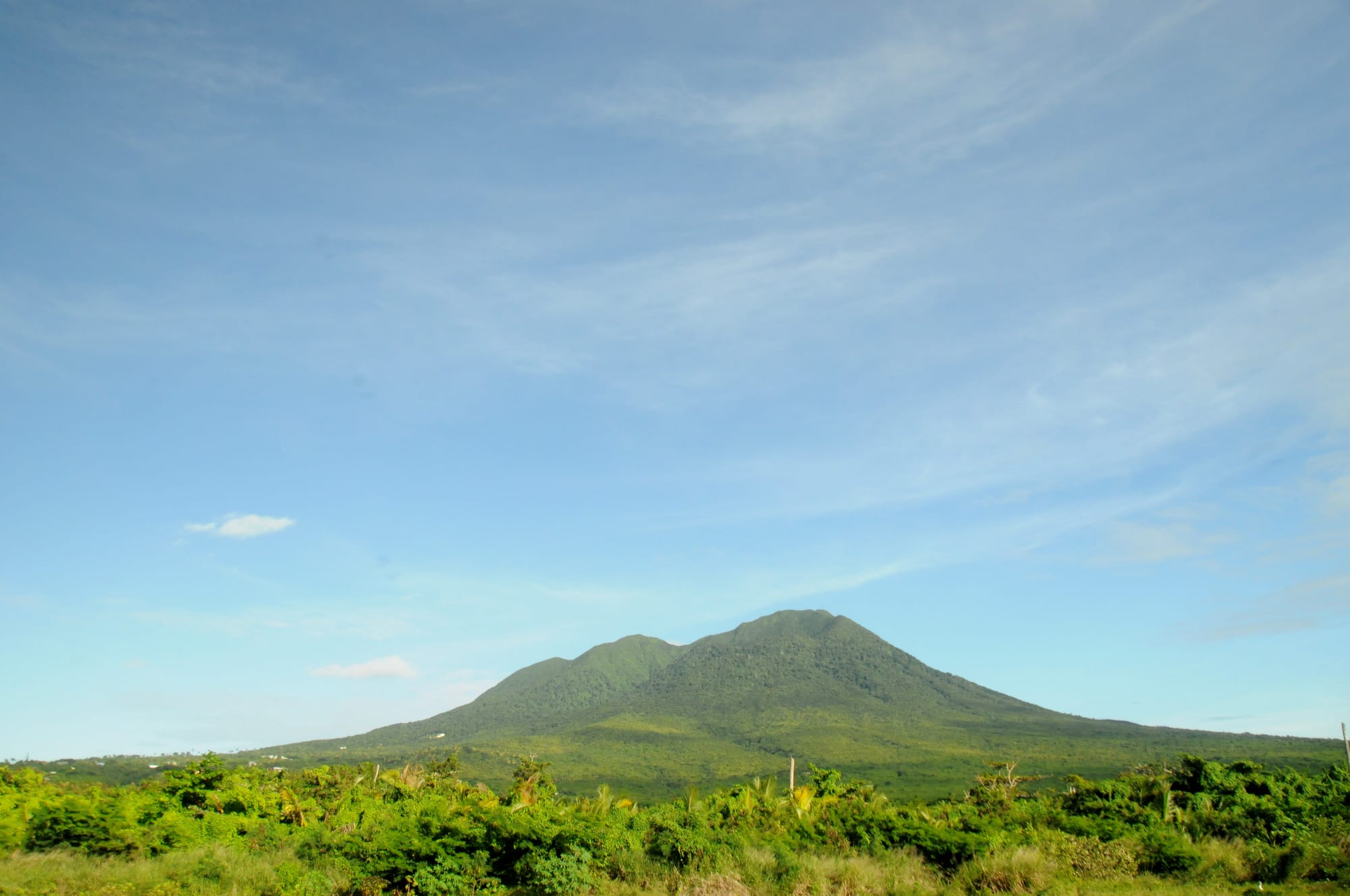
Nevis Peak, the dormant volcano that gives the island its distinctive silhouette, is so often wrapped in cloud that early sailors reportedly named the island "Nuestra Señora de las Nieves" (Our Lady of the Snows) after its snow-like cap. A demanding hike leads to the summit through rainforest, rewarded on clear days with views across to Saint Kitts and neighbouring islands.
5. Pinney's Beach, Nevis
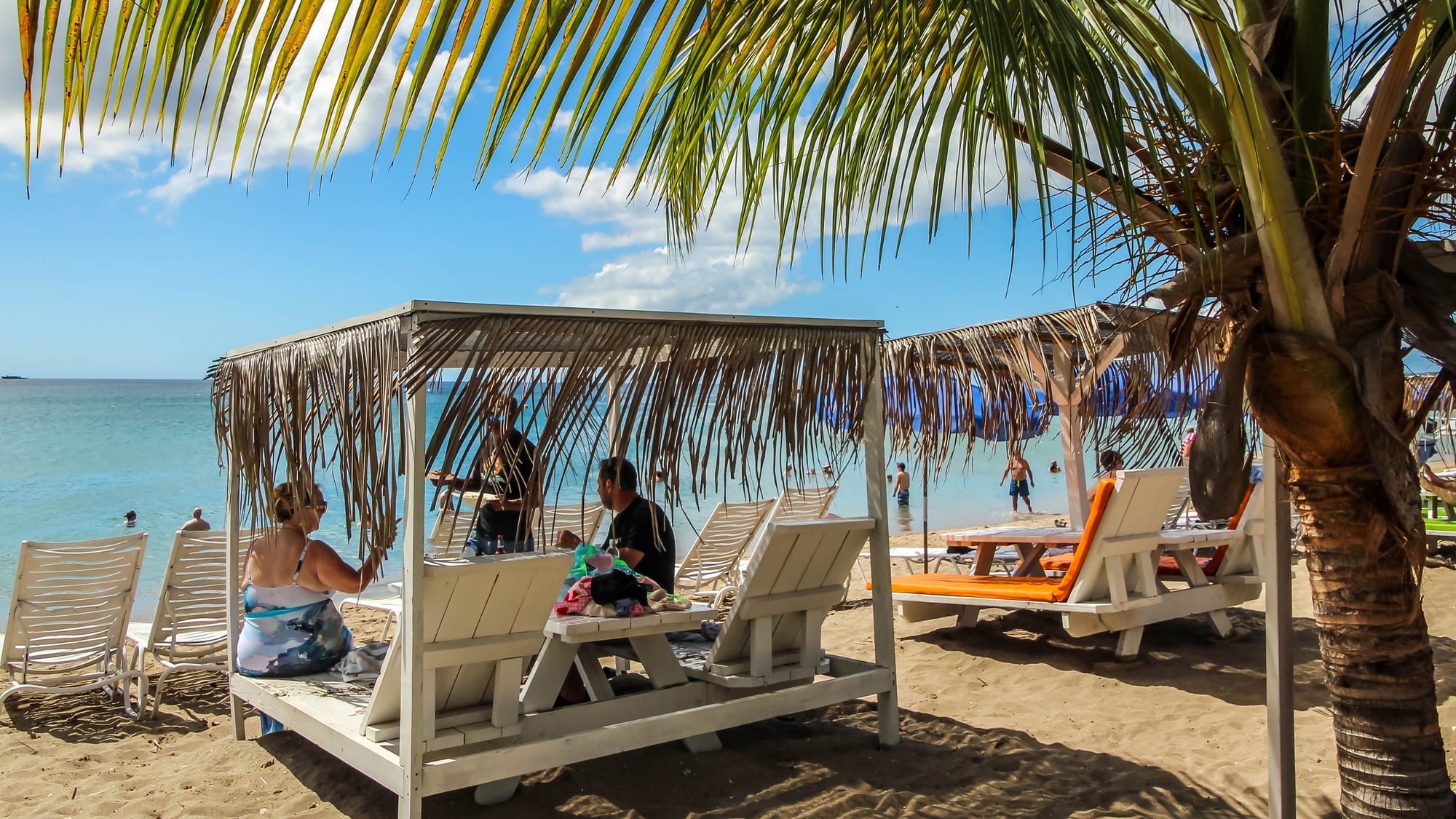
Pinney's Beach, stretching along Nevis's western coast, is the island's most popular beach, lined with palm trees and a scattering of low-key beach bars rather than the dense resort development found elsewhere in the Caribbean. Its calm, shallow water and views back toward Saint Kitts make it a relaxed counterpoint to the historical sightseeing on the larger island.
6. Charlestown
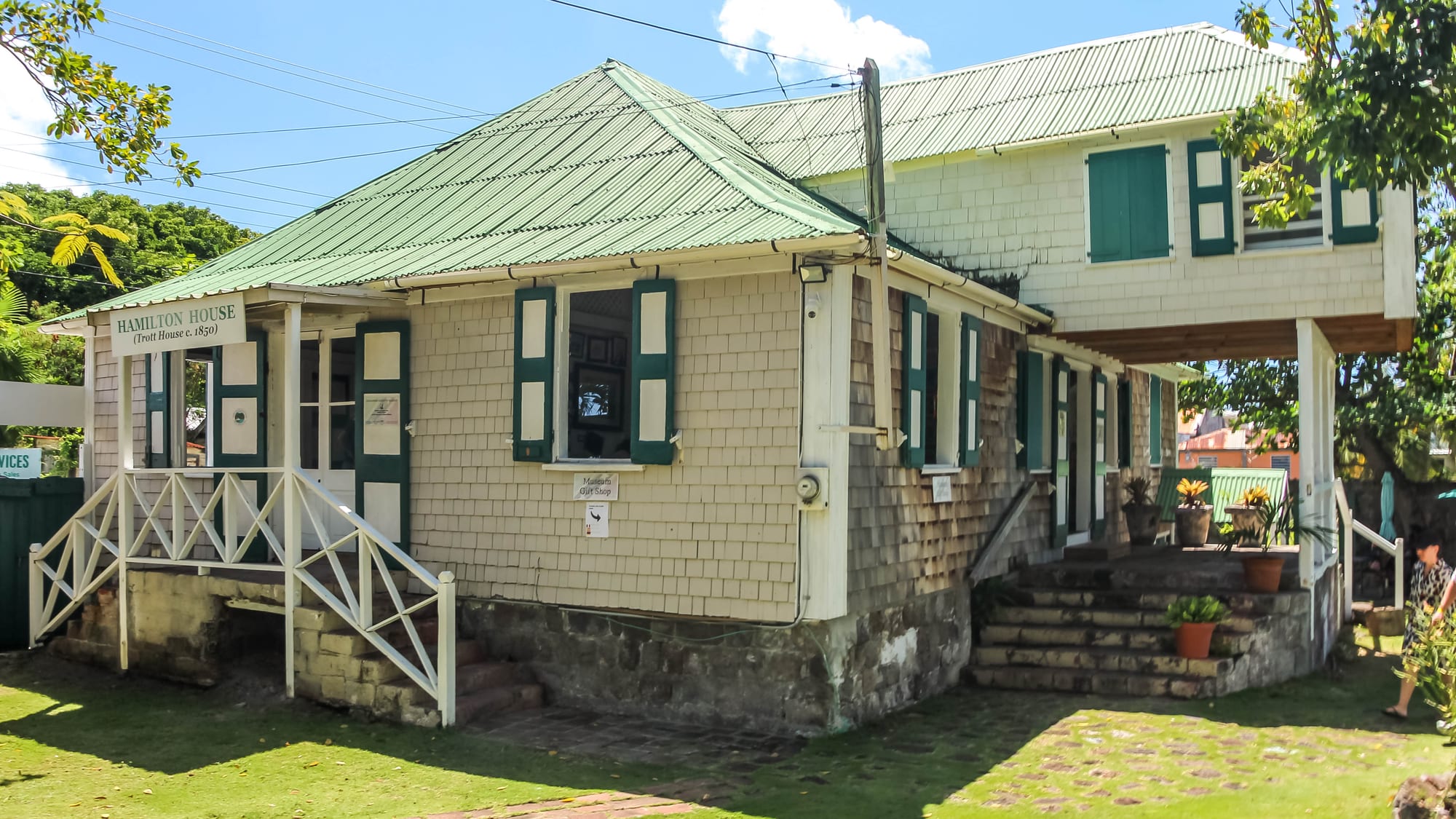
Charlestown, Nevis's small, unhurried capital, is the birthplace of Alexander Hamilton, one of the founding fathers of the United States, whose childhood home is preserved as a museum documenting both his life and the island's broader colonial history. The town's compact, low-rise streets give a strong sense of Nevis's quieter character compared with its larger sister island.
Saint Kitts and Nevis suits a relaxed week: Brimstone Hill, Basseterre, and the Scenic Railway on Saint Kitts, combined with a short ferry hop to Nevis for its beaches and volcano hike.