Daily Life · Saint Kitts and Nevis
Saint Kitts and Nevis: A Federation of Two Rhythms
One of the smallest countries on Earth, split into a busier main island and a quieter, self-governing twin, held together by a short ferry crossing, cricket, and a shared church calendar
By Worldlore Editorial · 30 September 2026
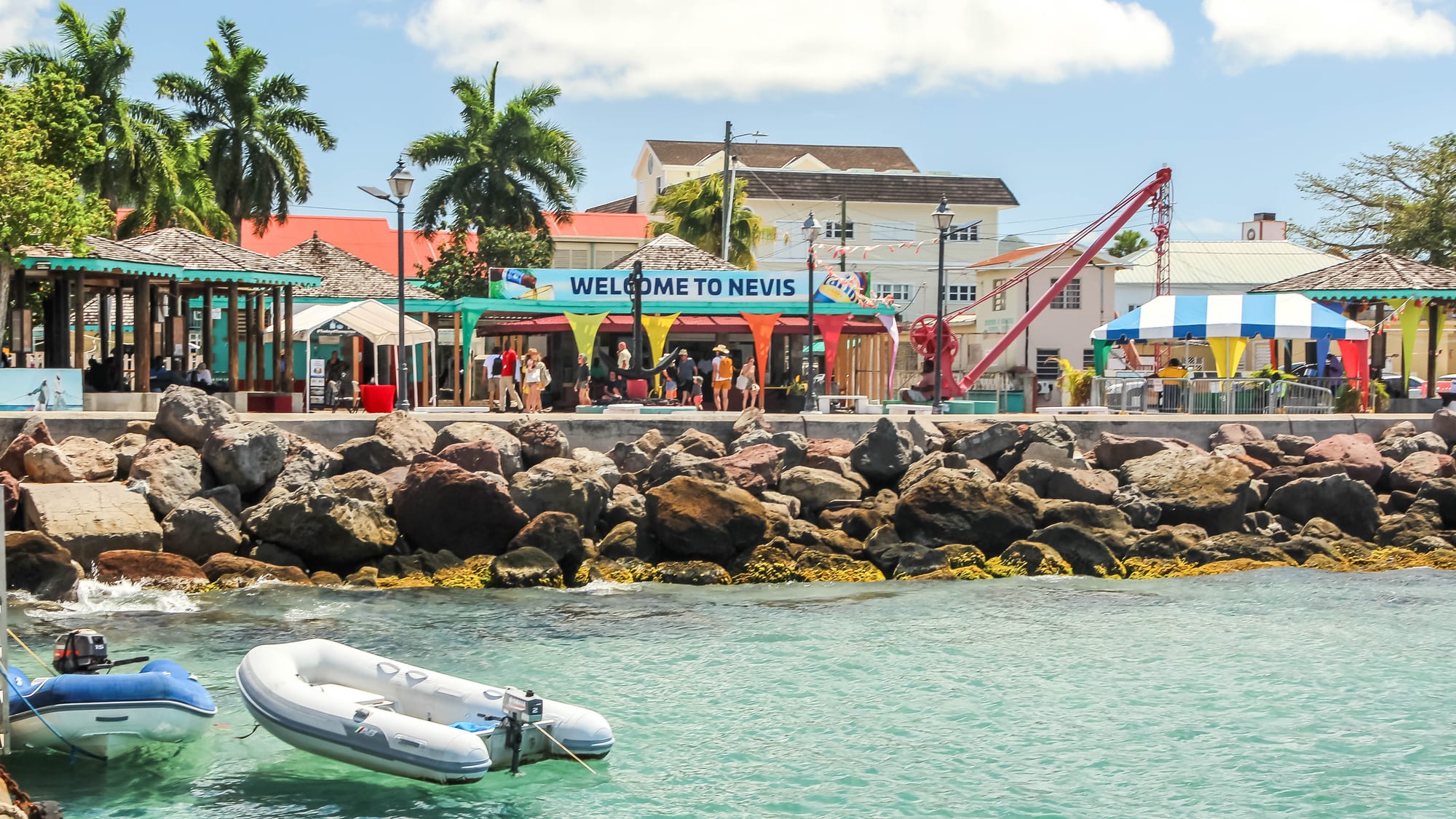
Saint Kitts and Nevis is one of the smallest sovereign states in the world, and it runs, in effect, as two small countries sharing one government. Most people live on Saint Kitts, around the capital Basseterre, where the day starts early at the waterfront market and cricket commentary drifts from car radios. A short ferry ride across The Narrows, Nevis keeps its own assembly, its own slower pace, and a character built around old plantation great-houses rather than a capital's bustle. Church, family, and the rhythm of small-island commerce hold both islands together.
Family and home life
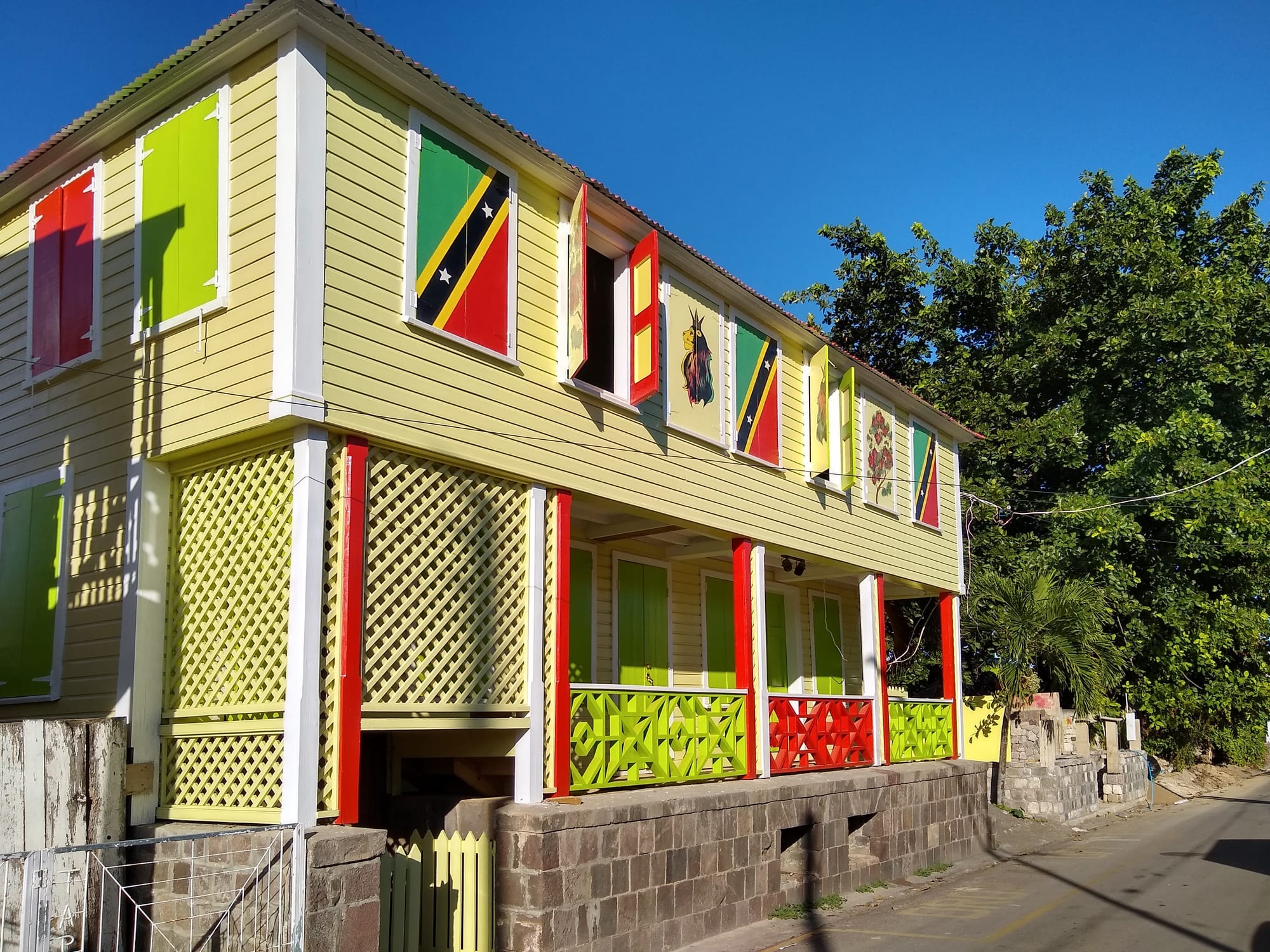
Households here are small by regional standards and have been shrinking: the 2021–2022 census recorded an average of 2.37 people per household, down from 2.84 on Saint Kitts at the 2011 census, as smaller households have become more common. Even so, extended family still matters in practice — grandparents, aunts, and cousins are often close by, and childcare and household decisions are shared across a wider network than the household count alone suggests. Homes on Saint Kitts range from modest concrete houses to the wooden, shuttered gingerbread-style buildings still standing in older neighbourhoods, while Nevis is known for its restored stone-and-timber plantation houses, some of them centuries old.
Work, school and the rhythm of the day
Education is compulsory from age five to sixteen, and the school day runs from the morning into the afternoon, broken by a midday lunch period. Most working adults are employed in tourism, government, financial services, or small trade, with the working week generally Monday to Friday and Saturday mornings busy with errands and market shopping. The old sugar industry, once the mainstay of both islands, closed for good in 2005, and its place has been taken by cruise and stay-over tourism on Saint Kitts, by boutique hospitality on Nevis, and by the citizenship-by-investment programme the country pioneered in 1984 — the oldest scheme of its kind in the world and a major source of government revenue, though receipts have fallen sharply since 2023.
Community life and public spaces
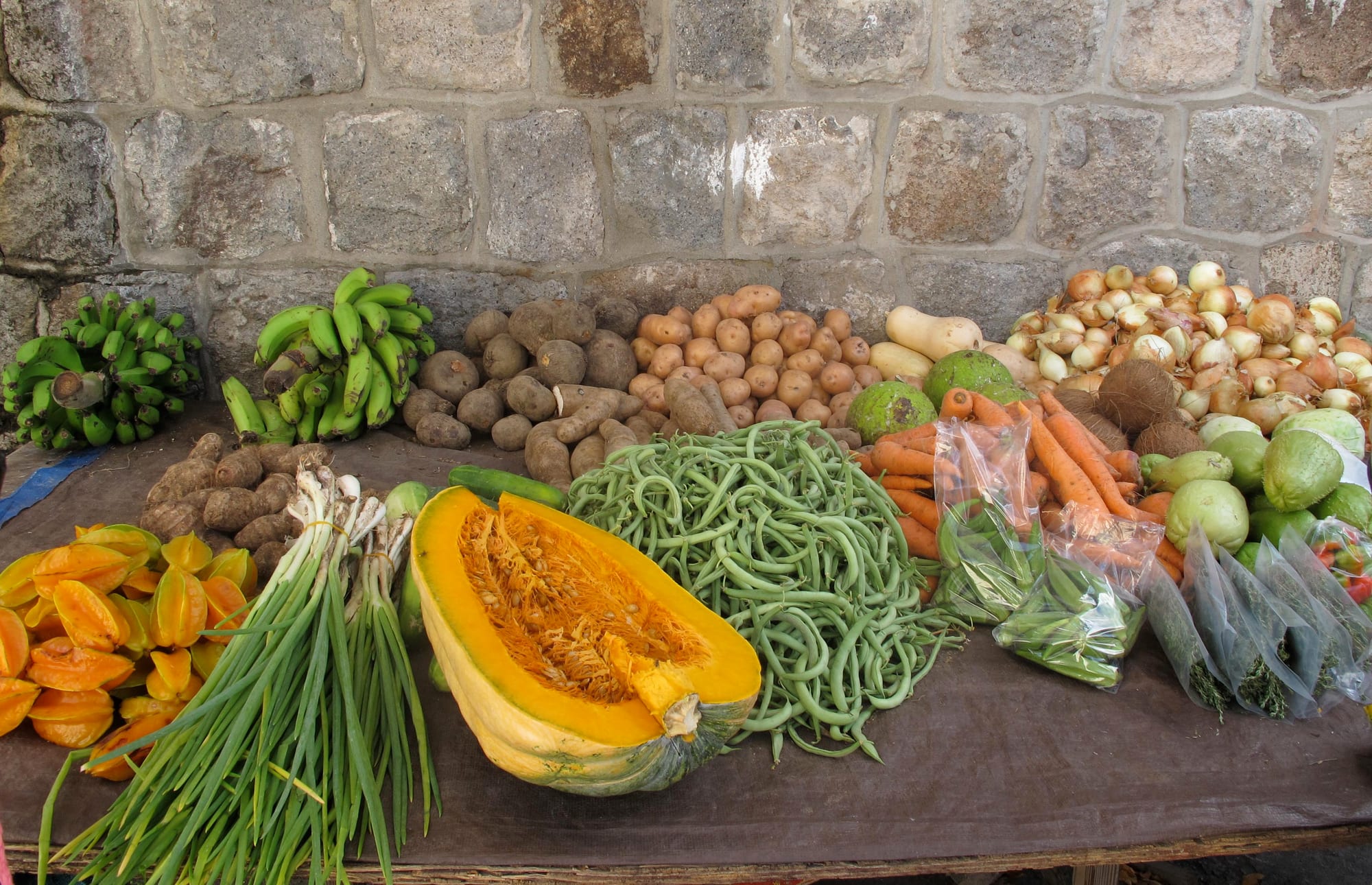
The public market on the Basseterre waterfront is the clearest daily gathering point on Saint Kitts, busiest in the early morning as vendors set out produce and fish. Charlestown on Nevis has its own smaller market and a walkable harbour front centred on the ferry pier, which carries passengers and cargo across The Narrows between the two islands several times a day. Away from the markets, privately run minibuses and fixed-rate taxis are the main way people without a car get around, and church buildings, found in nearly every settlement, anchor community life at the neighbourhood level.
Free time and weekends
Cricket is the sport that pulls people together nationwide, followed closely on television and radio and played on informal grounds across both islands; the Saint Kitts and Nevis Patriots franchise draws crowds to Basseterre during the regional Caribbean Premier League season. Weekends otherwise centre on church on Sunday, family lunches, and, for those with the means, a trip to the beach on the calmer Caribbean-facing coast. Once a year, Sugar Mas — the carnival on Saint Kitts that runs from mid-December to early January — and Nevis's own Culturama, from late July into early August, bring string bands, costume troupes, and much of the population out onto the streets at once.
A visitor's ordinary day
Most Western and Commonwealth visitors need no visa but must buy an Electronic Travel Authorisation (eTA) online before arriving. Prices are quoted in Eastern Caribbean dollars, but US dollars are accepted almost everywhere, and cards work in hotels and larger restaurants, though smaller vendors and minibuses expect cash. Taxis run on a published fixed-rate sheet rather than a meter, worth checking before setting off. Getting between the islands means the passenger ferry across The Narrows, a crossing of under an hour that runs several times daily; a passenger using a private water taxi instead will pay considerably more for the same trip. Shops in Basseterre and Charlestown generally open by mid-morning and close by early evening, earlier on Sundays.
What to take away
Saint Kitts and Nevis packs two distinct paces of life into one small federation — Basseterre's market-and-cruise-ship bustle on one island, Nevis's unhurried, plantation-house quiet on the other — connected daily by nothing more than a short ferry ride across The Narrows.