History · Republic of the Congo
Republic of the Congo: The River and the Oil
The smaller Congo, on the north bank — a French colony run on forced labour, an early African turn to Marxism, offshore oil, two civil wars in the 1990s, and one man in power for most of forty years
By Worldlore Editorial · 10 September 2026
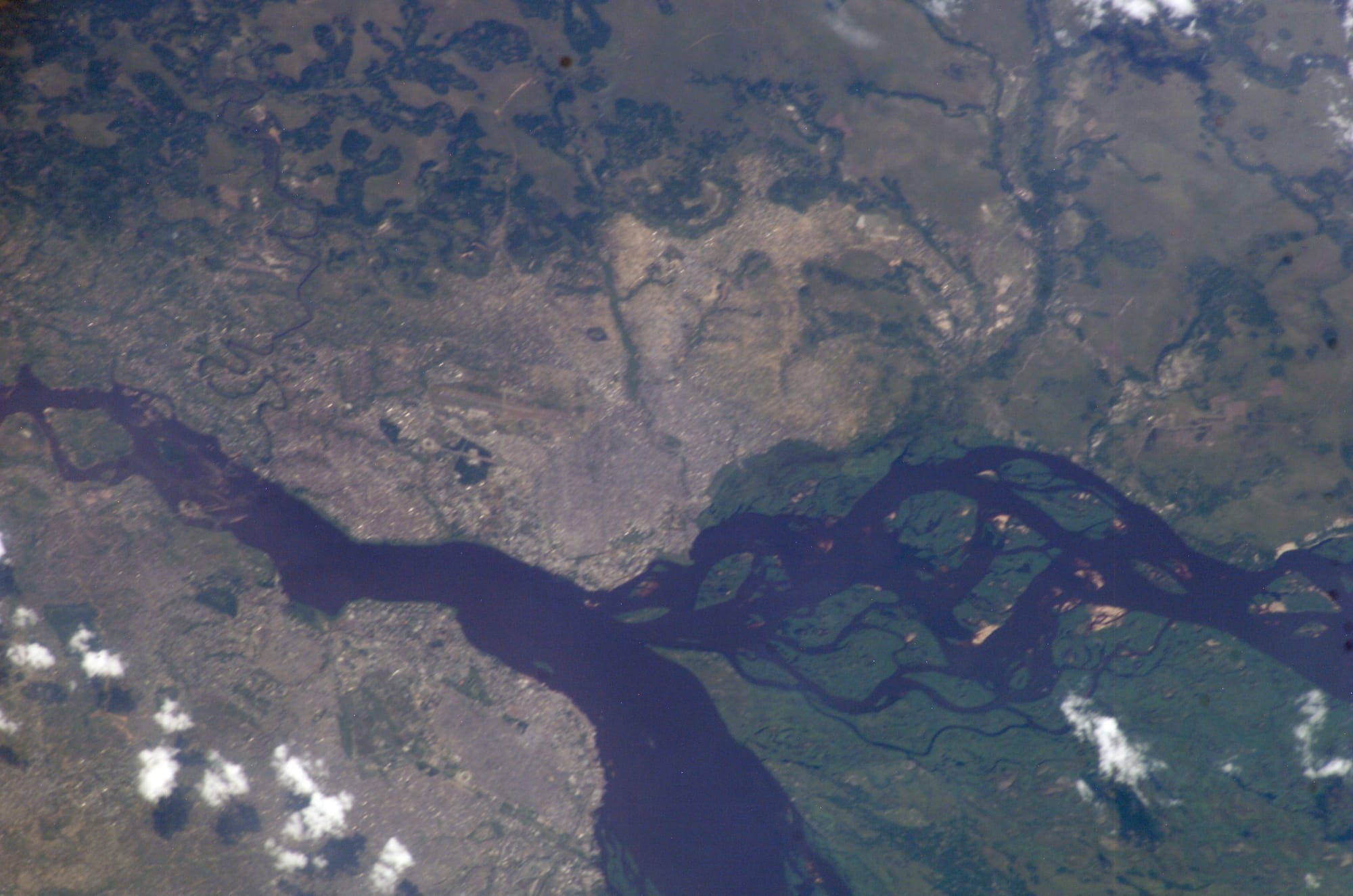
The other Congo
The Republic of the Congo — often "Congo-Brazzaville", to distinguish it from its much larger neighbour across the river — is a country of about 6 million people on the north-western bend of the Congo River, most of them living in the two big cities, Brazzaville and the oil port of Pointe-Noire, with dense rainforest in between. It was the administrative capital of France's entire equatorial African empire, it was one of the first African states to declare itself Marxist-Leninist, and it has been governed, with one seven-year gap, by the same man since 1979.
A short history
- to 1880s
Kingdoms
The Kongo and Teke states; the Atlantic slave trade on the coast.
- 1880
De Brazza's treaty
The Teke ruler cedes land; a French station becomes Brazzaville.
- 1910
French Equatorial Africa
Brazzaville is its federal capital.
- 1921–1934
The Congo–Océan railway
Forced labour kills an estimated 17,000+ workers.
- 1960
Independence
Fulbert Youlou becomes the first president.
- 1969
The People's Republic
A Marxist-Leninist one-party state under the PCT.
- 1979
Sassou Nguesso
Takes power; rules until 1992, then again from 1997.
- 1992–1997
Multiparty experiment
Ends in civil war.
- 1997–1999
Civil war
Militia fighting devastates Brazzaville; Sassou returns by force.
- 2015
Constitutional change
A referendum removes term and age limits.
Kingdoms, and the French station
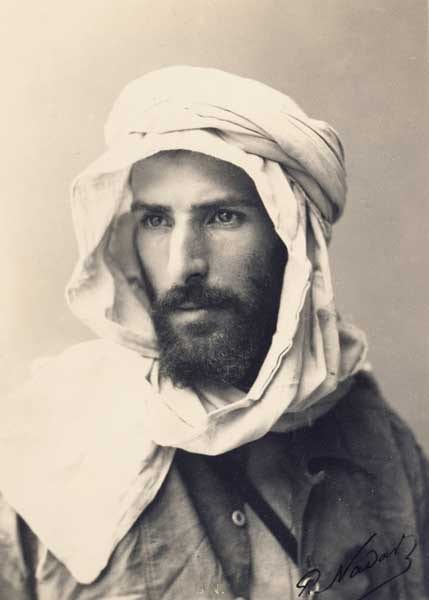
The lower Congo was the northern edge of the Kingdom of Kongo, and the Pool region around present-day Brazzaville was ruled by the Teke (Bateke). The coast fed the Atlantic slave trade for centuries through ports like Loango. In 1880 the Italian-born French officer Pierre Savorgnan de Brazza signed a treaty with the Teke ruler Makoko placing the territory under French protection, and founded the post that bears his name. France organised the region as the colony of Middle Congo within French Equatorial Africa, with Brazzaville as the federation's capital — the seat, in 1944, of the Brazzaville Conference at which Free France sketched a post-war colonial reform.
Concession companies and the railway
French rule in the Middle Congo was, for decades, rule by proxy: the colony was carved into concessions granted to private companies that extracted rubber and ivory using coercion, with abuses comparable to those in King Leopold's Congo across the river. The signature project was the Congo–Océan railway from Brazzaville to Pointe-Noire, built between 1921 and 1934 with conscripted labour drawn from across Equatorial Africa; disease, accidents and brutal conditions killed at least 17,000 workers, and the line became a symbol of the human cost of French colonialism, condemned by writers such as André Gide.
Independence and Marxism
The Middle Congo became independent as the Republic of the Congo on 15 August 1960 under the Catholic priest-turned-politician Fulbert Youlou. He was overthrown in a 1963 popular uprising ("les Trois Glorieuses"), and the country moved steadily left: in 1969 the ruling Congolese Labour Party (PCT) proclaimed a People's Republic of the Congo, Africa's first avowedly Marxist-Leninist state, aligned with the Soviet bloc. A run of coups and assassinations followed until Colonel Denis Sassou Nguesso took the presidency in 1979. Throughout, the real economy increasingly rested on offshore oil, produced from the 1970s and controlled through opaque deals with French company Elf.
Two civil wars
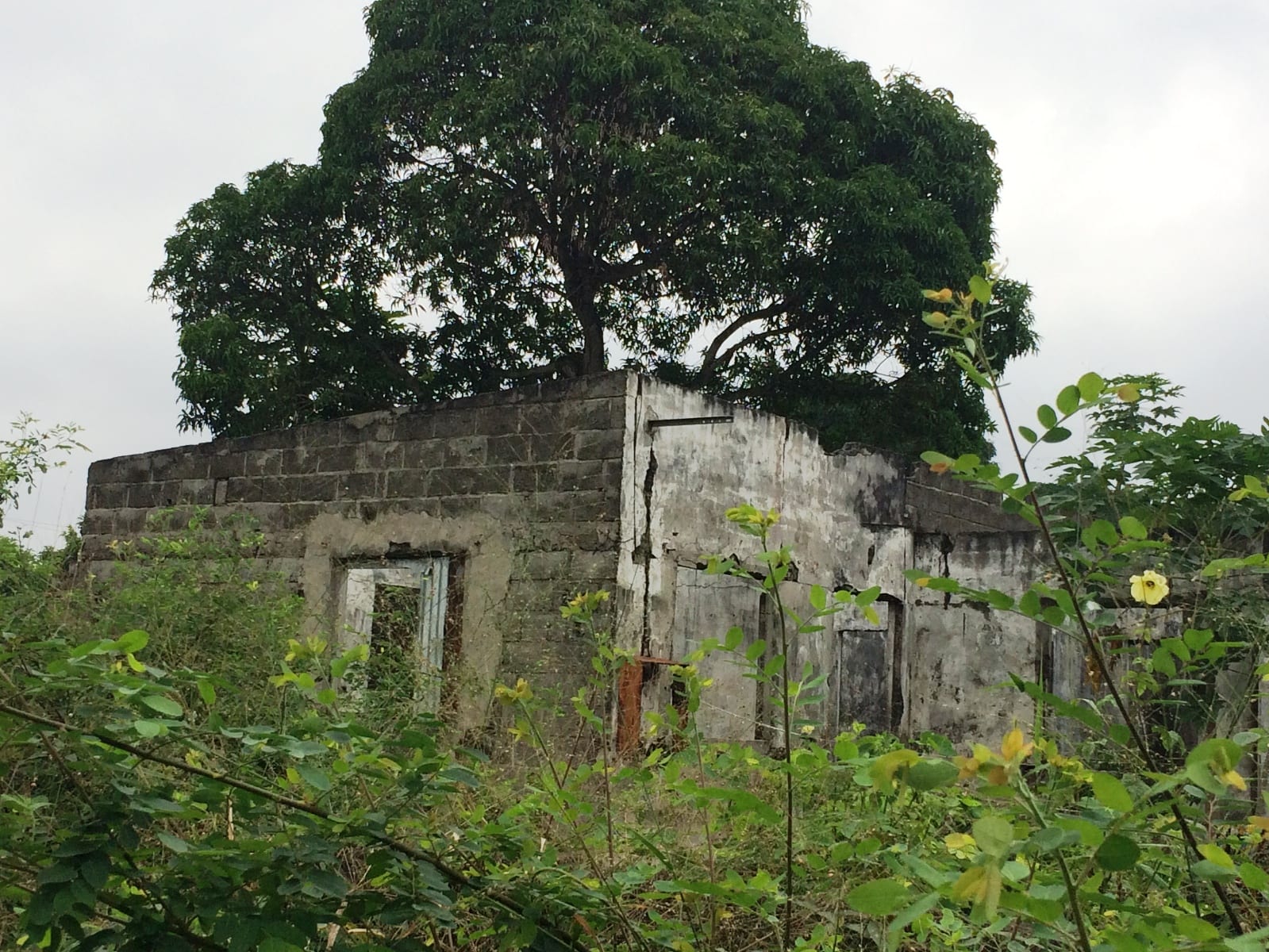
A national conference in 1991 stripped the PCT of its monopoly, and Pascal Lissouba won a multiparty election in 1992. But politics quickly militarised, with the main figures — Lissouba, Sassou Nguesso and Bernard Kolélas — each backed by an ethnic-regional private militia (the "Cocoyes", "Cobras" and "Ninjas"). Fighting in 1993–94 killed thousands; a far worse war in 1997, triggered as the 1997 election approached, destroyed central Brazzaville and ended with Sassou Nguesso retaking power with Angolan military help. A further round of fighting in the Pool region lasted into 1999, and flared again in 2016–17.
Congo now
Sassou Nguesso has governed since 1997 without interruption. A 2015 referendum, boycotted by the opposition and followed by deadly protests, removed the two-term limit and the 70-year age cap, allowing him to win further terms in 2016 and 2021. Oil provides the large majority of export earnings and government revenue, but the country carries heavy debt, and successive corruption cases abroad — the long-running "biens mal acquis" investigations in France — have targeted the ruling family's foreign assets. Most Congolese remain poor despite the oil, and the population is heavily concentrated in the two cities.
What the Republic of the Congo carries
This Congo's history has been shaped by the river it sits on and the oil off its coast: the river made Brazzaville a colonial capital and a strategic prize; the oil has funded the state and the patronage that keeps it in place. The forced-labour railway is the defining image of the colonial period, and the ruined districts of Brazzaville are the defining image of the 1990s. The through-line since 1979 is one president, and the repeated rewriting of the rules to keep him in office.