Food · Republic of the Congo
Republic of the Congo: Food and the National Dish
Pounded cassava leaves cooked into a rich green sauce, a Congo Basin staple shared across a river rather than stopped by a border
By Worldlore Editorial · 16 September 2026
A cuisine shared across the river, not stopped by the border
The Republic of the Congo sits across the Congo River from its larger neighbour, the Democratic Republic of the Congo, and the two countries' food traditions overlap heavily as a result, a genuine reflection of shared Congo Basin geography and Kikongo and Lingala culinary heritage rather than two entirely separate cuisines.
The everyday staple: saka-saka
Saka-saka, cassava leaves pounded and cooked down into a rich, dark green sauce, often with palm oil, peanuts or smoked fish added, is the most widely eaten dish across the Republic of the Congo. Served alongside rice, chikwange (cassava bread wrapped in leaves) or fufu, saka-saka is genuinely a daily staple in Congolese households rather than a special-occasion dish, and it is prepared the same fundamental way on both sides of the Congo River.
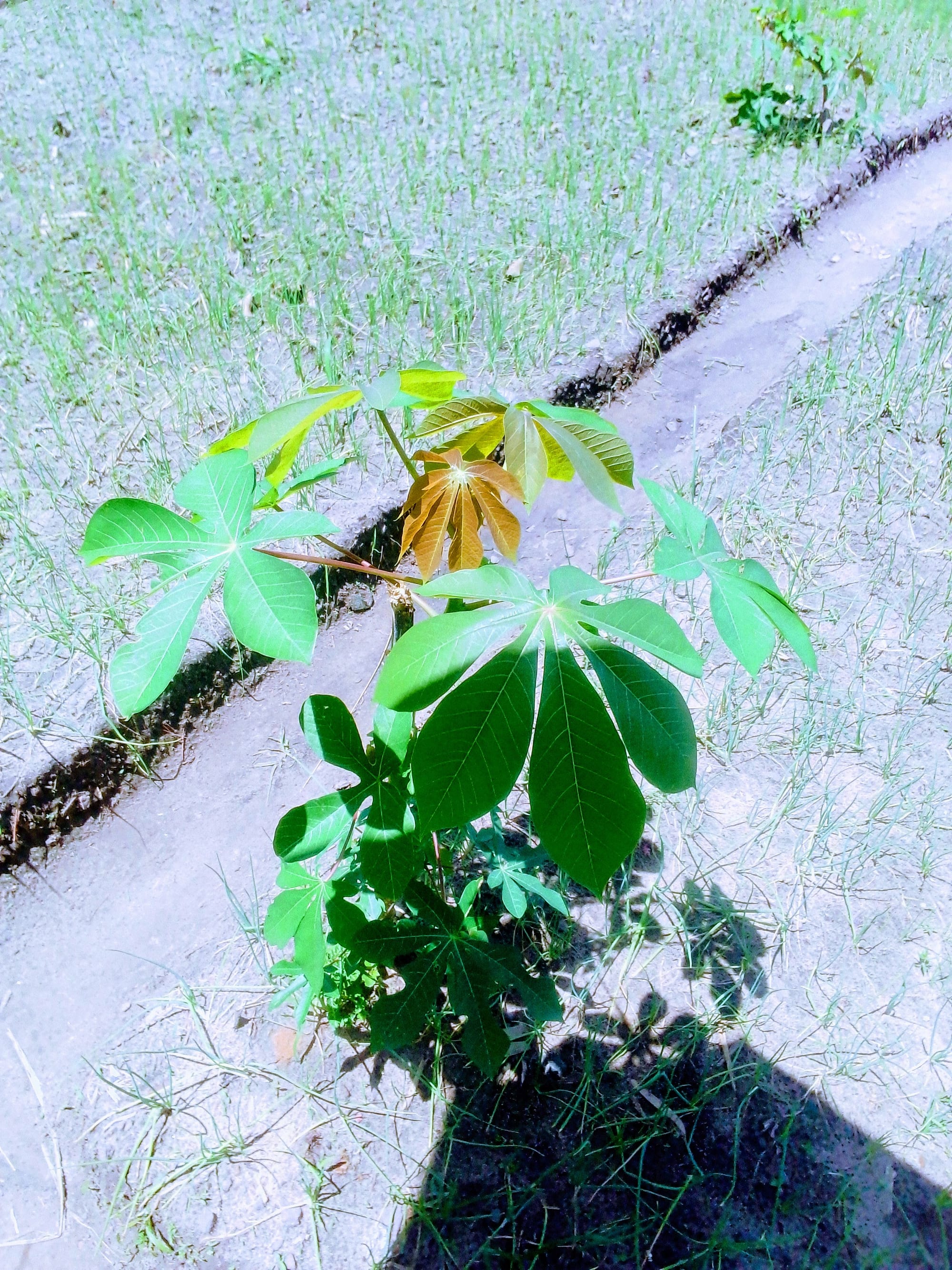
Cassava, palm oil and a genuinely river-shaped pantry
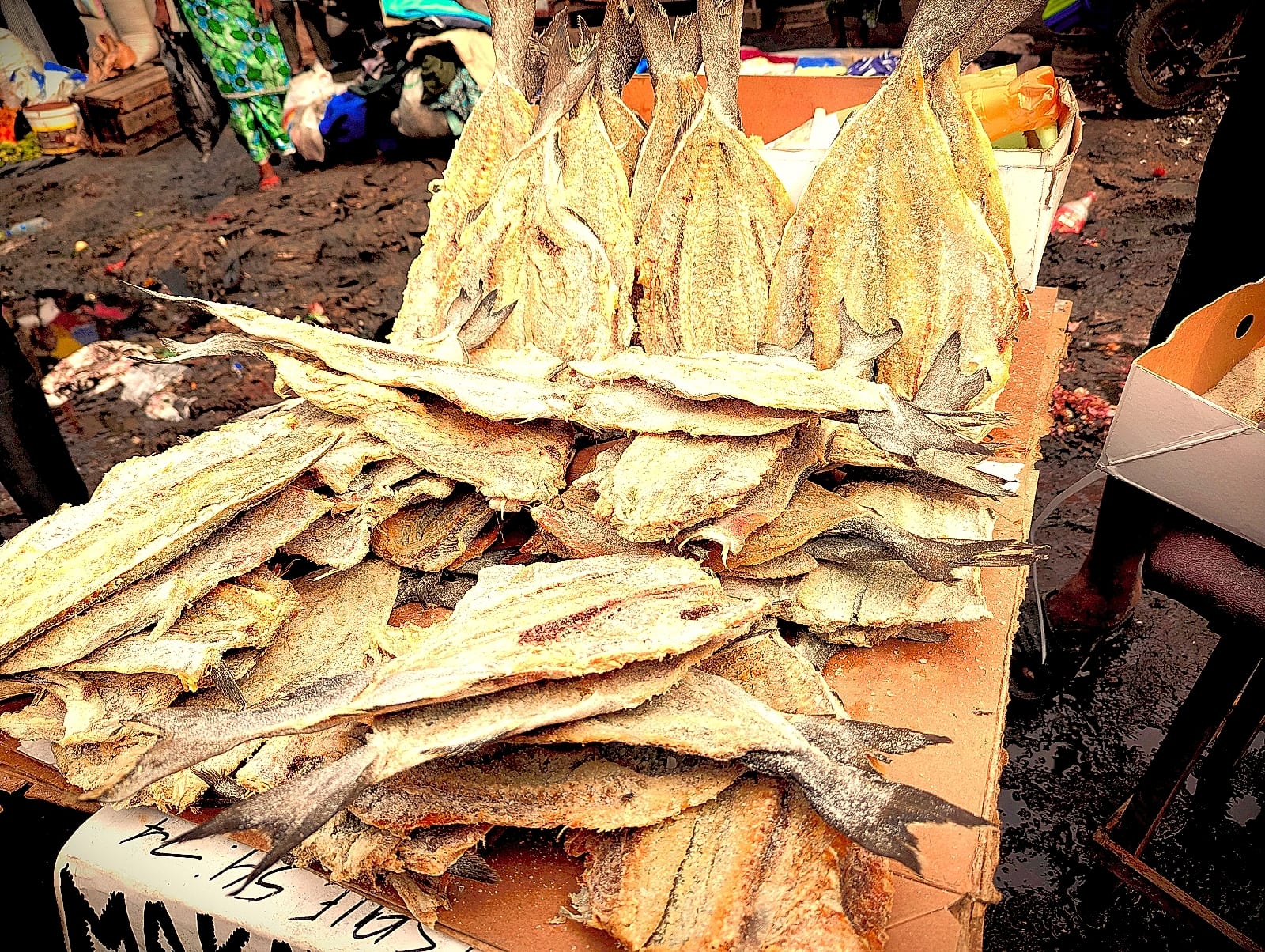
Cassava, in leaf, root and bread form, and river fish, caught from the Congo and its tributaries, anchor much of everyday Congolese cooking. Palm oil, peanuts and plantain round out a pantry shaped directly by the Congo Basin's rainforest and waterways, with Brazzaville's markets along the river serving as the country's main hub for fresh produce and fish.
History behind the river
The Congo River has shaped trade, food and daily life across this region for centuries, long before the river became the colonial-era border that split French Congo from Belgian Congo and, eventually, today's two separate countries. That shared history explains why saka-saka, poulet moambe (chicken in palm-nut sauce) and other staples are claimed by both nations rather than treated as belonging exclusively to one.
Dishes to know
Five more to recognise across the Republic of the Congo:
- Chikwange — cassava root pounded into a dense paste, wrapped in
leaves and steamed, a common bread substitute.
- Poulet moambe — chicken cooked in a rich palm-nut sauce, shared with
the Democratic Republic of the Congo.
- Fufu — a dough-like staple made from cassava or plantain flour,
eaten with sauces by hand.
- Grilled river fish — a common everyday protein given the country's
extensive river network.
- Peanut sauce dishes — meat or fish cooked in a thick, ground
peanut-based sauce.
Drinks
Palm wine, tapped from palm trees and mildly fermented, is a genuine traditional drink across the Republic of the Congo. Coffee, grown in parts of the country, and locally brewed beer are also widely drunk, alongside fresh tropical fruit juices in Brazzaville.
Eating as a traveller
Vegetarians will find cassava, plantain and peanut-based dishes manageable, though fish and meat are central to most everyday Congolese cooking. Tap water is not reliably safe outside major hotels; bottled water is the safer default. Visiting a Brazzaville market along the river offers a genuine look at the fish and produce that shape most household cooking.
What to take from the table
Saka-saka, pounded from cassava leaves and eaten daily on both banks of the Congo River, shows how directly this country's food is shaped by the water running through it rather than by the border drawn across it.