Daily Life · Republic of the Congo
Republic of the Congo: A Sunday for Church and Sharp Suits
Extended families sharing a single compound, shared taxis that often wait to fill before leaving, and a capital where the sapeurs of La Sape turn fine dressing into a public art
By Worldlore Editorial · 30 September 2026
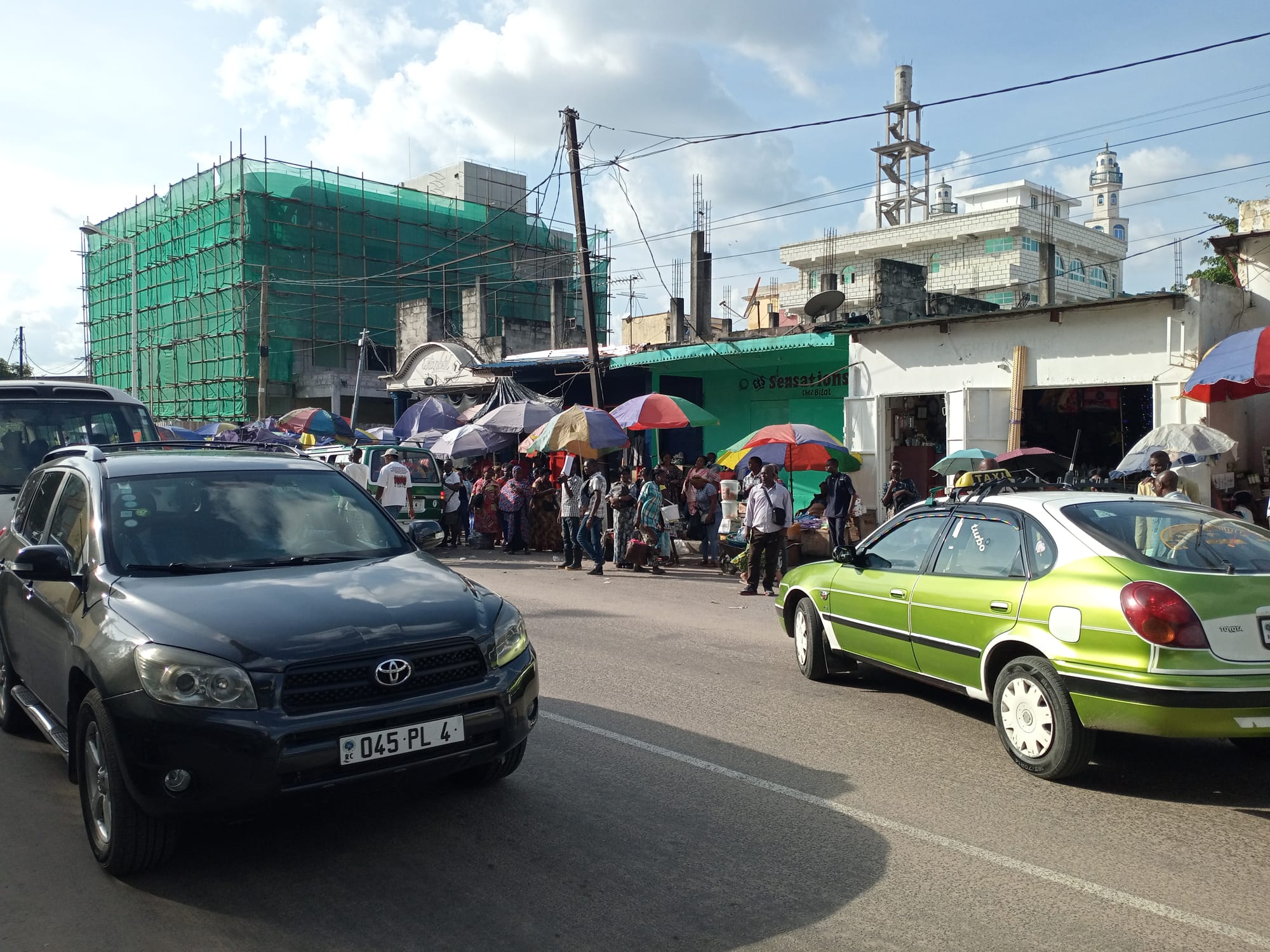
An ordinary day in the Republic of the Congo runs on family, faith, and a fair amount of improvisation. Extended relatives are rarely far apart, whether sharing a compound or a street, and getting anywhere in Brazzaville or Pointe-Noire often means waiting for a shared taxi to fill rather than consulting a timetable. Power and water cuts are common enough to be planned around rather than treated as exceptional. And come the weekend, some of its people turn out in tailored suits and bow ties for no occasion at all beyond the pleasure of being seen dressed well.
Family and home life
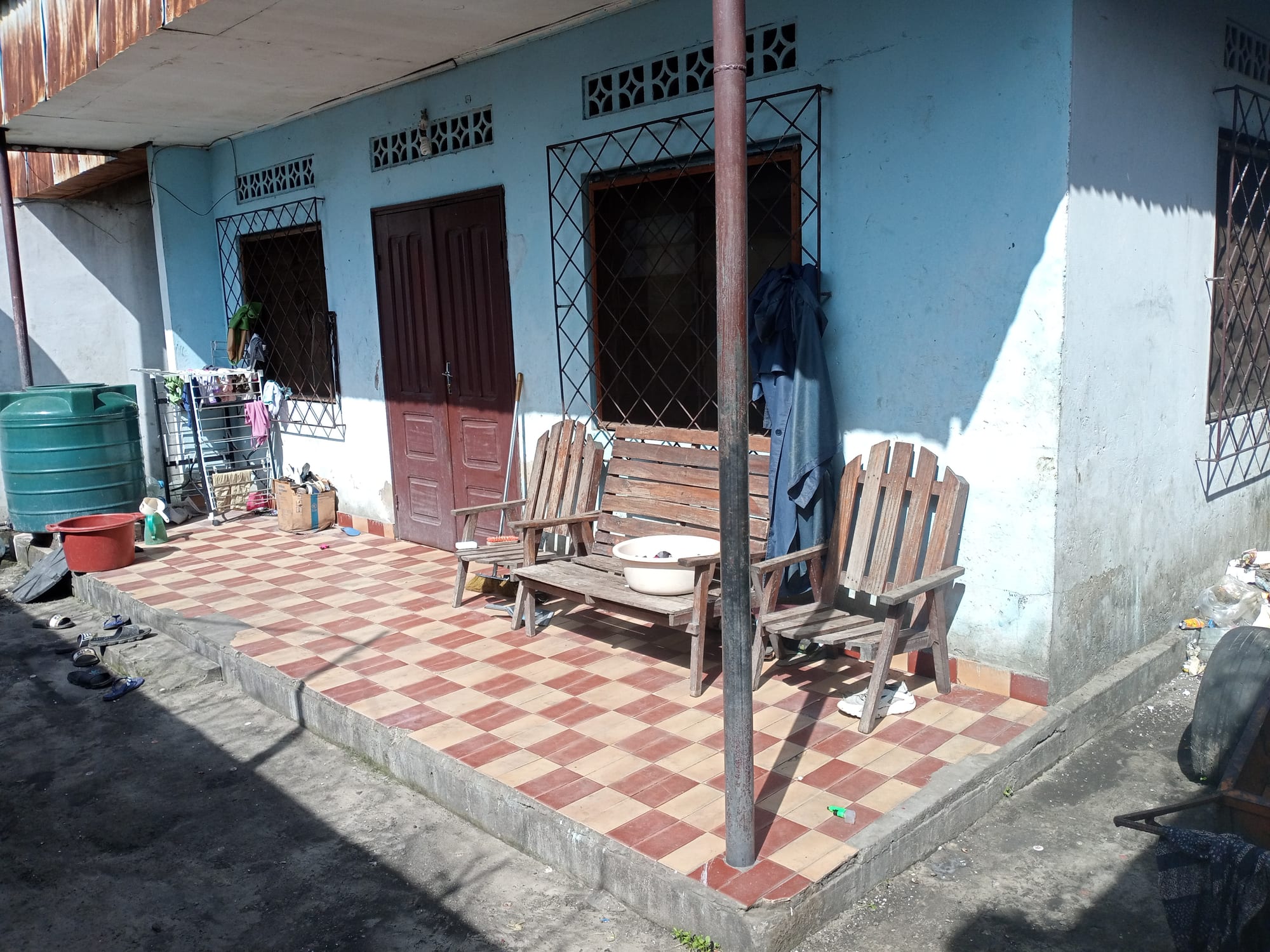
The extended family remains the basic unit of daily life, and households commonly include grandparents, aunts, uncles and cousins living together or immediately nearby, sharing a compound built up gradually as the family grows. Roles often run along fairly traditional lines, with women doing much of the cooking and childcare, though city life has loosened these patterns compared with the countryside. With more than half of all Congolese now living in Brazzaville or Pointe-Noire, urban housing ranges from modest single-storey compounds to multi-storey apartment blocks, and a porch or shared courtyard functions as an extension of the home, used for cooking, washing and simply sitting together in the cooler part of the day.
Work, school and the rhythm of the day
The working week runs Monday to Friday, with most offices and government departments keeping a standard eight-hour day, though small traders and market stalls open far earlier and close later. The formal economy is dominated by oil, pumped offshore near Pointe-Noire, but oil wealth has generated relatively few jobs, so most people outside the civil service and the oil sector work informally, in trade, transport, or, outside the two big cities, farming cassava and other crops or fishing the rivers. Schooling follows the French educational model inherited from colonial rule, taught in French even though Kituba and Lingala, the national languages, are more common in everyday conversation, and shortages of trained teachers and school places remain a real constraint outside the cities. Power and water cuts are frequent enough in both Brazzaville and Pointe-Noire that many households and businesses build flexibility into the working day as a matter of course.
Community life and public spaces
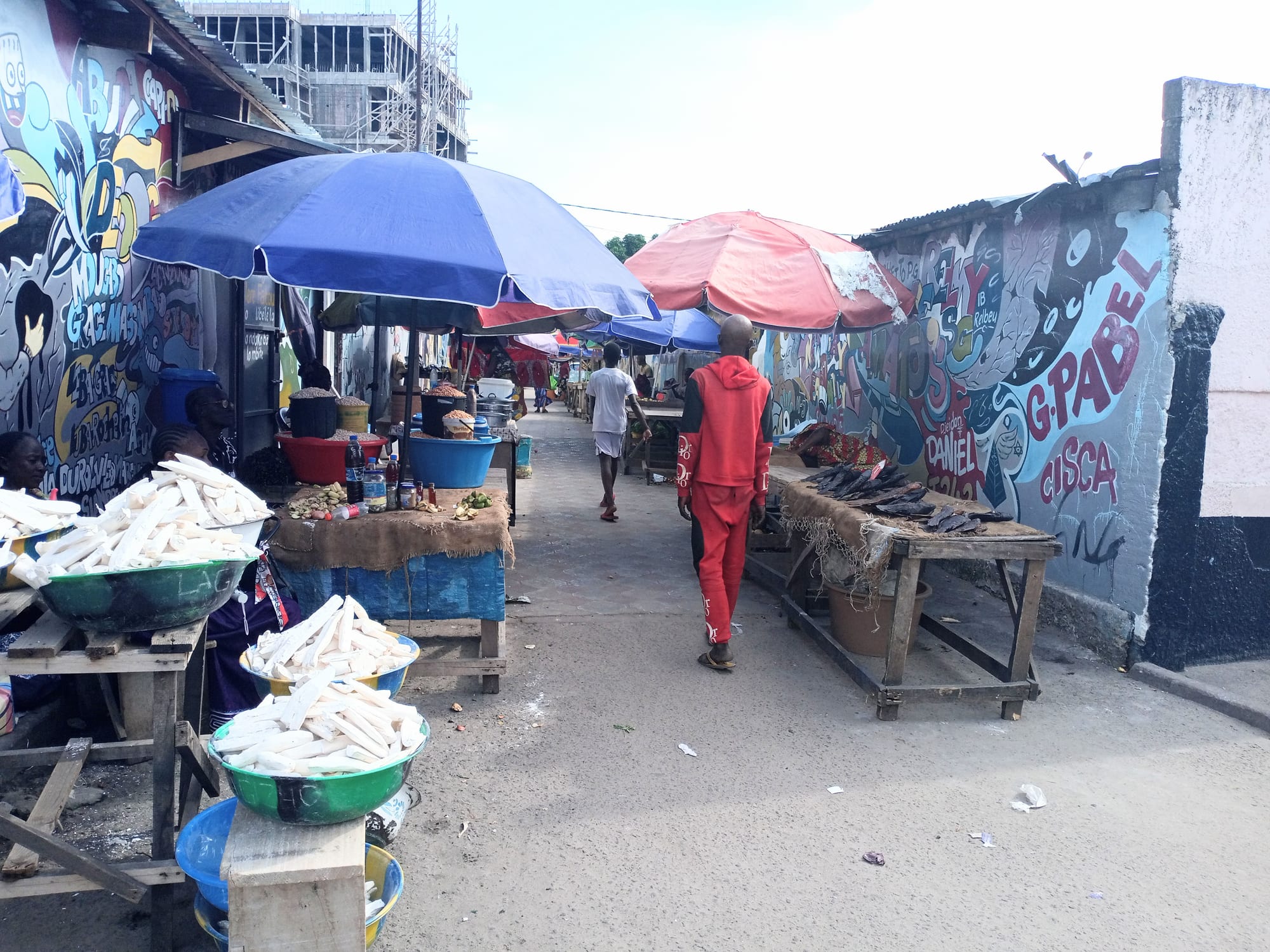
Markets are the real centre of daily public life, open-air stretches of stalls and umbrellas selling cassava, fish, fruit and household goods, doubling as the place most people actually run into their neighbours. Getting around the cities means shared taxis and minibuses, which run loosely defined routes rather than fixed timetables and often wait to fill with passengers before leaving, making a short trip's length genuinely unpredictable. Churches, overwhelmingly Christian congregations alongside a strong presence of independent and revivalist denominations, anchor neighbourhood life well beyond Sunday services, hosting choir practice, meetings and community gatherings through the week.
Free time and weekends
Music is the country's great shared pastime: Congolese rumba, recognised by UNESCO, grew up in the bars of Brazzaville and Kinshasa and remains the backing track to weekends nationwide, from neighbourhood bars to family gatherings. Football commands real, widespread interest, followed on television or radio wherever a set can be found. For followers of La Sape, weekends and special occasions are the moment to dress in full and be seen on the street, a genuine social performance rather than a private hobby. Church attendance anchors Sunday for most families, typically followed by a long shared meal with extended relatives.
A visitor's ordinary day
Cash, in Central African CFA francs, dominates daily transactions outside the handful of business hotels in Brazzaville and Pointe-Noire, and euros are the easiest foreign currency to exchange. Shared taxis are the practical way to get around the cities but require patience, since they often wait to fill up rather than keep to a schedule, and agreeing a fare before boarding avoids confusion. Expect intermittent power and water even in hotels, and plan around it rather than being caught out by it. Travel between Brazzaville and Pointe-Noire is by air, by the slow, scenic Congo-Ocean Railway, or by a road that has improved but remains variable, and a yellow fever vaccination certificate is required on arrival.
What to take away
An ordinary day in the Republic of the Congo runs on patience and togetherness in roughly equal measure: family close at hand, transport that leaves when it is ready rather than on schedule, and a weekend that, for some, is still worth dressing up for entirely on its own terms.