Food · Qatar
Qatar: Food and the National Dish
Spiced rice and meat shared across the Gulf, in a country whose modern wealth has brought a genuinely international dining scene alongside it
By Worldlore Editorial · 20 September 2026
A cuisine shared across the Gulf, with its own hospitality rituals
Qatari food shares deep roots with the cooking of neighbouring Gulf states, a product of a shared pearling and trading history across the region rather than a border-bound cuisine unique to Qatar alone. What distinguishes the experience of eating in Qatar today is as much about hospitality custom, coffee, dates and generous shared plates, as about any single dish.
The national dish: machboos
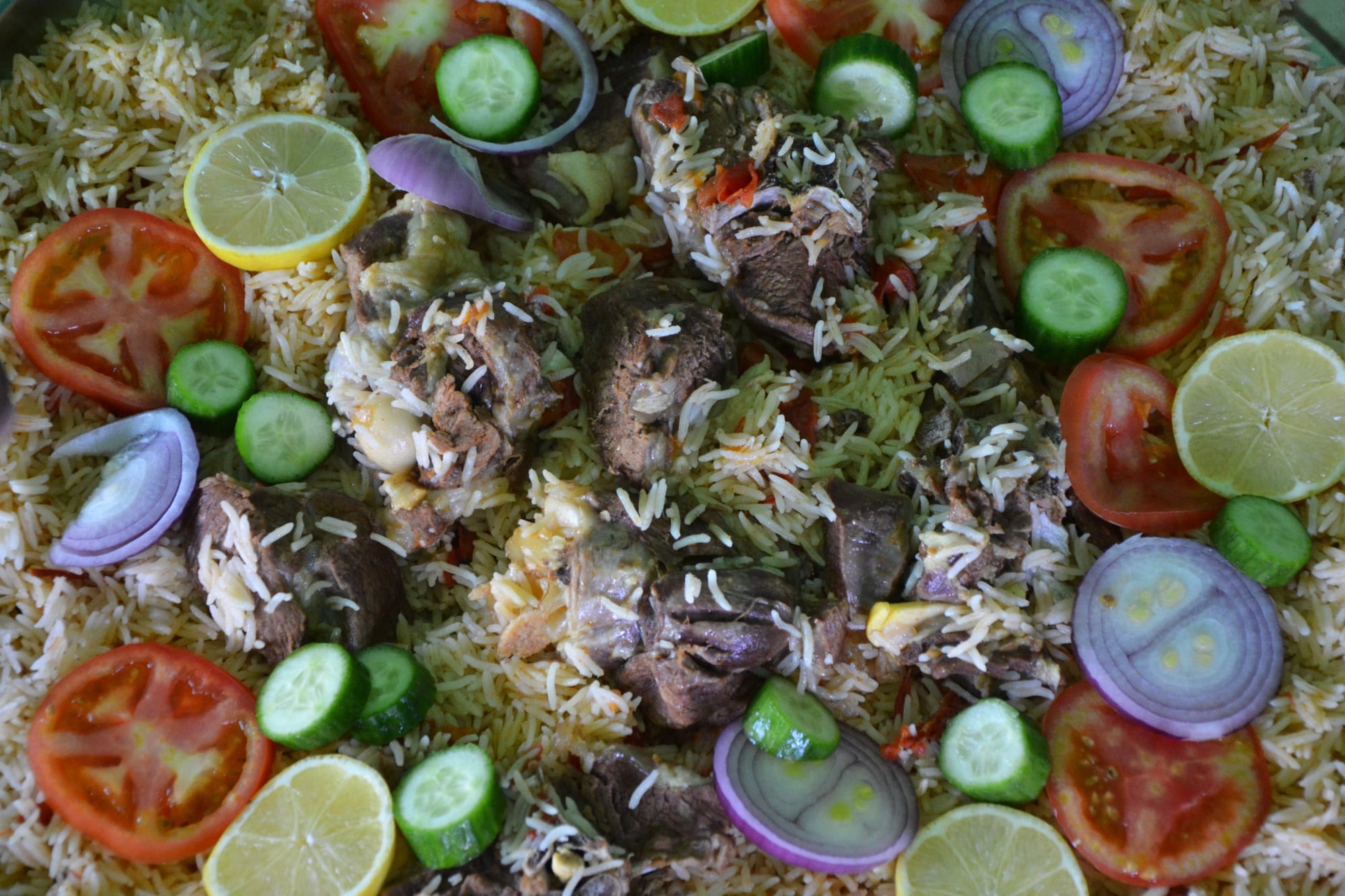
Machboos, spiced rice cooked with meat, usually chicken or lamb, and a blend of warming spices including cardamom, cinnamon and dried lime, is widely regarded as Qatar's national dish, though it is explicitly shared across Kuwait, Bahrain and the UAE under the same or very similar names. Slow-cooked so the rice absorbs the meat's juices and spice, machboos is served at family gatherings and celebrations throughout Qatar much as it is across the wider Gulf.
Rice, dates and a genuinely desert-shaped pantry
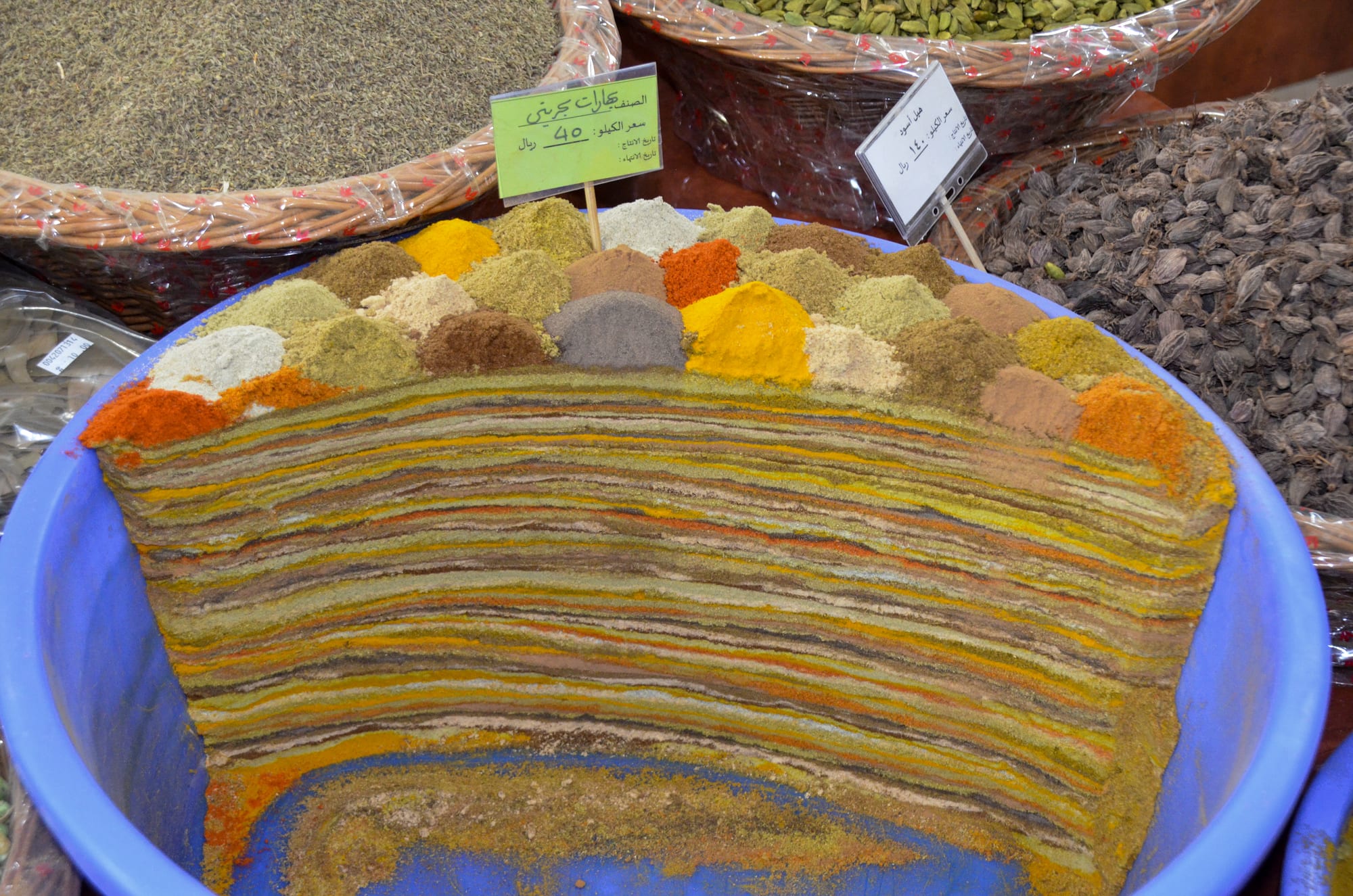
Rice, dates and dried lime anchor much of Qatari cooking, alongside seafood drawn from the Gulf's waters, a legacy of the pearling and fishing economy that sustained the region before oil and gas wealth transformed it. Cardamom, saffron and rosewater flavour many dishes and drinks, reflecting historic trade connections stretching to India and Persia across the Gulf.
History behind the shared table
Qatar's pre-oil economy centred on pearl diving and fishing, work that shaped both the seafood-heavy diet of coastal communities and the trading connections that brought spices from India and the Persian Gulf into Qatari kitchens. The discovery of oil and gas transformed the country's wealth dramatically from the mid-20th century onward, bringing an international dining scene to Doha while machboos and other traditional dishes remained anchored in home cooking and family gatherings.
Dishes to know
Five more to recognise across Qatar:
- Harees — wheat and meat cooked slowly into a thick, porridge-like
consistency, especially popular during Ramadan.
- Balaleet — sweet vermicelli noodles with saffron and cardamom,
often topped with egg, eaten for breakfast.
- Thareed — a bread-based stew with meat and vegetables, sometimes
compared to a Qatari version of lasagne.
- Luqaimat — small, deep-fried dough balls drizzled with date syrup, a
popular dessert especially during Ramadan.
- Karak — spiced, sweetened milk tea, a genuinely everyday drink
across Qatar.
Drinks
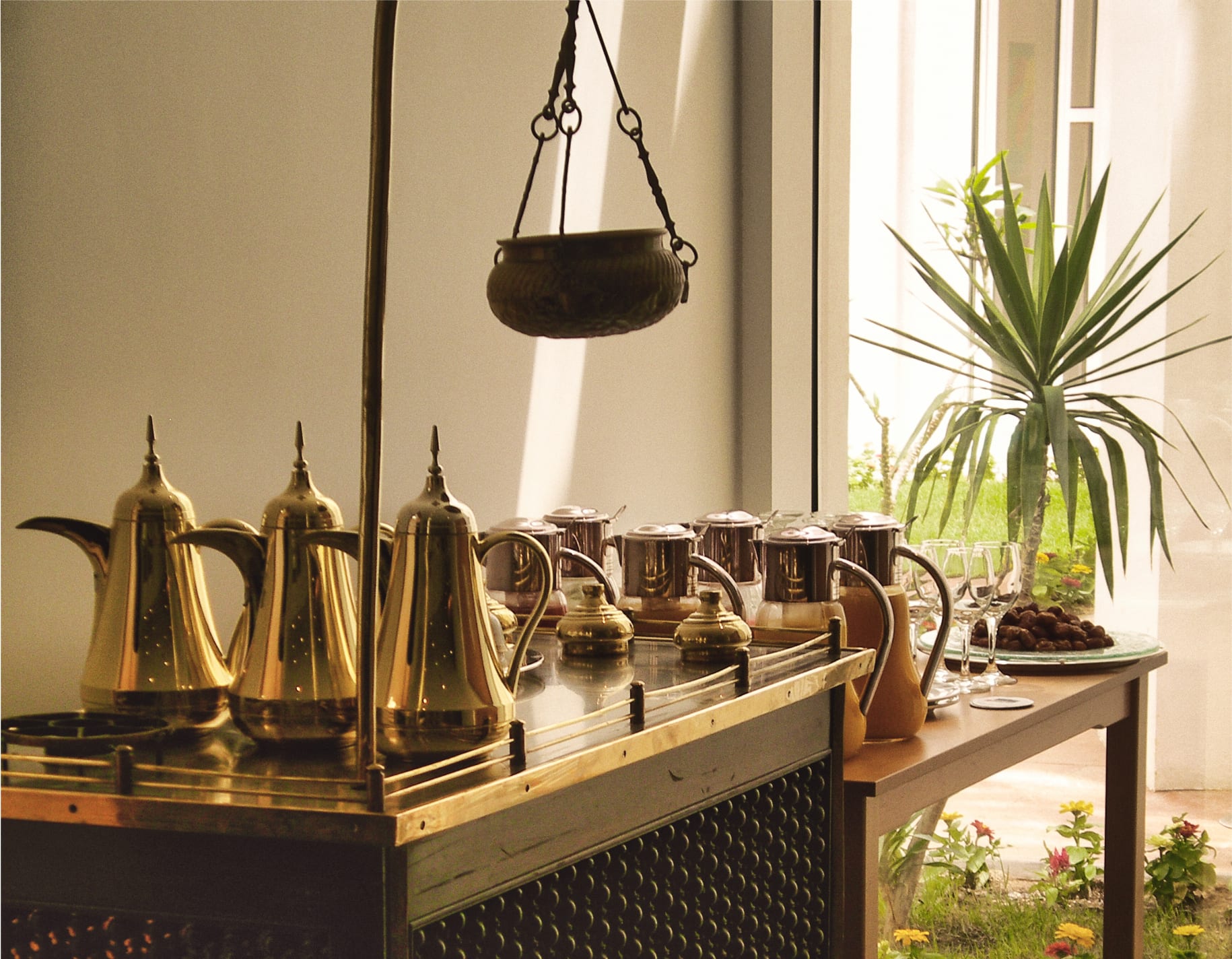
Arabic coffee, gahwa, lightly spiced with cardamom and served with dates, is central to Qatari hospitality and offered to guests as a matter of course. Karak tea, strong and sweetened, is a genuine everyday drink, and Qatar's strict alcohol laws mean alcohol is available only in licensed hotels and a small number of venues.
Eating as a traveller
Halal food is the default across Qatar, and vegetarians will find rice, vegetable and legume-based dishes manageable in most restaurants. Tap water is treated and generally safe, though bottled water is the common local default. Accepting coffee and dates if offered as a guest is a genuine gesture of Qatari hospitality worth taking part in rather than declining out of politeness.
What to take from the table
Machboos, shared across the Gulf rather than uniquely Qatari, says something true about the country's food: a cuisine built on regional connection and hospitality custom as much as on any one dish claimed as its own.