Attractions & Natural Wonders · Qatar
Qatar: Six Attractions and Natural Wonders
A museum built like a modern desert fortress, a centuries-old trading souq revived to its old rhythms, and a landlocked sea of dunes where the desert meets the Gulf without a single drop of river water in between
By Worldlore Editorial · 10 September 2026
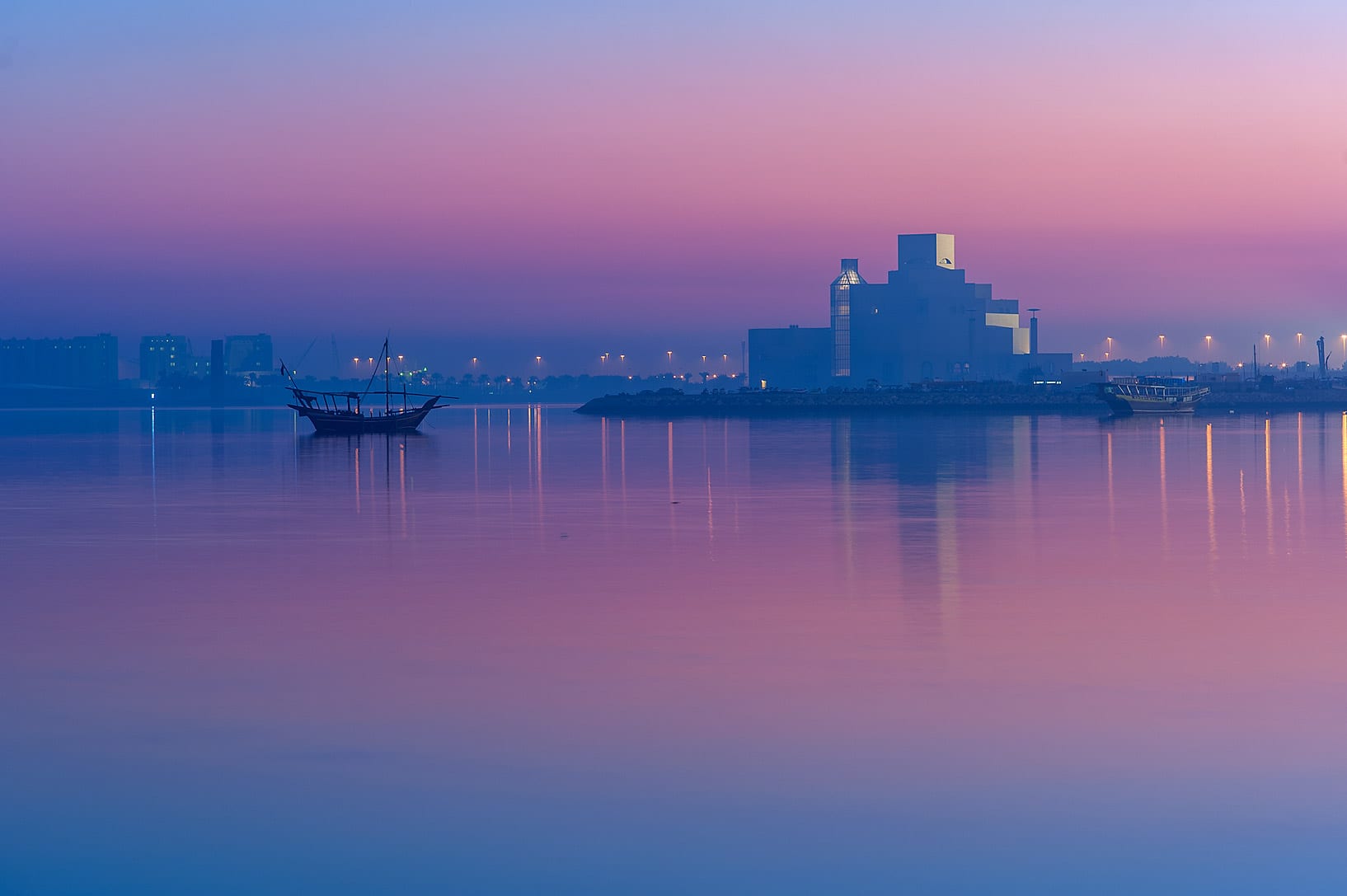
A small peninsula transformed by gas wealth
Qatar, a small peninsula jutting into the Persian Gulf, has used its vast natural gas wealth to transform Doha from a modest pearling and fishing town into a global hub for aviation, finance, and increasingly culture — most visibly through major museum-building projects and the country's hosting of the 2022 FIFA World Cup. Away from the capital's striking skyline, Qatar's desert interior holds a genuinely remote landscape where towering dunes meet the sea.
The six below run from central Doha to the desert south of the city. The cooler months (roughly November to March) are far more comfortable for outdoor sightseeing than the intense heat of summer.
1. The Museum of Islamic Art
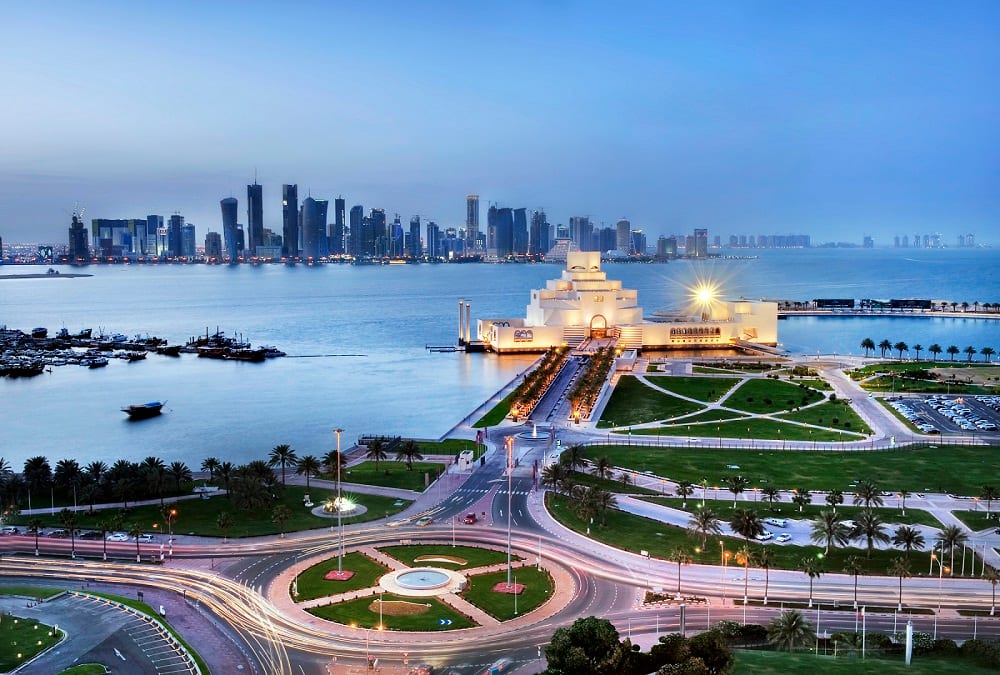
The Museum of Islamic Art, designed by the celebrated architect I. M. Pei (who came out of retirement for the commission) and set on its own reclaimed island along the Corniche, holds one of the world's most significant collections of Islamic art spanning 1,400 years and three continents. The building itself, drawing on historic Islamic architectural forms distilled into a modern geometric design, is considered as much an attraction as the collection inside.
2. Souq Waqif
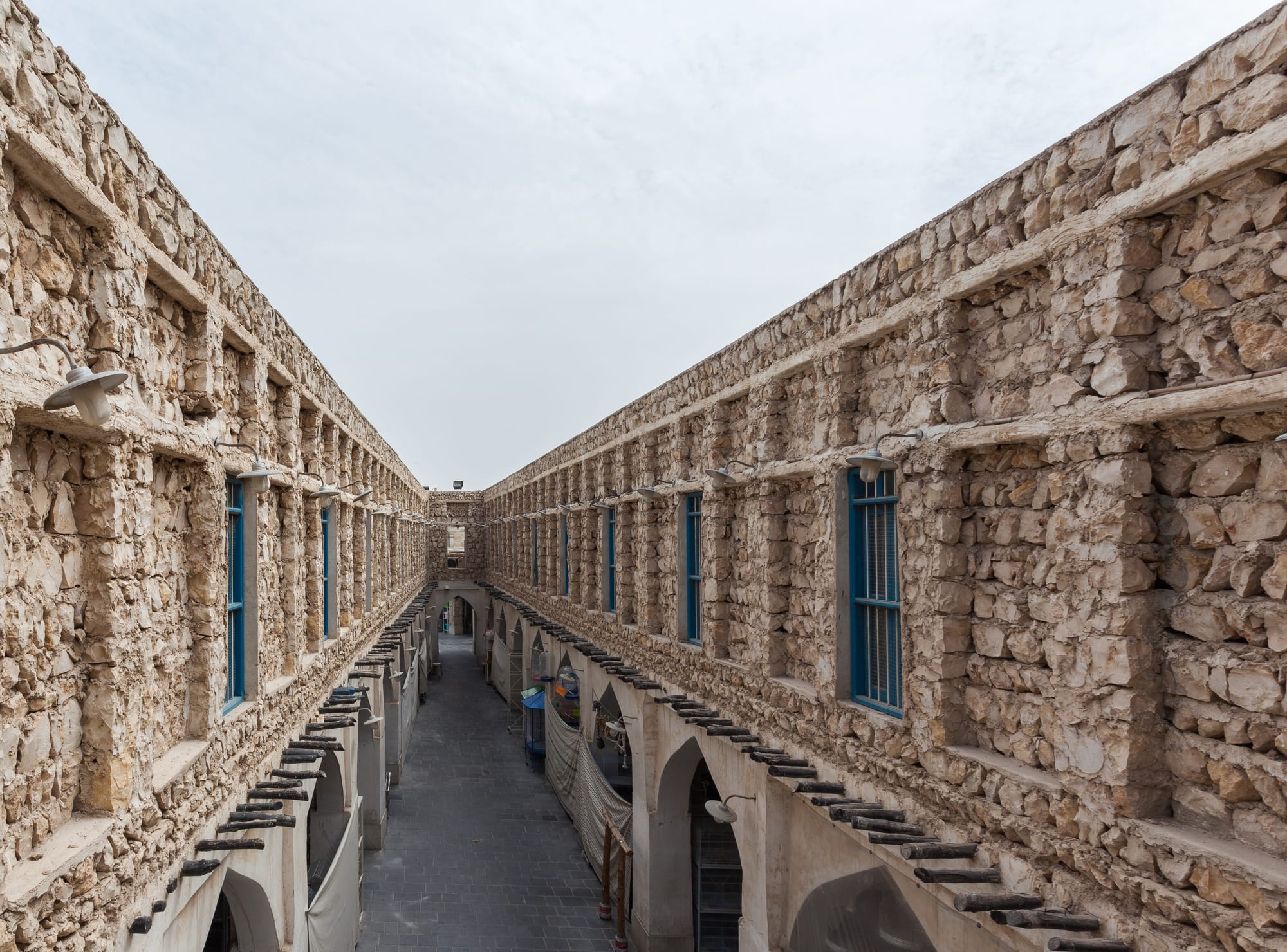
Souq Waqif, meaning "standing market," has served as a trading centre in Doha for well over a century and was carefully restored in the 2000s to recreate its traditional mud-rendered architecture and narrow lanes — spice stalls, textiles, falconry shops, and a lively restaurant scene make it one of the most atmospheric places in the city, especially in the evening once the heat of the day has passed.
3. The Doha Corniche
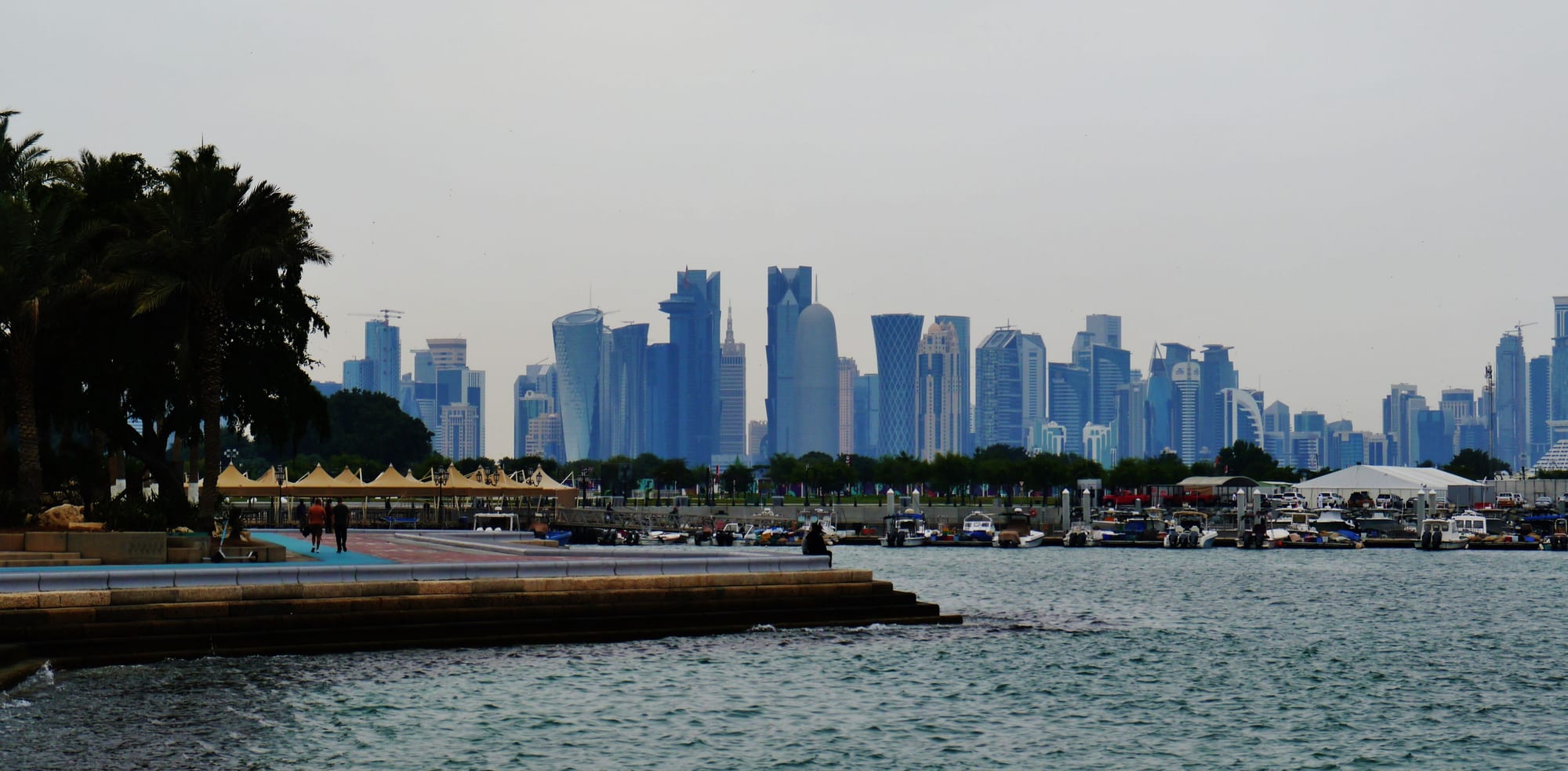
The Doha Corniche, a roughly seven-kilometre waterfront promenade curving around the bay, gives sweeping views of the West Bay skyline's dense cluster of modern towers, built up rapidly over the past two decades on the strength of gas revenues. It is a popular evening walking and cycling route for residents, especially once temperatures cool after sunset.
4. Katara Cultural Village
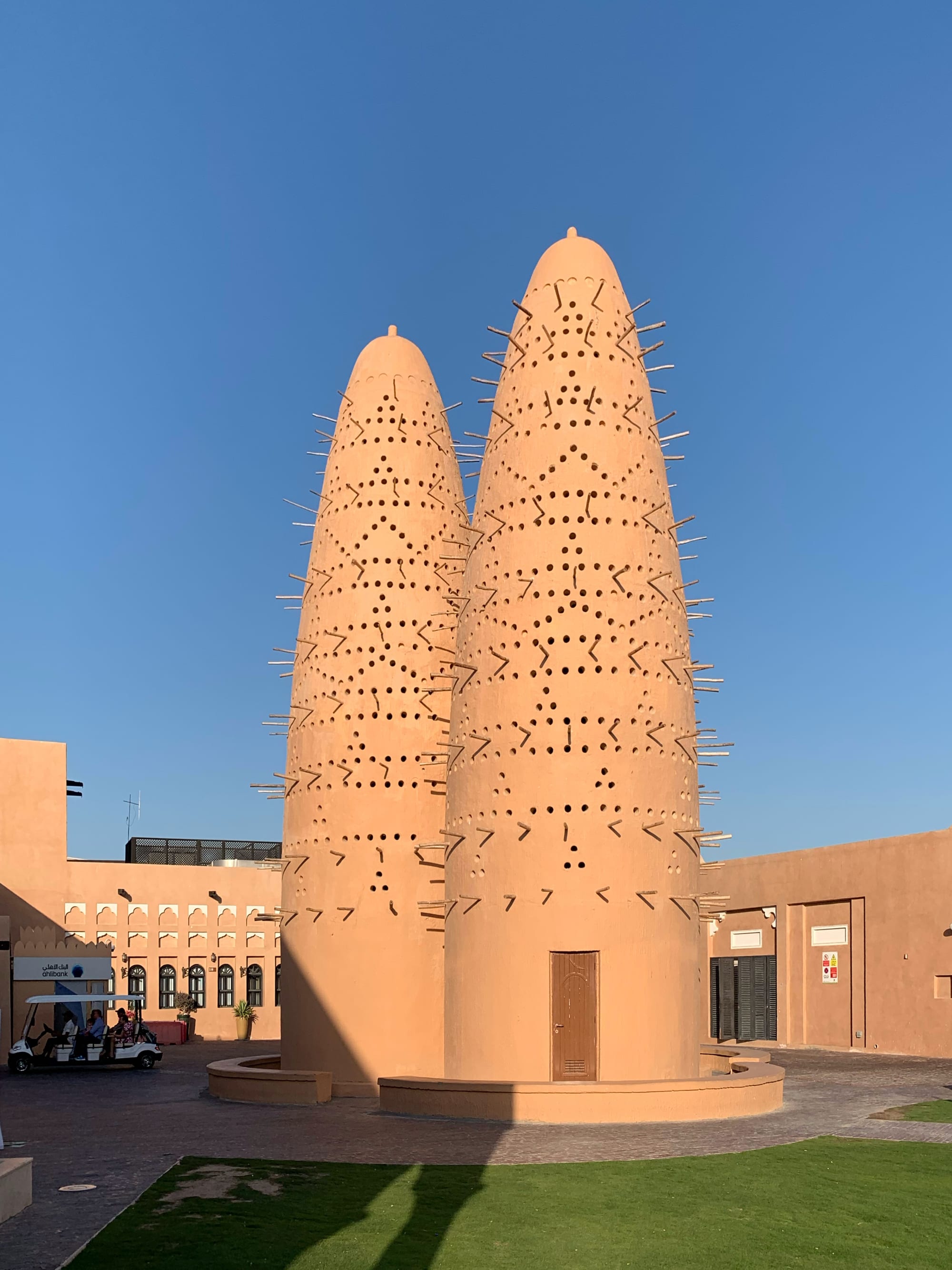
Katara Cultural Village, built along the Doha waterfront in a style evoking traditional Qatari and wider Gulf architecture, hosts galleries, theatres, an amphitheatre, and a public beach, functioning as a cultural and arts hub alongside a public recreational space. It regularly hosts festivals and exhibitions aimed at both residents and visitors.
5. The Inland Sea (Khor Al Adaid)
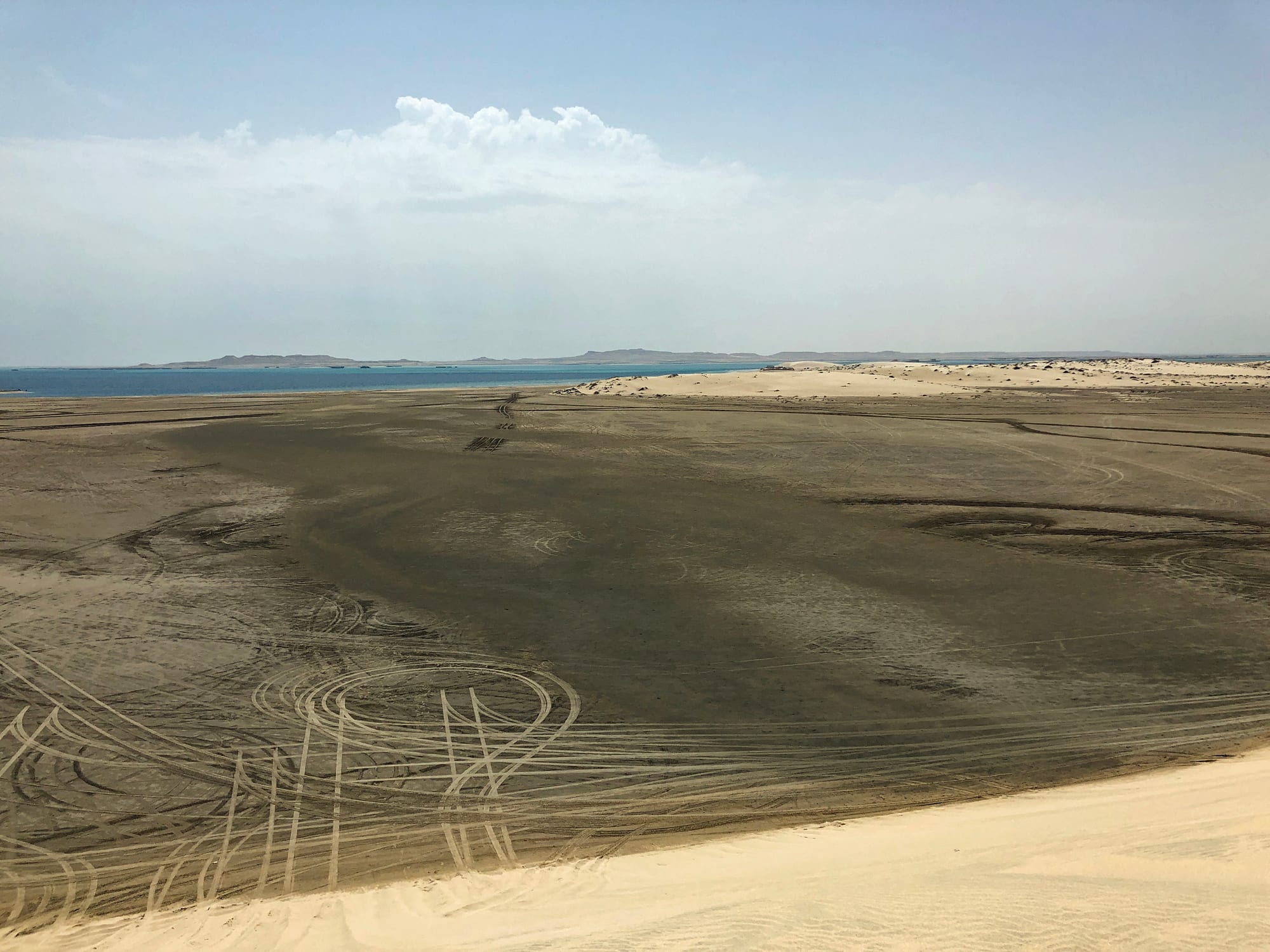
Khor Al Adaid, known as the Inland Sea, is a rare natural phenomenon where a bay of the Persian Gulf reaches deep into the desert, surrounded on all sides by towering sand dunes rather than open coastline — a UNESCO-recognised natural reserve reached by an hour or more of dune-bashing in a 4x4 from Doha, with overnight desert camping a popular way to experience it after dark, far from the city's light.
6. Al Zubarah Fort
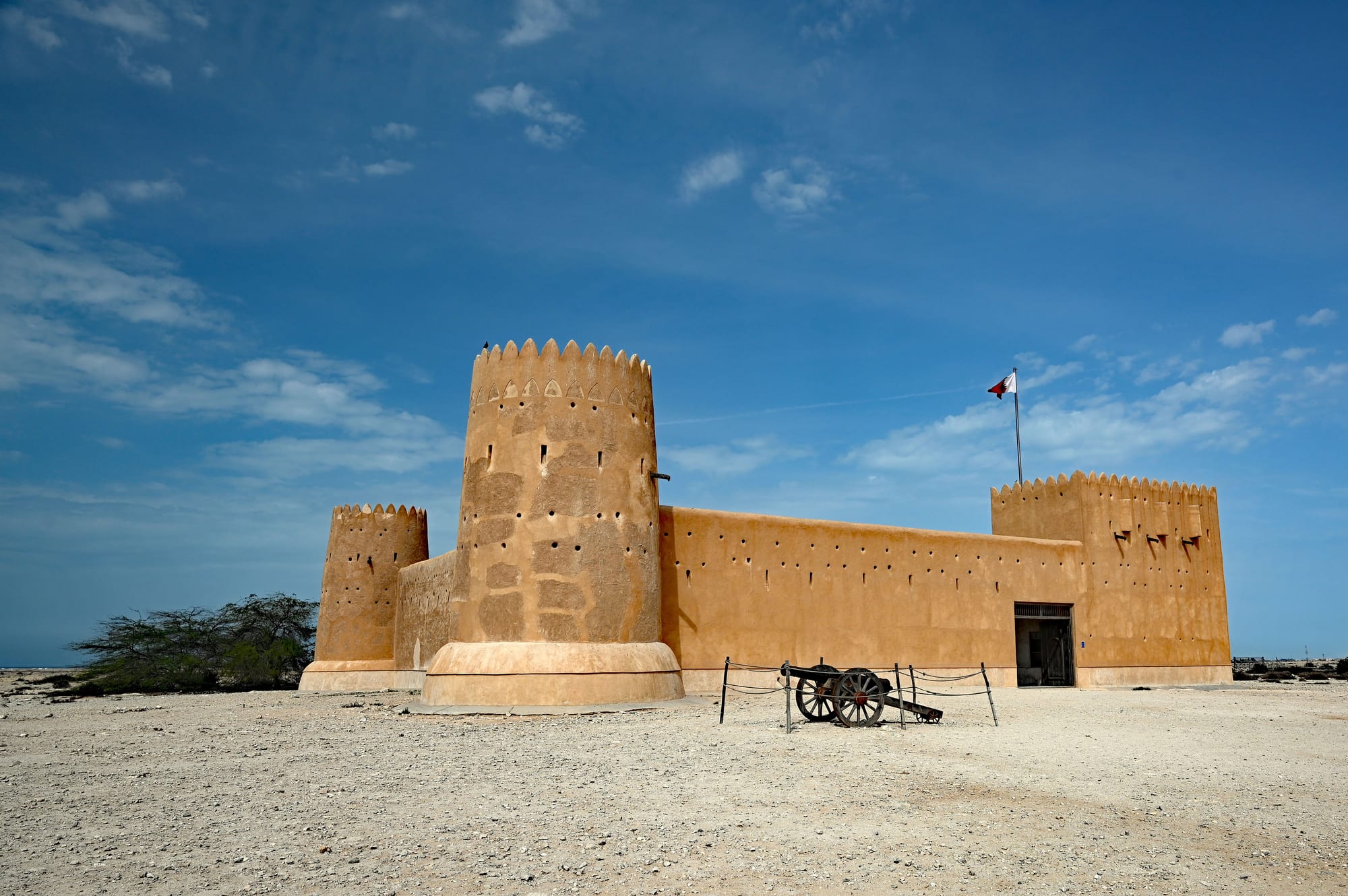
Al Zubarah, on Qatar's northwest coast, preserves the ruins of an 18th- and 19th-century pearling and trading town that was, briefly, one of the largest settlements in the Gulf before its decline and abandonment — its well-preserved fort and extensive unexcavated town ruins make it a UNESCO World Heritage Site and one of the best-documented examples of a historic Gulf urban settlement anywhere in the region.
Qatar suits a short trip of a few days centred on Doha, easily extended with a half-day or overnight desert excursion to the Inland Sea, and works well as a stopover given its position as a major regional aviation hub.