Daily Life · Qatar
Qatar: A Country Its Citizens Share
A Friday-Saturday weekend, a working day that empties the streets at midday in summer, and a nation where citizens make up little more than one in ten of the people who actually live there
By Worldlore Editorial · 30 September 2026
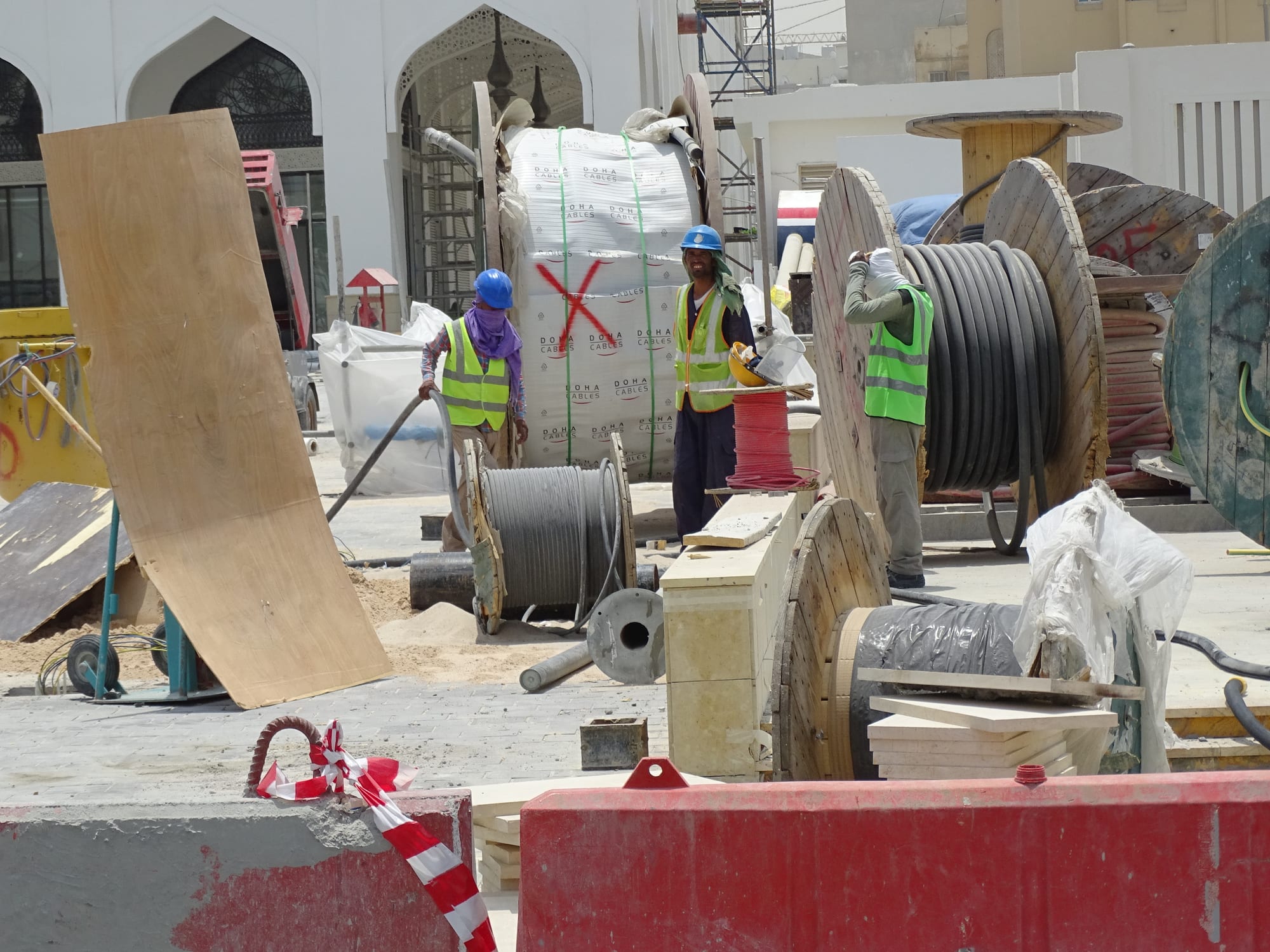
An ordinary day in Qatar is really two ordinary days lived side by side. Qatari citizens, a small and wealthy minority in their own country, live a day built around family, free schooling and healthcare, and a Friday built for prayer, while the far larger population of foreign workers, from construction labourers to schoolteachers to bank managers, live under different rules on visas tied to a job. Nearly everyone, citizen and expatriate alike, lives in or around Doha, and nearly everyone's day is shaped by the same fact: for roughly half the year, the desert heat makes being outdoors for long something to plan around rather than take for granted.
Family and home life
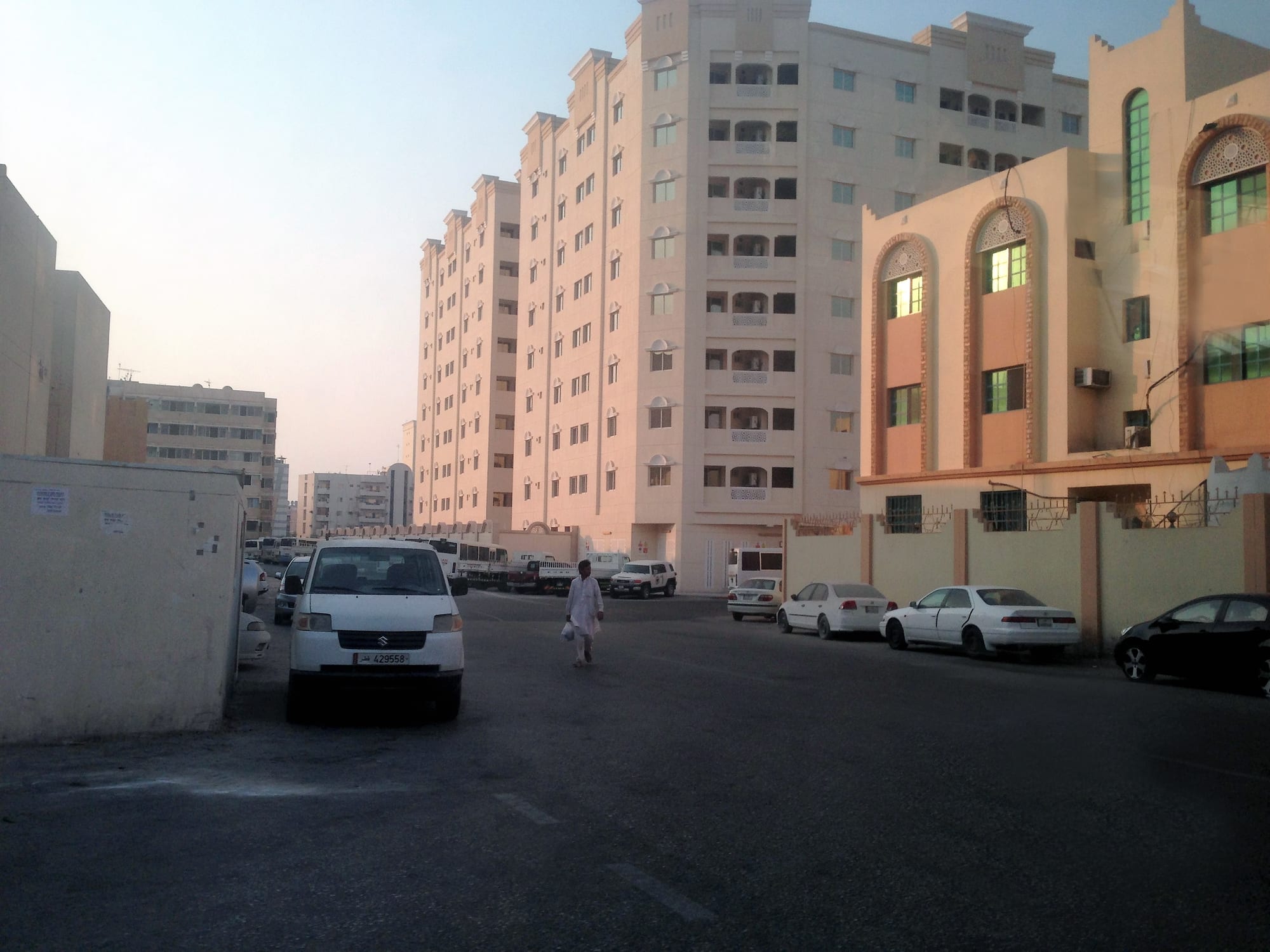
Qatari households are traditionally large and extended, and several generations often live close together, sometimes in the same house or family compound, with homes laid out to keep family areas private from visitors. Housing overall is dominated by low- to mid-rise apartment blocks and villas rather than towers outside the showcase districts. Citizens receive free healthcare and schooling, land grants and interest-free housing loans as part of the state's wealth-sharing model, benefits not extended to the much larger expatriate population.
Work, school and the rhythm of the day
The working week runs Sunday to Thursday, with Friday and Saturday as the weekend, Friday set aside for congregational prayer. The standard working day is eight hours, though government offices often run a single morning shift, roughly 7am to 2pm, while private firms keep longer hours with a midday break. Qatari citizens are a small share of the workforce and concentrated in government and public-sector roles, while the great bulk of everyday labour, construction, retail, transport, domestic work and much of the private sector, is carried out by migrant workers, overwhelmingly from South Asia, the Philippines and other parts of the Arab world. In summer, outdoor manual work is banned by law between 10am and 3:30pm from 1 June to 15 September to protect labourers from heat stress, a rule that visibly reshapes the working day for hundreds of thousands of people each year.
Community life and public spaces
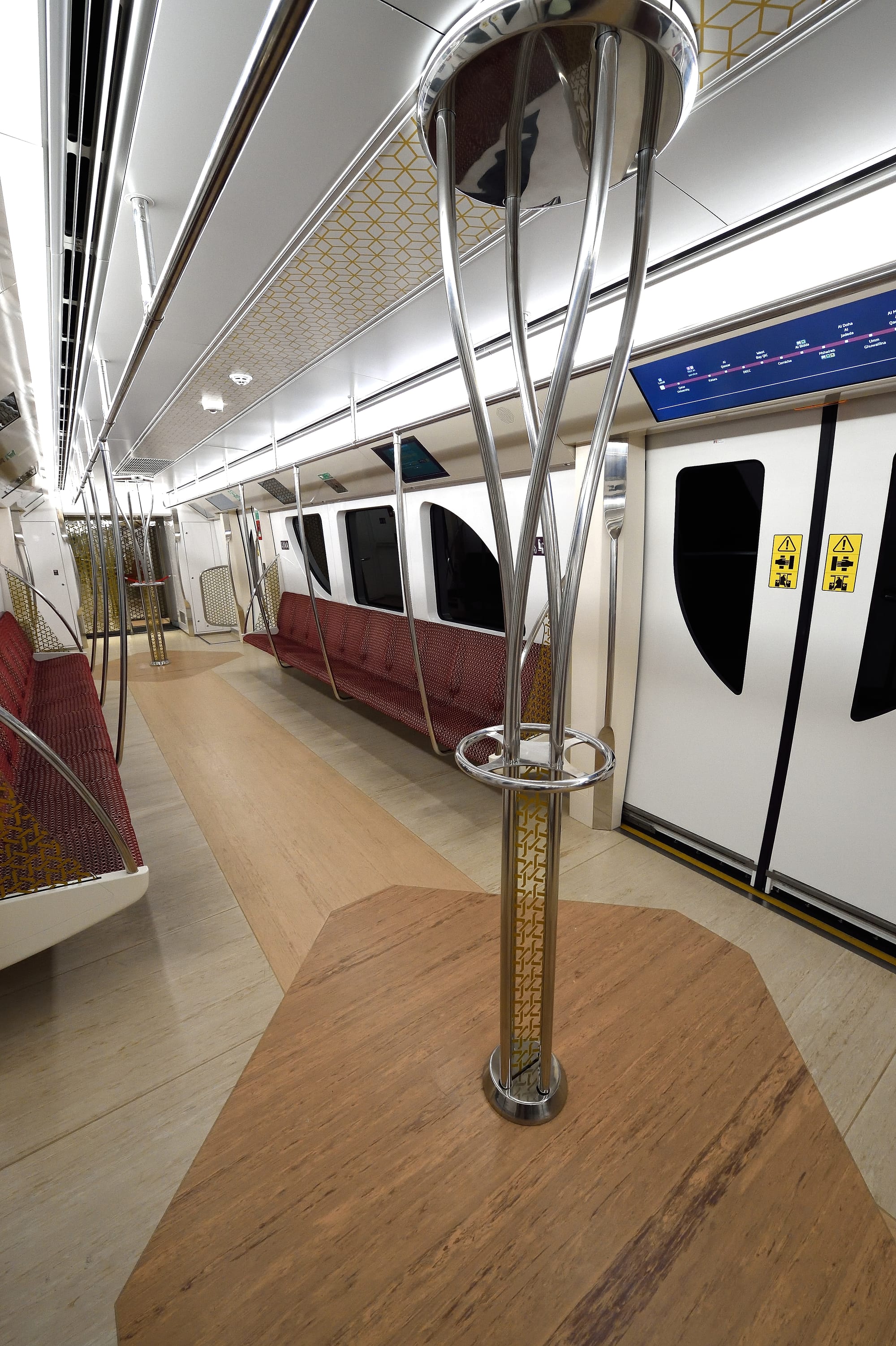
Souq Waqif, Doha's restored traditional market, remains a genuine daily gathering point as well as a tourist draw, busiest in the evening once the heat breaks, selling spices, fabric and food alongside cafés and shisha lounges. The Doha Metro, opened in 2019, has become a real part of daily commuting for many residents, air-conditioned, cheap and clean, running from the airport through the city centre out to the newer districts. The waterfront Corniche functions as the city's shared public living room, a place for an evening walk or a family outing once the temperature allows, used by citizens and expatriates alike.
Free time and weekends
With Friday and Saturday as the shared days off, weekends centre on family visits, particularly the Friday midday gathering after prayers, and, once the weather allows from around November to March, time outdoors at the Corniche, the beach or the desert. Falconry, camel racing and Arabian horse racing retain real followings and are not staged purely for visitors, drawing genuine crowds at winter events. Shopping malls, vast and fully air-conditioned, function as year-round weekend destinations in their own right, especially through the hottest months when outdoor plans are simply not practical. Football is followed closely nationwide, a following sharpened further by hosting the 2022 World Cup.
A visitor's ordinary day
Cards and contactless payment are accepted almost everywhere, so cash is rarely essential beyond the souq and small taxis. The Doha Metro is cheap, easy to use and reaches the airport and most areas visitors need, backed up by inexpensive Karwa taxis and ride-hailing apps. Public life largely shuts down outdoors at midday through summer, so plan sightseeing for the morning or evening and expect malls and museums to be the practical daytime option from roughly May to September. Alcohol is served mainly in licensed hotels, and dress is expected to be modest in public regardless of the heat. Since February 2026 the war involving Iran has disrupted flights, shipping and events across the Gulf, and Qatar itself has been struck, so current official travel advice is worth checking before a trip.
What to take away
An ordinary day in Qatar is shaped less by any single custom than by the country's basic arithmetic: a small, wealthy citizen population and a far larger workforce from elsewhere, sharing the same streets, the same heat, and the same short, cool season when the outdoors is actually usable.