Food · Poland
Poland: Food and the National Dish
A slow-simmered hunter's stew of meat, cabbage and sauerkraut, cooked for days and treated as better with every reheating
By Worldlore Editorial · 16 September 2026
A cuisine built for cold winters and long memories
Polish food leans heavily on cabbage, root vegetables, pork and rye, ingredients suited to a climate with long, cold winters and a farming tradition built around what keeps well through them. Few dishes reflect that logic as directly as the country's national dish, a stew designed to improve with time rather than be eaten fresh.
The national dish: bigos
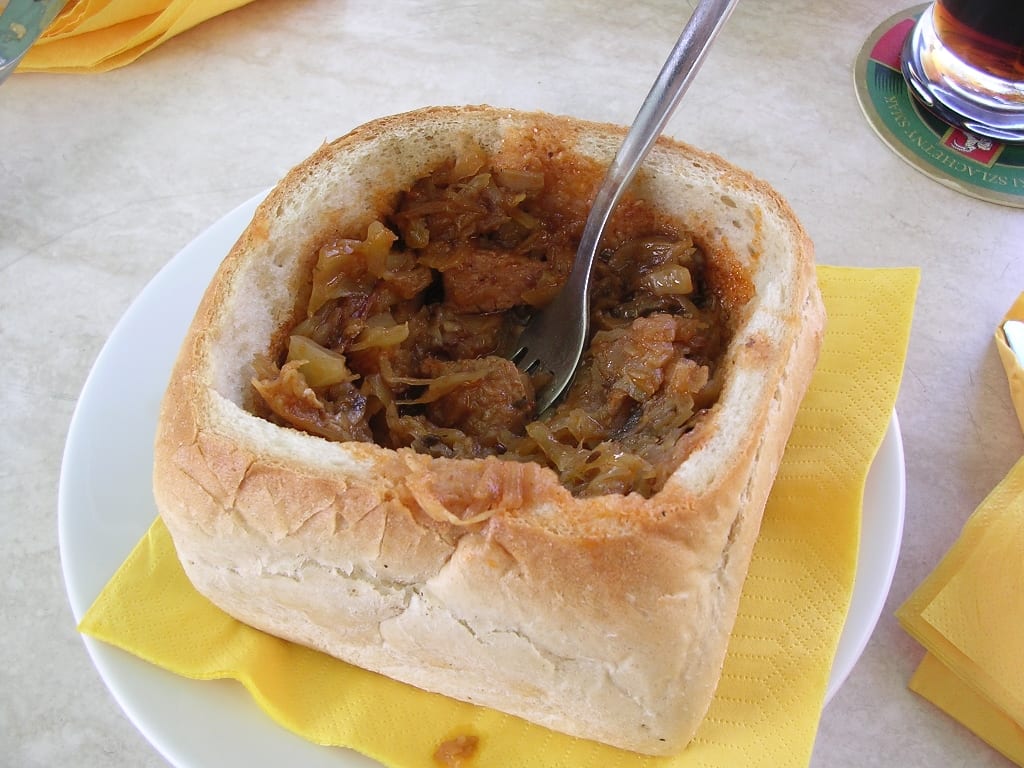
Bigos, a hunter's stew of sauerkraut, fresh cabbage, various meats and sometimes mushrooms and prunes, simmered slowly over hours or even days, is Poland's national dish. Traditionally reheated and eaten over several days, with many Poles insisting it tastes better each time, the dish varies noticeably from household to household depending on what meat and additions are on hand.
Cabbage, pork and a genuinely hearty pantry
Cabbage, in both fresh and fermented sauerkraut form, and pork, whether as sausage, ham or roast, anchor much of everyday Polish cooking, alongside potatoes and rye bread as daily staples. Dill, caraway and marjoram provide the core seasoning, and dried mushrooms, foraged in autumn, add depth to soups and stews throughout the country.
History behind the stew
Bigos traces back to the hunting traditions of the Polish-Lithuanian nobility, where leftover game meat was combined with cabbage and whatever else was on hand and left to simmer over an open fire for days at a time, a practical solution for feeding hunting parties over extended trips. That same logic, using what's available and letting time do the work, still shapes the dish as cooked in Polish homes today, even though the noble hunting parties themselves are long gone.
Dishes to know
Five more to recognise across Poland:
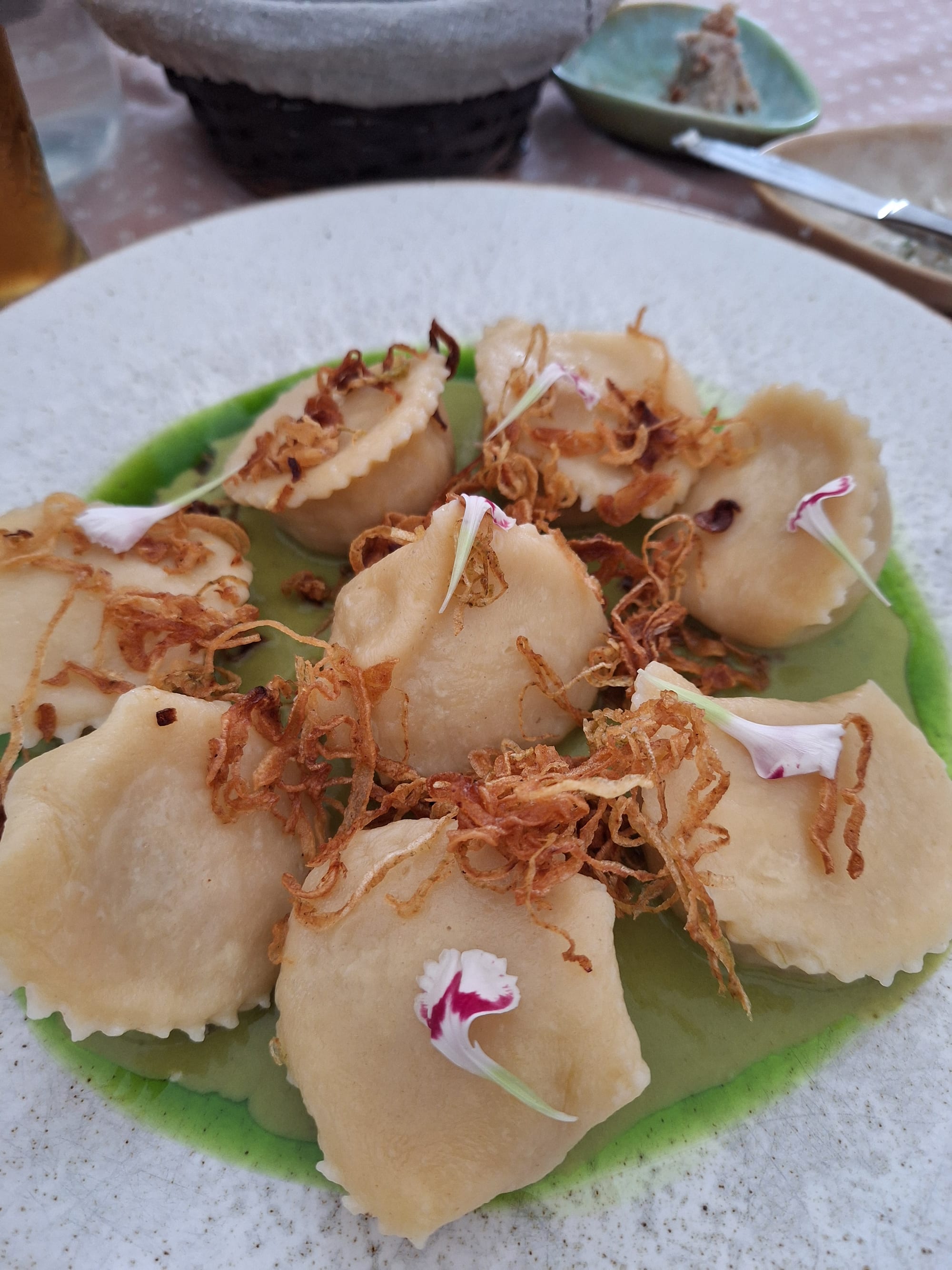
- Pierogi — filled dumplings, savoury or sweet, boiled or pan-fried,
eaten nationwide.
- Żurek — a sour rye-fermented soup, often served with sausage and
boiled egg.
- Kotlet schabowy — a breaded, pan-fried pork cutlet, a common
everyday dinner.
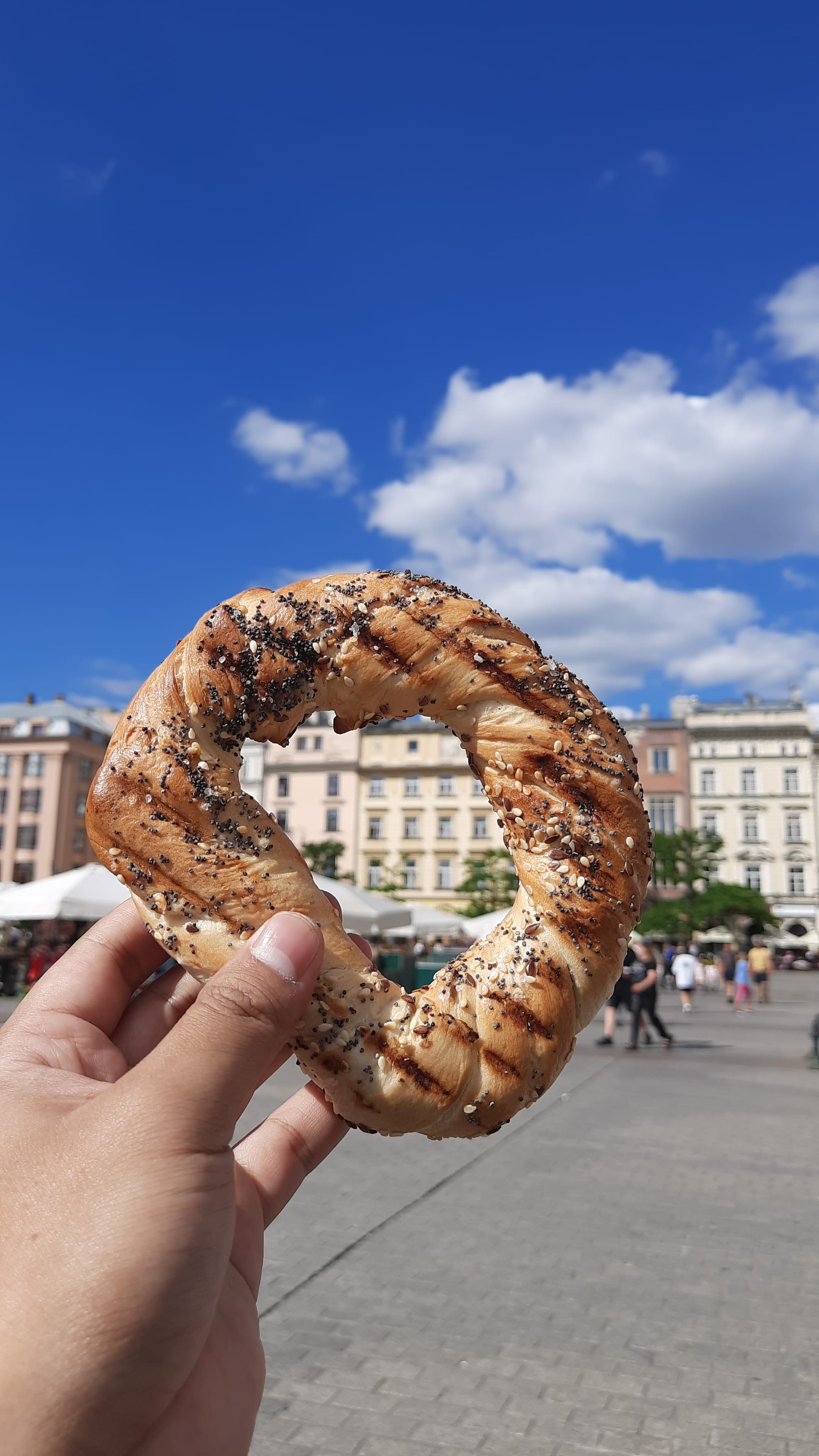
- Obwarzanek krakowski — a ring-shaped, boiled-then-baked bread, sold
from street carts especially in Kraków.
- Barszcz — a beetroot soup, served clear for Christmas Eve or with
additions the rest of the year.
Drinks
Vodka, distilled in Poland for centuries and central to toasts and celebrations, remains the country's best-known spirit. Kompot, a sweet drink made from stewed fruit, and tea are common everyday non-alcoholic choices, and Polish beer is widely and casually drunk.
Eating as a traveller
Vegetarians will find pierogi and cabbage-based dishes manageable, though meat is central to most traditional Polish cooking. Tap water is generally safe to drink across Poland. Trying an obwarzanek krakowski from a street cart in Kraków's Main Market Square is a genuine, low-key way to sample Polish street food while exploring the Cloth Hall and old town.
What to take from the table
Bigos, cooked slowly and eaten better the next day, captures something true about Polish food: patient, hearty cooking built for cold winters and passed down more by household habit than fixed recipe.