Attractions & Natural Wonders · Poland
Poland: Ten Attractions and Natural Wonders
A capital rebuilt brick by brick from wartime rubble, a cathedral of salt carved half a kilometre underground, the largest surviving fortress of the Teutonic Knights, and Europe's last old-growth forest still roamed by wild bison
By Worldlore Editorial · 10 September 2026
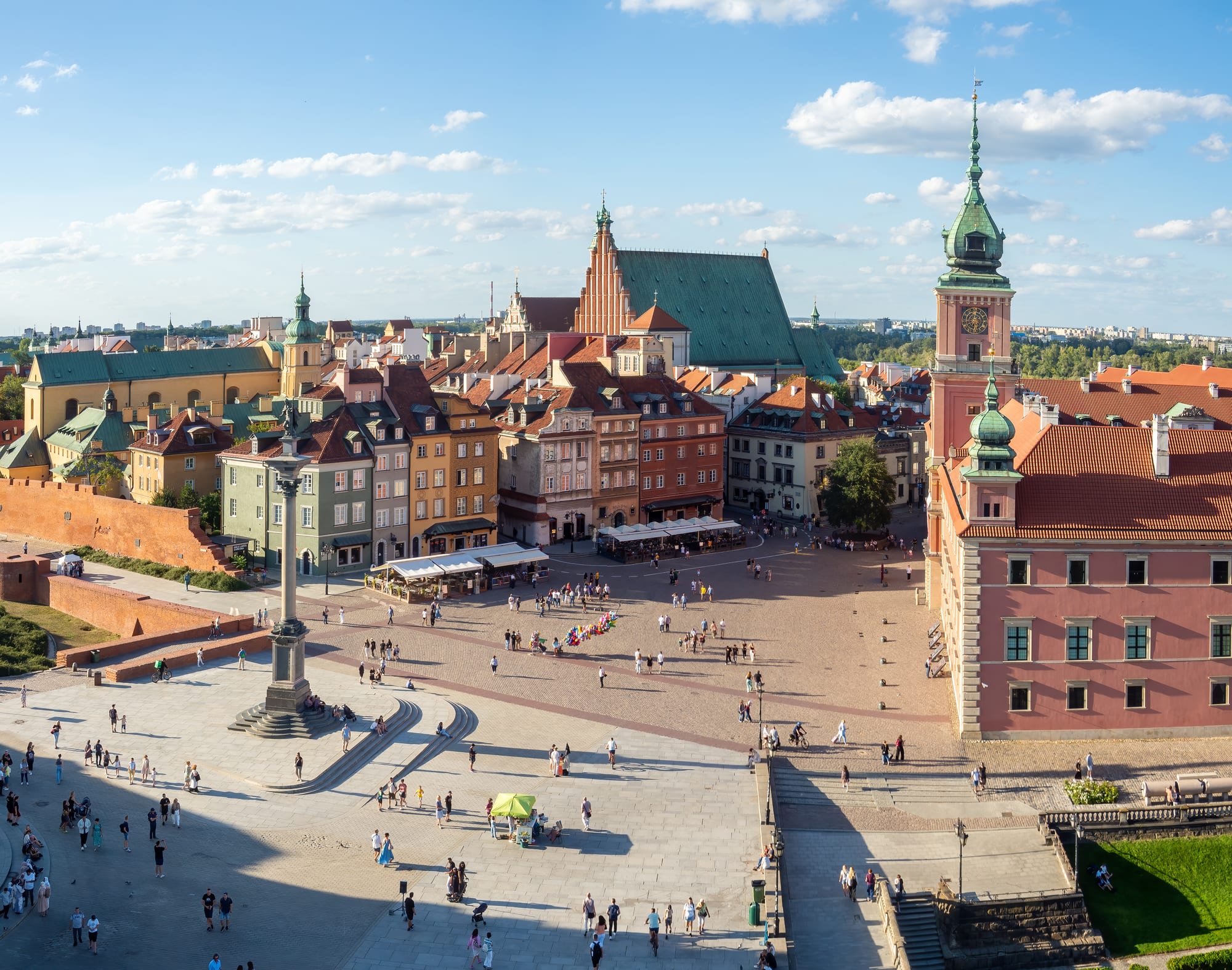
A history of resilience, rebuilding, and remembrance
Poland's history over the past century has been marked by devastating loss — the near-total destruction of Warsaw in World War II, the horror of the Holocaust carried out on Polish soil, and decades under Soviet-imposed Communist rule — and by an equally striking record of recovery and resilience since. Alongside this weighty modern history, Poland holds centuries-older Gothic castles, one of Europe's last fragments of primeval forest, and cities whose old towns, whether painstakingly rebuilt or remarkably preserved, remain some of Central Europe's most rewarding to explore.
The ten below run from Warsaw and Kraków to the Baltic coast and the eastern forests. Spring through early autumn is the most comfortable season for outdoor sights; winter brings a quieter, snow-covered version of the historic cities.
1. Warsaw's Old Town
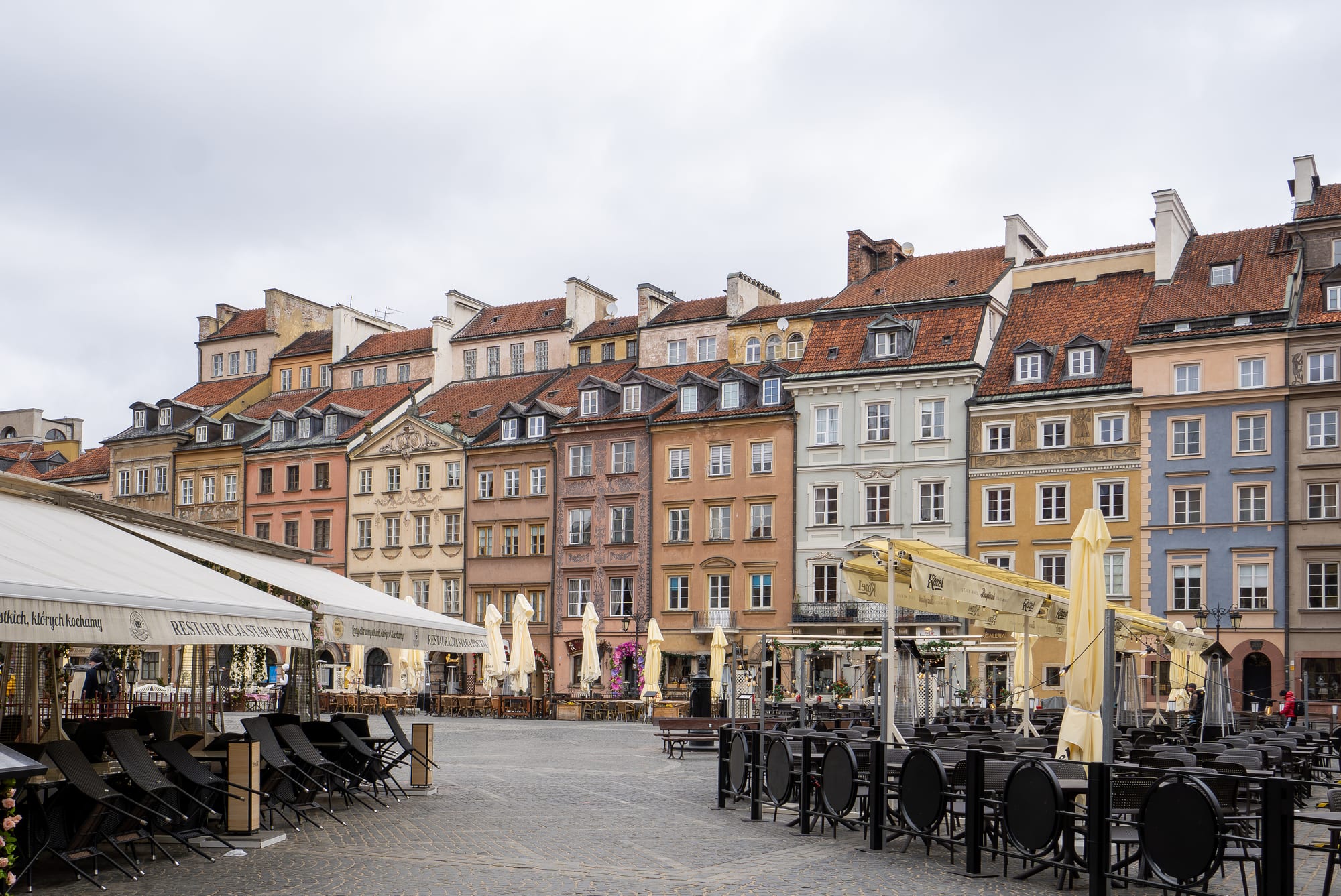
Warsaw's Old Town was almost entirely levelled during World War II, first by German bombing and later, deliberately, in retaliation for the 1944 Warsaw Uprising — the meticulous postwar reconstruction, based on old paintings, photographs, and architectural drawings, is now itself considered historically significant enough to have earned UNESCO World Heritage status, a rare case of a reconstruction being recognised on the same terms as an original. The nearby Warsaw Uprising Museum tells that history in detail.
2. Kraków's Main Square
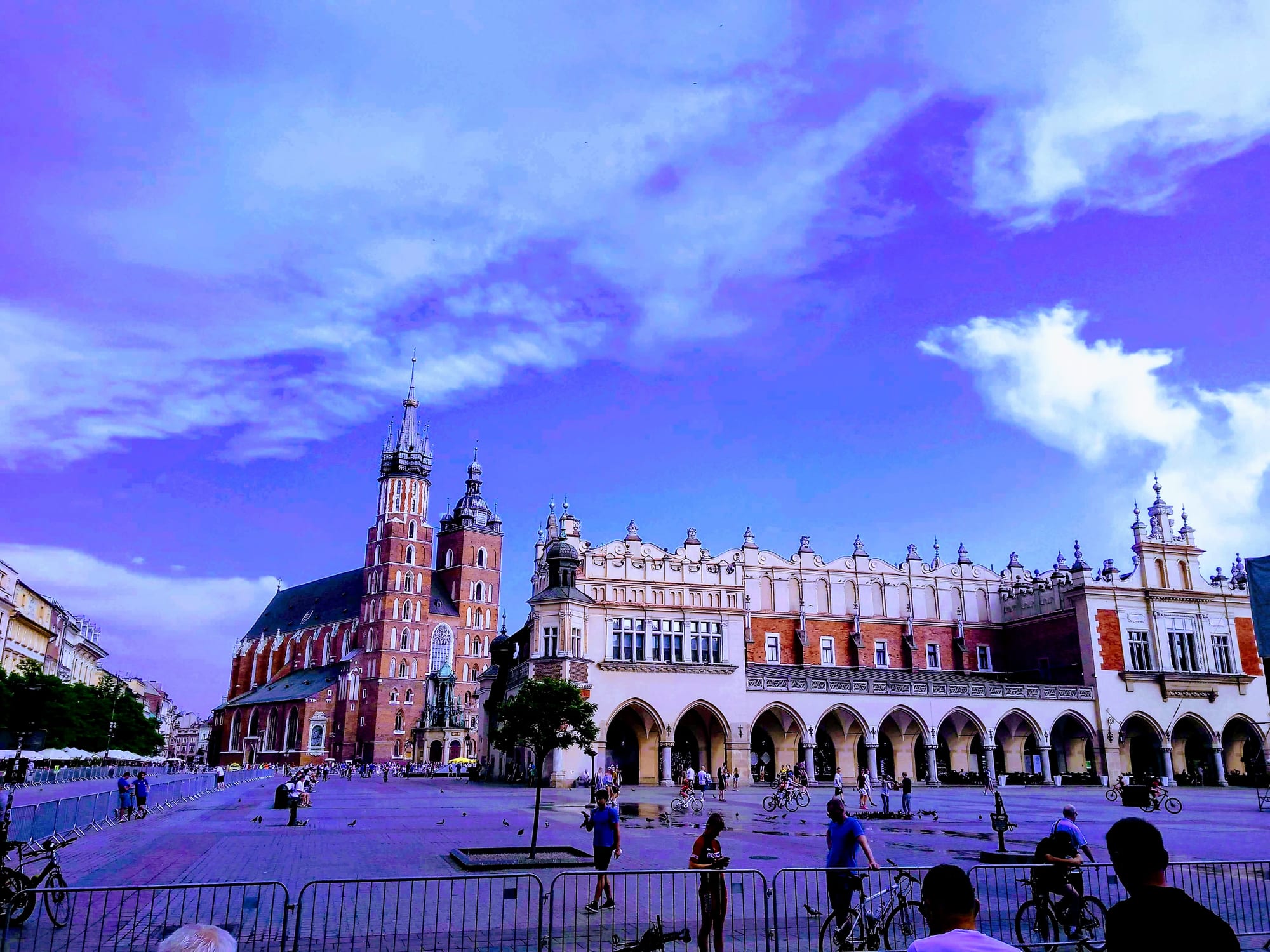
Kraków, Poland's former royal capital, escaped major wartime destruction and retains one of Europe's best-preserved medieval centres, anchored by Rynek Główny, the largest medieval town square on the continent, with its Renaissance Cloth Hall market building at its centre. Wawel Castle and Cathedral, overlooking the Vistula River, add centuries of royal history to a city already dense with churches, courtyards, and student life around its historic university.
3. The Auschwitz-Birkenau Memorial
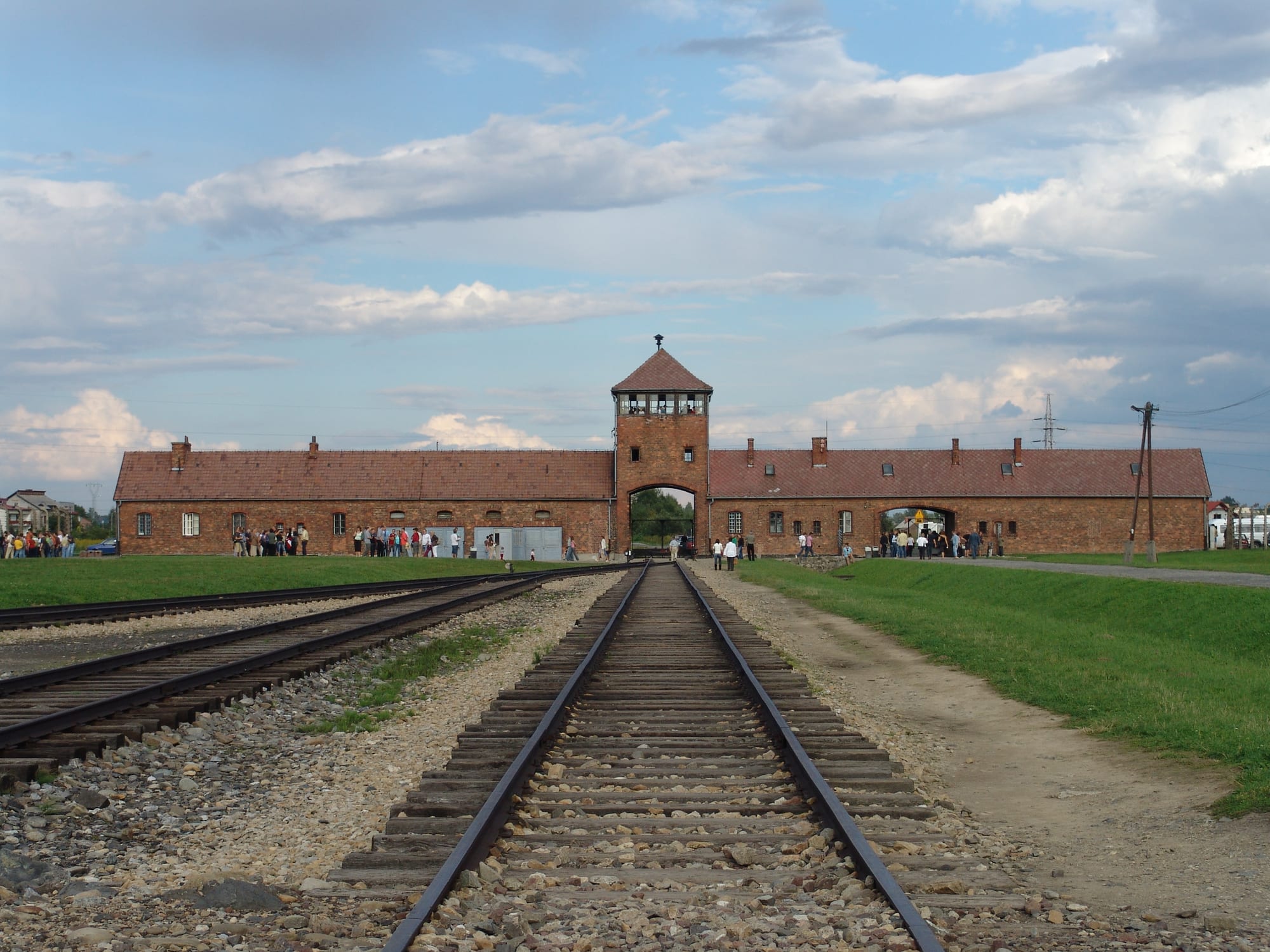
Auschwitz-Birkenau, the largest of the Nazi extermination camps, is preserved today as a memorial and museum documenting the murder of over a million people, the majority of them Jewish, during the Holocaust. Visits are conducted with the gravity the site demands, generally with a guided tour, and stand as one of the most direct and unflinching places anywhere to confront this history. It is a UNESCO World Heritage Site under the name "Auschwitz Birkenau German Nazi Concentration and Extermination Camp."
4. The Wieliczka Salt Mine
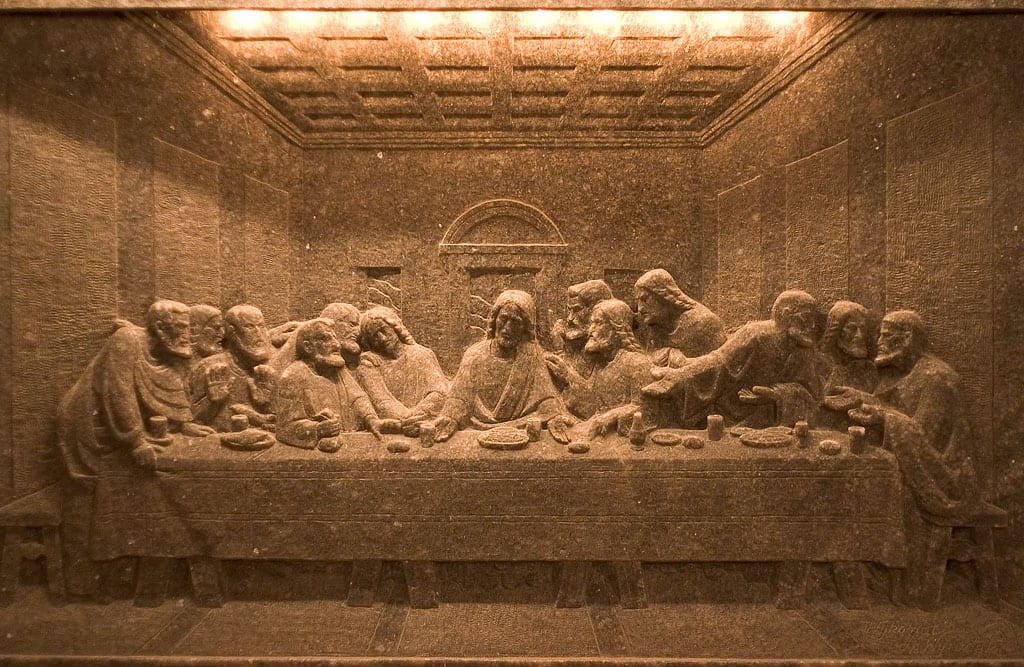
The Wieliczka Salt Mine, worked continuously from the 13th century until 2007, descends over 300 metres and includes an entire cathedral-scale chapel carved from rock salt by miners over generations — altars, chandeliers, and relief sculptures, all salt, alongside underground lakes and galleries open to visitors on a guided route. It is one of the original twelve sites inscribed on the UNESCO World Heritage list in 1978.
5. Malbork Castle
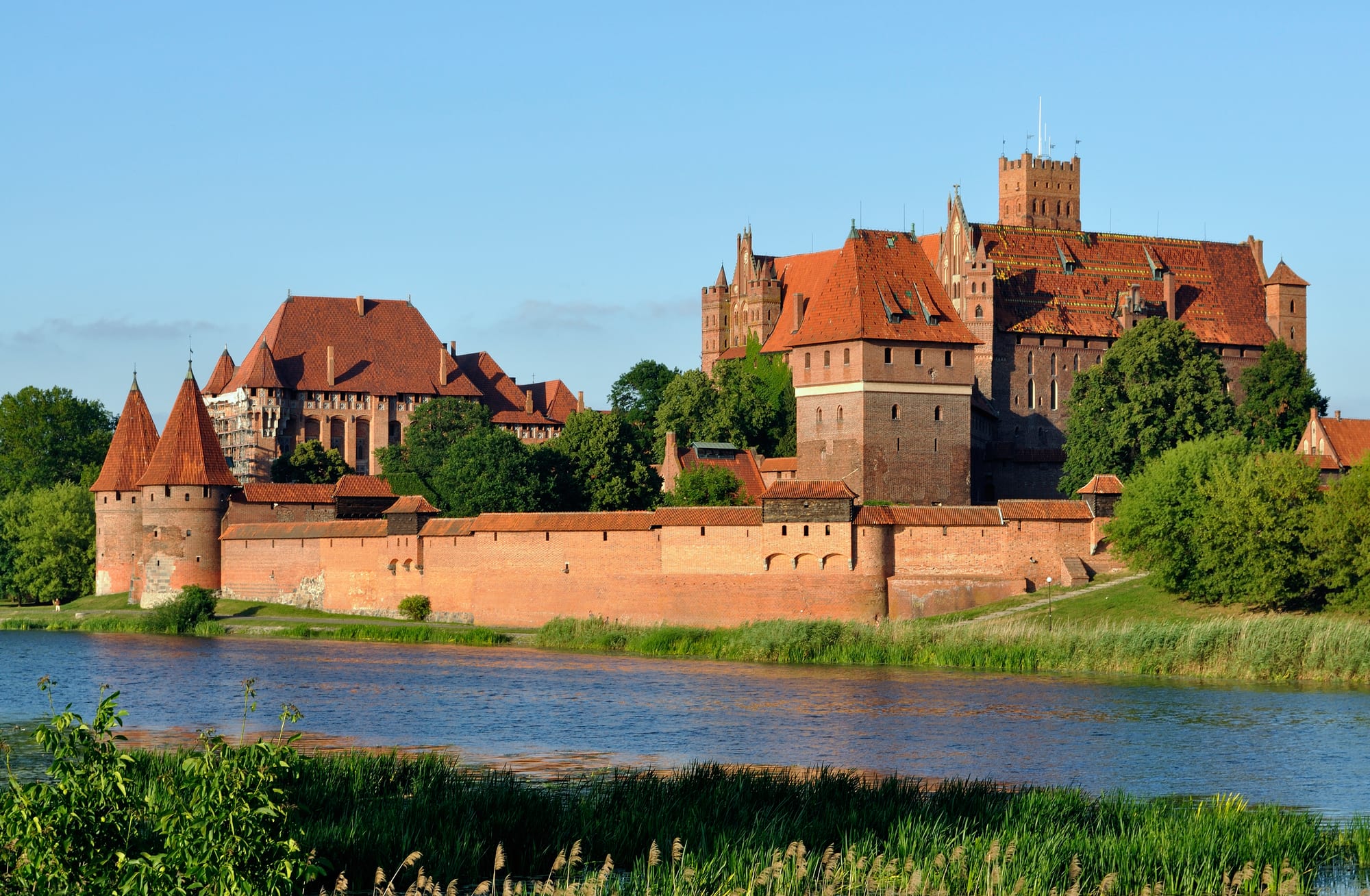
Malbork Castle, built by the Teutonic Knights beginning in the 13th century and later expanded into the largest castle in the world by land area, served as their capital and a fortress of the Northern Crusades. Its scale is best appreciated from across the Nogat River, where the full red-brick fortress complex comes into view; the interior holds armouries, halls, and reconstructed chambers open to visitors.
6. Białowieża Forest
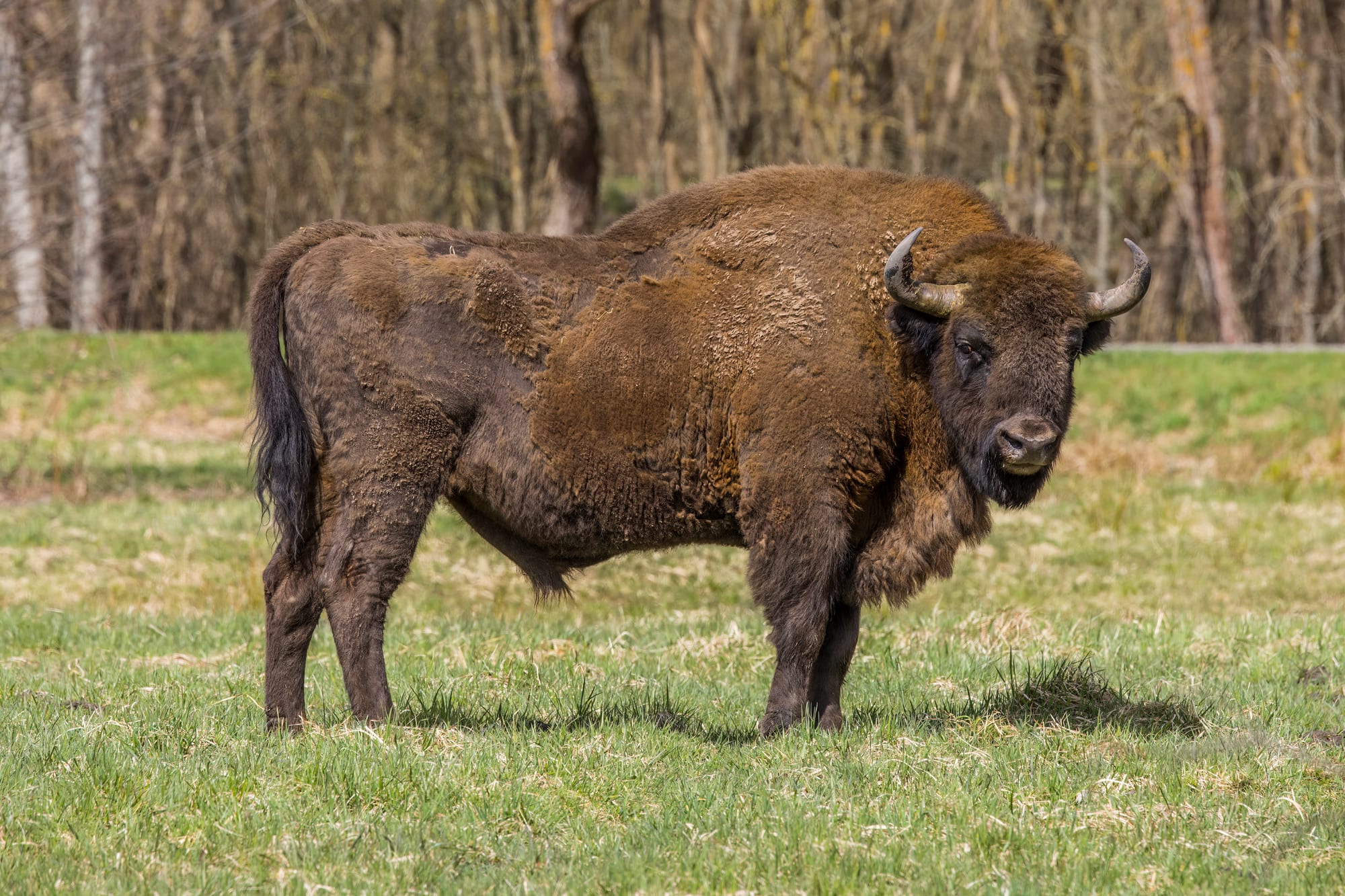
Białowieża Forest, straddling the border with Belarus, preserves one of the last remaining fragments of the primeval lowland forest that once covered much of the European Plain, and is home to Europe's largest surviving free herds of European bison, hunted to extinction in the wild elsewhere by the early 20th century and reintroduced here from captive stock. It is a UNESCO World Heritage Site shared with Belarus.
7. Gdańsk
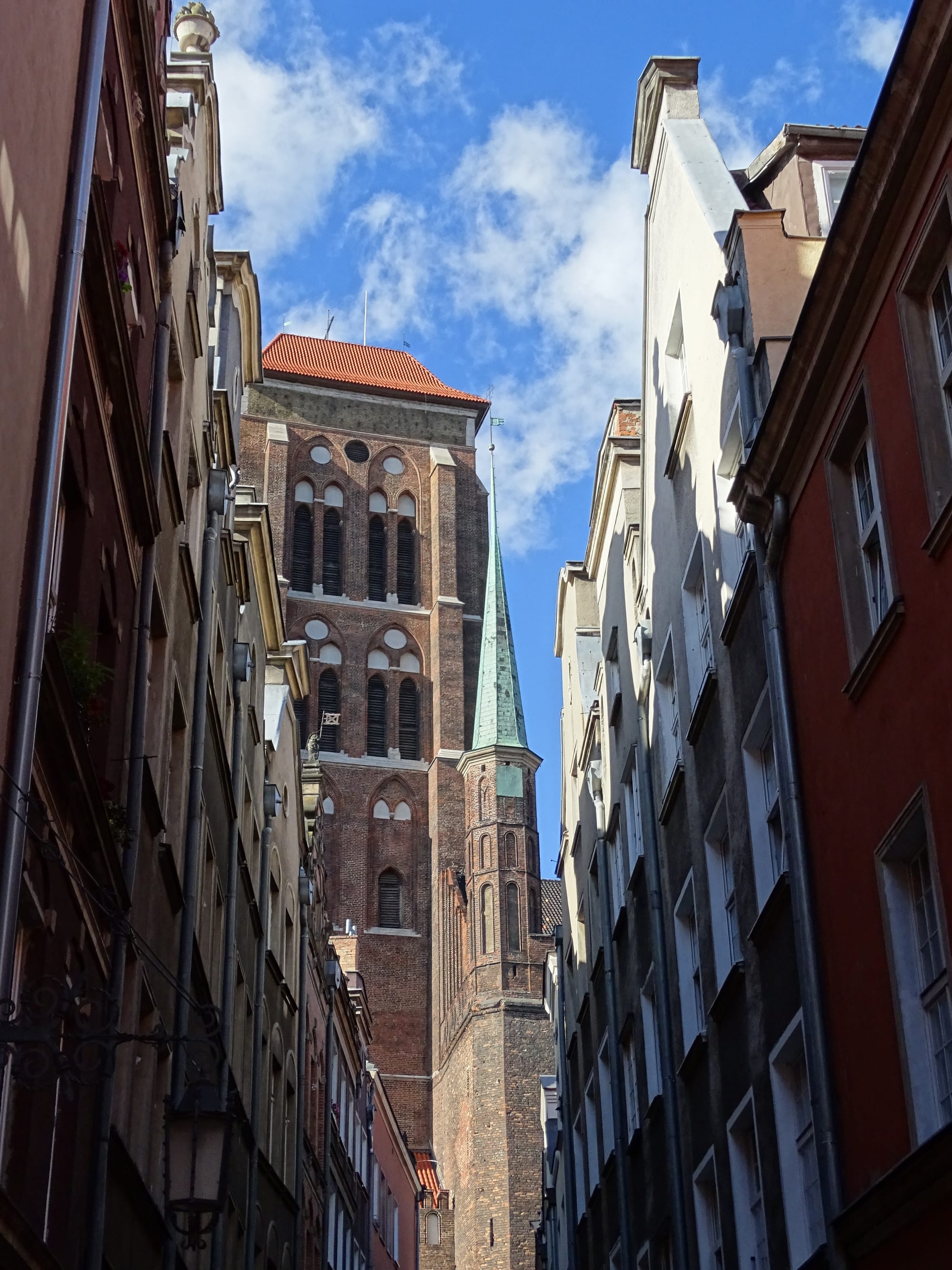
Gdańsk, on the Baltic coast, was for centuries a wealthy Hanseatic trading port, and its Main Town — largely rebuilt after wartime destruction — preserves the ornate merchant architecture that wealth produced. It also holds a pivotal role in more recent history as the birthplace of the Solidarity movement, whose shipyard strikes in the 1980s helped bring about the eventual fall of Communist rule across Eastern Europe.
8. The Tatra Mountains and Zakopane
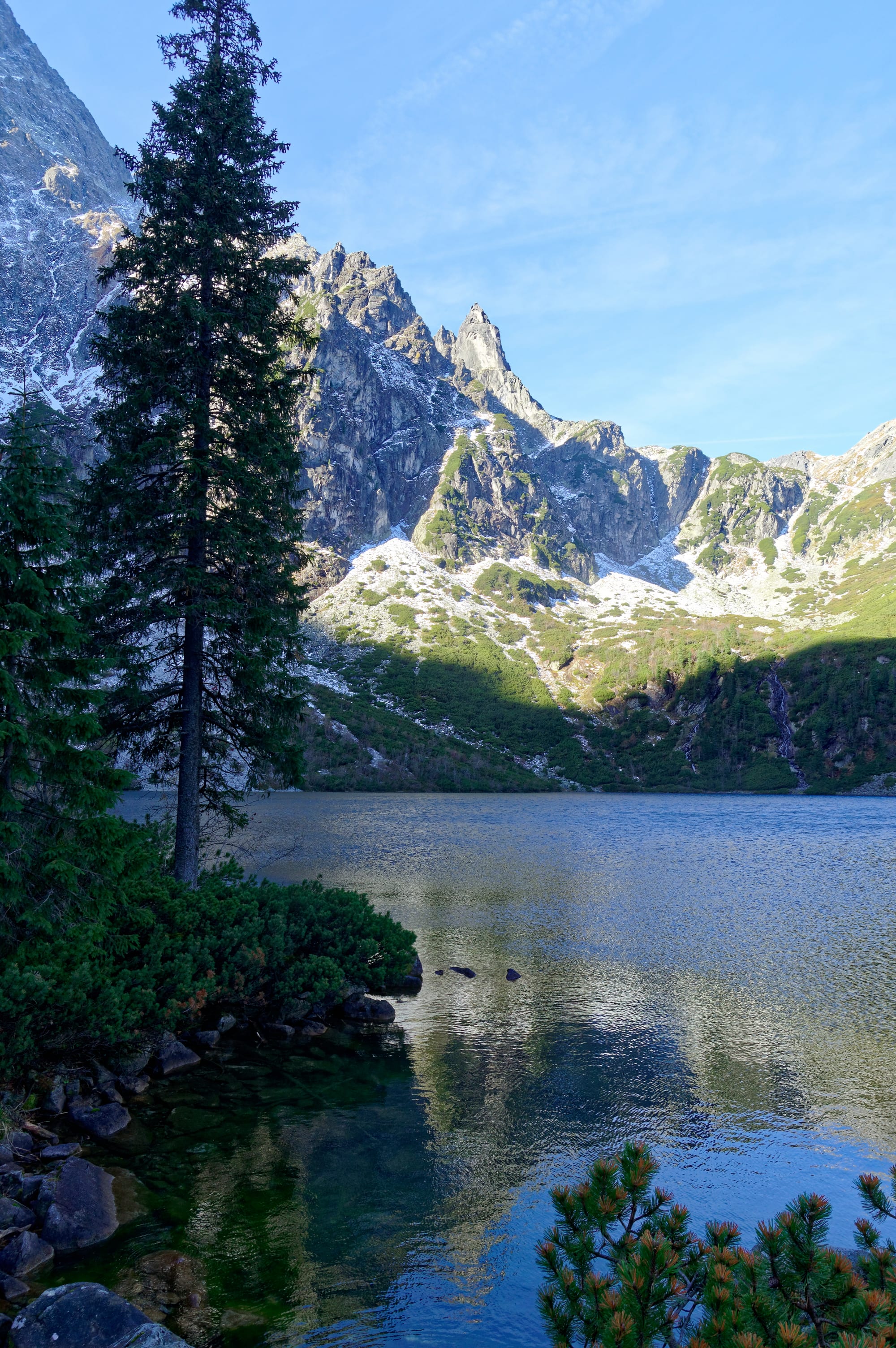
The Tatras, Poland's only true high mountains, rise along the Slovak border above Zakopane, the country's winter-sports capital and a resort town with its own distinctive wooden highland architecture. Morskie Oko ("Eye of the Sea"), a turquoise glacial lake ringed by the range's highest peaks, is the classic hiking destination, reached by a broad gravel path or a horse-drawn cart from the road's end.
Zakopane's Krupówki street, lined with folk-craft stalls and oscypek smoked-cheese vendors, gives the town its own carnival atmosphere alongside the mountains.
9. Wrocław
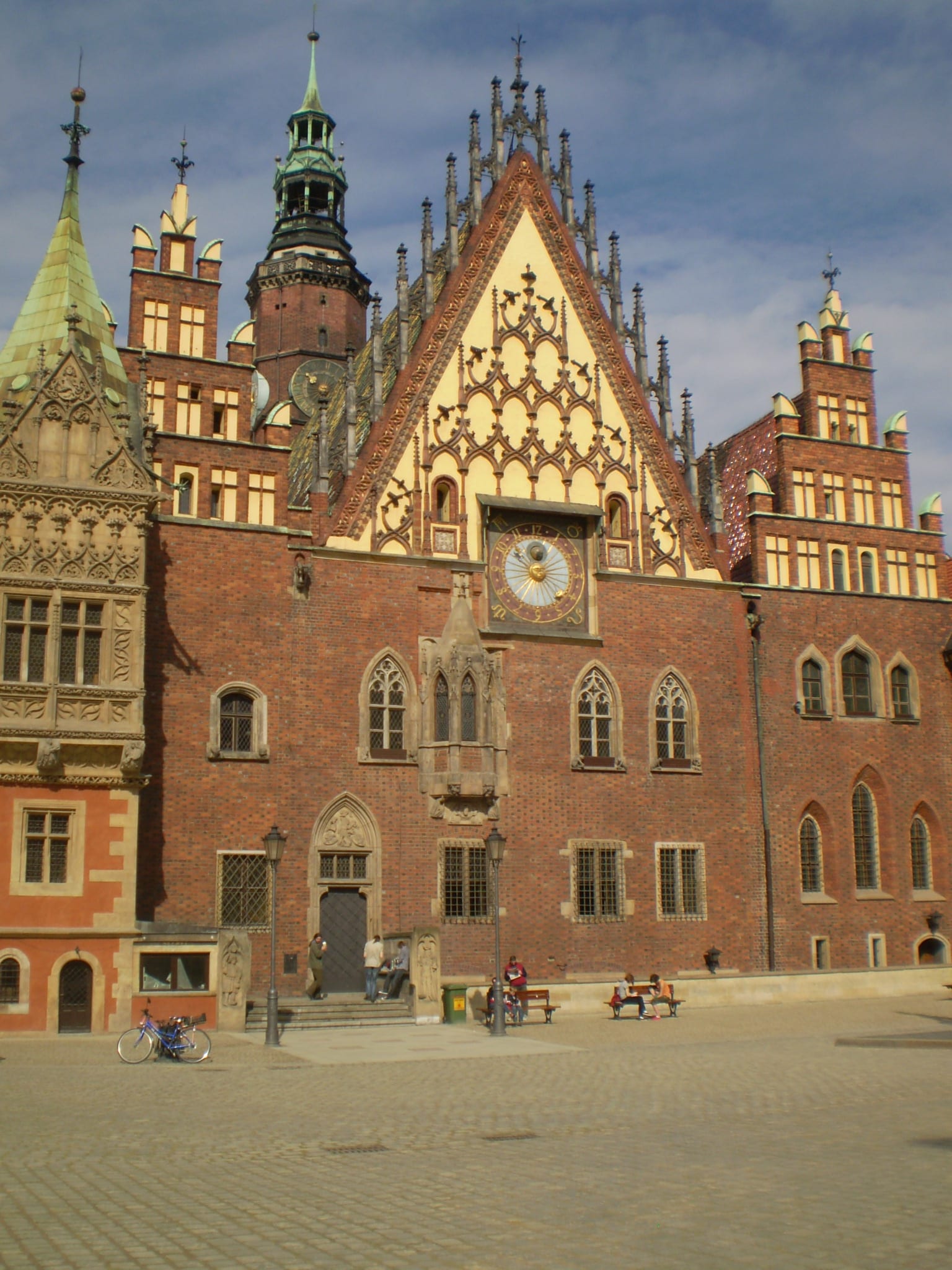
Wrocław, in the southwest, mixes an ornate Gothic-to-Baroque market square with a genuinely unusual civic quirk: more than 350 small bronze dwarf statues (krasnale) scattered around the city, a tradition that began as a wink at a 1980s anti-Communist protest movement and has since become a beloved, ever-growing scavenger hunt for visitors.
The city's Centennial Hall, an early reinforced-concrete landmark, and its many islands and bridges along the Oder River round out a stay.
10. The Masurian Lake District
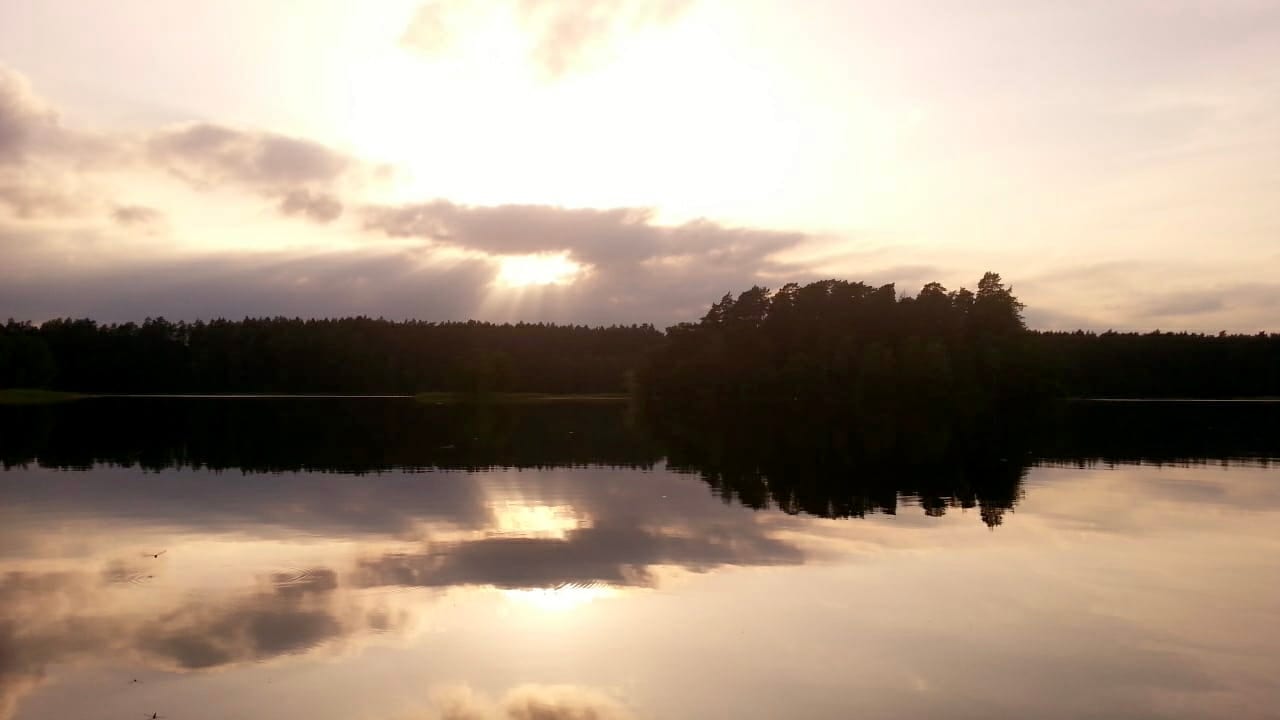
The Masurian Lake District, in the northeast, holds more than 2,000 lakes linked by rivers and canals — the "land of a thousand lakes" — a low-key region of sailing, canoeing, and forest popular with Poles but still little-known abroad. Hitler's wartime Wolf's Lair bunker complex, now a haunting ruin open to visitors, is hidden in the forest nearby.
The lakes are best explored slowly, by boat or bike, over several days rather than as a single day trip.
Poland suits a week to ten days covering Warsaw, Kraków (with Auschwitz and Wieliczka as day trips), and either the Baltic coast or the eastern forests, depending on which appeals more.