Daily Life · Poland
Poland: A Day Built Around One Big Meal
Balcony-lined tower blocks where most people actually live, a subsidised milk-bar lunch that has outlasted communism, and a mid-afternoon dinner that the whole day is quietly arranged around
By Worldlore Editorial · 30 September 2026
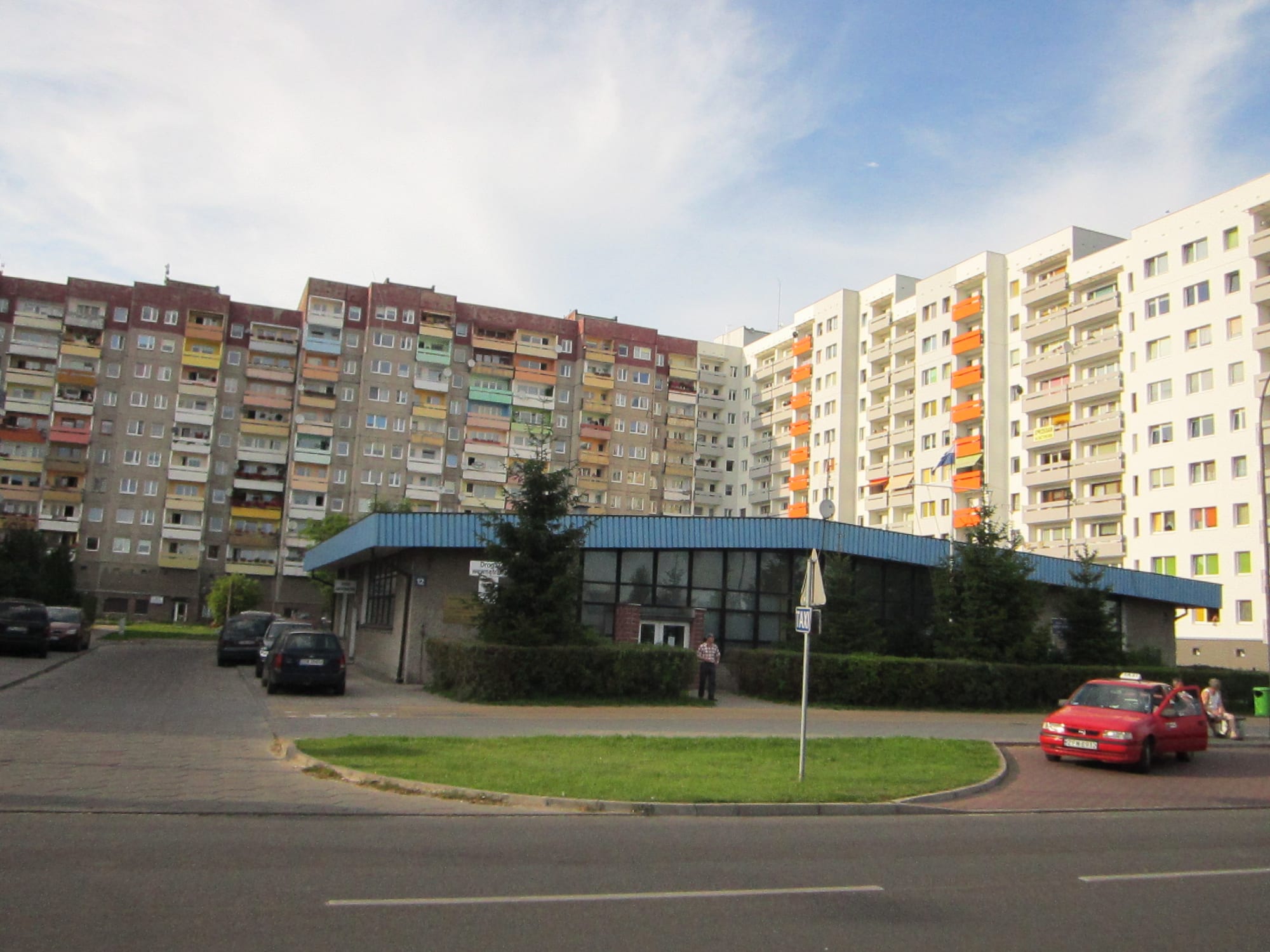
Life in Poland moves around a single big meal more than around any single clock. Mornings start early and briskly, with a light breakfast and a short commute; the working day runs into mid-afternoon; and then, somewhere between three and five o'clock, many households sit down to obiad, a substantial two-course dinner that is the actual centre of the day, not an evening one. Around that fixed point, the rest of daily life is fitted in: work, school, a stop at the corner shop, and, for a great many people, a return each evening to a flat in one of the tower blocks that house a large share of the country's urban population.
Family and home life
Most city dwellers live in flats rather than houses, a large number of them in wielka płyta blocks, prefabricated concrete apartment buildings put up in vast numbers during the communist era and still home to millions of people today, since renovated, re-clad and often brightened with paint and balcony gardens. Housing costs have risen sharply in recent years, and more than half of Poles aged 25 to 34 now live with their parents, one of the highest rates in the European Union, with the cost and scarcity of housing widely cited as a reason. Grandparents remain closely involved in many households even where they live apart, frequently helping with childcare, and Sunday lunch with the extended family is still treated as a fixture rather than an occasion.
Work, school and the rhythm of the day
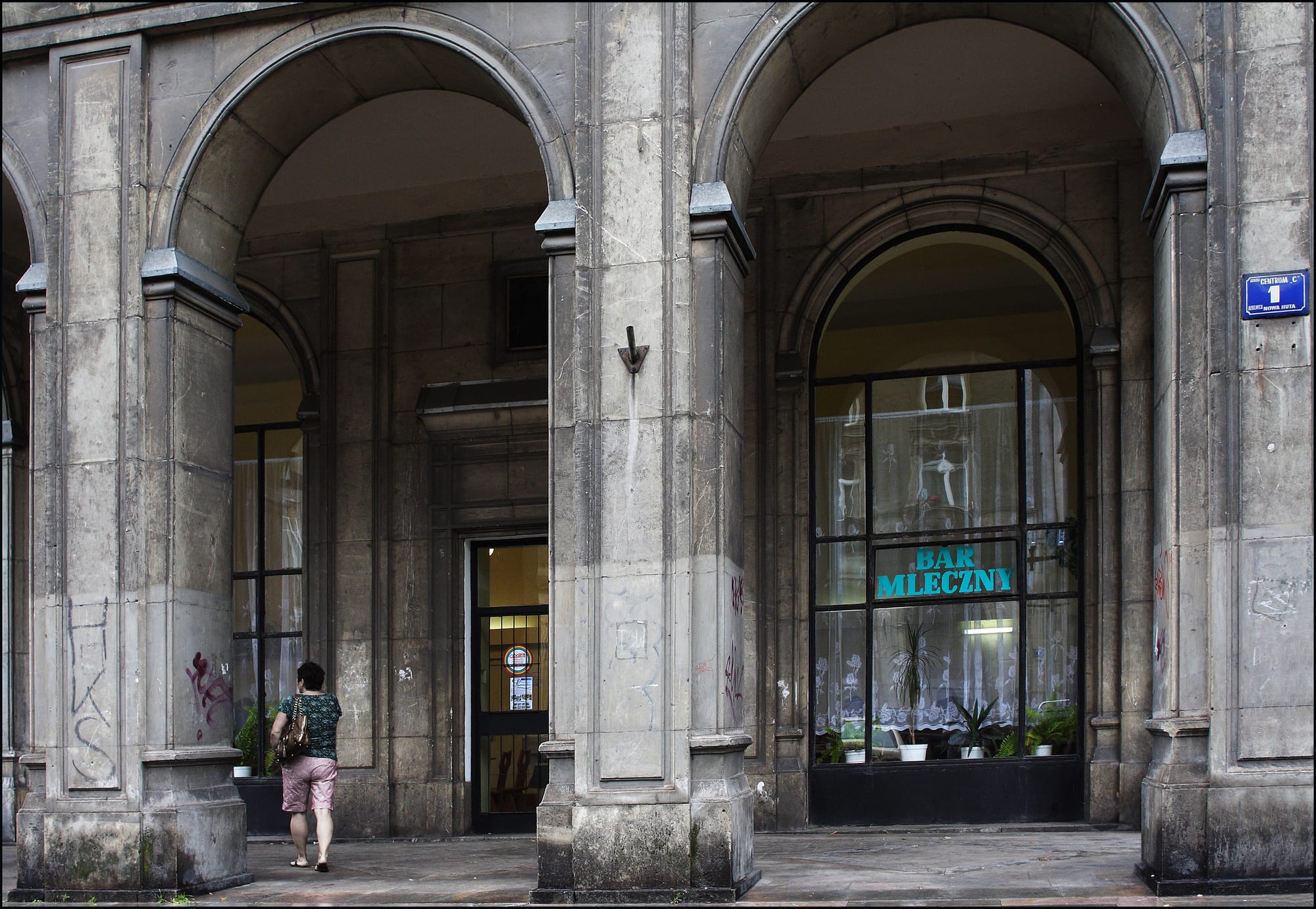
Poles work some of the longer hours in the European Union, around forty a week for full-time staff, often eight-to-four or nine-to-five, and increasingly with flexible or hybrid arrangements in larger firms since the pandemic. School commonly starts at eight in the morning, with lessons running in forty-five-minute periods until early-to-mid afternoon. Much of the household is often home by mid-to-late afternoon, which is exactly when obiad is eaten: a proper sit-down meal with two courses, most often soup followed by a main, treated as the day's principal meal rather than a quick lunch. A lighter supper, kolacja, follows in the evening, generally after seven. Milk bars, bar mleczny, remain a normal part of the working day for many people: cafeteria-style canteens that trace back to the first milk bar, opened in Warsaw in 1896, and were subsidised heavily under communism to guarantee a cheap hot meal, still serving low-cost, simple Polish food to office workers, students and pensioners in cities across the country.
Community life and public spaces
Poland has a strict Sunday trading ban: most shops, including supermarkets and shopping-mall stores, close on most Sundays, though small owner-run shops, petrol stations, pharmacies and cafés stay open, a rule that noticeably slows the pace of the week's one full rest day. Local markets, both permanent covered halls and open-air stalls, remain a normal place to buy fresh produce, meat and flowers, especially for older generations, alongside the supermarkets that dominate everyday shopping. Cities are dense with trams, buses and, in the largest ones, metro lines, which carry most day-to-day movement, while smaller towns rely more on buses and private cars. Church squares, market squares and the courtyards between apartment blocks all function as informal gathering points, though none more so than the block courtyard itself, where children play and neighbours pass each other daily.
Free time and weekends
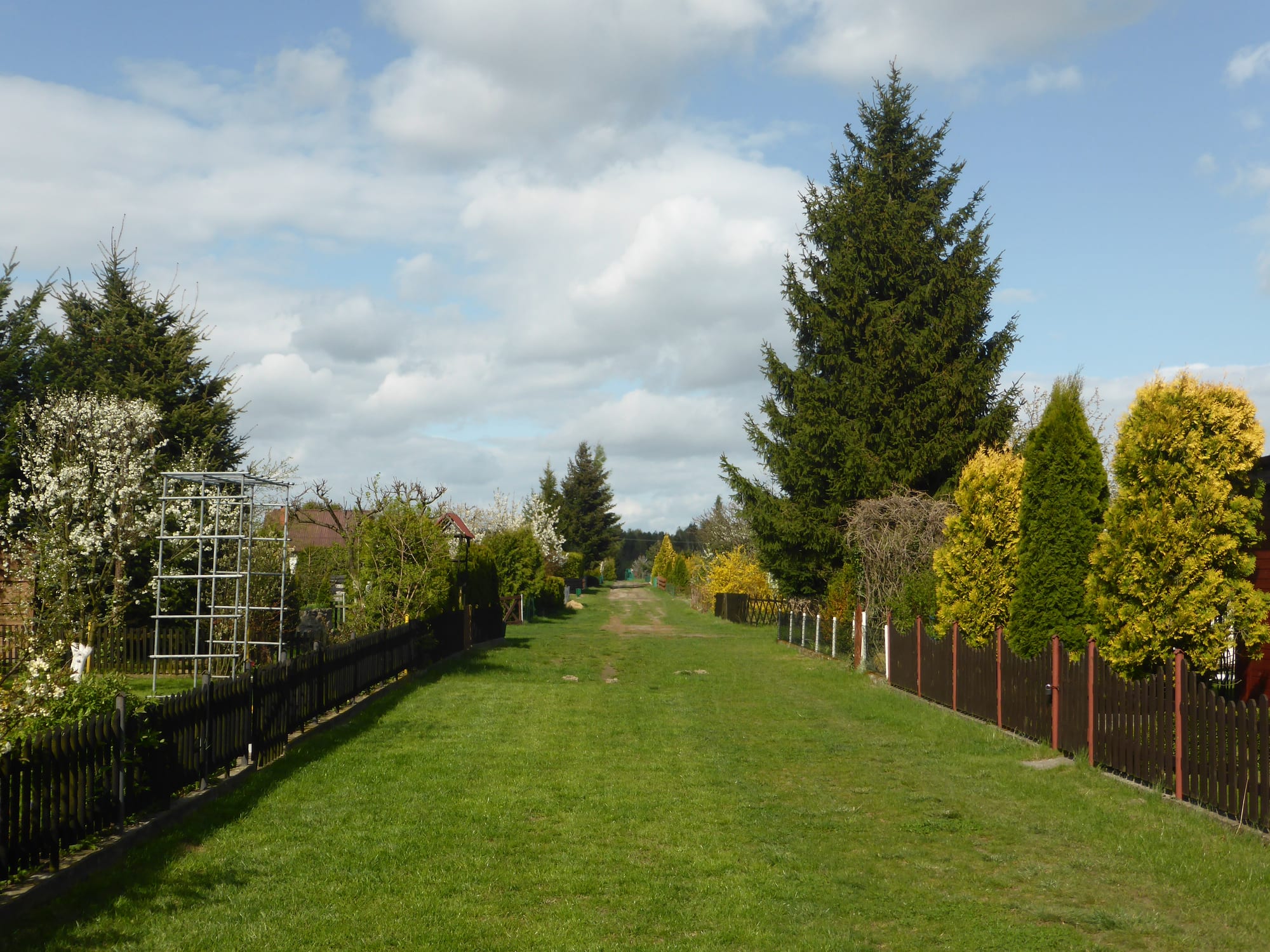
Close to a million Poles, many of them older, keep a plot in a family allotment garden (rodzinny ogród działkowy), a fenced plot of a few hundred square metres on the edge of town where they grow vegetables and fruit and spend weekend afternoons gardening, grilling and relaxing away from the flat. Weekends otherwise centre on the extended-family lunch, church for practising Catholics, and, weather allowing, a trip to a park, lake or, where distance allows, the mountains in the south or the Baltic coast in the north. Football draws national attention on match days, and a long-running café culture, sitting over coffee and cake, remains a normal way to spend a free afternoon in towns of any size.
A visitor's ordinary day
Cards and contactless payment are accepted almost everywhere, including at ticket machines in many cities, though small bakeries and market stalls are still easiest with a little cash. Expect most shops to be closed on most Sundays, with only small owner-run stores, petrol stations, cafés and pharmacies open, so plan any big grocery run for a weekday or Saturday. Restaurants and milk bars typically serve their main hot meals at lunchtime through mid-afternoon rather than late in the evening, mirroring the obiad pattern many locals still follow. Trams and buses run frequent, ticketed services in the cities, usually bought from a machine or an app before boarding rather than from the driver, and fast intercity trains connect the major cities well, though advance fares are often cheaper.
What to take away
What organises an ordinary day in Poland is less the working week than the meal at its centre: obiad in the mid-afternoon shapes when school ends, when the tram is busiest, and when a flat in one of the country's countless apartment blocks briefly fills with the whole household at once.