Daily Life · Philippines
Philippines: The Family That Spans an Ocean
Multigenerational households anchored by grandparents, a school day split into shifts, and a country where remittances from abroad reached a record 35.6 billion US dollars in 2025
By Worldlore Editorial · 30 September 2026
An ordinary day in the Philippines is rarely lived by one household alone. Grandparents, aunts, and cousins are folded into the same roof or the same street in many families, the school day in many schools runs in shifts to fit everyone in, and for a great many families the day is also shaped by someone who is not there at all — a parent or sibling working abroad, sending money home and joining the household by phone each evening instead of at the dinner table. Between the roughly twenty tropical cyclones that enter its waters in a typical year and the fiesta calendar that gives nearly every town its own patron saint's feast, daily life here is practised, adaptable, and rarely quiet.
Family and home life
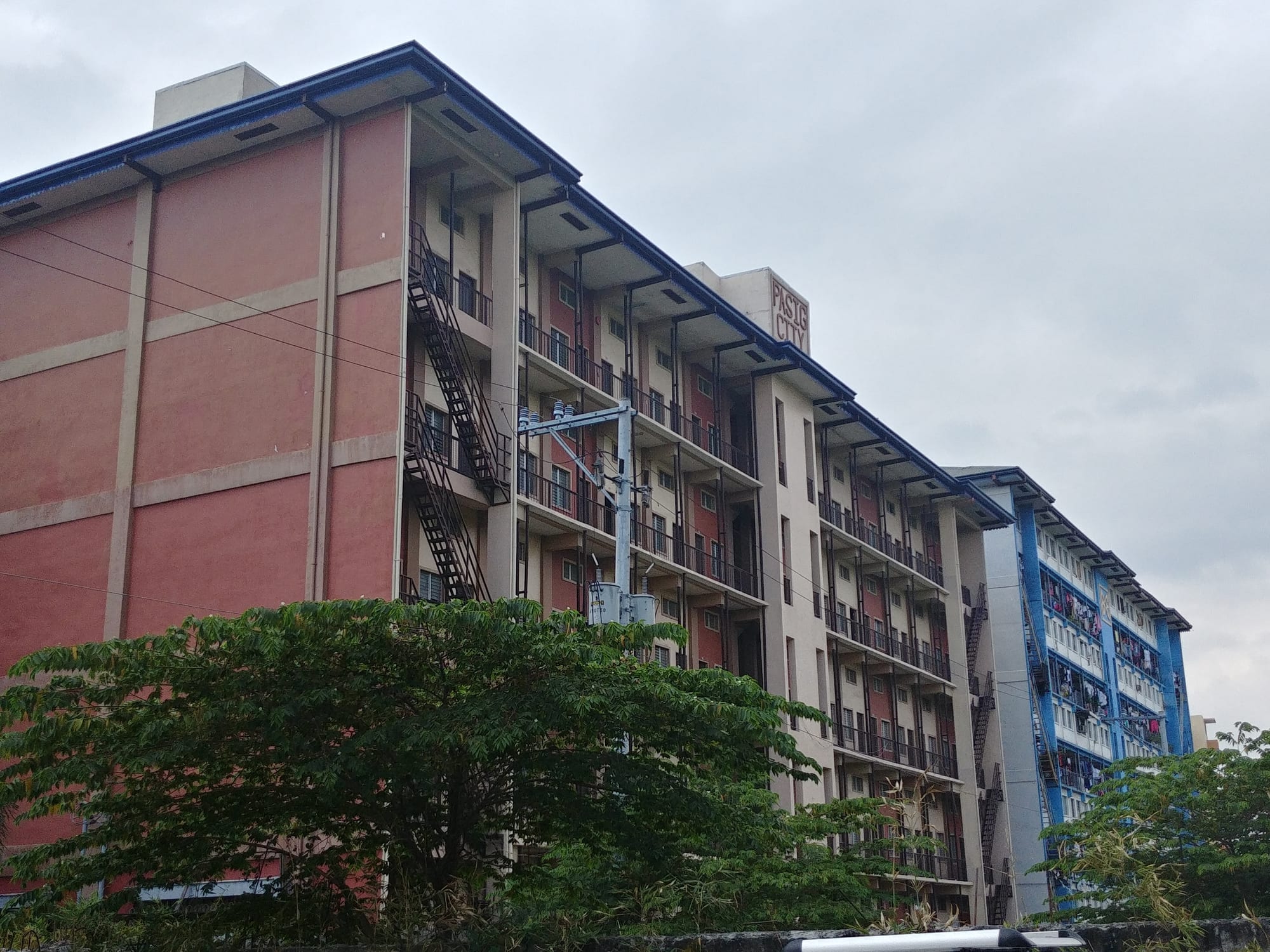
Filipino households have traditionally centred on the nuclear family, but extended living has grown rather than faded: close to three in ten Filipino families now live in extended or multi-family households, up from around a quarter in 1990, according to the Philippine Institute for Development Studies, as adult children, grandparents, and sometimes in-laws share one roof to manage housing costs and childcare together. Grandparents in particular often take on daily childcare while parents work, a role made more common still by the number of parents working overseas. Homes range from single-family houses to dense apartment blocks and government-built tenement housing in the cities, and it is common to see laundry drying on balconies and stairwells, washed by hand or machine but rarely tumble-dried.
Work, school and the rhythm of the day
The law sets a normal working day of eight hours with at least one rest day a week, and many office and government jobs run a five-day week with weekends free. Traffic dictates the shape of the day in the cities more than the clock does, and long commutes are common enough that many workers leave home before dawn. Classroom shortages mean many public schools in crowded areas split the day into a morning shift and an afternoon shift, with different pupils rotating through the same building rather than attending together. Underneath all of it sits the country's defining economic fact: around ten million Filipinos live or work abroad, among them nurses, seafarers, domestic workers and labourers, and the money they send home reached a record 35.6 billion US dollars in cash remittances in 2025, equal to more than seven percent of the country's entire economic output.
Community life and public spaces
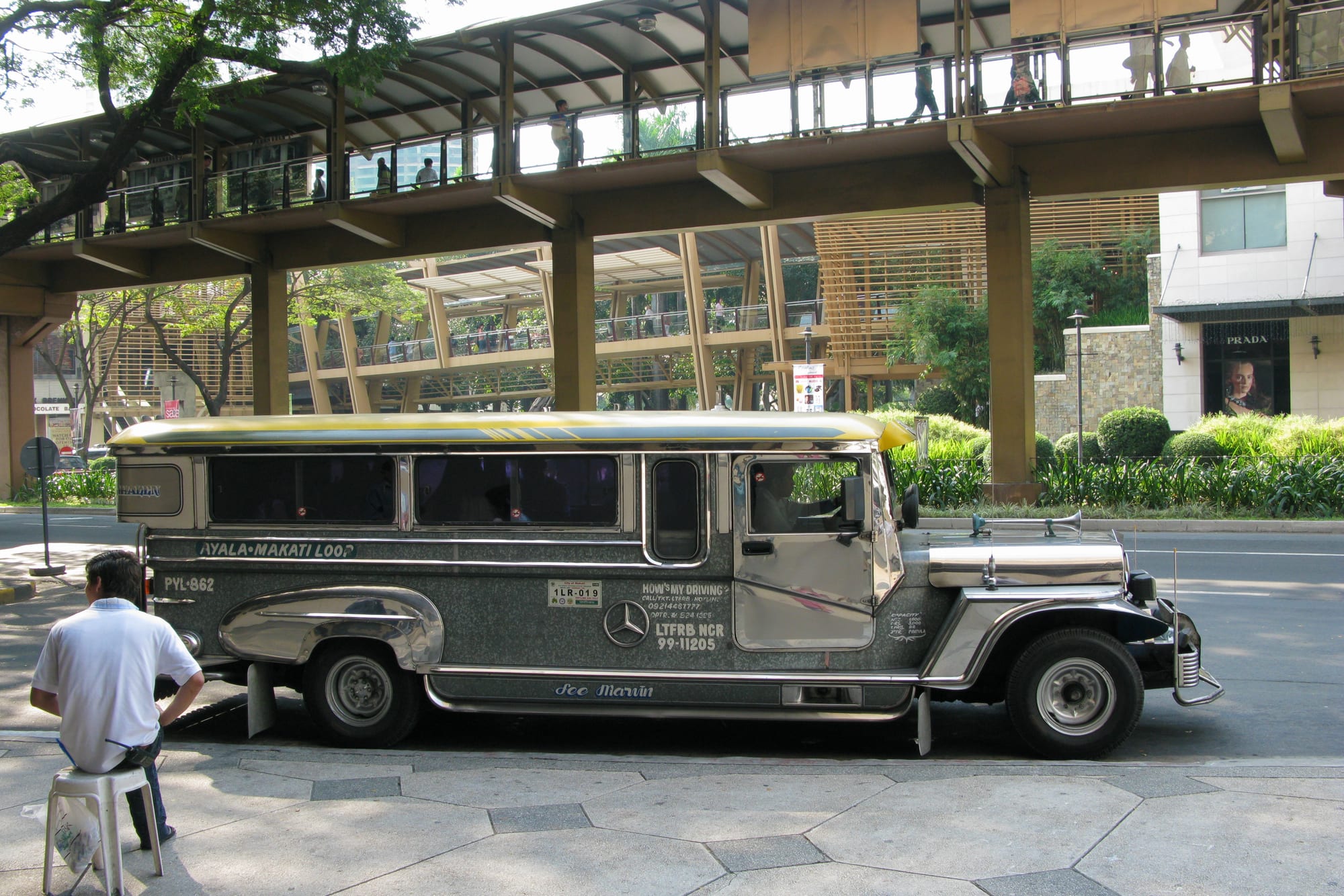
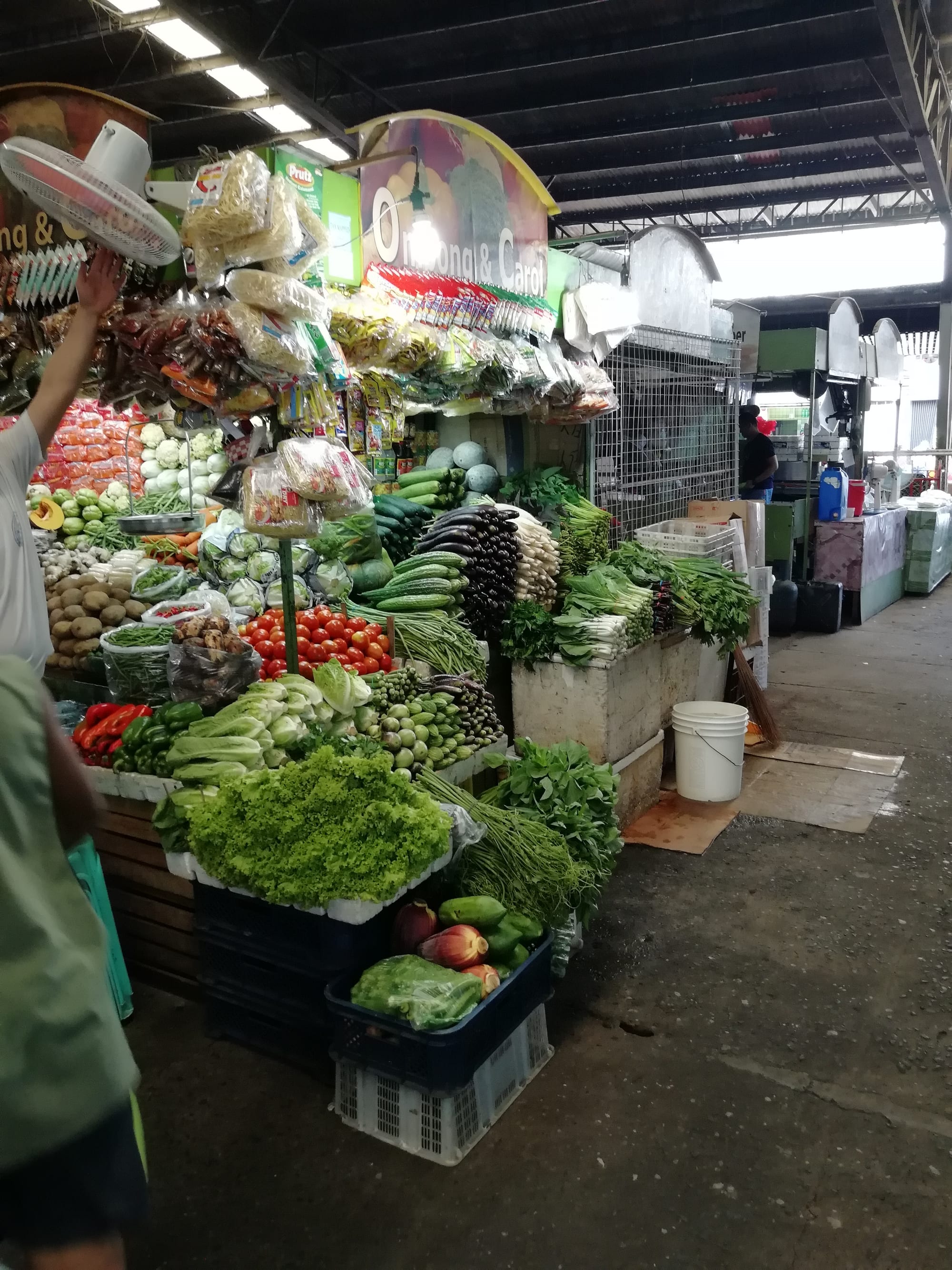
The wet market remains a daily anchor for food shopping in many neighbourhoods, stalls of vegetables, fish, and meat operating from early morning, alongside the ubiquitous sari-sari store, a small home-front shop selling anything from instant noodles to single cigarettes. Jeepneys, buses, and increasingly tricycles and motorbike taxis carry the bulk of everyday movement; in Metro Manila alone an estimated nine million commuters take a jeepney each day, though a government modernisation programme has been phasing older units out in favour of newer, cleaner vehicles. Shopping malls, air-conditioned and enormous by regional standards, have become genuine community space in the cities, doubling as places to meet, eat, and simply escape the heat, not just to shop.
Free time and weekends
Basketball is the closest thing the country has to a shared national pastime, played on hoops nailed to walls and posts in barangays across the islands, and followed closely on television regardless of a person's own ability to play. Sunday Mass anchors the weekend for the large Catholic majority, and each town's fiesta, a multi-day celebration built around its patron saint, draws home relatives who work elsewhere in the country or abroad, turning an ordinary weekend into a full community reunion. Karaoke, widely available on home machines and in small neighbourhood bars, is a genuine national institution rather than a novelty, and weekend gatherings, family or otherwise, tend to end up around a microphone sooner or later.
A visitor's ordinary day
Cash remains useful everywhere, and small vendors, tricycles, and older jeepneys generally do not take cards, though GCash and other mobile wallets are now widely used by Filipinos themselves. Traffic in the cities is genuinely severe, so ride-hailing apps or a hotel-arranged car are more reliable for timed plans than hailing a taxi on the street. Jeepneys and buses run frequently but without fixed timetables, departing when full or on the driver's own schedule, and route information is usually painted on the side of the vehicle rather than posted at a stop. Typhoon season, June to November and peaking from July to October, can disrupt flights and ferries with little notice, so it pays to build spare days around any inter-island travel during those months.
What to take away
What defines an ordinary day in the Philippines is less any single ritual than how far the household stretches to hold together — across generations under one roof, and, for a great many families, across an ocean as well.