Food · Philippines
Philippines: Food and the National Dish
Meat braised in vinegar and soy, a technique born from preserving food in a tropical climate long before refrigeration
By Worldlore Editorial · 16 September 2026
A cuisine layered by centuries of trade and colonisation
Filipino food carries genuine Malay, Chinese and Spanish influence, layered over more than 300 years of Spanish colonial rule and centuries of trade across the archipelago's more than 7,000 islands. Few dishes show that layering, and the country's practical response to a hot, humid climate, as clearly as its national dish.
The national dish: adobo
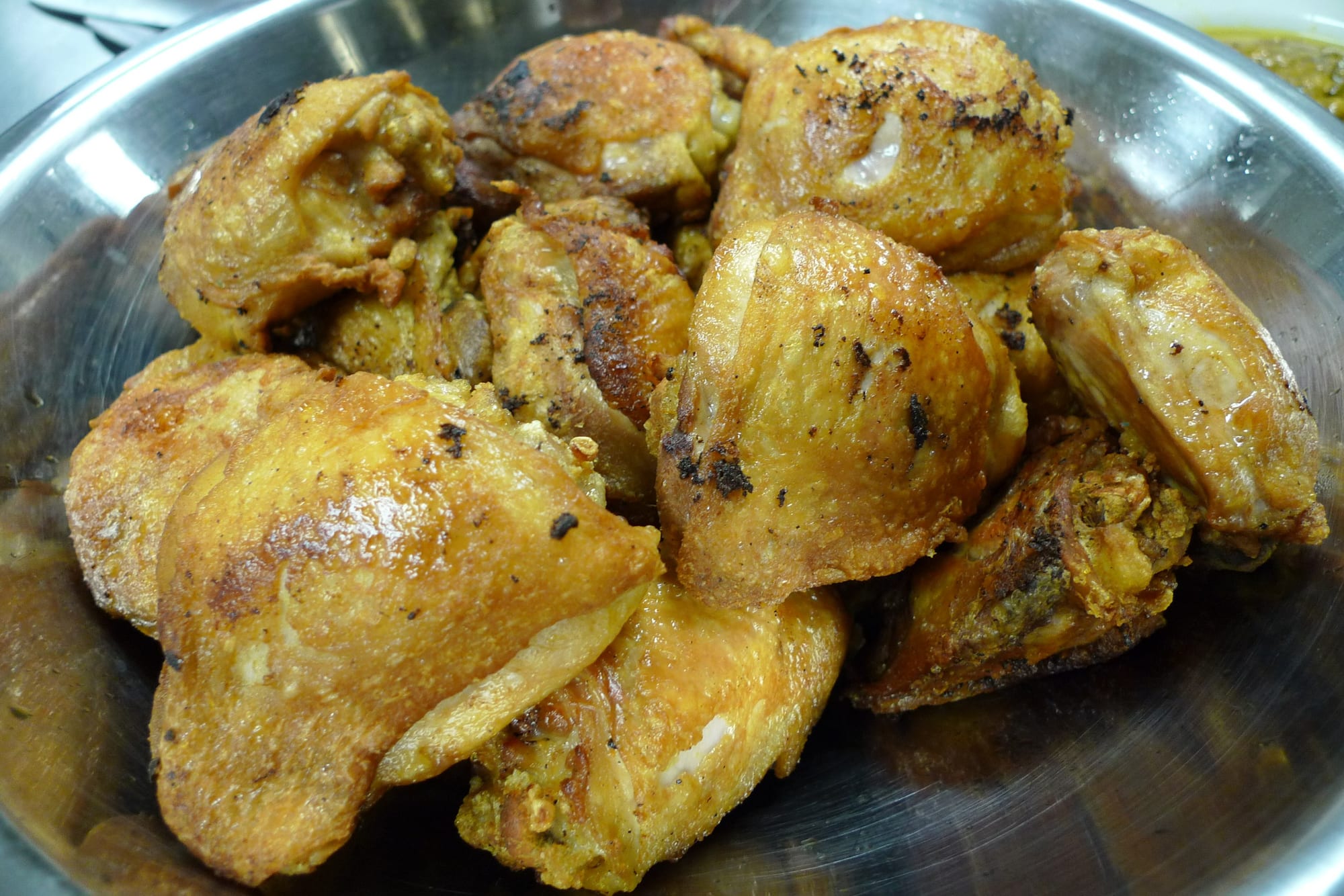
Adobo, meat, most often chicken or pork, braised in vinegar, soy sauce, garlic and black pepper until tender, is the Philippines' national dish. The technique developed as a genuine preservation method, the vinegar's acidity helping keep meat edible in a tropical climate before refrigeration existed, and it remains the dish most Filipinos abroad name first when asked what home tastes like.
Vinegar, soy and a genuinely fused pantry
Vinegar and soy sauce, both used constantly across Filipino cooking, sit alongside rice as the true daily staple and a wide range of seafood given the country's island geography. Garlic, fried until golden and used as a topping on many dishes, and tropical fruit round out a pantry shaped by centuries of trade rather than one single culinary tradition.
History behind the vinegar
Spanish colonial rule from the 16th to the 19th century left a genuine mark on Filipino food, from adobo's own Spanish-derived name (though the cooking method predates colonisation) to dishes like paella-derived variations eaten at celebrations. Earlier Malay and Chinese trade connections shaped rice cultivation and noodle dishes, while the archipelago's geography meant seafood and coconut remained central regardless of which outside influence was strongest at a given time.
Dishes to know
Five more to recognise across the Philippines:
- Sinigang — a sour soup, usually made with tamarind, pork or shrimp,
and vegetables.
- Lechon — whole roasted pig, a centrepiece dish at Filipino
celebrations and fiestas.
- Pancit — stir-fried noodles, reflecting Chinese trade influence,
eaten at birthdays for symbolic long life.
- Kare-kare — an oxtail and vegetable stew in a rich peanut sauce.
- Halo-halo — a shaved ice dessert with mixed fruit, beans and
evaporated milk, popular in hot weather.
Drinks
Calamansi juice, made from a small native citrus fruit, is a common everyday refreshment, and coconut water is widely drunk fresh across the islands. San Miguel beer, brewed in the Philippines since the late 19th century, is the country's dominant local beer.
Eating as a traveller
Vegetarians will find rice, vegetable and tofu-based dishes manageable, though meat and seafood dominate most traditional Filipino cooking. Tap water is not reliably safe outside major hotels; bottled water is the standard default. Trying adobo at a home-style carinderia (small local eatery) rather than a tourist restaurant is a genuine way to taste it as most Filipino families actually make it.
What to take from the table
Adobo, born from the practical need to preserve meat in a tropical climate, is the dish that best represents Filipino food's resourceful, layered character, built from Malay, Spanish and Chinese influence across centuries of island trade.