Daily Life · Palestine
Palestine: Two Kinds of Waiting
Extended families sharing a shrinking home, a working week that opens on Sunday, and two territories where an ordinary day means checkpoints and permits in the West Bank and, in Gaza, rebuilding a life on rubble nearly a year into a fragile ceasefire
By Worldlore Editorial · 30 September 2026
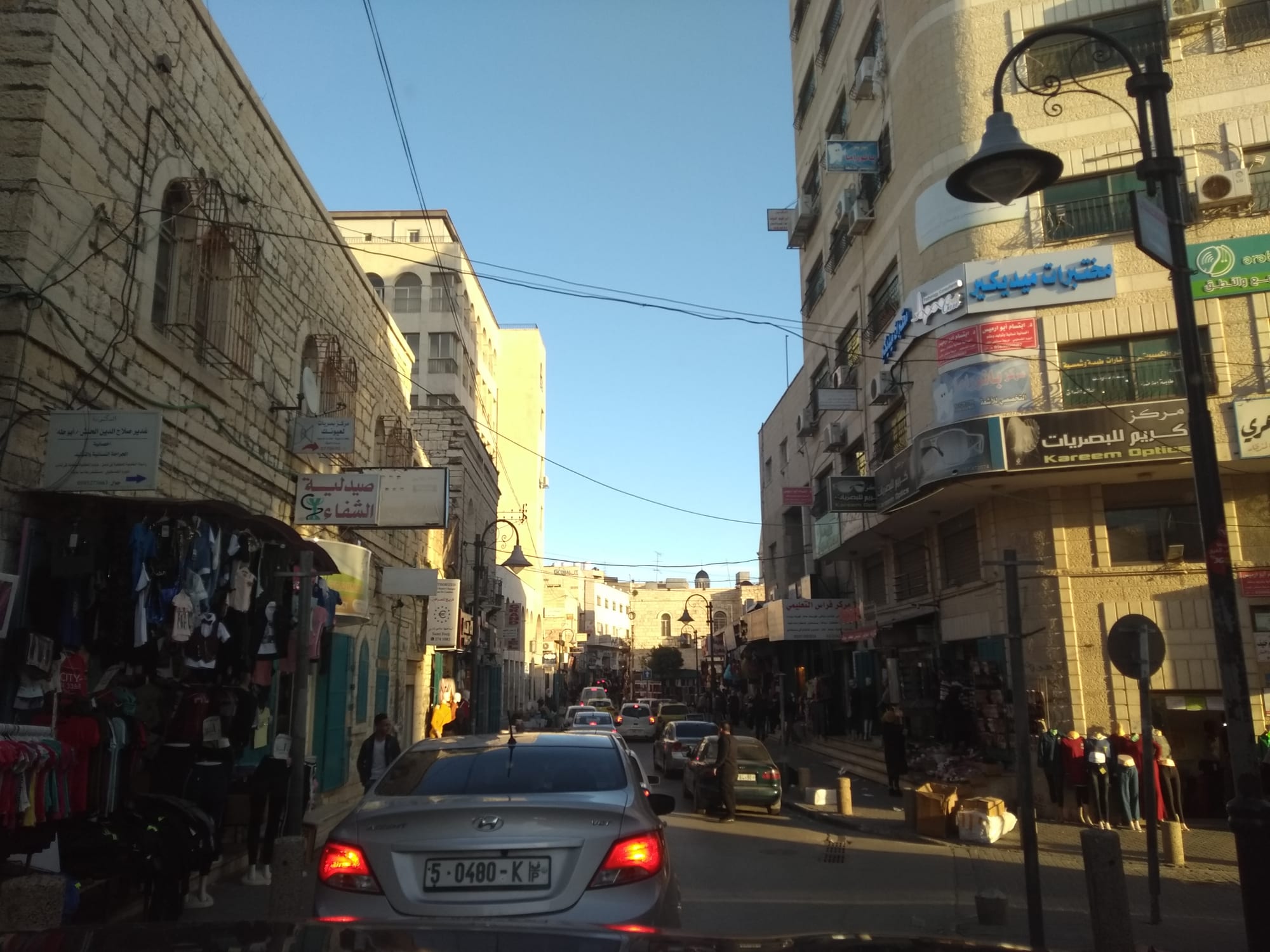
An ordinary day in Palestine starts, for many people, with a shared taxi rather than a private car and a working week that opens on Sunday rather than Monday, inside a household built around extended family rather than the single-family home common elsewhere. In the West Bank, that day is shaped by checkpoints, permits and roads that may or may not be reachable depending on the week. In Gaza, since October 2023, it has meant something starker: a population displaced almost in its entirety, most homes in the territory damaged or destroyed, and, since a ceasefire took effect in October 2025, the slow work of rebuilding, which has barely begun, among the ruins. Family remains the organising unit wherever Palestinians live, the institution that absorbs what the state cannot provide.
Family and home life
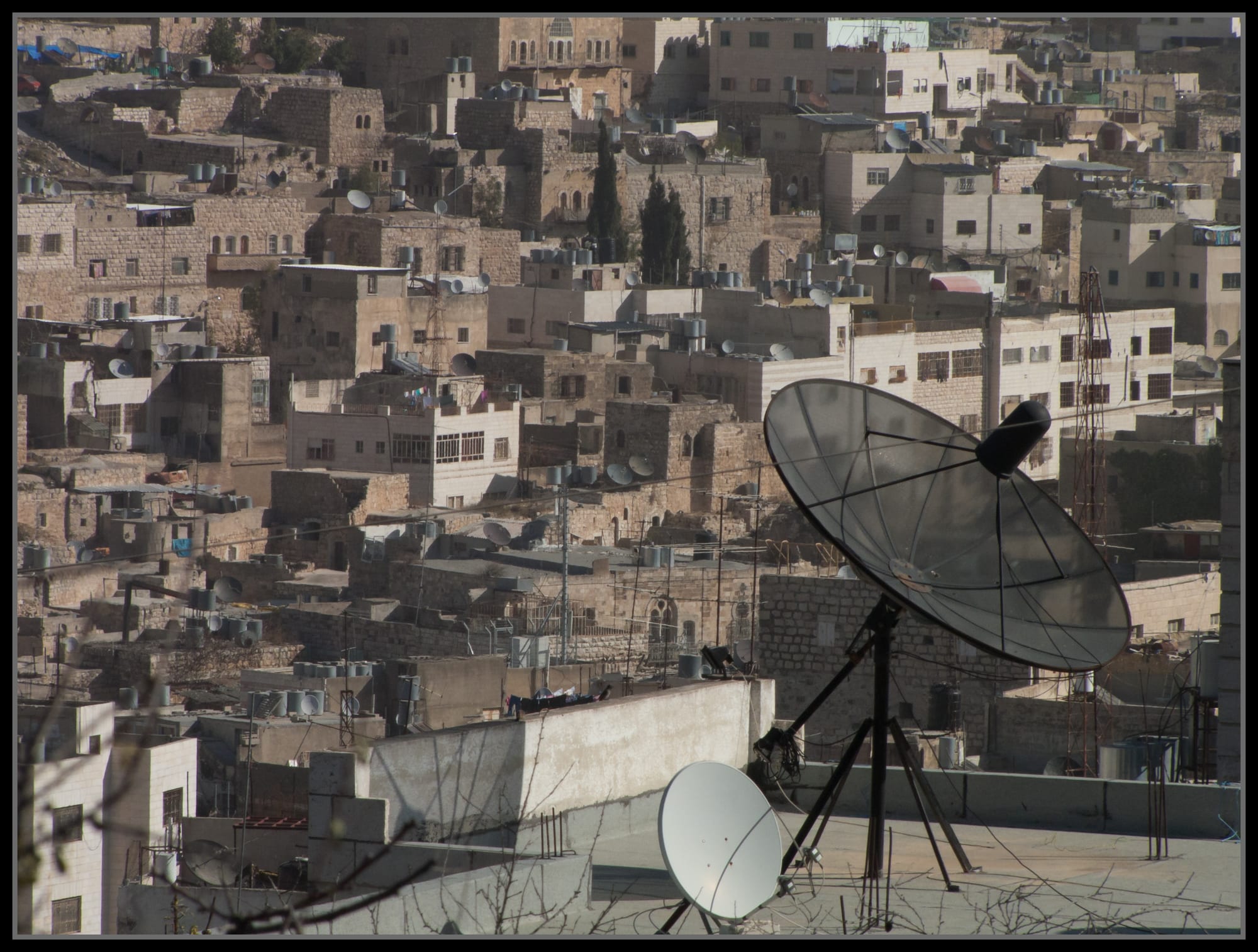
Households remain multigenerational by preference as much as necessity: the average West Bank household held 4.7 people in 2022, down from 5.5 in 2007, according to the Palestinian Central Bureau of Statistics, and extended families routinely pool money for medical bills, university fees or a home loan rather than treating each nuclear household as financially separate. Many families still measure their history by a home village and the olive trees that belong to it, even generations after leaving. In Gaza, home life has been upended entirely: UN figures put about nine in ten housing units in the Strip as damaged or destroyed since October 2023, and in mid-2026 the Norwegian Refugee Council estimated that nearly a million people were still living in tents, with many more in overcrowded shelters or damaged buildings.
Work, school and the rhythm of the day
The official working week runs Sunday to Thursday, with Friday, the Muslim holy day, and Saturday forming the weekend; Muslim-owned shops typically close on Friday and Christian-owned ones on Sunday, so few businesses close on both days. Government offices typically keep hours of about 8 a.m. to 3 p.m., but a commute that would take twenty minutes without incident can take far longer at a checkpoint, and a closure can cancel a day's work or schooling with no warning. Since October 2023, a budget crisis in the Palestinian Authority, which blames Israel's withholding of tax revenues it collects on the Authority's behalf, has cut many West Bank public schools to about three days a week, according to reporting in 2026. In Gaza, school and steady employment have barely resumed since the ceasefire: much of the pre-war economy, from farmland to workshops and factories, was destroyed, and steady work remains scarce.
Community life and public spaces
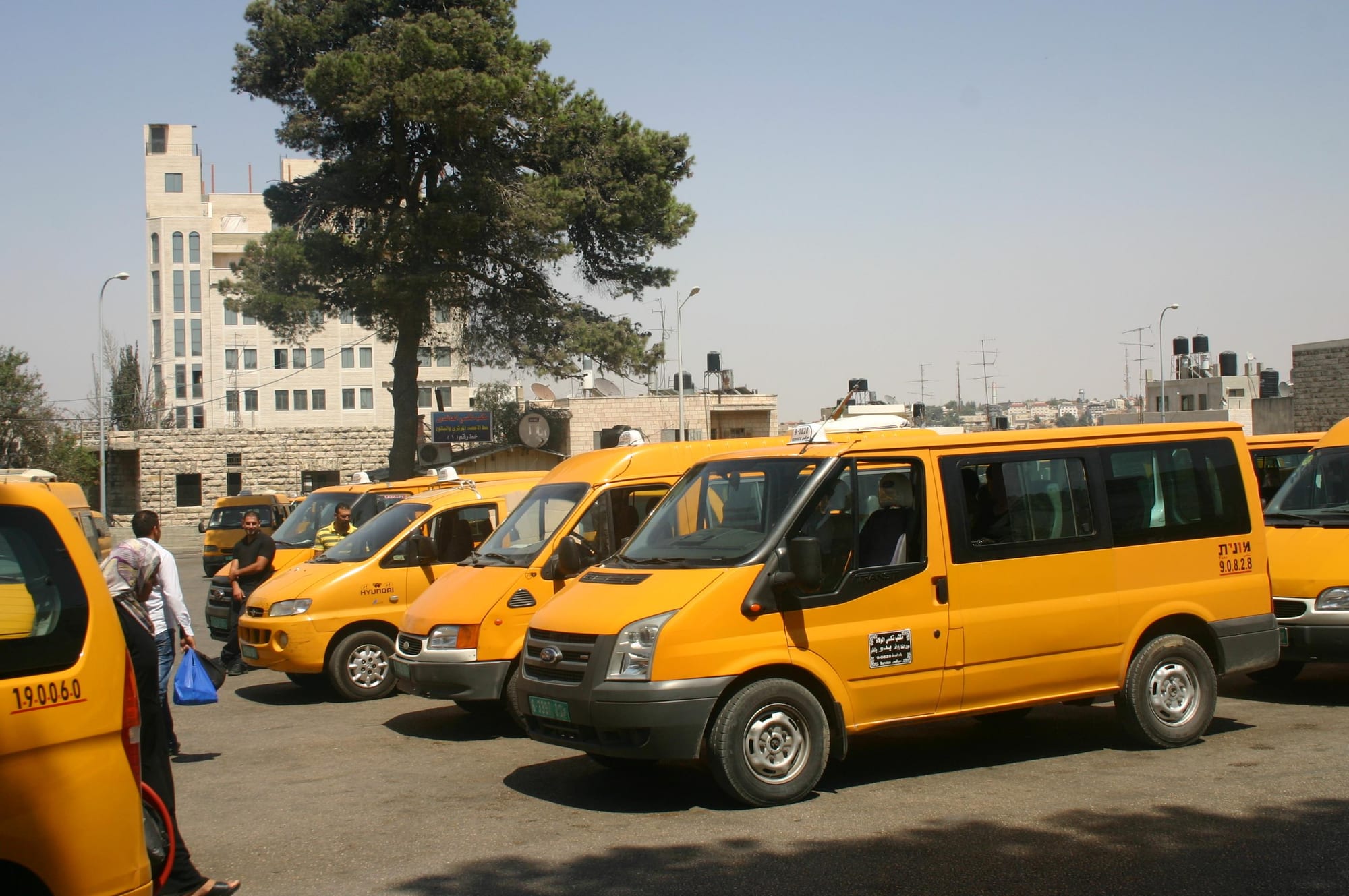
Markets remain the backbone of public life: covered souqs in the old quarters of Hebron, Nablus and Bethlehem, and open-air produce markets in every town, are where most people do their daily shopping and where much of the casual, face-to-face contact of an ordinary day happens. Getting between towns typically means a servees, a shared taxi that leaves once full rather than on a timetable, supplemented by minibuses and ordinary taxis in the cities. Central squares such as Ramallah's Al-Manara function as informal meeting points and transport hubs at once. In Gaza, with much of the built environment gone, communal life since the ceasefire has reorganised itself around aid points and community kitchens: in September 2026, according to the UN humanitarian office (OCHA), aid partners were preparing about 730,000 meals a day in around 100 kitchens, delivered to more than 1,100 locations.
Free time and weekends
Friday and Saturday are the shared days off, generally spent with extended family; a large Friday family meal is common, and family visits fill much of the rest of the weekend. Football is followed closely everywhere, watched at home, in cafés or in the street. In the West Bank, day trips are common where roads and permits allow, whether to a relative's village, a park, or, for Christian families, a church. In Gaza, recreation has narrowed to whatever is possible amid the damage: families gather where they can, and before the war a walk along the Mediterranean shore was a treasured free pleasure in one of the world's most densely populated territories.
A visitor's ordinary day
Visiting means the West Bank; Gaza remains inaccessible and under a strict blockade. Entry is via Israel or, from Jordan, the Allenby Bridge, and Israeli border control governs and can restrict entry; there is no separate Palestinian visa once inside the West Bank. Since February 2026 the wider regional war involving Iran has at times disrupted flights and closed West Bank roads, so conditions can change quickly. The Israeli new shekel is the everyday currency, though Jordanian dinars and US dollars are also used for larger sums; cards work in Ramallah and Bethlehem hotels and restaurants, but cash is needed for servees taxis, markets and villages. Shops generally open in the morning and run into the evening, closing for Friday prayers and, in Christian towns, on Sunday. Checkpoints, especially the Qalandia crossing near Jerusalem and the approaches to Hebron, can add hours rather than minutes to a journey, so it pays to build in slack and avoid travelling after dark.
What to take away
What defines an ordinary day in Palestine is less a single routine than two very different versions of the same resilience: a West Bank where family and market life carry on around checkpoints and closures, and a Gaza where, even under a ceasefire, simply having a roof again is still the furthest most families have got.