Food · Palestine
Palestine: Food and the National Dish
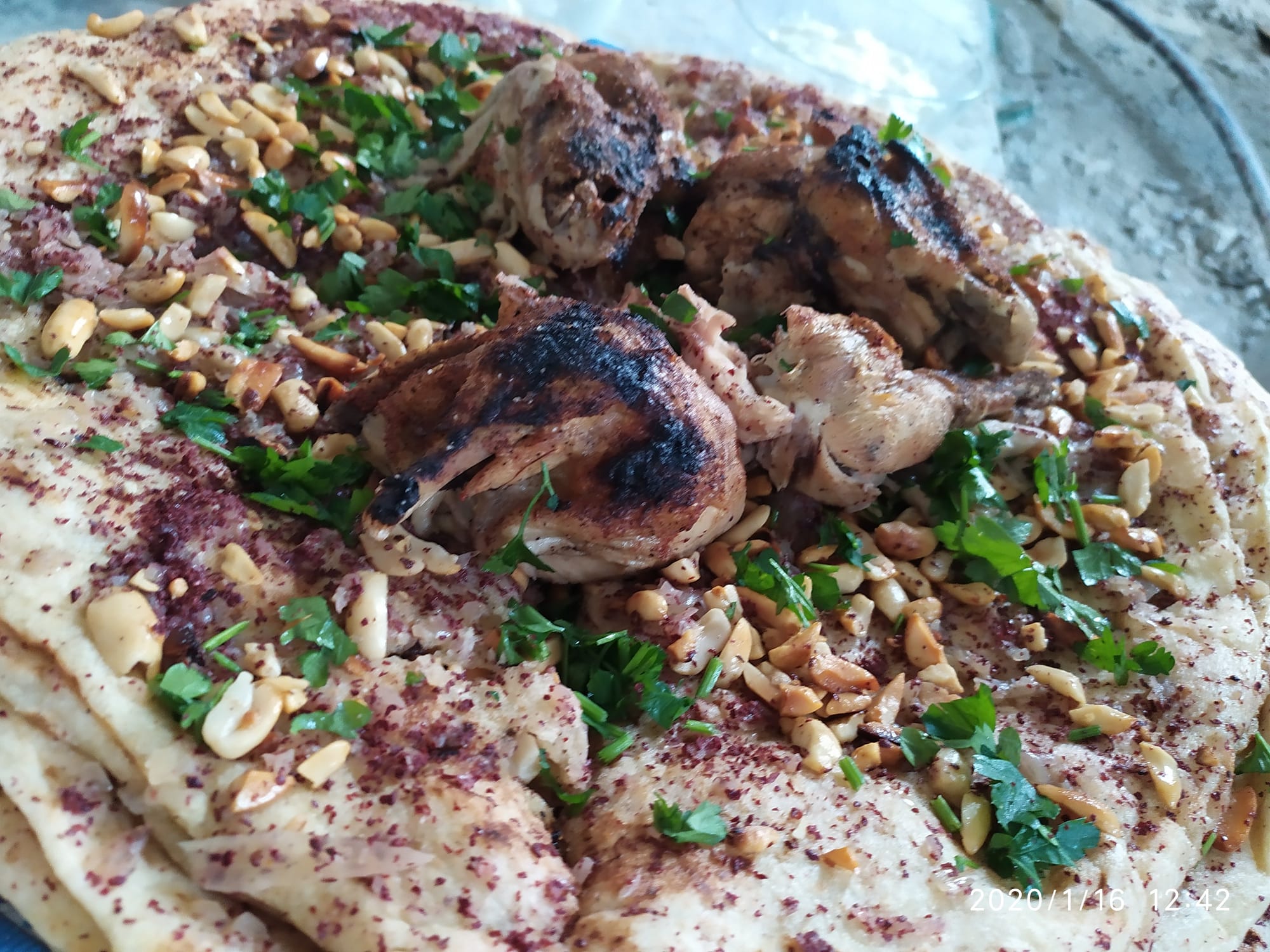
Roasted chicken and sumac-spiced onions over flatbread, a dish tied directly to olive harvest season and treated as genuinely, distinctly Palestinian
By Worldlore Editorial · 16 September 2026
A cuisine tied directly to the olive harvest
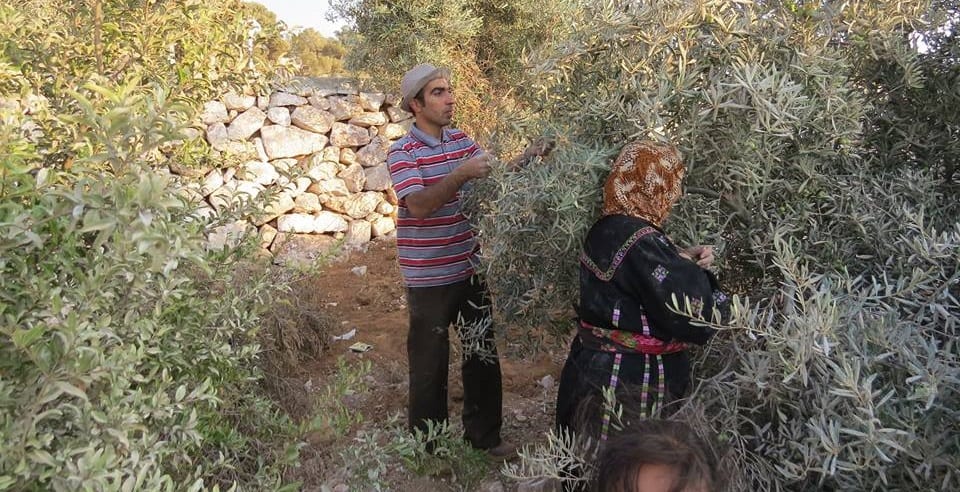
Palestinian food is inseparable from the olive tree, a crop and symbol central to Palestinian land, culture and economy for generations. Nowhere is that connection clearer than in the country's national dish, which is traditionally cooked using the season's first pressed olive oil, timing the dish directly to the annual harvest.
The national dish: musakhan
Musakhan, roasted chicken cooked with a generous amount of caramelised onion, sumac and olive oil, served over taboon bread that soaks up the juices underneath, is Palestine's national dish. Traditionally prepared during olive harvest season using freshly pressed oil, musakhan is treated by Palestinians as a genuine point of distinct national identity, more specifically tied to Palestine than many of the shared dishes found across the wider Levant.
Olive oil, sumac and a shared regional pantry
Olive oil sits at the centre of Palestinian cooking more than almost any other ingredient, alongside sumac, a tangy ground spice, and za'atar, a wild herb blend eaten with bread and olive oil as a genuine daily staple. Hummus, falafel and other dishes shared honestly across the wider Levant round out the everyday table alongside these more specifically Palestinian ingredients.
History behind the harvest
Olive trees have been cultivated across Palestine for thousands of years, and the annual harvest remains a significant seasonal event involving entire families and communities, not merely an agricultural task. Musakhan's direct tie to that harvest, cooked specifically when fresh oil becomes available, gives the dish a seasonal and cultural weight that goes beyond its ingredients alone.
Dishes to know
Five more to recognise across Palestine:
- Za'atar with olive oil — a wild herb blend eaten with bread and
fresh olive oil, a genuine daily staple.
- Maqluba — a layered rice, vegetable and meat dish, flipped upside
down onto a platter before serving.
- Knafeh — a sweet, cheese-filled pastry soaked in syrup, especially
associated with the city of Nablus.
- Hummus — chickpeas blended with tahini, lemon and garlic, a shared
Levantine staple eaten daily.
- Msakhan rolls — a smaller, handheld version of musakhan, popular as
an everyday snack.
Drinks
Sage tea and mint tea are genuine daily drinks across Palestine, often served strong and sweet as a mark of hospitality. Arabic coffee, spiced with cardamom, remains central to social gatherings, and fresh fruit juices are common in warmer months.
Eating as a traveller
Vegetarians eat well thanks to Palestine's strong tradition of olive oil, herb and vegetable-based mezze dishes. Tap water is not always reliably safe; bottled water is the common local default. Visiting during olive harvest season, typically in autumn, offers a genuine chance to see the tradition behind musakhan firsthand.
What to take from the table
Musakhan, cooked with the season's fresh olive oil, is the dish that most directly ties Palestinian food to the land itself — a genuine, specific point of identity within a wider shared Levantine table.