Attractions & Natural Wonders · Palestine
Palestine: Six Attractions and Natural Wonders
The traditional birthplace of Jesus, one of the oldest continuously inhabited cities on earth, and a stretch of the lowest shoreline on the planet — sites of deep historical and religious weight in a territory living under active conflict and occupation
By Worldlore Editorial · 9 September 2026
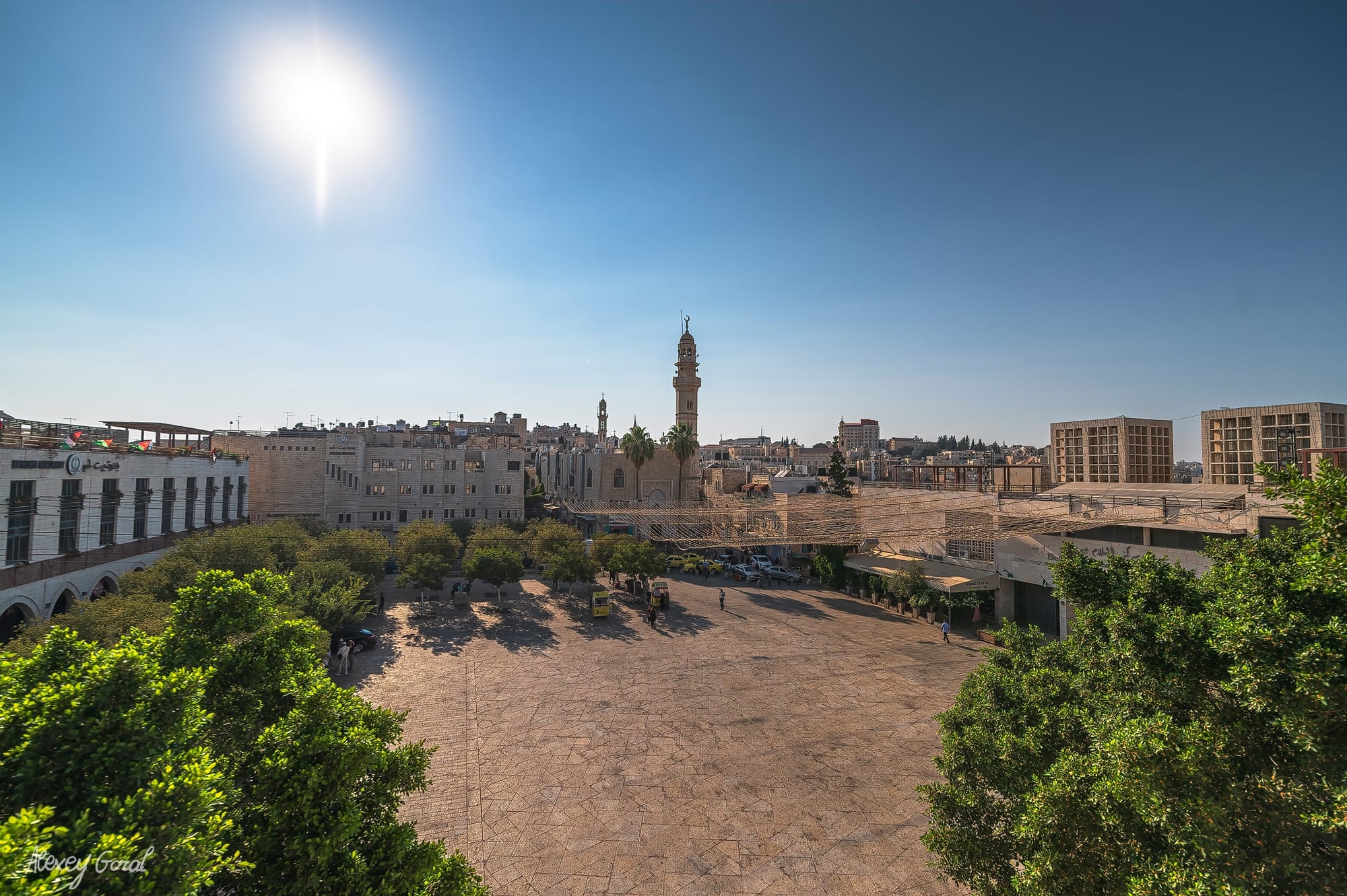
Land of deep history, living under conflict
The Palestinian Territories — the West Bank and the Gaza Strip — hold some of the most historically and religiously significant ground anywhere on earth, including sites central to Christianity, Islam, and Judaism, and cities that have been continuously inhabited for thousands of years. They are also, at the time of writing, a territory living under military occupation and, since October 2023, an intense and unresolved war centred on Gaza, which has killed tens of thousands of people and displaced the great majority of the territory's roughly two million residents; the West Bank has simultaneously seen a sharp rise in settler violence, military raids, and movement restrictions.
The six sites below are drawn entirely from the West Bank, where a reduced but real flow of pilgrims and visitors has continued through parts of this period, largely to Bethlehem and Jerusalem's surrounding sites; Gaza is not included, as no meaningful tourism has been possible there for many years. Read the note at the end before treating any of this as a travel plan.
1. The Church of the Nativity, Bethlehem
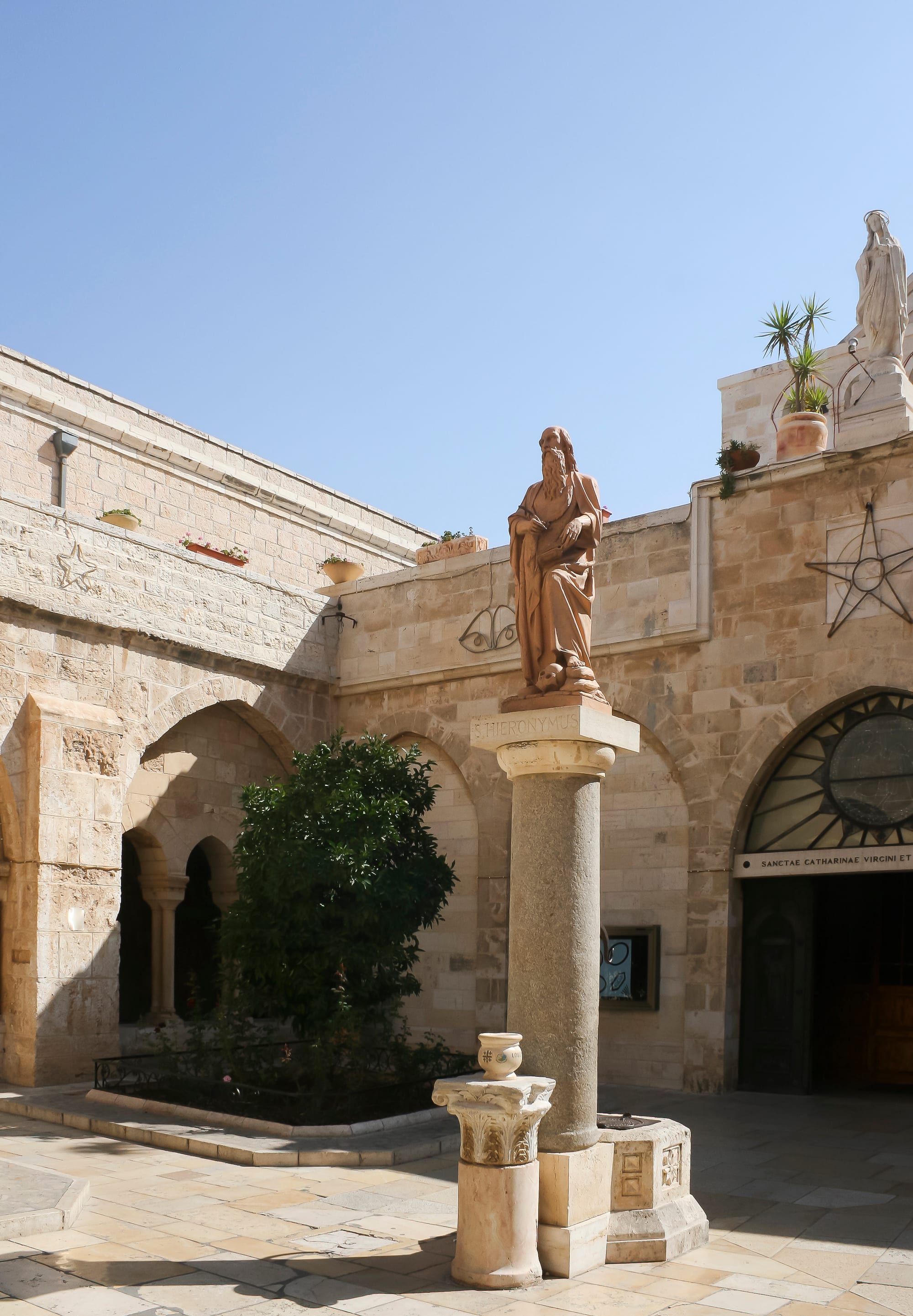
The Church of the Nativity, built over the grotto traditionally venerated as the birthplace of Jesus, is among the oldest continuously operating churches in the world, dating in its current form to the 6th century over earlier Byzantine foundations. A UNESCO World Heritage Site jointly administered by several Christian denominations, it draws pilgrims and visitors most heavily around Christmas, when Bethlehem's Manger Square hosts services broadcast worldwide.
2. Bethlehem's old city
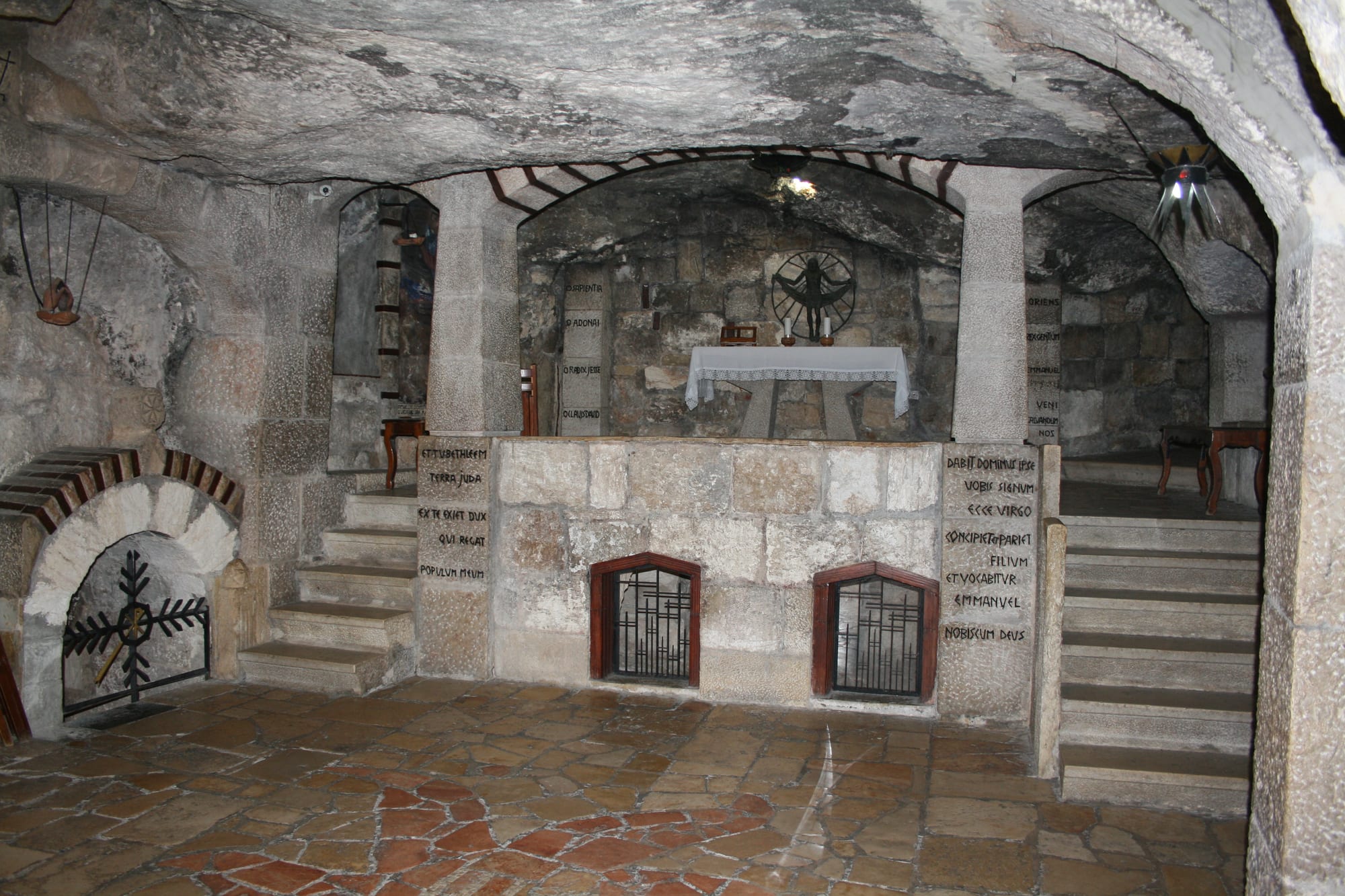
Bethlehem's old city around Manger Square holds centuries of layered Christian and Muslim history side by side, including the Mosque of Omar facing the church across the square, along with markets, monasteries, and — a more recent and controversial addition — sections of the separation barrier on the city's edge, parts of which have become a canvas for political street art, including work by the artist Banksy.
3. Jericho
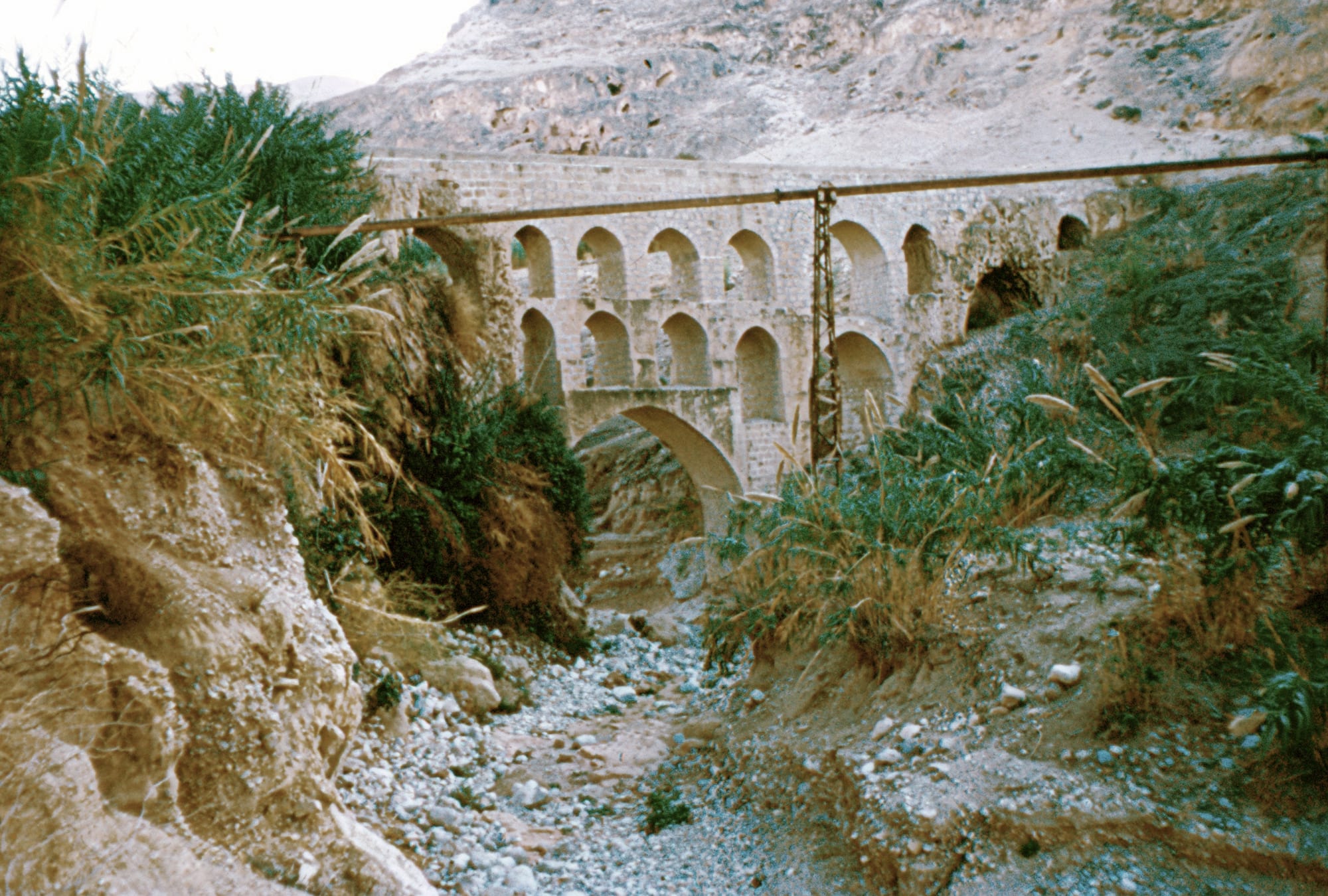
Jericho, in the Jordan Valley near the Dead Sea, is frequently cited as one of the oldest continuously inhabited cities on earth, with archaeological evidence of settlement stretching back roughly 11,000 years. Tel es-Sultan, the ancient tell at the edge of the modern town, and a cable car up to the Mount of Temptation monastery are its main visitor draws; Jericho has generally remained one of the calmer and more visited West Bank towns.
4. Hebron
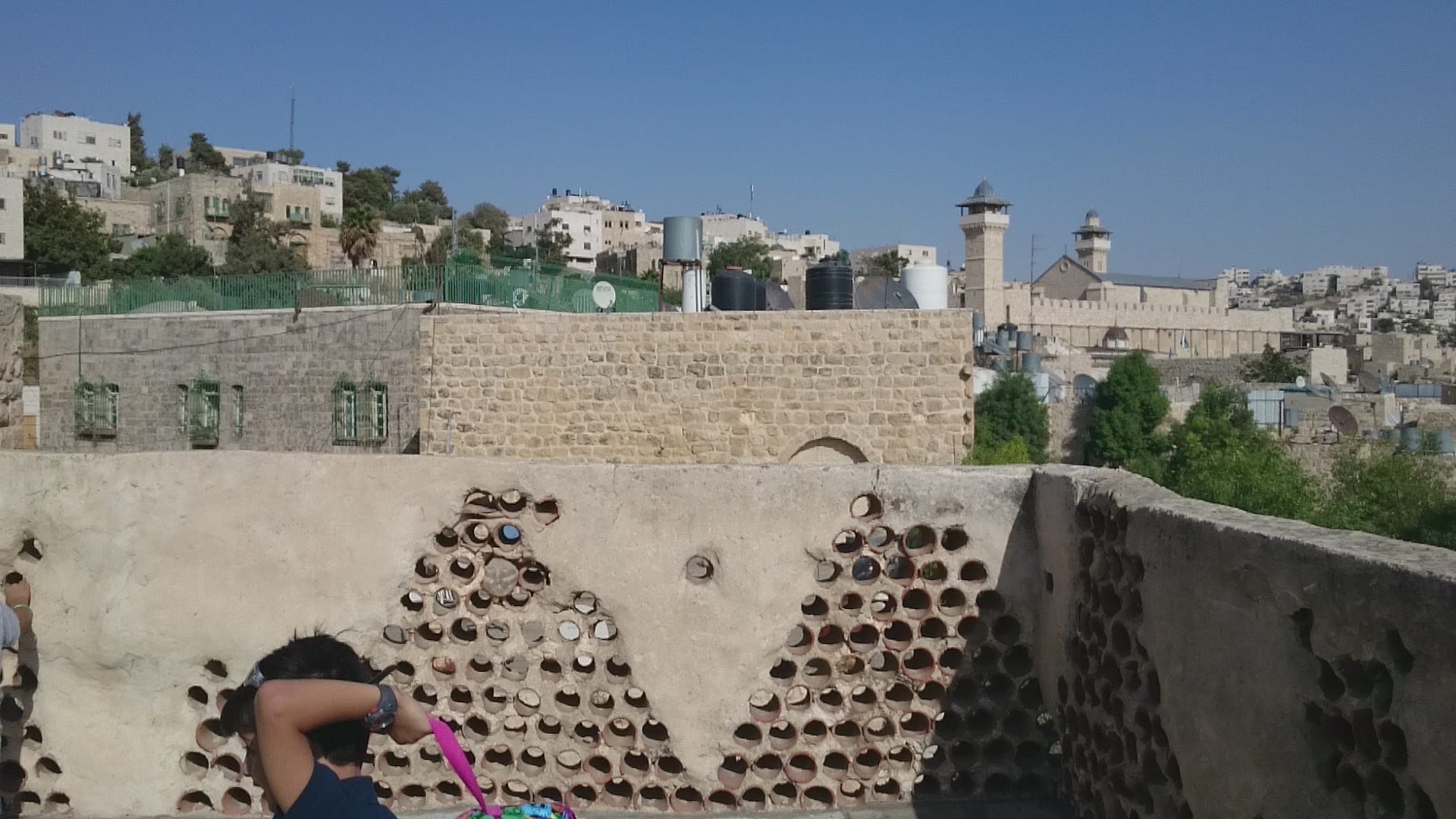
Hebron, one of the oldest cities in the region, holds the Ibrahimi Mosque (the Cave of the Patriarchs), a site sacred to both Islam and Judaism as the traditional burial place of Abraham and other biblical patriarchs, split physically between a mosque and a synagogue since the 1990s. Hebron's old city, with its historic glass and ceramics workshops, sits amid one of the most contested and heavily divided urban landscapes in the West Bank, including Israeli settlements within the city itself.
5. Nablus
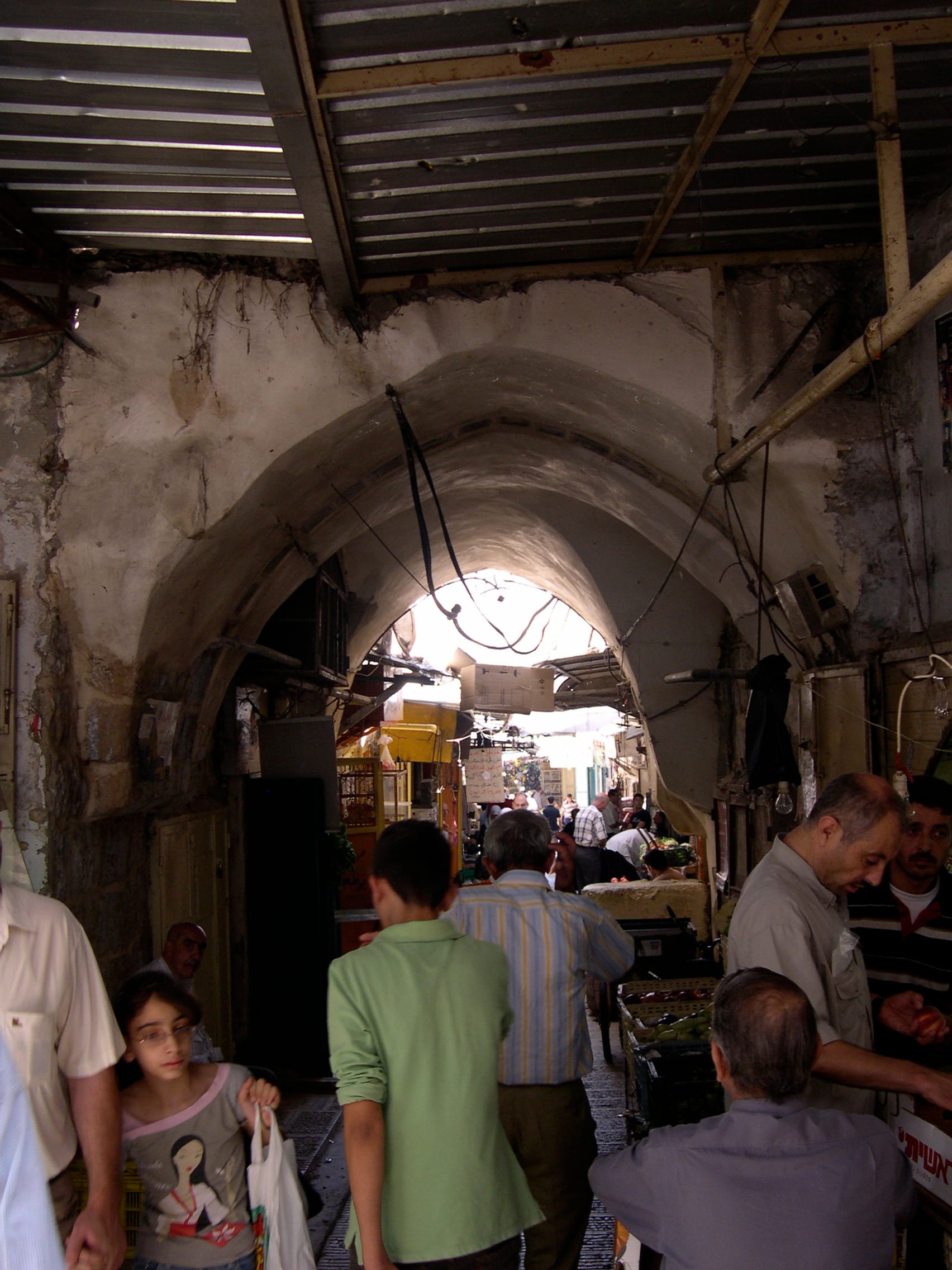
Nablus, a historic trading city between Mount Gerizim and Mount Ebal, is known for its atmospheric old city of vaulted stone markets, centuries-old olive-oil soap factories still operating by traditional methods, and knafeh, a sweet cheese pastry the city is famous for across the region. It sits close to Jacob's Well, a site of deep significance in both Jewish and Christian tradition.
6. The Dead Sea shore
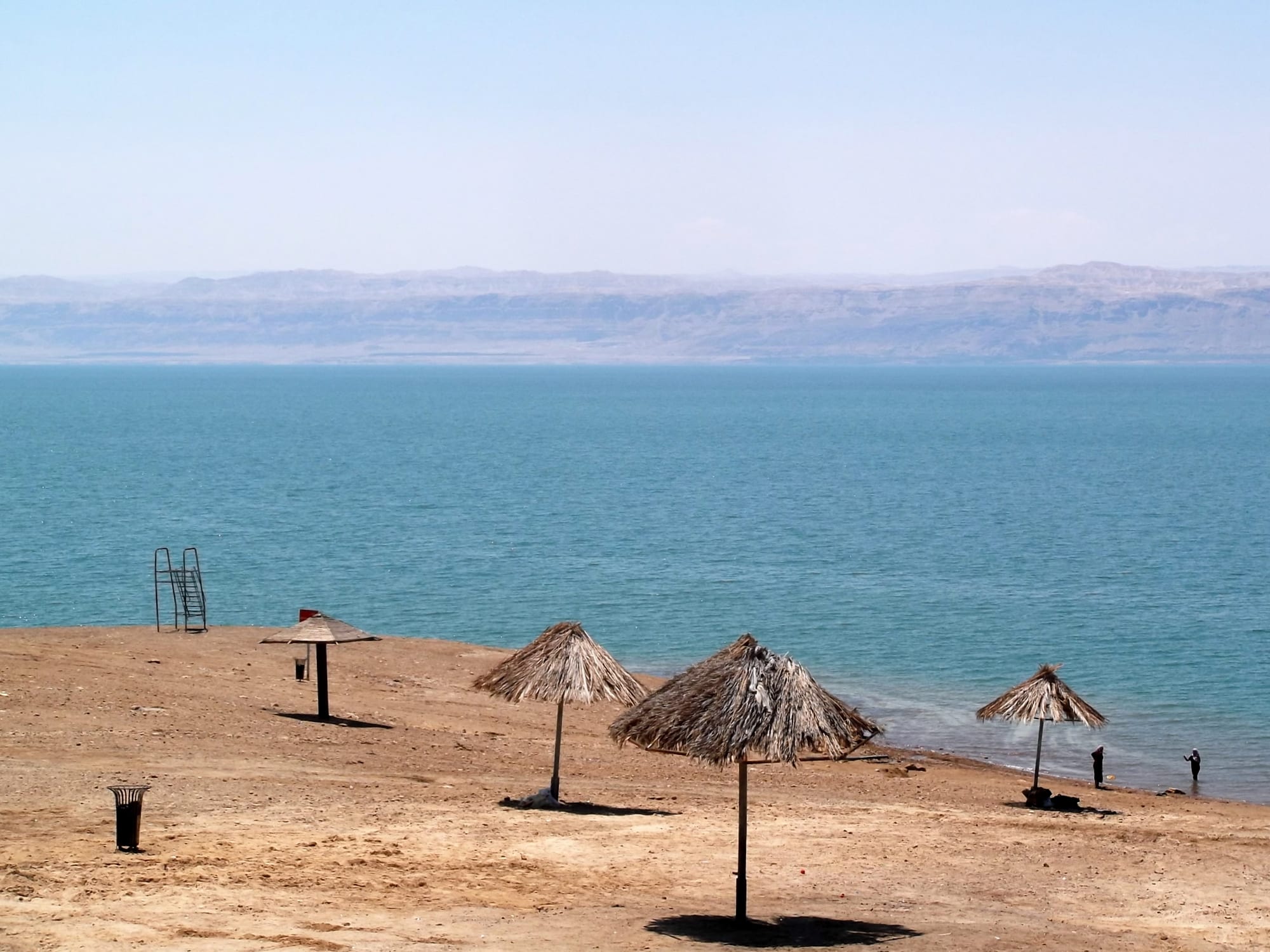
The Dead Sea, bordering the West Bank to the east, sits at the lowest point on the earth's land surface and is so dense with salt and minerals that swimmers float without effort — the water's edge here, shared with Israel and Jordan, has receded significantly in recent decades as inflow has diminished, exposing sinkholes and reshaping the shoreline year by year.
Before you go: a serious note
This article describes sites of deep historical and religious significance, for reference — it is not a travel recommendation. Since October 2023, Gaza has been the site of a devastating war with an enormous civilian death toll and near-total displacement of its population; no tourism of any kind is possible there, and none is described here. The West Bank, while distinct from Gaza, has seen a marked increase in military checkpoints, curfews, settler violence, and access restrictions over the same period, and conditions can change abruptly and locally. Most Western governments advise against all travel to Gaza and against all but essential travel to the West Bank, with some areas (including Hebron's old city and areas near settlements) carrying specific additional warnings. Anyone considering travel to this region should rely on current, detailed government advice and local guidance, not on the description above, and should be aware that access, safety conditions, and the situation on the ground can differ enormously from one week to the next.