History · Palestine
Palestine: A Contested Land
A small, much-conquered land at the junction of Africa and Asia — an Ottoman province, a British mandate, the site of two national movements claiming the same territory, and, since 1967, of an occupation and a stalled search for two states
By Worldlore Editorial · 19 September 2026
Naming the place
"Palestine" has referred to different things in different periods: a Roman provincial name, an Ottoman region without fixed borders, the territory of the British Mandate from 1920 to 1948, and today the West Bank and the Gaza Strip, where the State of Palestine is recognised by around 145 UN member states and holds UN observer status. About five million Palestinians live in these territories and several million more in Israel, in neighbouring countries — many as registered refugees — and further abroad. This is one of the most disputed histories in the world; where interpretations differ sharply, this article attributes them rather than choosing between them.
A short history
- antiquity
Many rulers
Canaanite, Israelite, Assyrian, Babylonian, Persian, Greek, Roman.
- 638 CE
Arab conquest
The region becomes majority Arabic-speaking and, over time, majority Muslim.
- 1516–1917
Ottoman rule
Governed from Istanbul as part of Greater Syria.
- 1917
The Balfour Declaration
Britain backs "a national home for the Jewish people" in Palestine.
- 1920–1948
The British Mandate
Jewish immigration rises; Arab and Jewish nationalism collide; revolt in 1936–39.
- 1947
UN partition plan
Resolution 181 proposes an Arab and a Jewish state; Arab states and leaders reject it.
- 1948
War and the Nakba
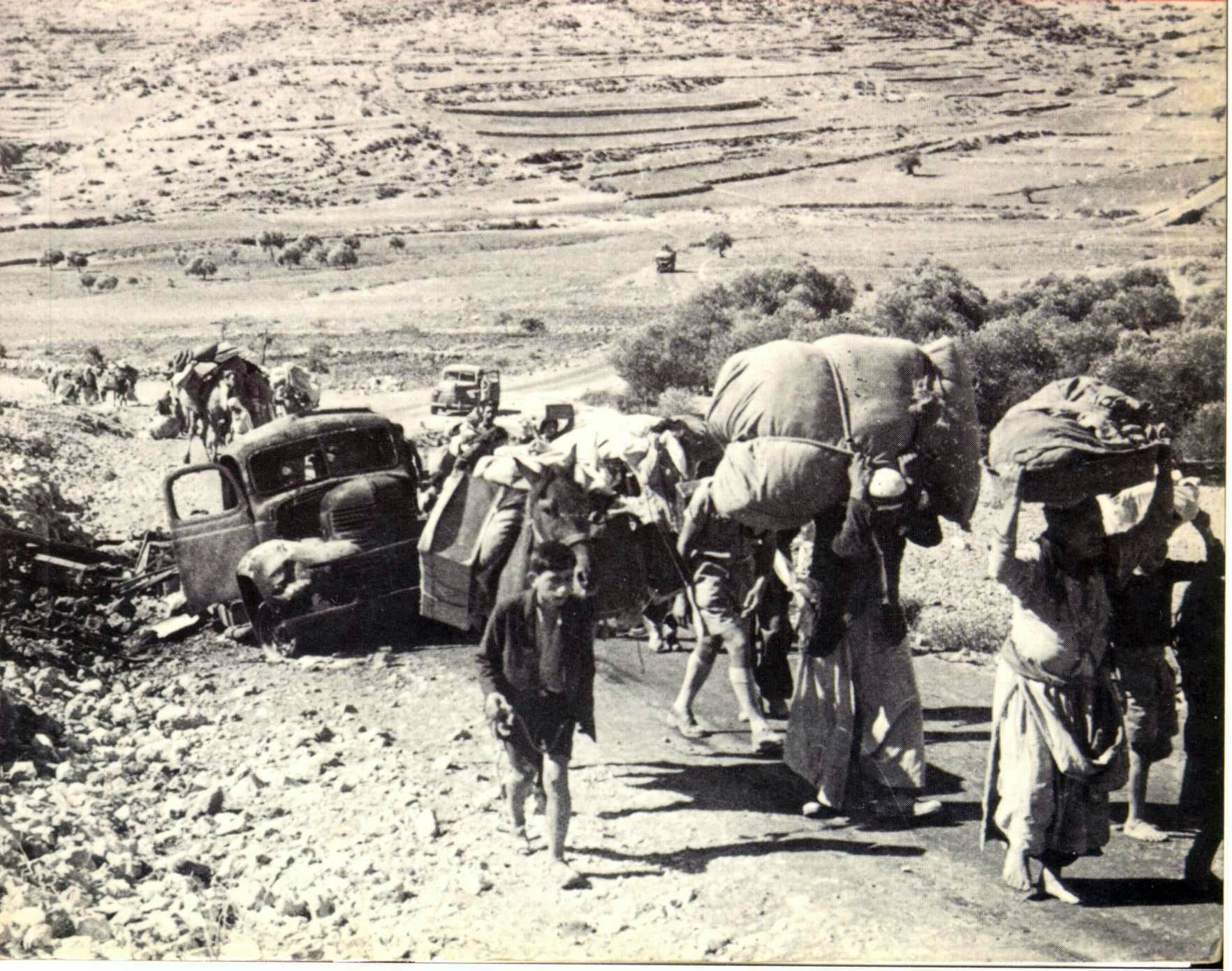
Israel is established; around 700,000 Palestinians flee or are expelled.
- 1967
The Six-Day War
Israel occupies the West Bank, Gaza, East Jerusalem, Sinai and the Golan.
- 1987, 2000
The intifadas
Palestinian uprisings against the occupation.
- 1993–1995
The Oslo Accords
Mutual recognition; a Palestinian Authority with limited self-rule.
- 2007
The split
Hamas takes Gaza; the Palestinian Authority holds parts of the West Bank.
Ottoman province to British mandate
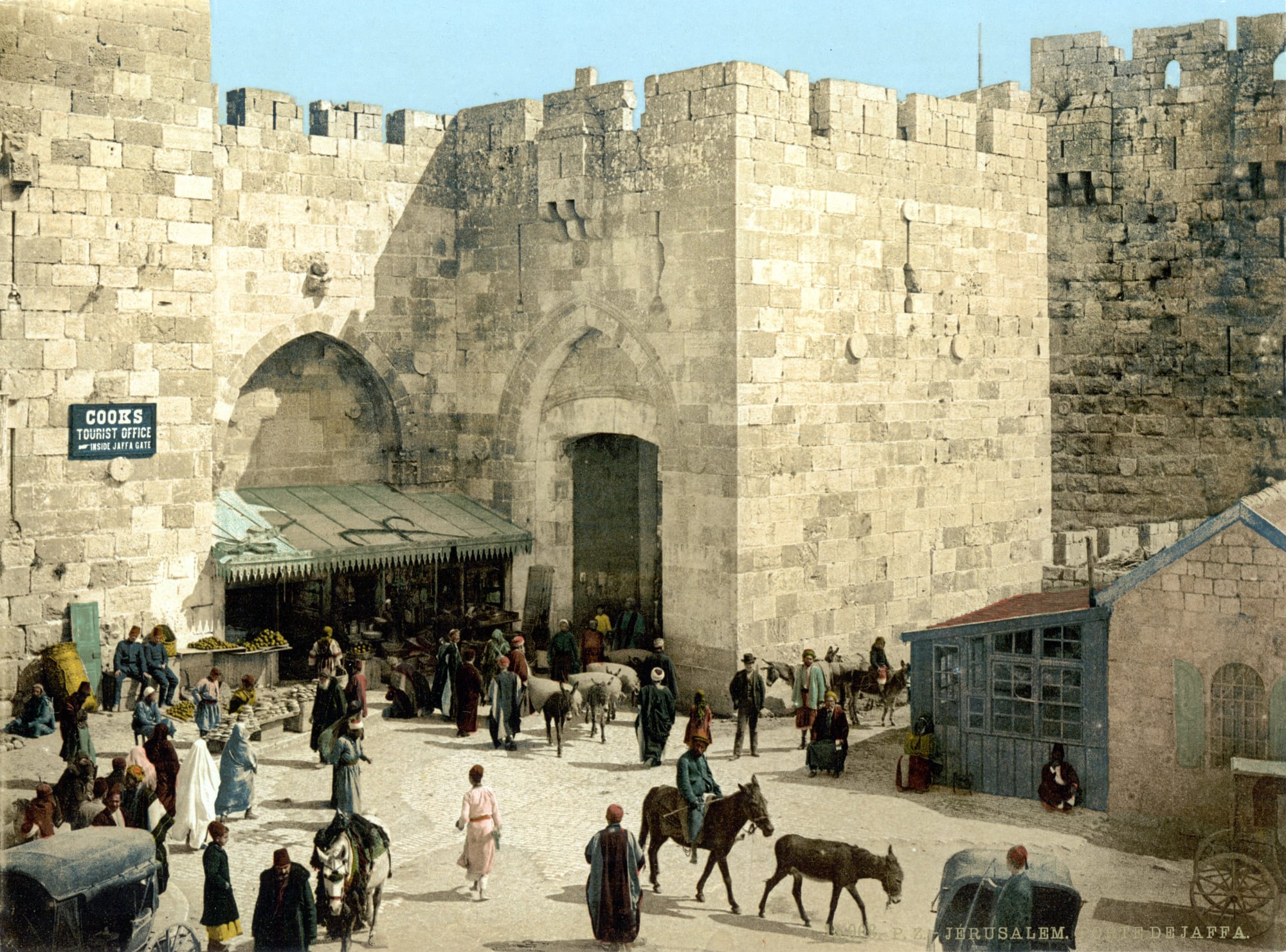
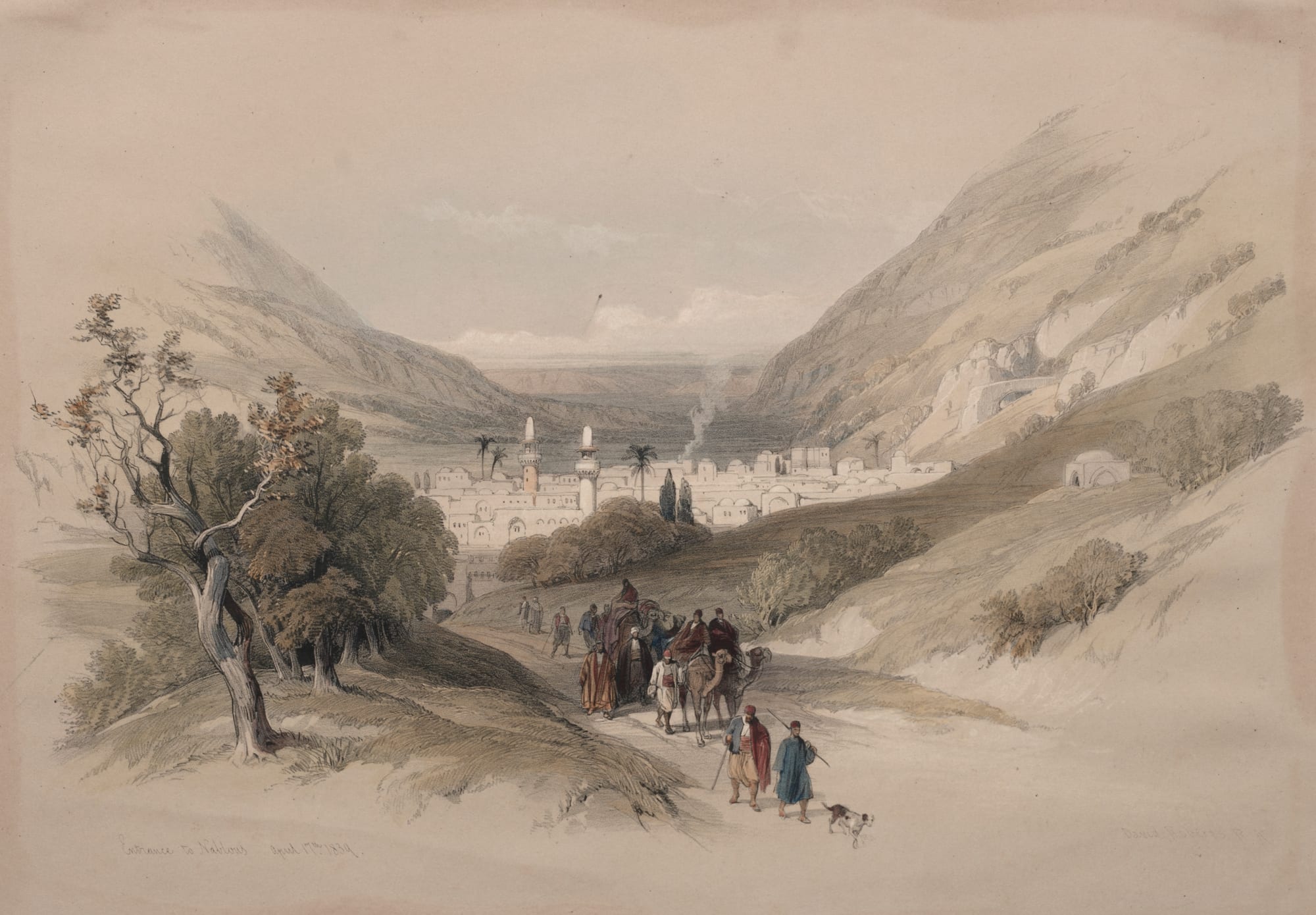
For four centuries Palestine was an Ottoman territory, overwhelmingly Arab and mostly Muslim, with substantial Christian and smaller Jewish communities and a holy significance for all three faiths. From the 1880s, Zionism — a movement for Jewish national self-determination, responding to European antisemitism — promoted Jewish immigration and land purchase. In 1917 Britain, at war with the Ottomans, issued the Balfour Declaration favouring "a national home for the Jewish people" in Palestine while stating that "nothing shall be done which may prejudice the civil and religious rights of existing non-Jewish communities". Britain took the territory as a League of Nations mandate in 1920.
Mandate, partition, war
Under the Mandate the Jewish population rose from about a tenth of the total in 1918 to nearly a third by 1947, sharply increased by refugees from Nazi Europe. Arab opposition to immigration and land loss erupted in riots and, in 1936–39, in a major revolt that Britain suppressed. Unable to reconcile the two communities, Britain handed the problem to the United Nations, whose 1947 partition plan (Resolution 181) proposed separate Arab and Jewish states with Jerusalem under international administration. Jewish leaders accepted it; Arab leaders and the surrounding states rejected it as unjust to the majority population. Civil war followed, and on 14 May 1948 Israel declared independence. Armies of neighbouring Arab states intervened.
1967 and the occupation
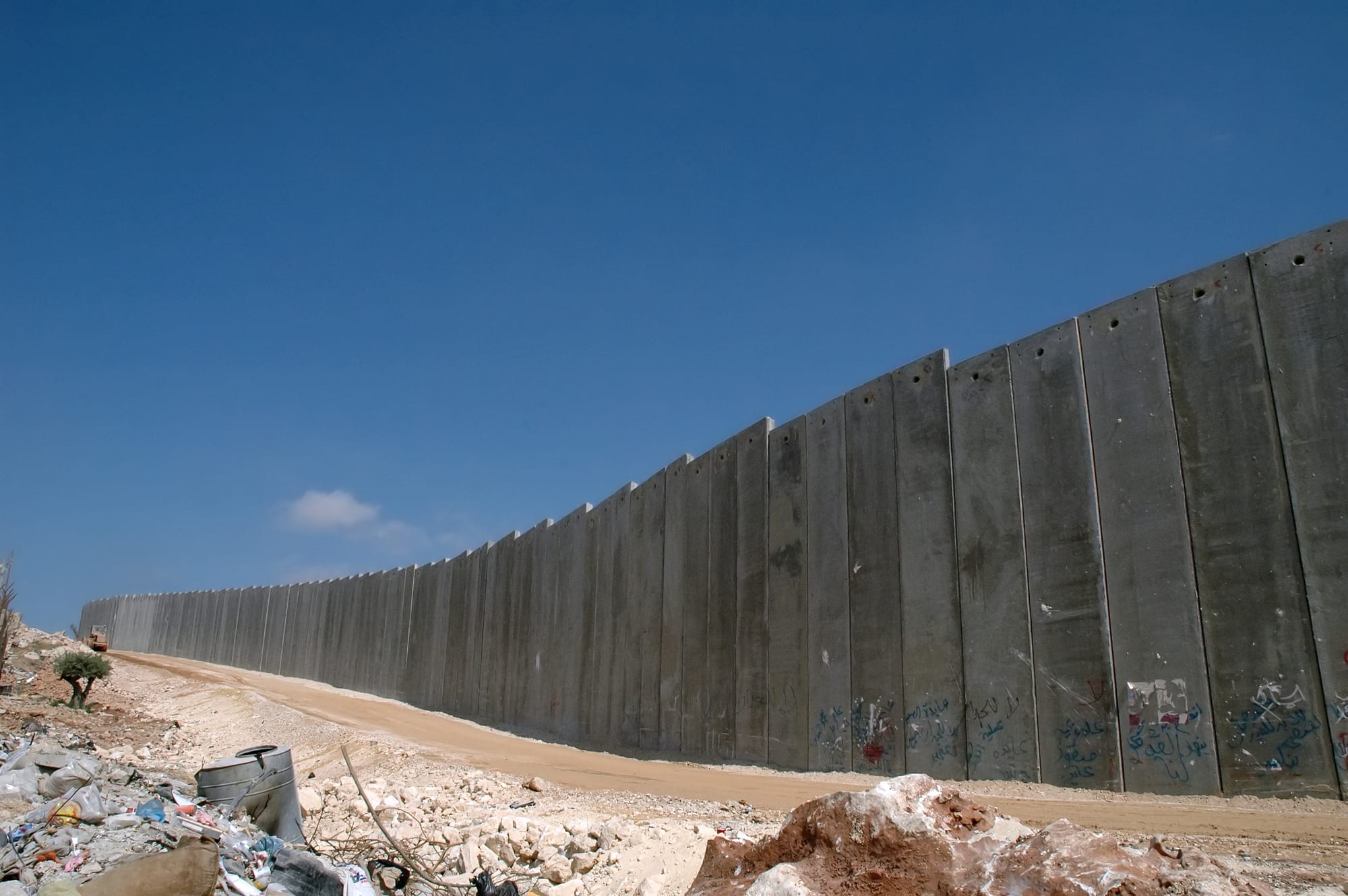
The 1949 armistices left the West Bank under Jordanian control and the Gaza Strip under Egyptian control; no Palestinian state was created. In the June 1967 war Israel captured the West Bank, East Jerusalem, the Gaza Strip, the Sinai and the Golan Heights. It later annexed East Jerusalem and began building settlements in the occupied territories — held by most of the international community and the International Court of Justice to be illegal under the Fourth Geneva Convention, a view Israel disputes. The Palestine Liberation Organisation, founded in 1964 and led from 1969 by Yasser Arafat, became the recognised representative of the Palestinian national movement, operating from Jordan, then Lebanon, then Tunisia, and using both guerrilla and diplomatic methods.
Intifadas and Oslo
A largely grassroots uprising, the First Intifada, broke out in the occupied territories in 1987; the Islamist movement Hamas was founded the same year. Secret negotiations produced the Oslo Accords of 1993–95: the PLO and Israel recognised each other, and a Palestinian Authority was set up with limited self-government over parts of the West Bank and Gaza, envisaged as a five-year step towards a final settlement. That settlement was never reached. The Camp David summit of 2000 collapsed, each side blaming the other, and the Second Intifada — far more violent, with suicide bombings and large-scale Israeli military operations — ran from 2000 to around 2005.
Division and war
Israel withdrew its settlers and soldiers from inside Gaza in 2005. Hamas won Palestinian legislative elections in 2006, and after fighting with Arafat's successor Mahmoud Abbas's Fatah faction, took full control of Gaza in 2007, leaving the Palestinian Authority governing parts of the West Bank. Israel and Egypt imposed a blockade on Gaza. Several rounds of war followed between Israel and Hamas (2008–09, 2012, 2014, 2021). On 7 October 2023 Hamas-led fighters attacked southern Israel, killing about 1,200 people and taking roughly 250 hostages, according to Israeli figures; Israel's subsequent offensive in Gaza killed tens of thousands of Palestinians, according to the Gaza health ministry, and caused mass displacement and destruction. The war has drawn genocide allegations against Israel at the International Court of Justice, which Israel rejects as baseless. Palestinian statehood recognition has meanwhile continued to spread among UN members.
What Palestine carries
At the centre of this history are two peoples with deep attachments to the same small territory, and a series of proposed divisions of it — 1937, 1947, Oslo, later summits — none of which has held. The core disputes are consistent across a century: borders, the status of Jerusalem, Israeli settlements, security, and the fate of the Palestinian refugees and their descendants. A negotiated two-state outcome remains the stated goal of most of the international community; on the ground, it is further away than it was at Oslo.