Food · Pakistan
Pakistan: Food and the National Dish
A layered rice and meat dish cooked for celebrations nationwide, from a country whose regional cooking varies as much as its geography
By Worldlore Editorial · 16 September 2026
A cuisine shaped by empire and geography at once
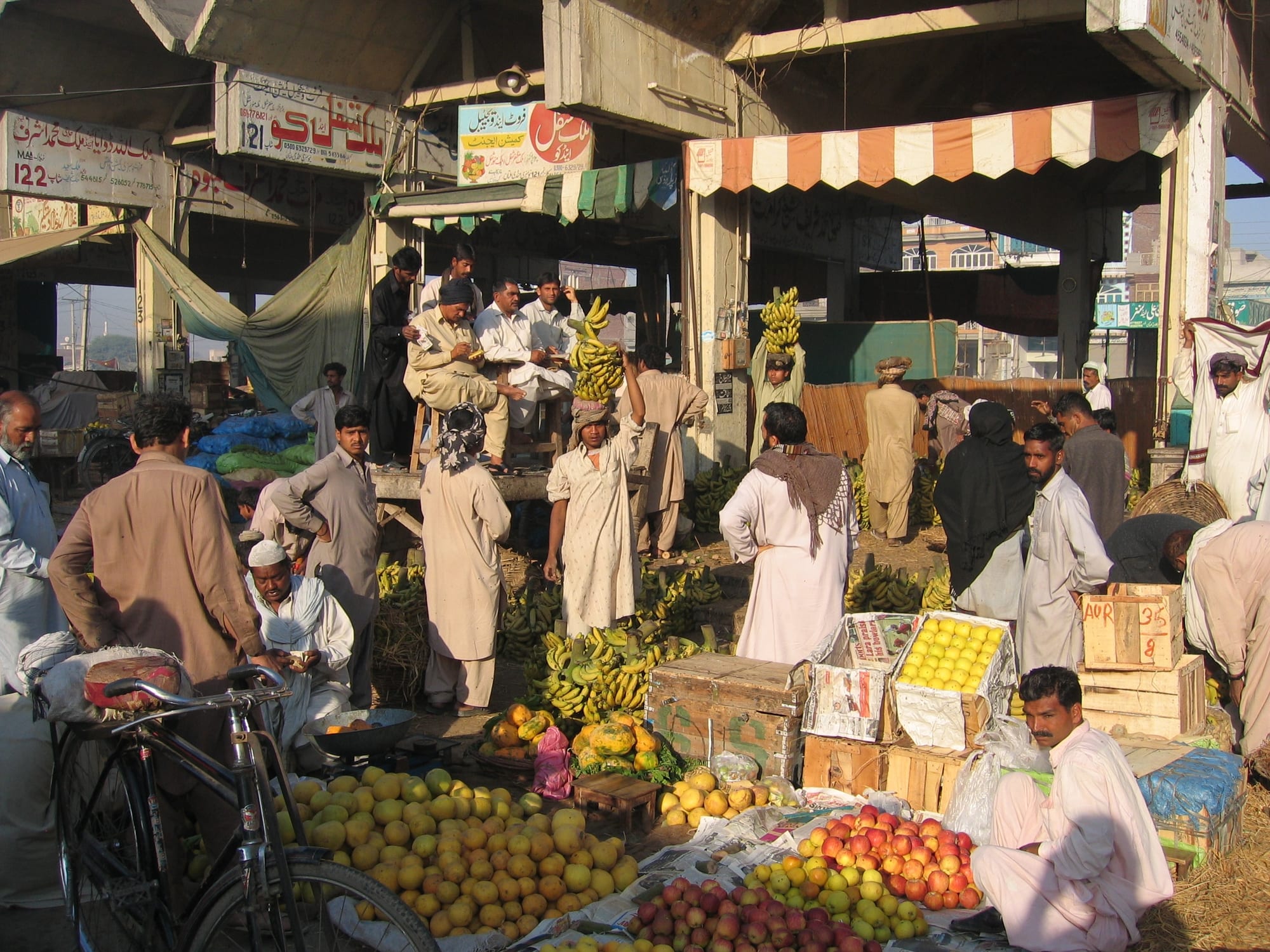
Pakistani food carries a genuine Mughal culinary inheritance, rich, spiced rice and meat dishes developed in royal kitchens, alongside sharply distinct regional traditions shaped by the country's geography, from Punjab's wheat-and-dairy cooking to Sindh's fish-forward coastal dishes and the Pashtun northwest's simpler, meat-heavy grilling tradition.
The national dish: biryani
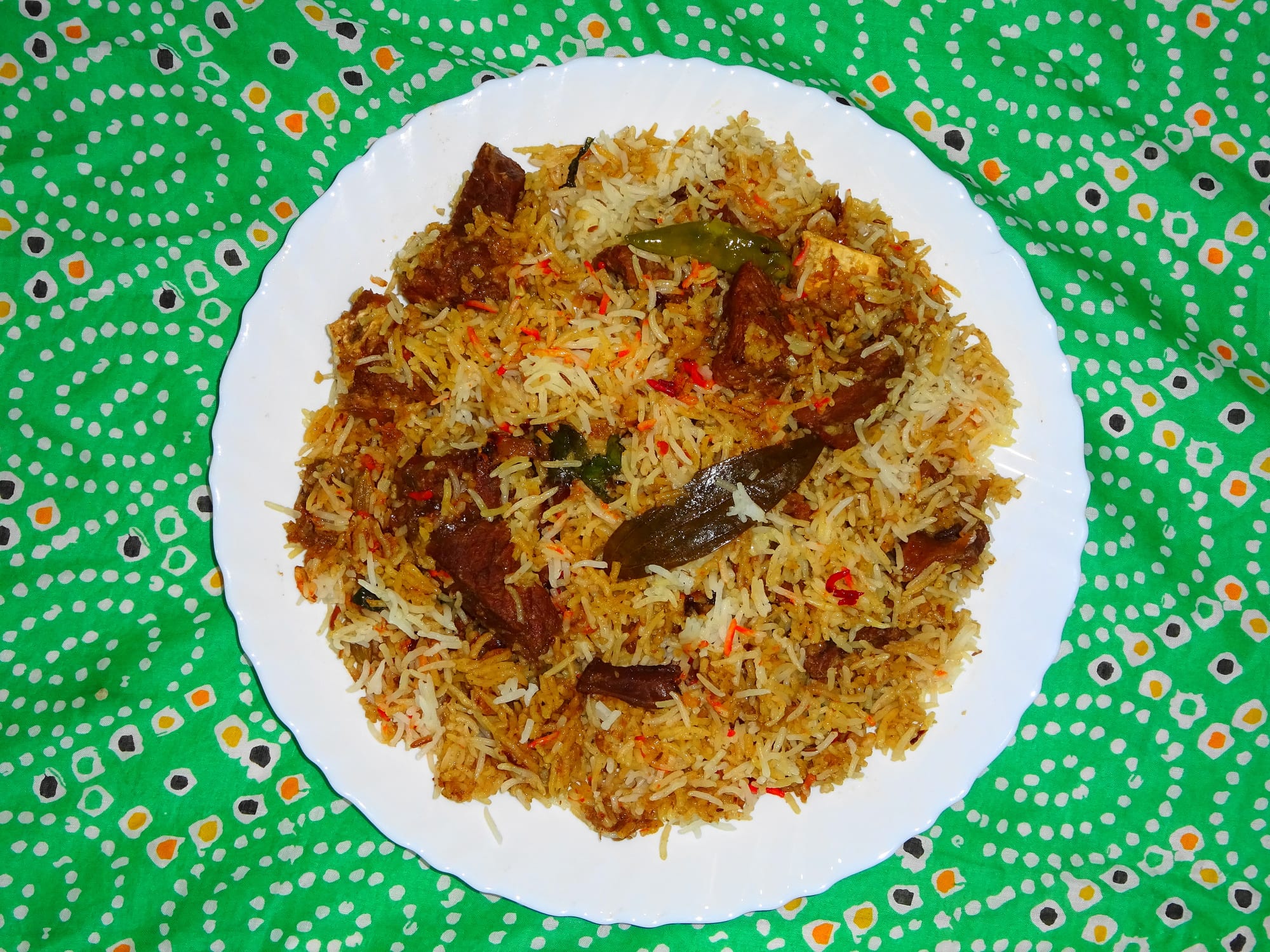
Biryani, rice layered with spiced meat, usually chicken, beef or mutton, and slow-cooked together until the flavours meld, is Pakistan's national dish and the centrepiece of celebrations, weddings and Eid gatherings nationwide. Regional versions, particularly Karachi's and Sindhi biryani styles, vary in spice level and specific technique, but the dish's central place at nearly every major Pakistani celebration remains constant across the country.
Wheat, meat and a genuinely regional pantry
Wheat, in flatbreads like roti and naan, and meat, particularly mutton and beef, anchor much of everyday Pakistani cooking in Punjab and the north, while Sindh's coastal cities lean more heavily on fish and seafood. A shared spice vocabulary, cumin, coriander, garam masala and chilli, ties these regional differences together into a broadly recognisable Pakistani flavour profile.
History behind the dish
Biryani's roots trace to Mughal royal kitchens, where Persian rice cooking techniques met South Asian spices and meat preparation, producing a dish elaborate enough for imperial tables that gradually spread into everyday celebration food across the subcontinent. Pakistan's own regional cooking traditions, shaped by Punjab's fertile farmland, Sindh's coastline, Balochistan's pastoral traditions and the mountainous northwest, developed largely independently of that Mughal influence.
Dishes to know
Five more to recognise across Pakistan:
- Nihari — a slow-cooked beef or mutton stew, traditionally simmered
overnight and eaten for breakfast, especially in Lahore and Karachi.
- Karahi — meat cooked quickly in a wok-like pan with tomato, ginger
and chilli, a popular restaurant dish.
- Sajji — whole marinated lamb or chicken, roasted over open coals, a
Balochi specialty.
- Chapli kebab — spiced, flattened minced meat patties, associated
with the Pashtun northwest.
- Haleem — a thick, slow-cooked stew of meat, lentils and wheat,
especially popular during Ramadan.
Drinks
Chai, milk tea brewed strong with spices, is a genuine daily ritual across Pakistan, offered constantly as a mark of hospitality. Lassi, a yoghurt-based drink, and fresh sugarcane juice are common warm-weather refreshments, and Pakistan's alcohol laws restrict sales given the country's Muslim-majority population.
Eating as a traveller
Vegetarians will find lentil, vegetable and bread-based dishes manageable, though meat is central to most celebration and restaurant food. Tap water is not safe to drink; stick to bottled or boiled water. Trying nihari for breakfast in Lahore's old city is a genuine, widely recommended way to experience Pakistani food as locals actually eat it.
What to take from the table
Biryani, layered and cooked for every major celebration, is the dish that best represents Pakistani food nationwide — but the country's real depth shows up region by region, from Sindh's coast to the Pashtun northwest.