Attractions & Natural Wonders · Pakistan
Pakistan: Eight Attractions and Natural Wonders
A red sandstone mosque built for 100,000 worshippers, a 5,000-year-old lost city on the Indus, alpine valleys ringed by some of the highest peaks on earth, and a plateau where brown bears roam an empty summer plain
By Worldlore Editorial · 10 September 2026
From the Indus Valley to the roof of the world
Pakistan spans an extraordinary range in a single country — the 5,000-year-old cities of the Indus Valley civilisation, centuries of Mughal architecture concentrated in Lahore, and in its north some of the greatest concentration of high mountains on the planet, where the Karakoram, Himalaya, and Hindu Kush ranges converge. With over 240 million people, it is also one of the world's most populous countries, and a cultural crossroads shaped by Persian, Central Asian, and South Asian influence in turn.
The eight below run from Lahore and the Indus plains to the mountainous north and the port city of Karachi. Spring and autumn suit the plains; the northern valleys are best visited from roughly May to October, when high passes are open.
1. The Badshahi Mosque, Lahore
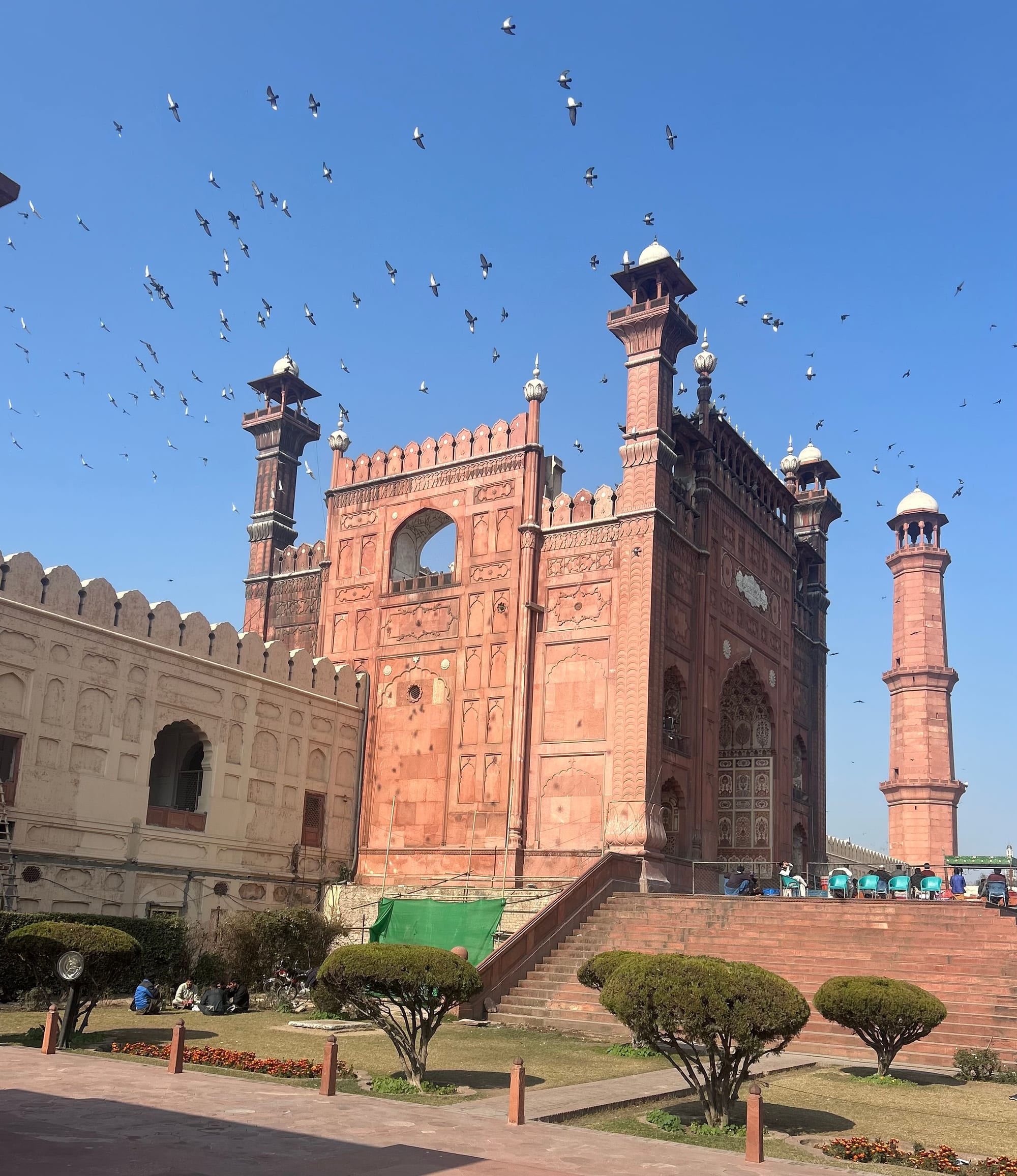
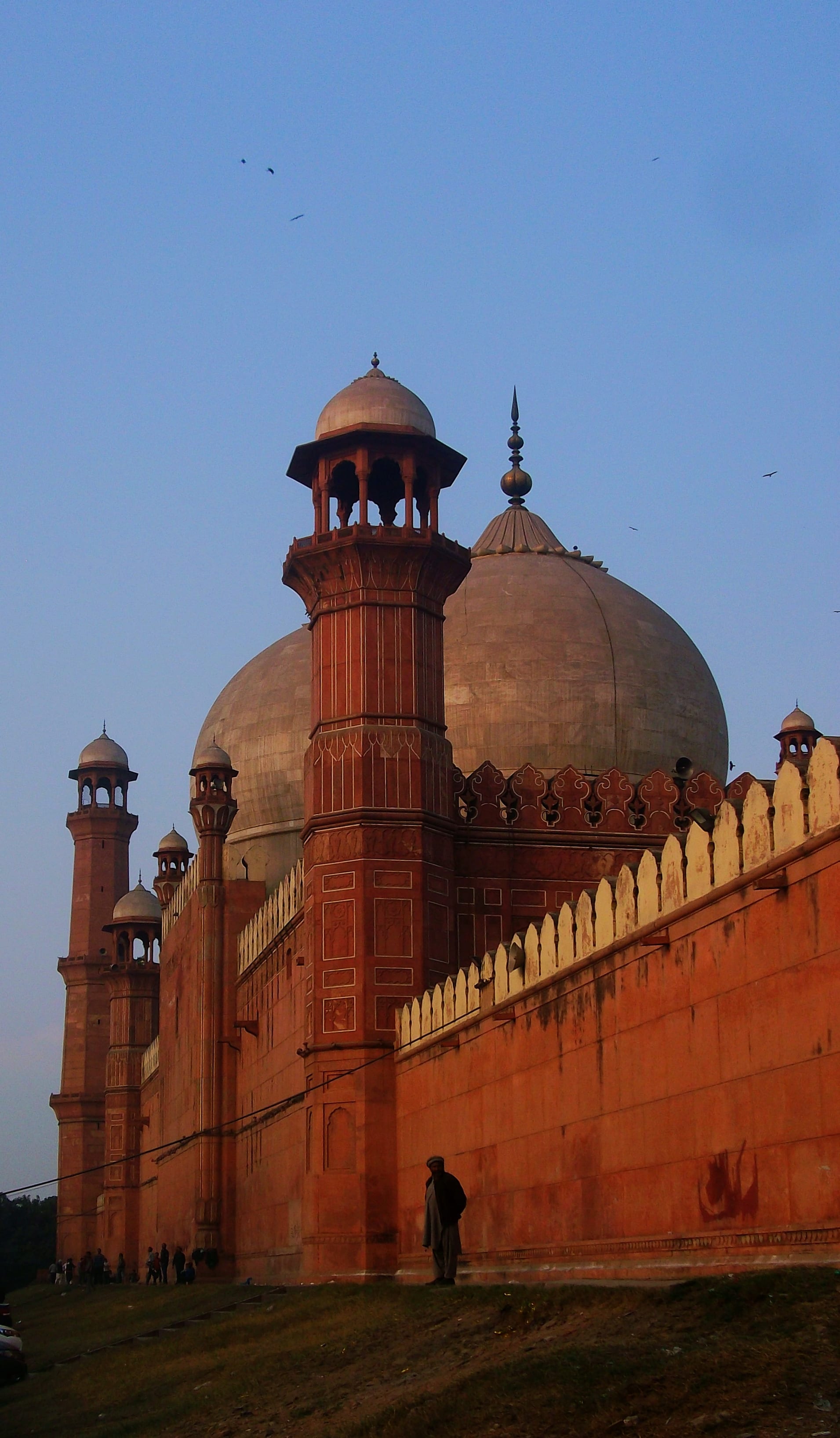
The Badshahi Mosque, built in 1673 by the Mughal emperor Aurangzeb, was for centuries among the largest mosques in the world, its red sandstone courtyard able to hold tens of thousands of worshippers at once. Lahore, Pakistan's cultural capital, holds one of the densest concentrations of Mughal and colonial-era architecture in South Asia, much of it within walking distance of the mosque.
Sunset, when the sandstone glows red-gold, is the classic time to visit.
2. Lahore Fort
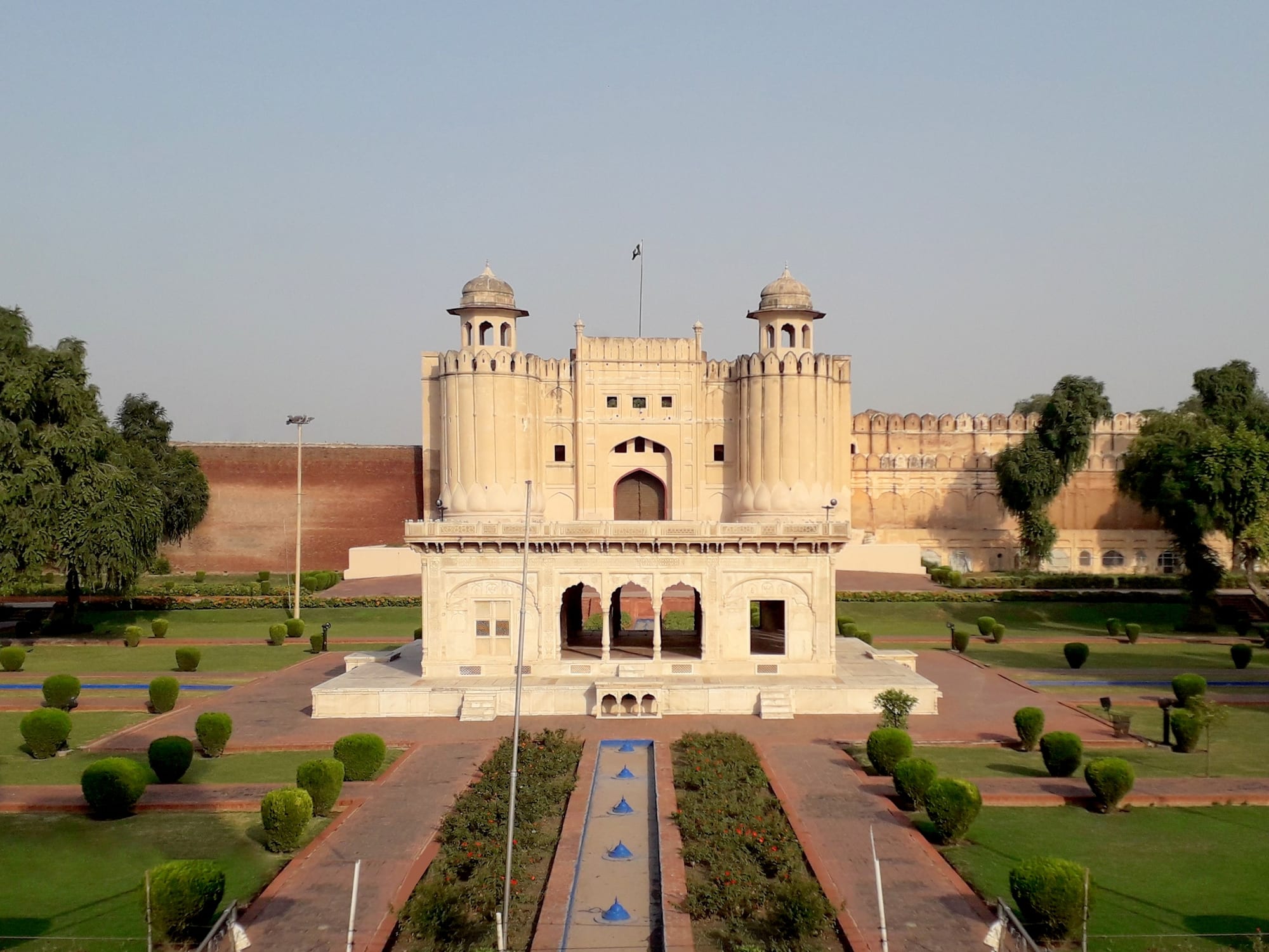
Lahore Fort, a UNESCO World Heritage Site facing the Badshahi Mosque across the old walled city, was built up over centuries by successive Mughal emperors into a citadel of palaces, gardens, and the Sheesh Mahal, a hall lined with thousands of small mirrored tiles. The nearby Wazir Khan Mosque, famed for its tilework, and the bazaars of the old city round out a full day of Mughal-era sightseeing.
3. The Hunza Valley
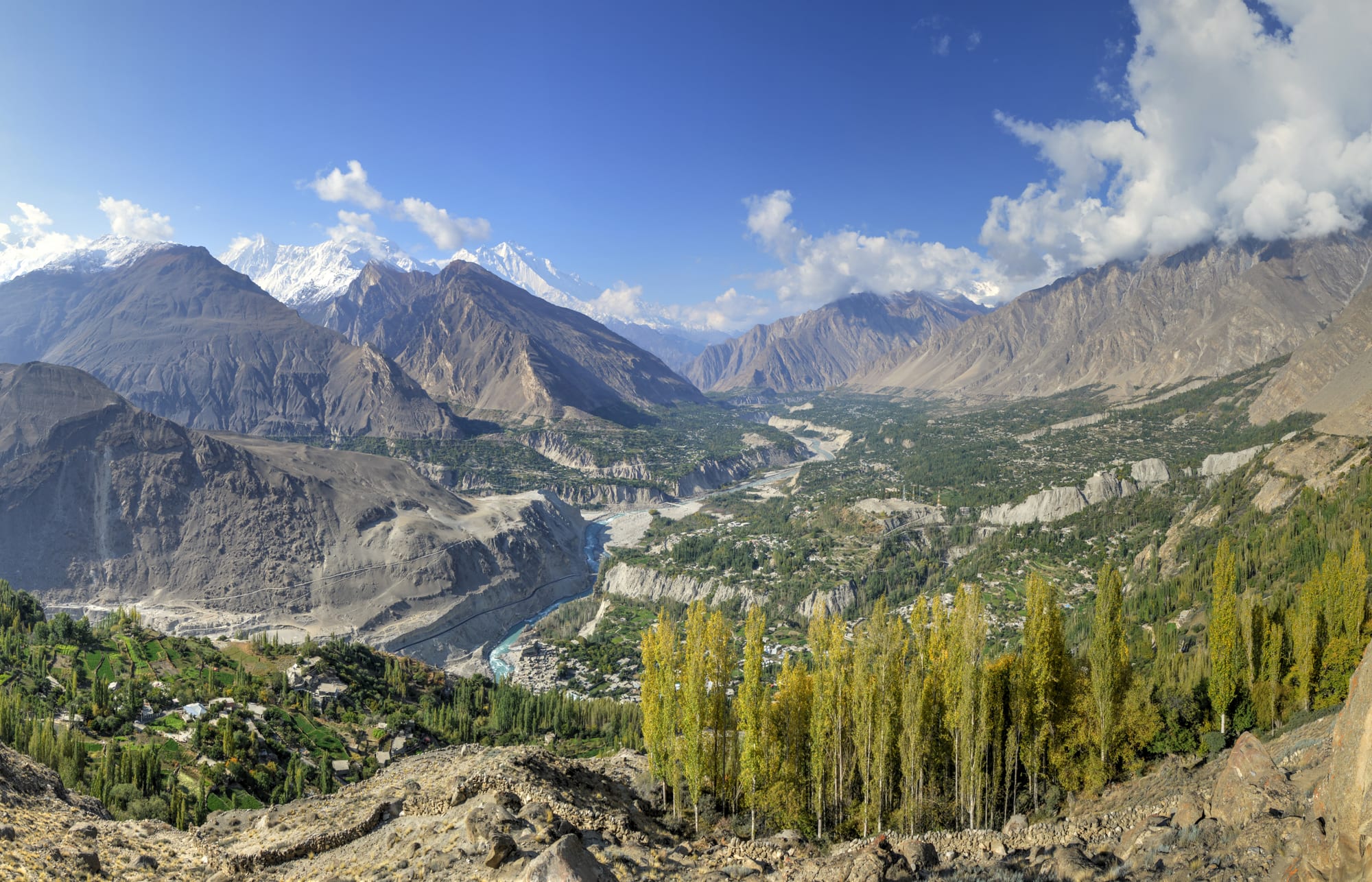
The Hunza Valley, along the Karakoram Highway in the far north, is often named among the most beautiful mountain valleys in the world — terraced orchards and fields beneath the peaks of Rakaposhi and Ultar Sar, centred on the old town of Karimabad and its hilltop Baltit Fort. It has also become known for the reputed longevity of its Burusho and Wakhi residents, though the claims are more folklore than verified fact.
Cherry and apricot blossom in April makes for a particularly striking season to visit.
4. Fairy Meadows and Nanga Parbat
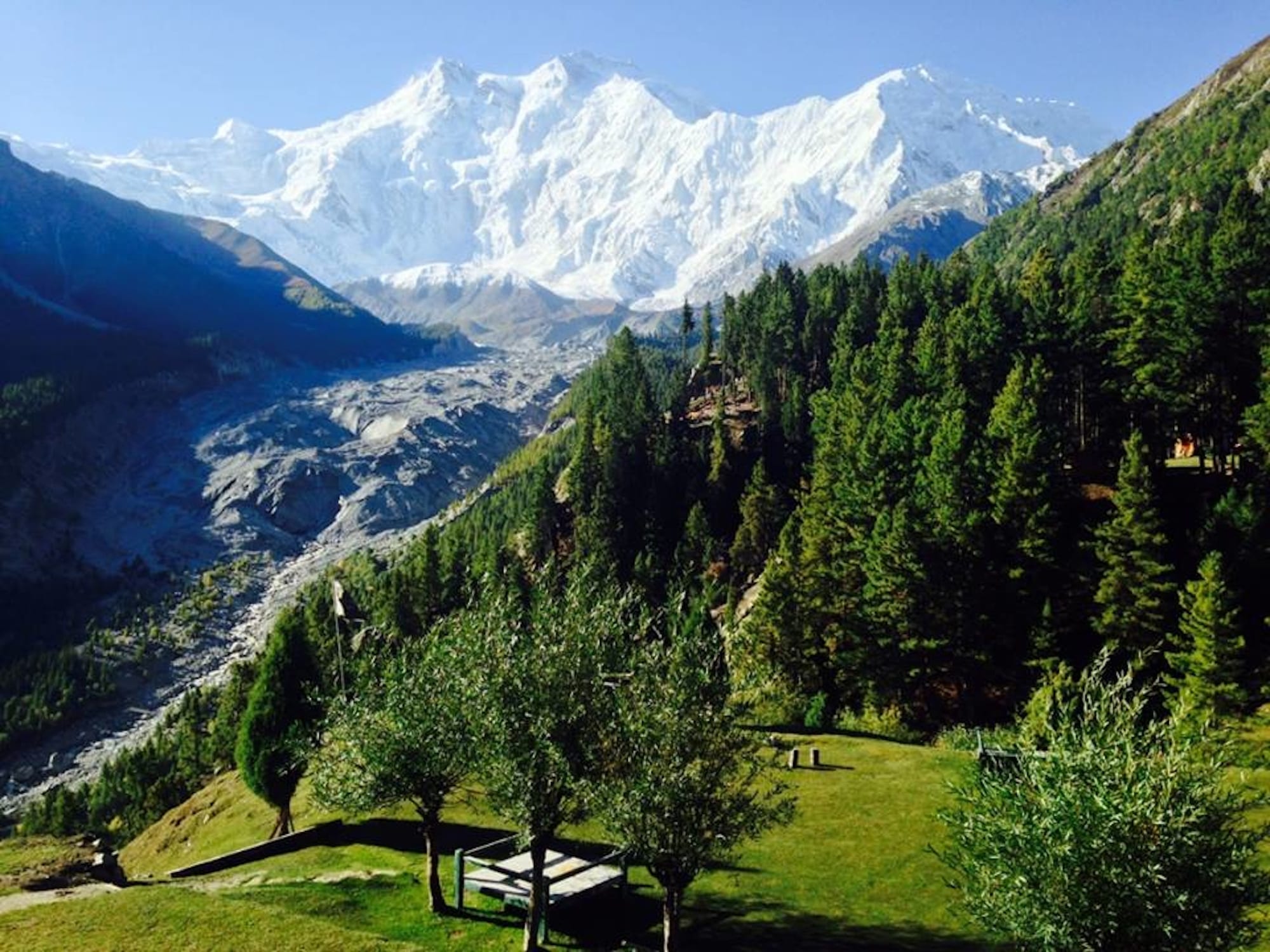
Fairy Meadows, reached by a jeep track and a several-hour trek, is a grassy alpine meadow giving one of the most accessible close-up views anywhere of an 8,000-metre peak — Nanga Parbat, nicknamed "Killer Mountain" for its notoriously difficult early climbing history. Wooden guesthouses and camping let visitors stay overnight beneath the mountain, waking to it lit by sunrise.
5. K2 and the Karakoram
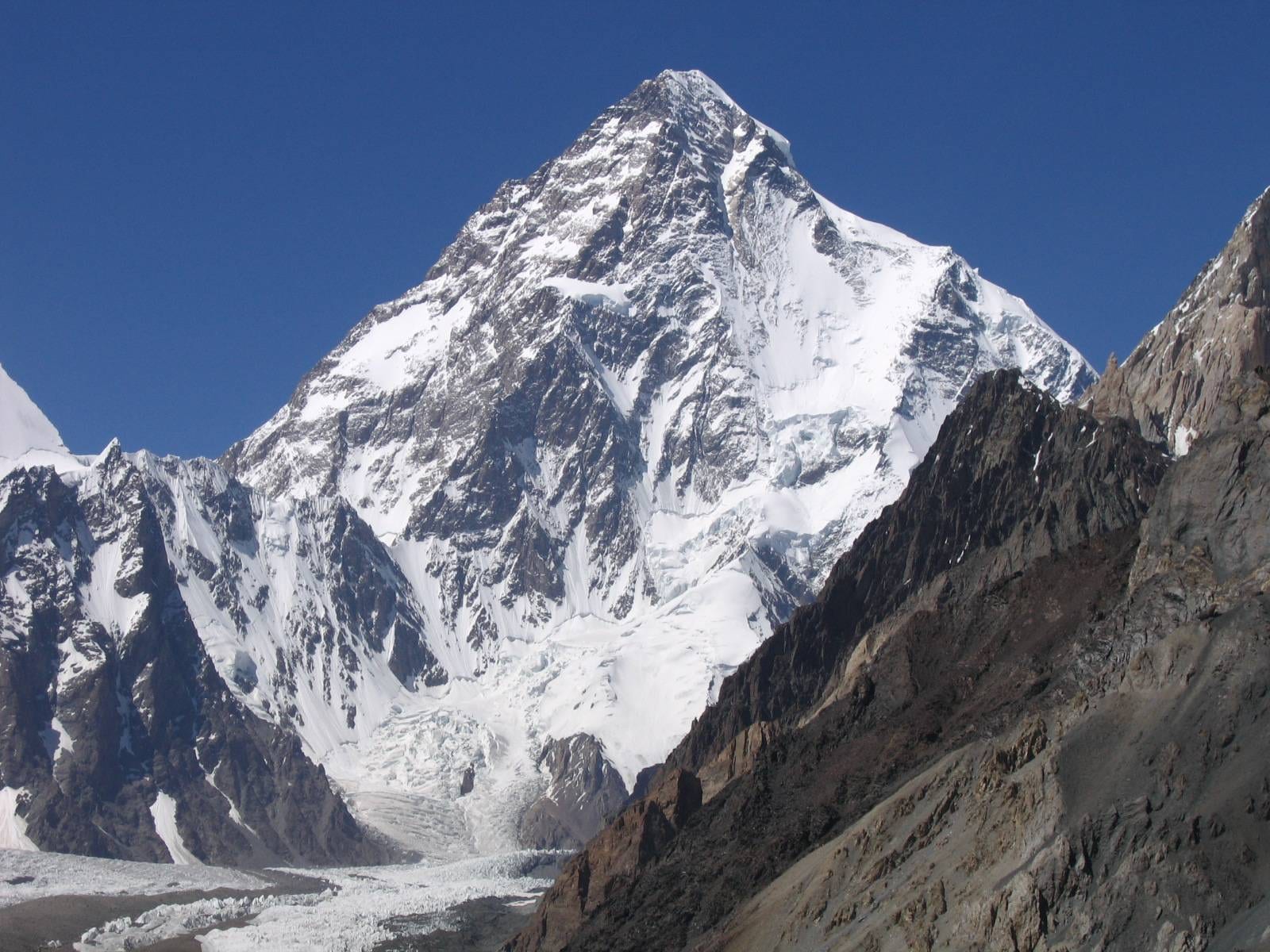
K2, at 8,611 metres the second-highest mountain on earth and widely regarded as the more technically demanding of the world's two tallest peaks, anchors the Karakoram range in Pakistan's far north. Reaching K2 Base Camp is a serious multi-day trek through Concordia, among the most spectacular high-mountain trekking routes anywhere, surrounded by four of the world's fourteen 8,000-metre peaks at once.
This trek requires real preparation, permits, and typically a registered trekking agency.
6. Mohenjo-daro
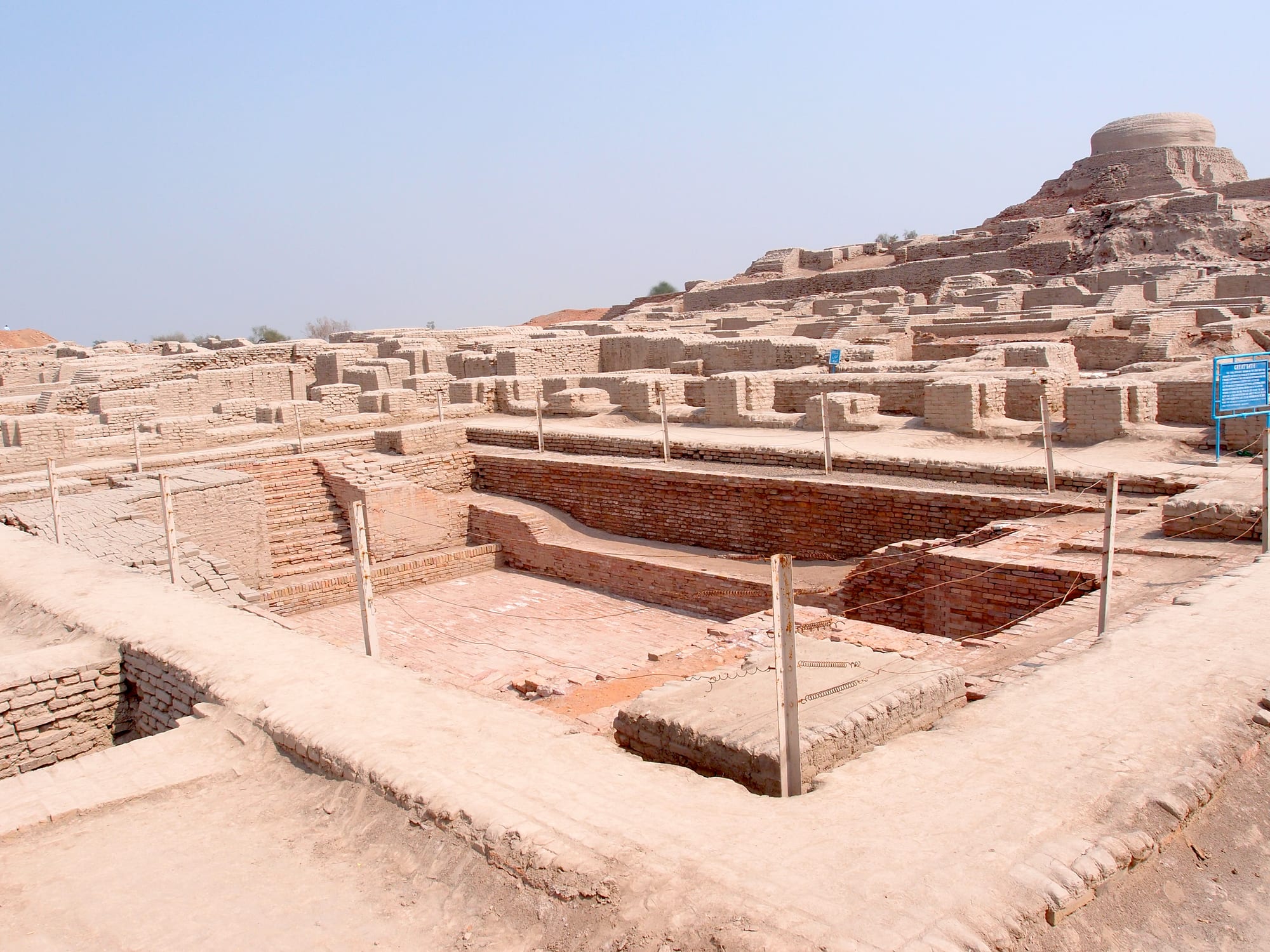
Mohenjo-daro, in Sindh province, preserves the remarkably ordered brick streets, drainage systems, and public bathing structures of a city built around 2500 BCE by the Indus Valley civilisation — one of the world's earliest and most advanced urban cultures, only rediscovered by archaeologists in the 1920s. It is a UNESCO World Heritage Site and one of South Asia's most important ancient sites.
7. The Deosai Plains
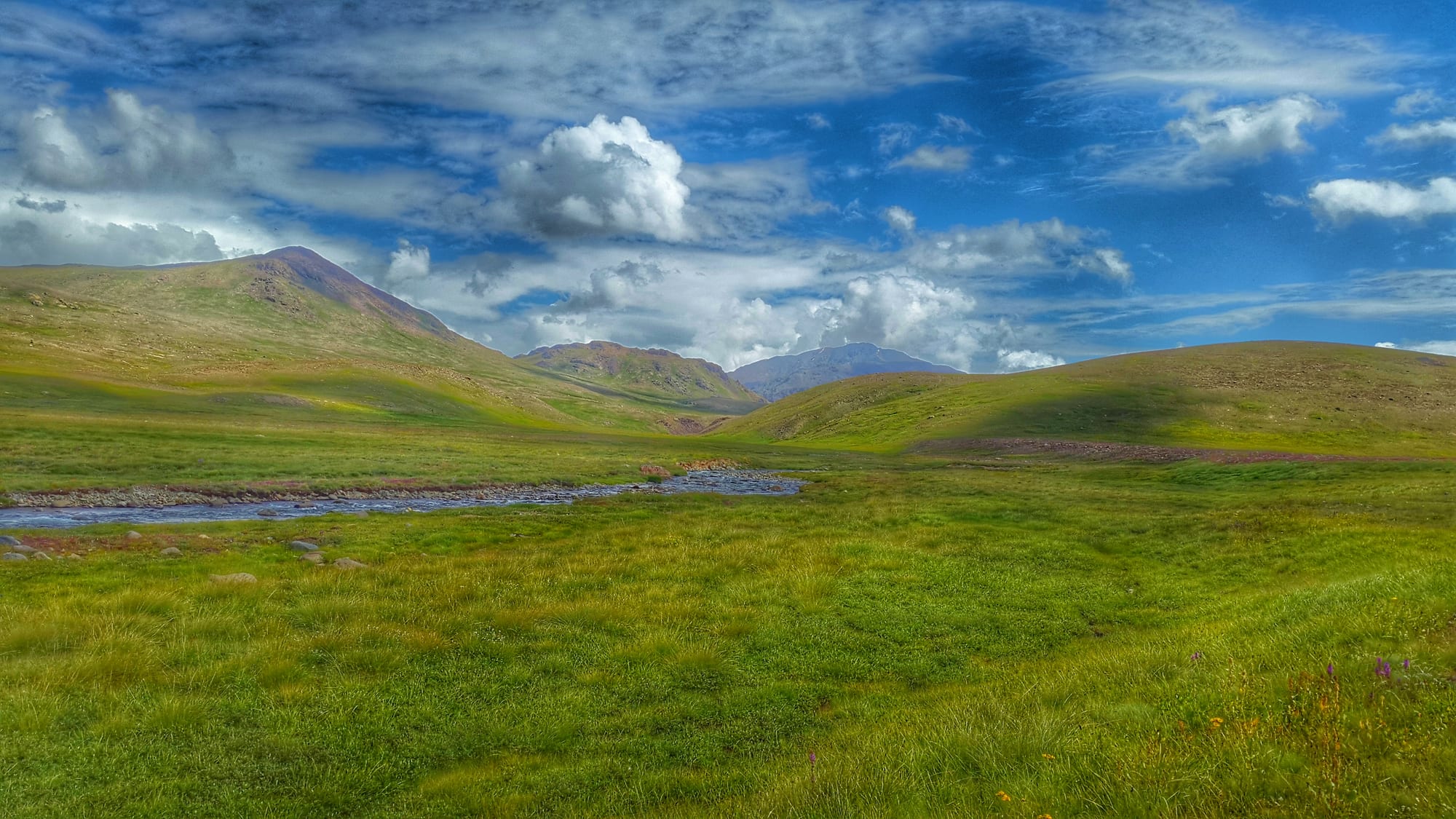
The Deosai Plains, one of the highest plateaus in the world at over 4,000 metres, open into a vast, treeless expanse of wildflowers and grassland each summer, sheltering one of the last significant populations of the Himalayan brown bear along with golden marmots and migratory birds. Snow closes the plateau most of the year; it is accessible roughly from June to September.
The route from Skardu makes an easy combination with the wider Baltistan region's mountain scenery.
8. Karachi
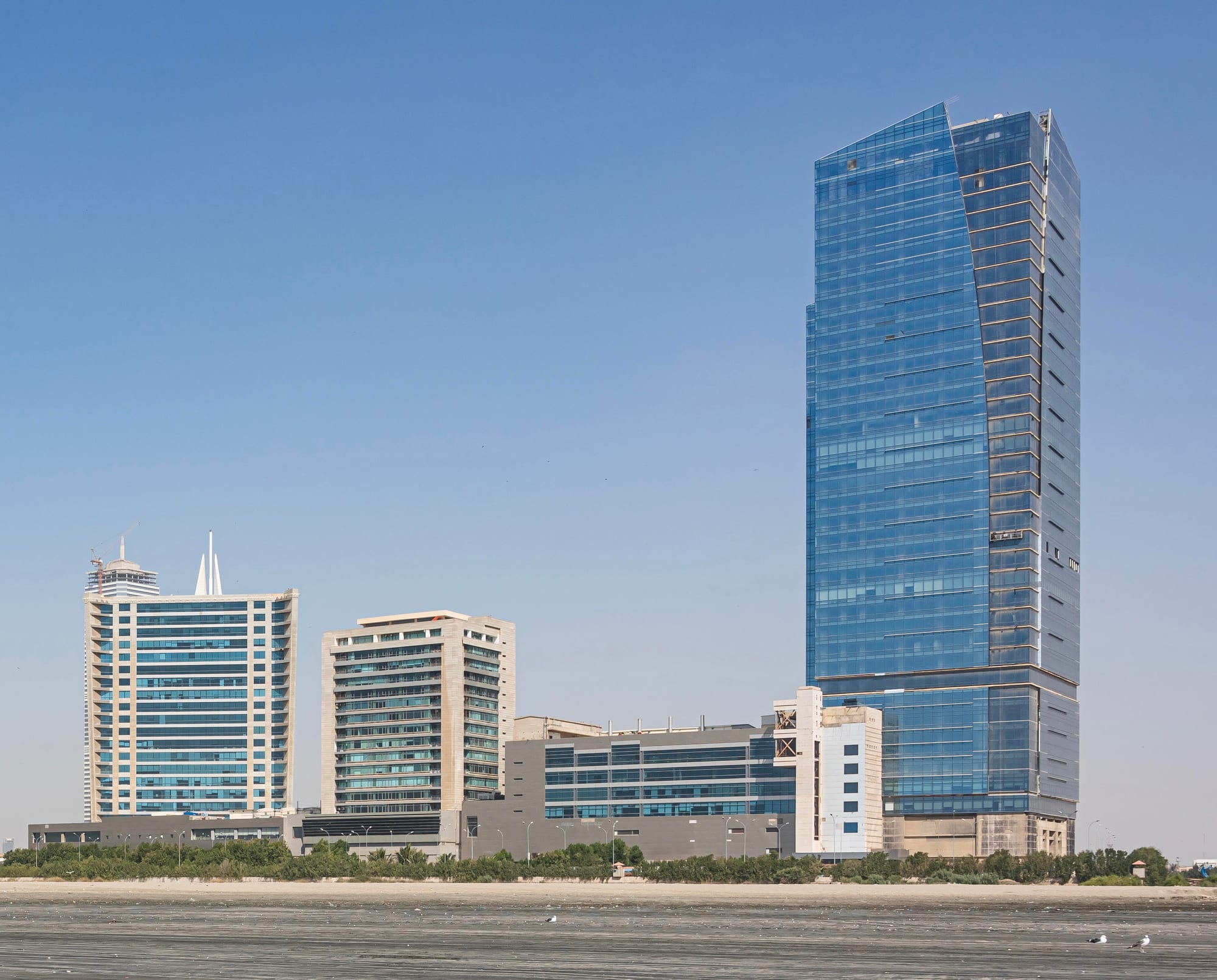
Karachi, Pakistan's largest city and economic engine, sprawls along the Arabian Sea coast — Mazar-e-Quaid, the marble mausoleum of the country's founder Muhammad Ali Jinnah, the busy Clifton beachfront, and a food scene regarded as among the best in South Asia. It is a very different Pakistan from the mountainous north: dense, fast-moving, and thoroughly urban.
A practical note
Pakistan's security situation varies significantly by region: parts of Balochistan and the former tribal areas along the Afghan border have carried persistent travel advisories for years, while Lahore, Islamabad, Karachi, and the popular northern areas (Hunza, Skardu, Fairy Meadows) see substantial normal domestic and international travel, particularly in the tourist season. Some northern areas also require a No Objection Certificate (NOC) for foreign visitors, arranged in advance or through a local tour operator. Check current, region-specific government advice before planning a route.