Daily Life · Pakistan
Pakistan: A Week Bent Around Friday
Multigenerational households where the eldest still holds authority, a working week that pauses for Friday prayers, and a nation of well over two hundred million held together as much by family obligation as by anything else
By Worldlore Editorial · 30 September 2026
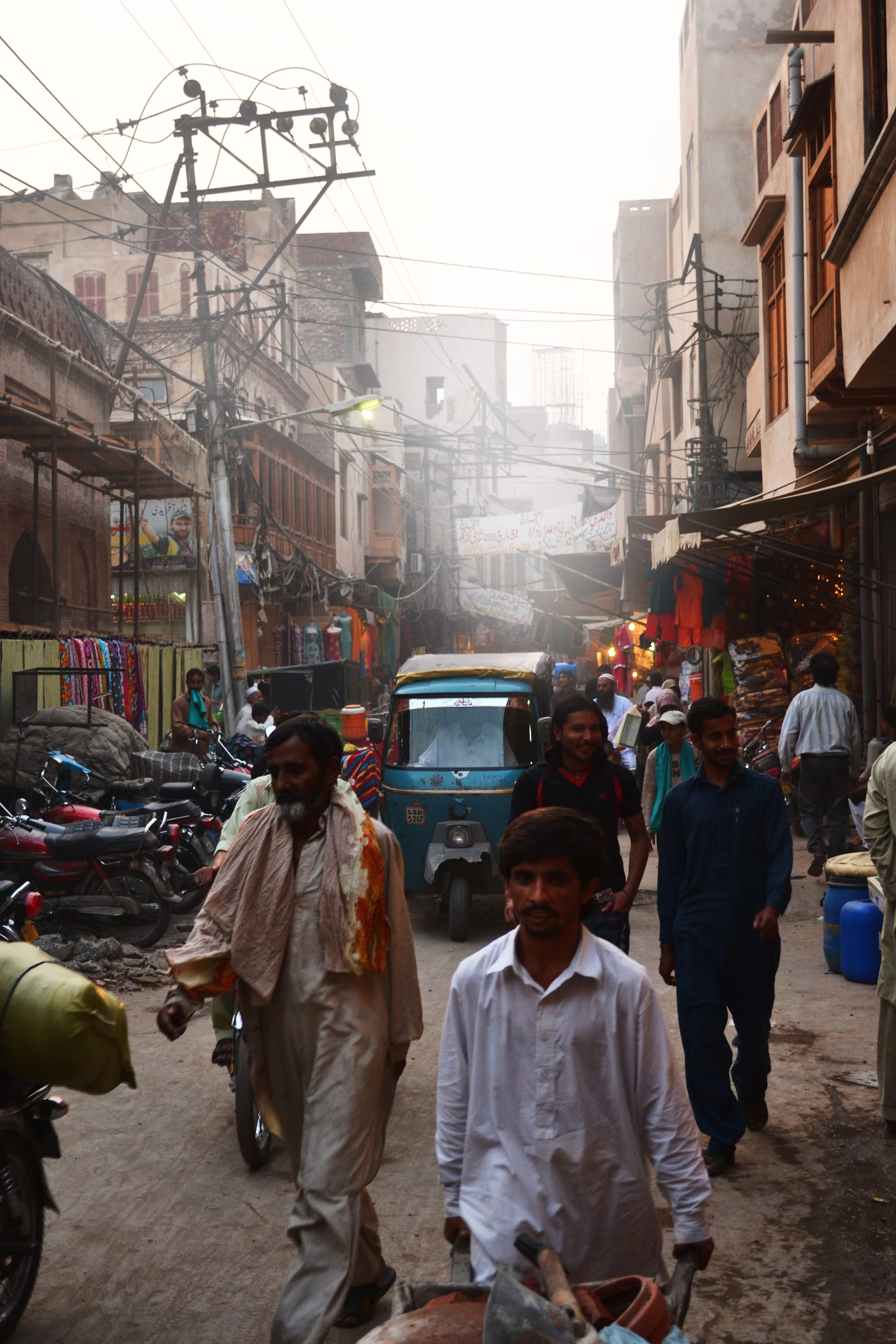
Pakistan is a country of well over two hundred million people, and an ordinary day here is still organised more around the extended family than around the individual. The five daily calls to prayer mark out the shape of the day nationwide, audible from mosques in cities and villages alike, and Friday, the Muslim holy day, bends the whole working week around itself rather than simply closing it. Beneath that shared rhythm sits enormous regional variety — Punjabi, Sindhi, Pashtun, Baloch and northern mountain communities each with their own language and customs — but the household, more than the individual, remains the basic unit that ordinary life is organised around almost everywhere in the country.
Family and home life
The joint family system remains common: a married couple, their sons, their sons' wives and children, and any unmarried children commonly share one household, a single kitchen and a common budget, with three generations under one roof an ordinary arrangement in towns as well as villages. The eldest male typically holds the greatest authority over major household decisions, while domestic work and the daily running of the home fall mainly to the women of the house, though this is shifting somewhat in dual-income urban households. Family and kinship networks, often organised around the biradari, the clan or brotherhood a family belongs to, function as much of the country's informal social safety net and route to opportunity, since relatives are routinely the first source of financial help, introductions and employment leads. Extended family obligations, including hosting and caring for relatives, are treated as a shared household responsibility rather than an individual one.
Work, school and the rhythm of the day
Government offices generally run Monday to Friday, or in some provinces and periods Monday to Saturday, with the working day commonly starting around eight and a midday break set aside for the Zuhr prayer; office policy on the exact weekly schedule has shifted back and forth between five and six working days in recent years. Friday is a working day, but with a long midday break so staff can attend Jumu'ah, the Friday congregational prayer, before work resumes for the afternoon. Bazaars and small shops keep far longer and more informal hours than any office, often staying open well into the evening every day but Friday prayer time. Schooling remains the sharpest fault line in daily life: Pakistan has one of the highest numbers of out-of-school children in the world, with UNICEF and government-linked reporting putting the figure at somewhere between 20 and 25 million children aged five to sixteen, roughly a third of that age group, concentrated heavily in rural areas and among girls.
Community life and public spaces
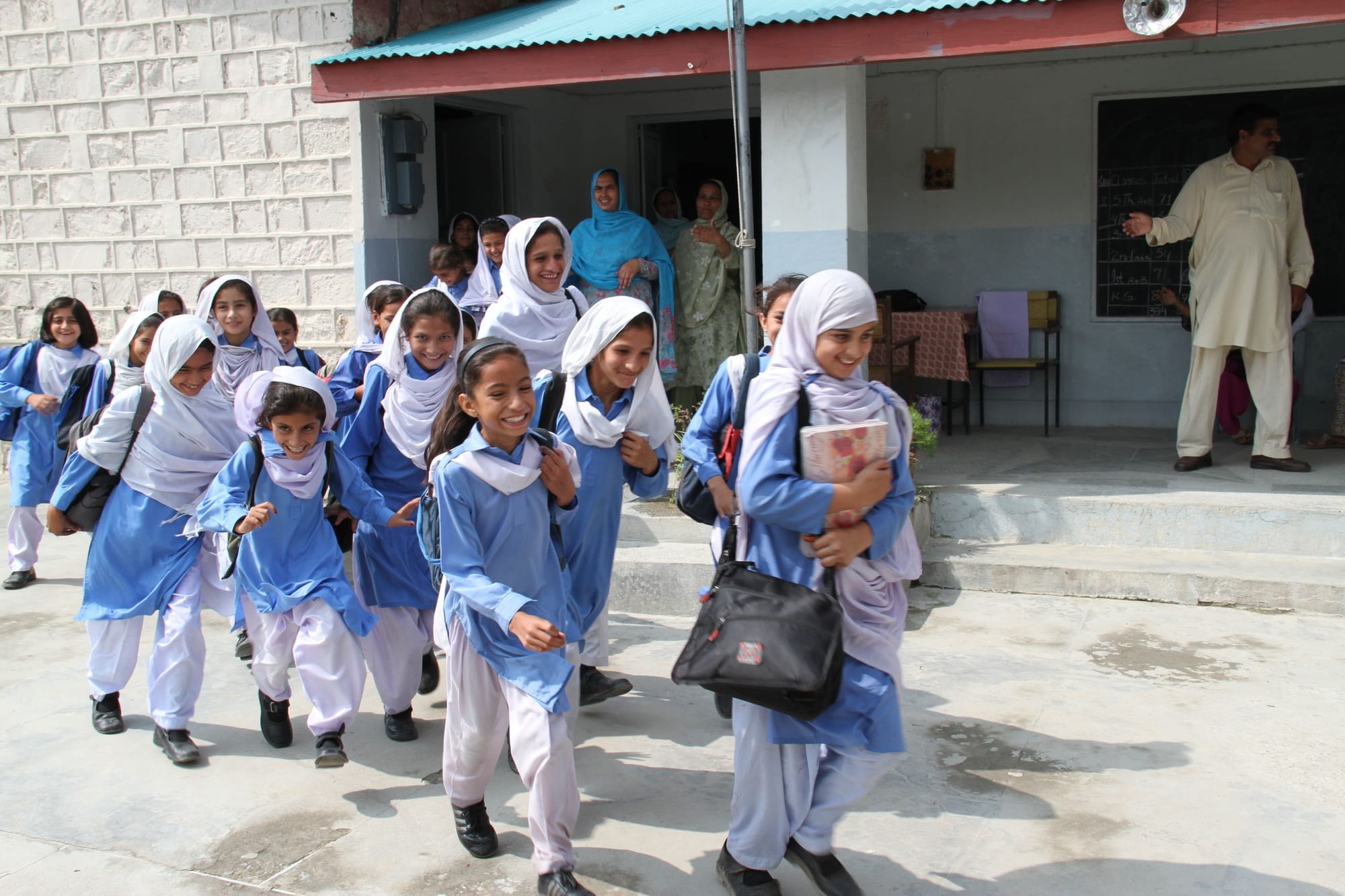
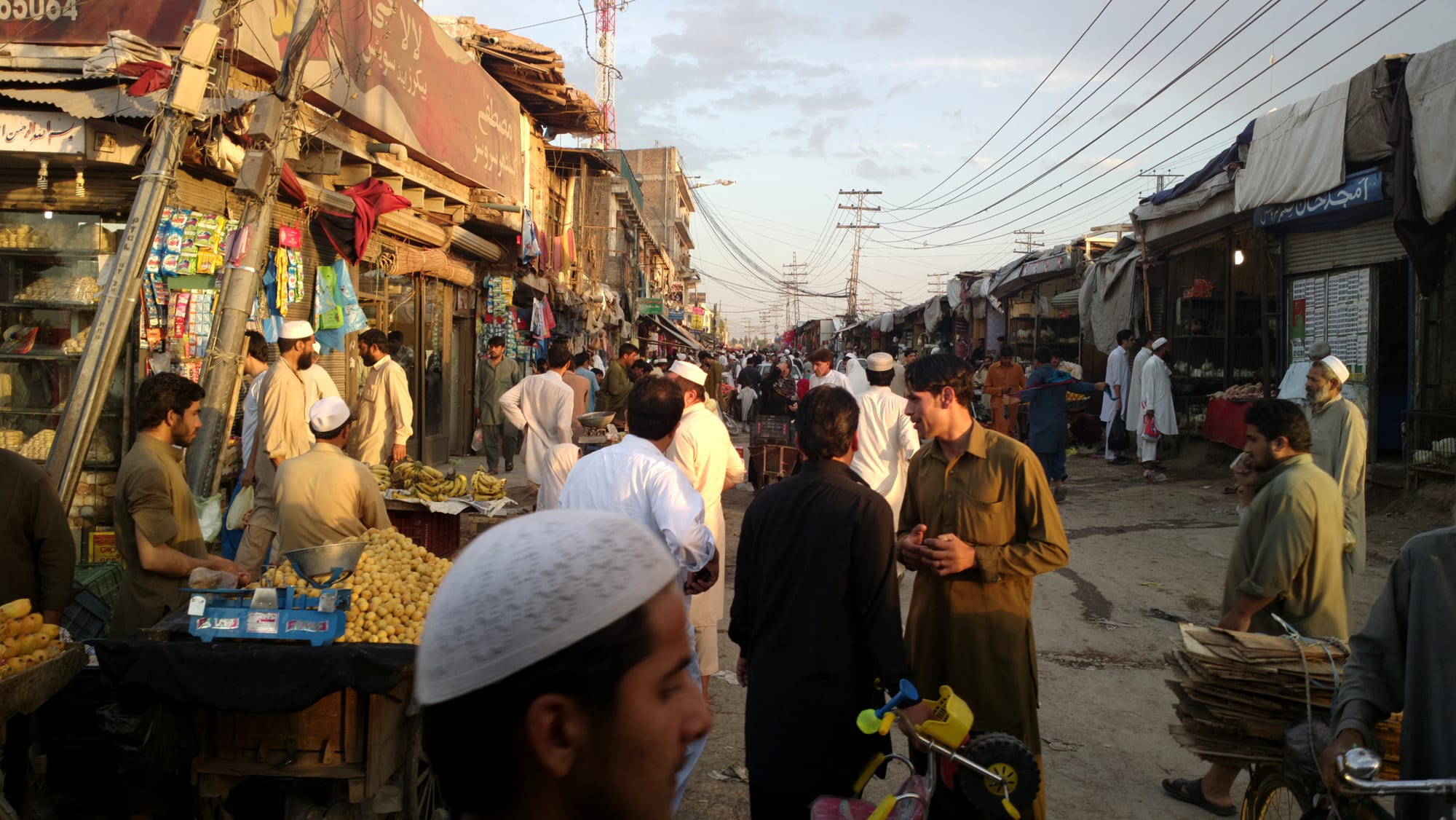
The bazaar is the country's real public square, the place where produce, cloth, tools and prepared food are bought and where most of an ordinary day's contact with people outside the household actually happens. Vendors' stalls, handcarts, motorbikes and pedestrians share the same narrow lanes in the old quarters of Lahore, Multan, Peshawar and other cities, while mosques anchor neighbourhood life beyond commerce, drawing men in particular for five daily prayers. Getting around a city means rickshaws, shared vans and buses, and, increasingly, ride-hailing apps and new bus-rapid-transit lines in Lahore, Islamabad and a handful of other cities; between cities, intercity coach services and the ageing British-era railway carry most travel that isn't by private car. Street cricket, played with whatever bat and ball is on hand in alleys, empty lots and school yards, is close to a universal sight and one of the most consistent forms of shared public space in the country.
Free time and weekends
Saturday and Sunday make up the official weekend, and Sunday in particular is generally given over to extended family lunches, visiting relatives and, for many households, catching up on chores and errands that the working week didn't allow time for. Cricket dominates spare time and conversation more than any other pastime: international matches are watched collectively, at home, in shops and at tea stalls, and success or failure on the pitch is followed as a genuinely national event rather than a niche interest. Television drama serials are a major shared evening habit, and poetry remains a mass rather than niche pursuit, recited at family gatherings and at the mushaira, a public poetry-recital event that still draws real crowds. Weddings, often stretched across several days of separate functions, are among the largest and most anticipated events on most families' calendars, and free time in the weeks around one is typically absorbed by preparation and hosting.
A visitor's ordinary day
Pakistan is largely a cash economy outside the largest cities: card payments are increasingly accepted in Lahore, Karachi and Islamabad, but smaller shops, markets and anywhere outside a major city still expect cash, and it is worth carrying enough on any given day. Expect Friday to run differently from the rest of the week, with many offices, banks and some shops pausing for a long break around midday prayer time. Intercity coach services connect the main Punjab cities efficiently and cheaply, domestic flights are the practical way to reach the northern mountain towns, and a hired car with a local driver is the standard way to manage mountain roads once there. Security conditions vary sharply by region — the northern tourism areas around Hunza and Skardu are far calmer than Balochistan or the areas near the Afghan border, which many governments advise against visiting altogether — so checking an up-to-date government travel advisory before planning a route matters more in Pakistan than in most neighbouring countries.
What to take away
An ordinary day in Pakistan is still shaped less by the clock than by two things that sit above the individual: the household that most decisions run through, and a Friday that reorganises the whole week around itself rather than simply ending it.