Food · Oman
Oman: Food and the National Dish
Meat marinated overnight and cooked slowly underground for a full day, a genuine feast dish from the country that once controlled the world's frankincense trade
By Worldlore Editorial · 16 September 2026
A trading nation's table
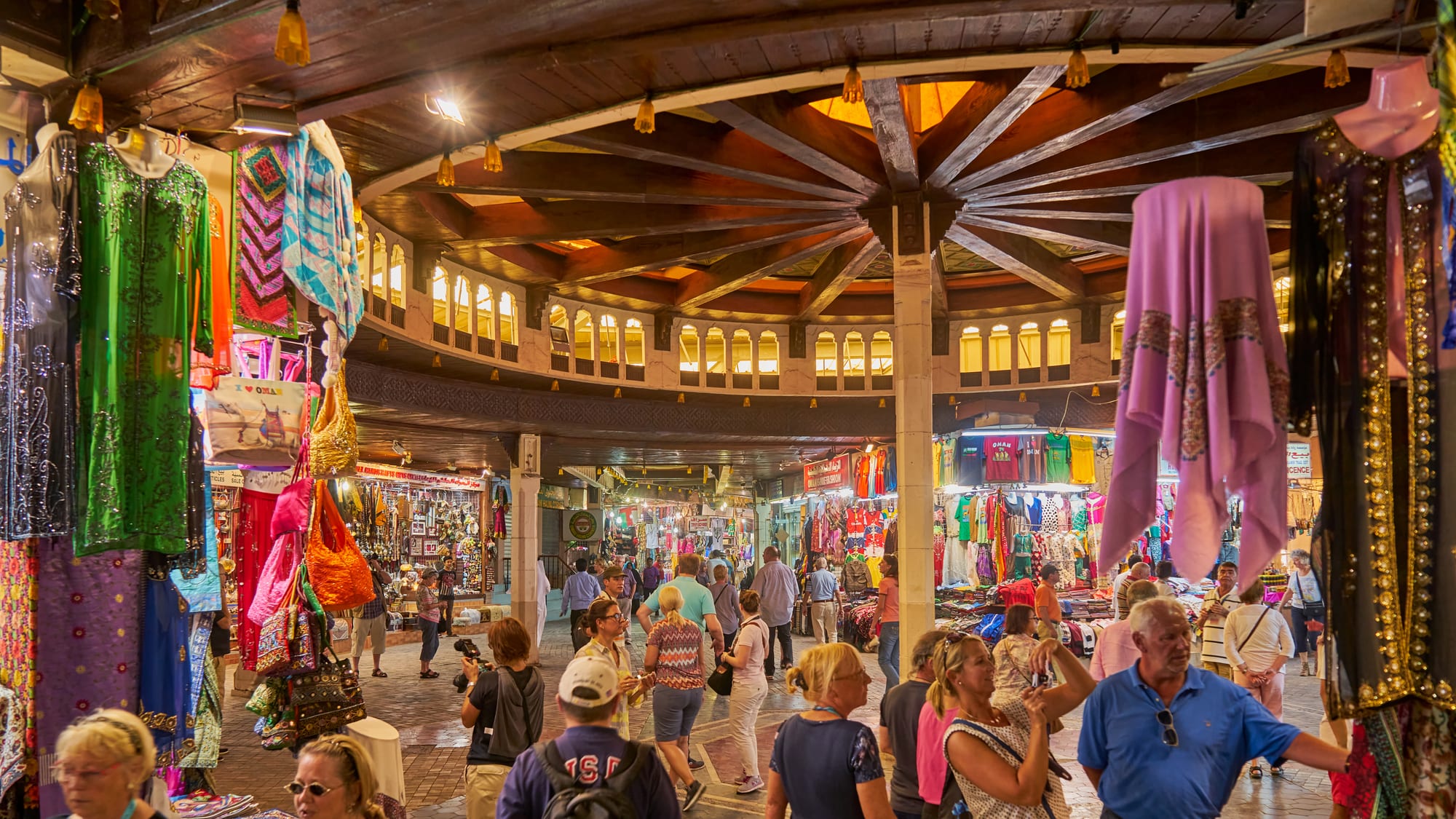
Oman's position on the Arabian Peninsula, historically controlling much of the world's frankincense trade and maintaining maritime links across the Indian Ocean, shaped a food culture that draws on spices and ingredients from India, East Africa and the wider Gulf region alongside its own Bedouin desert traditions.
The national dish: shuwa
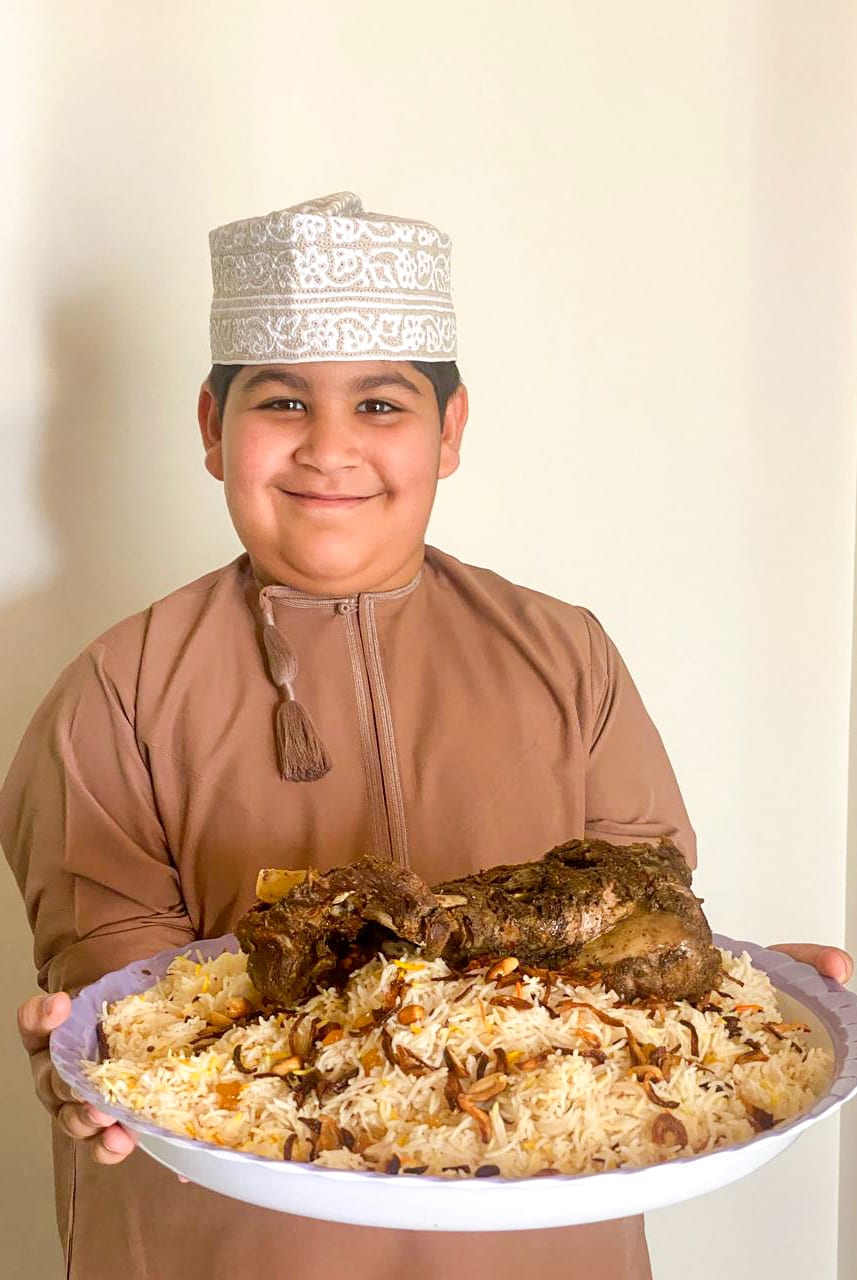
Shuwa, meat, usually goat or lamb, marinated overnight in a blend of spices and wrapped in banana leaves, then cooked slowly in an underground pit for as long as a full day, is Oman's national dish. Traditionally prepared for Eid and other major celebrations, shuwa demands real advance planning and patience, and the result is extraordinarily tender meat carrying deep, slow-developed flavour.
Dates, spice and the Omani pantry
Dates, grown across Oman's oases, remain a genuine daily staple and a mark of hospitality offered to guests alongside coffee. Rice, dried lime, saffron and a spice cabinet reflecting centuries of Indian Ocean trade anchor much of Omani cooking, alongside fresh seafood along the country's long coastline.
History behind the frankincense trade
Oman controlled a significant share of the ancient world's frankincense trade, harvested from trees in the southern Dhofar region and shipped across the Arabian Sea and Indian Ocean for millennia, a history that brought spices, rice and cooking techniques from India and East Africa into direct contact with Omani cooking. That trading legacy is part of why Omani food carries genuine South Asian and African influence alongside its Arabian base.
Dishes to know
Five more to recognise across Oman:
- Majboos — spiced rice cooked with meat or fish, shared across the
wider Gulf under various names.
- Harees — a slow-cooked porridge of wheat and meat, especially eaten
during Ramadan.
- Mishkak — small grilled meat skewers, a popular street food.
- Halwa — a dense, sweet dessert made from sugar, ghee and spices,
particularly associated with Omani hospitality.
- Dates — eaten fresh or dried, offered to guests alongside coffee as
a mark of hospitality.
Drinks
Omani coffee (qahwa), lightly spiced with cardamom and served without sugar, is central to hospitality and traditionally offered alongside dates or halwa. Karak tea, strong and sweet with milk and spices, reflects South Asian influence, and alcohol is available in licensed hotels and restaurants but not sold generally given Oman's Muslim-majority population.
Eating as a traveller
Vegetarians will find rice, date and vegetable dishes manageable, though meat and fish are central to most traditional Omani cooking. Tap water is generally safe, though bottled water remains the common local preference. Visiting Muscat's Muttrah Souq, one of the oldest markets on the Arabian Peninsula, is a genuine way to see the spice, date and frankincense trade that has shaped Omani food for centuries.
What to take from the table
Shuwa, patient and deeply flavoured after a full day underground, is the dish that best represents Omani hospitality — and Muttrah Souq's frankincense-scented alleys are a direct link to the trade that built the country's food culture long before oil did.