Daily Life · Oman
Oman: A Home Scented Every Day
Three generations sharing one household, a working week that runs Sunday to Thursday, and the smell of frankincense burned each morning as an ordinary household chore rather than an occasion
By Worldlore Editorial · 30 September 2026
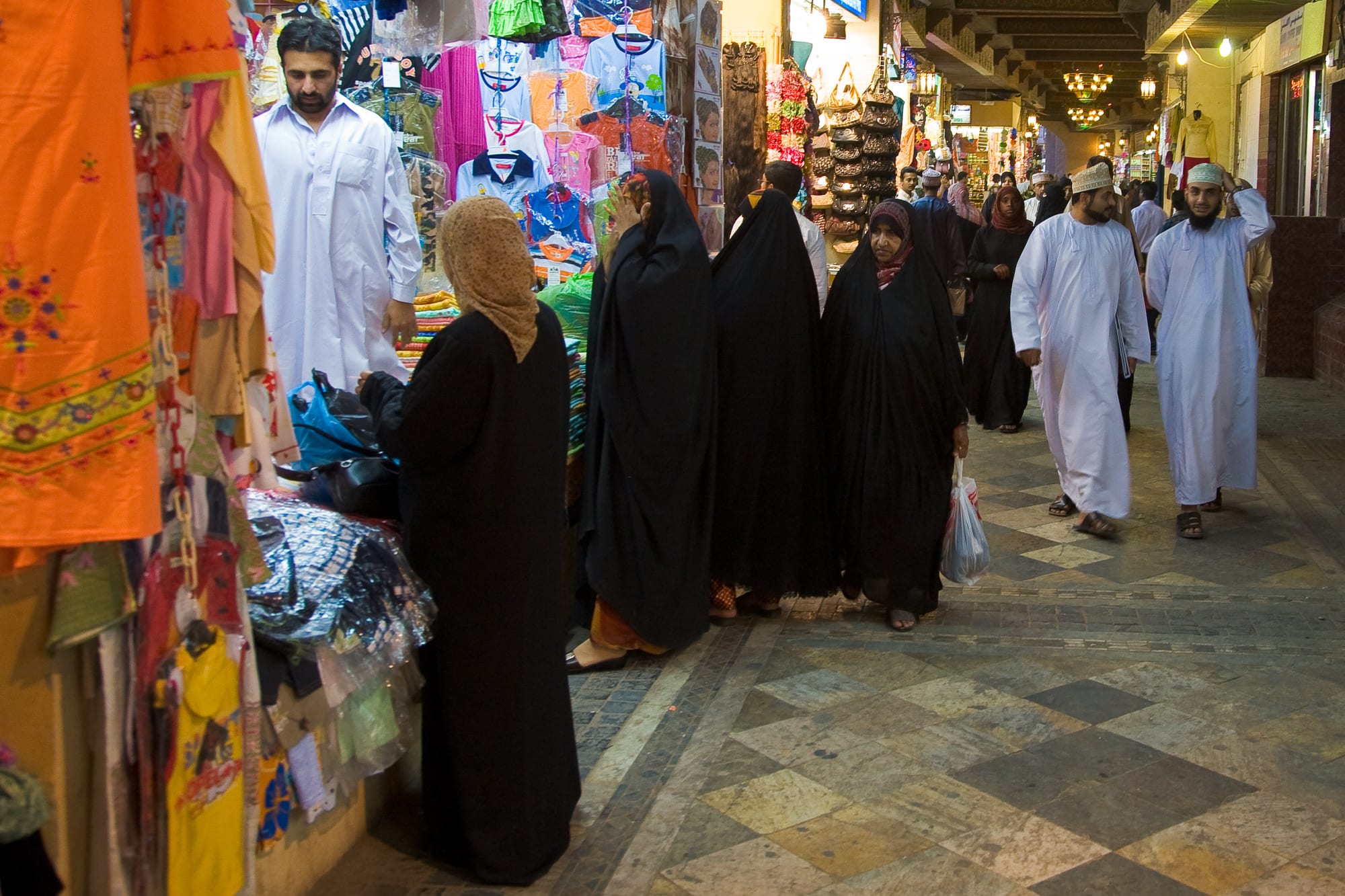
An ordinary day in Oman is shaped by two things above all: the heat, and the call to prayer. Mornings start early and briskly, activity slows through the hottest hours of the afternoon, and life picks up again in the cooler evening, when families visit, shop and sit together over coffee. Homes here are rarely quiet for long — households commonly span three generations under one roof — and the day carries a distinctive scent to go with its rhythm: frankincense or bukhoor, burned in a small clay incense burner as an everyday household task rather than a special occasion, its smoke passing through the rooms, the furnishings and often the clothes of the family inside.
Family and home life
Many Omani households are extended families of three generations, often large ones, with a newly married couple traditionally living at the husband's family home. The eldest male generally holds the most authority over family decisions, while an older woman of the household typically directs the day-to-day running of the home and the allocation of chores. Many houses still keep a majlis, a formal sitting room for receiving guests, separate from the family's everyday living space, and even where a household has moved into a single shared majlis, the room remains the centre of the home rather than an afterthought. Even where nuclear families live apart, daily phone calls and frequent visits keep the wider kin group closely connected.
Work, school and the rhythm of the day
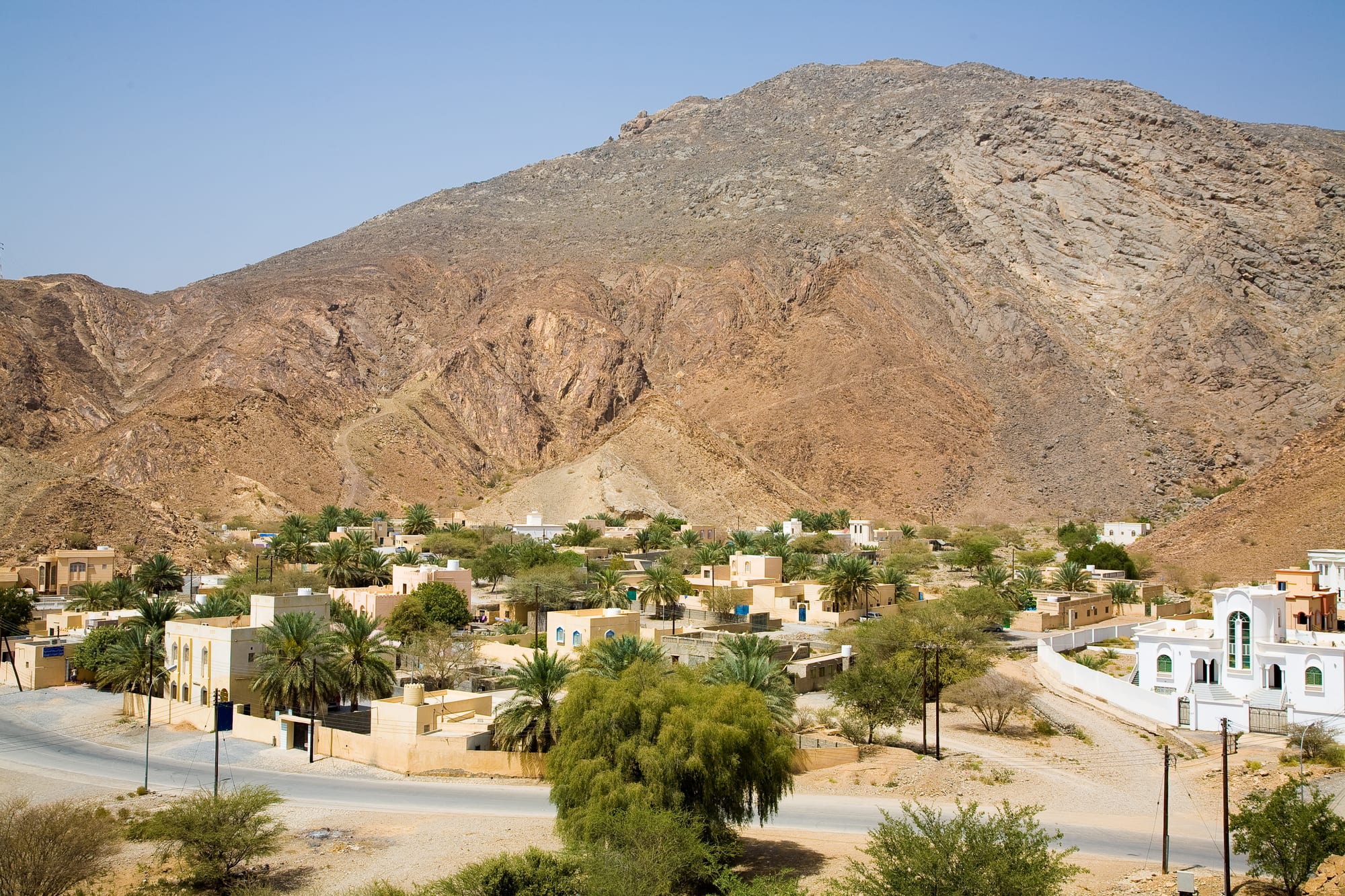
The working week runs Sunday to Thursday, with Friday and Saturday as the weekend nationwide, a pattern adopted across government and private business alike since 2013. The standard working day is eight hours, cut to six for Muslim employees during Ramadan, and many shops and offices close for a few hours in the early afternoon before reopening into the evening, particularly in summer when daytime heat in the north can pass 45 degrees Celsius. Roughly two in five people living in Oman are foreign workers, mostly from South Asia, filling much of the labour in construction, domestic work and services, while the state has been pushing companies to hire and train more Omani nationals, known locally as Omanisation, across both government and private employment.
Community life and public spaces
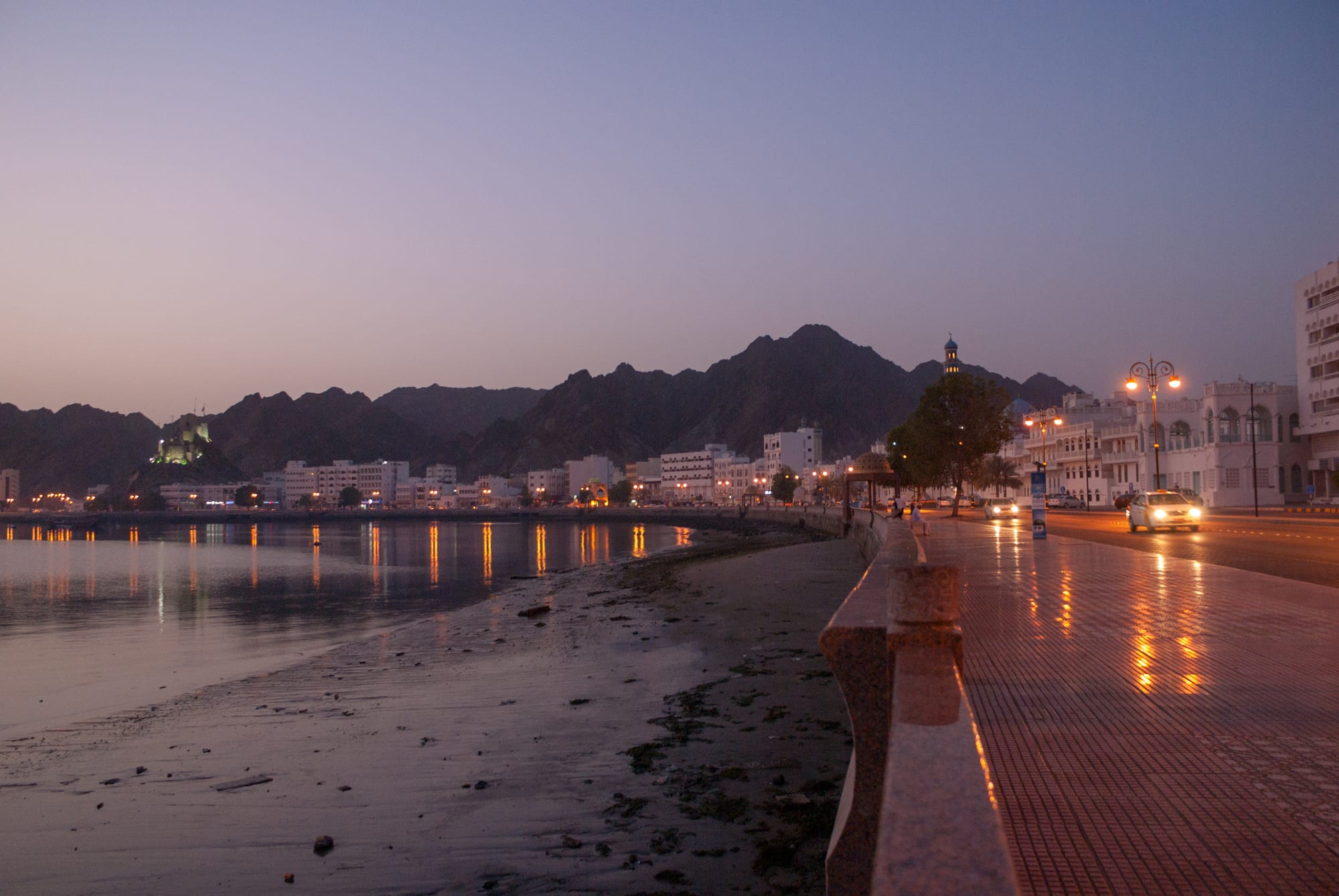
The souq remains the most reliable place to see an ordinary cross-section of the country going about its day, none more so than Muttrah Souq in Muscat, one of the oldest and busiest in the country, its narrow covered lanes packed with textiles, spices and gold from morning until well after dark. Coffee shops, both traditional and modern, are where men in particular gather through the day, and the corniche, the seafront promenade found in Muscat and other coastal towns, fills with walkers and families once the evening cools. Public transport is limited outside the capital, so private cars, and a fair amount of informal ride-sharing, carry most of the everyday traffic between home, work, mosque and souq.
Free time and weekends
Weekends are given over to family visits, the beach or mountain wadis depending on the season, and, for many households, an evening drive out of the city once the day's heat has broken. Camel racing and bull-butting, a bloodless contest on the Batinah coast, still draw local crowds, and football is followed avidly nationwide. Wild camping in the desert or the Hajar mountains is common, legal and low-cost, and a weekend trip to a wadi pool or the dunes counts as a routine outing for Omani families rather than something reserved for tourists.
A visitor's ordinary day
Oman runs mostly on cash for souqs, small restaurants and rural fuel stations, though cards are widely accepted in hotels and larger shops in Muscat and other towns; the Omani rial, one of the world's highest-valued currencies, is divided into 1,000 baisa. Expect shops to open by mid-morning, pause for a few hours in the early afternoon, and stay open into the evening. Alcohol is served only in licensed hotels and restaurants, and dress modestly away from resort areas, particularly in the interior. Self-driving is straightforward on the highways, but never cross a wadi running with water and never camp in a dry one, since flash floods after rain are a genuine and recurring danger.
What to take away
An ordinary day in Oman runs on its own unhurried logic, paced by the heat and by prayer rather than by the clock, and its most telling detail may be the smallest one: a home that is quietly, deliberately scented every single day, whether or not anyone is coming to visit.