Food · North Korea
North Korea: Food and the National Dish
Cold buckwheat noodles from a single famous Pyongyang restaurant, a dish shared with South Korea but claimed with genuine local pride in the North
By Worldlore Editorial · 16 September 2026
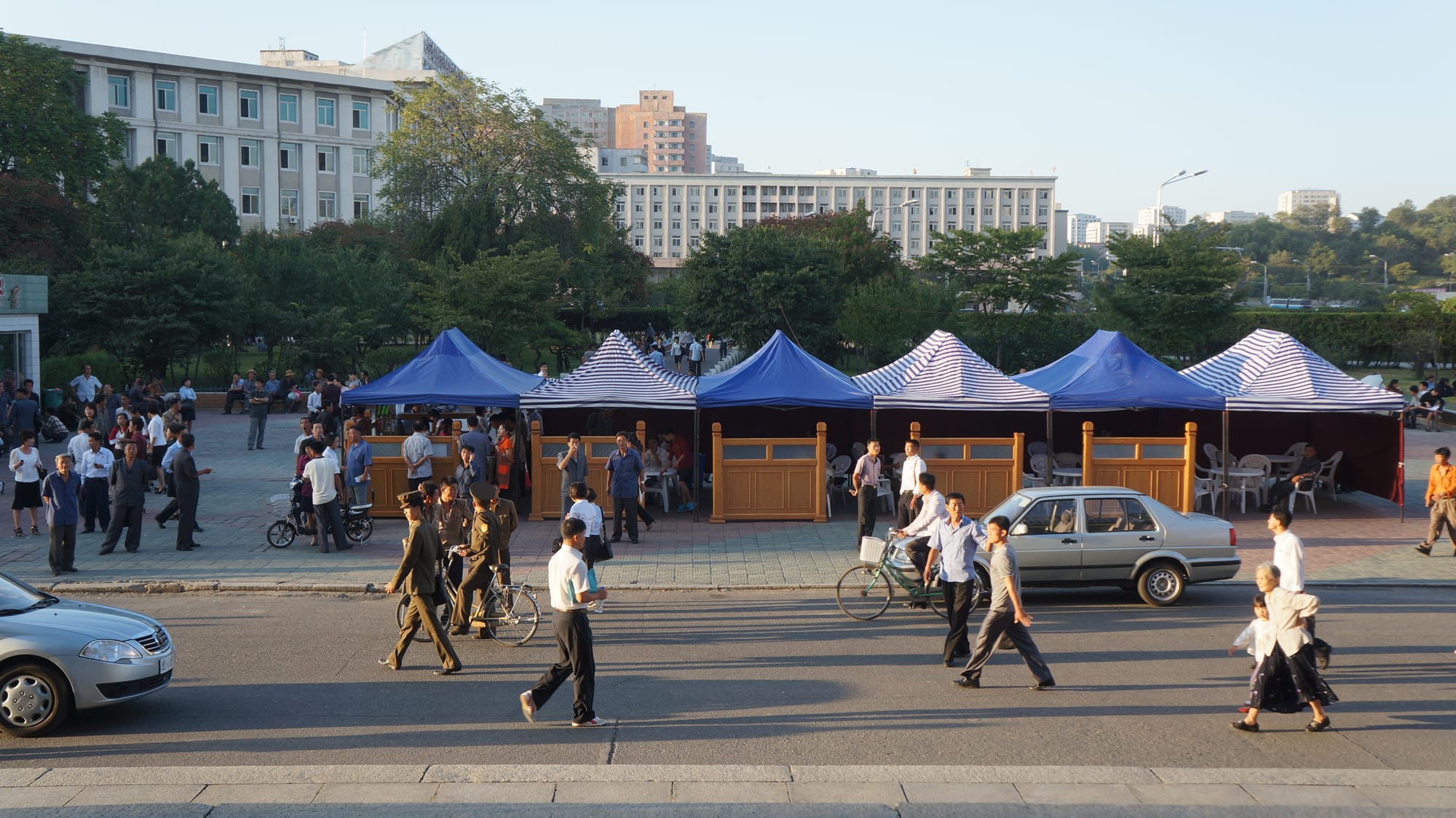
A shared Korean food tradition, divided by a border
North Korean food shares its deepest roots with the wider Korean culinary tradition found across the border in South Korea: rice, fermented vegetables, and a strong noodle culture. Decades of political division have shaped some real differences in availability and style, but the underlying cuisine remains recognisably part of one shared Korean food identity.
The celebrated dish: Pyongyang naengmyeon
Pyongyang naengmyeon, cold buckwheat noodles served in a chilled, tangy broth with vegetables and sometimes a boiled egg, is North Korea's most celebrated dish, most famously associated with Okryugwan, a large state-run restaurant in Pyongyang considered the dish's definitive source. The dish gained international attention in 2018 when it was served at the inter-Korean summit between the two countries' leaders, briefly turning a well-known regional specialty into international news.
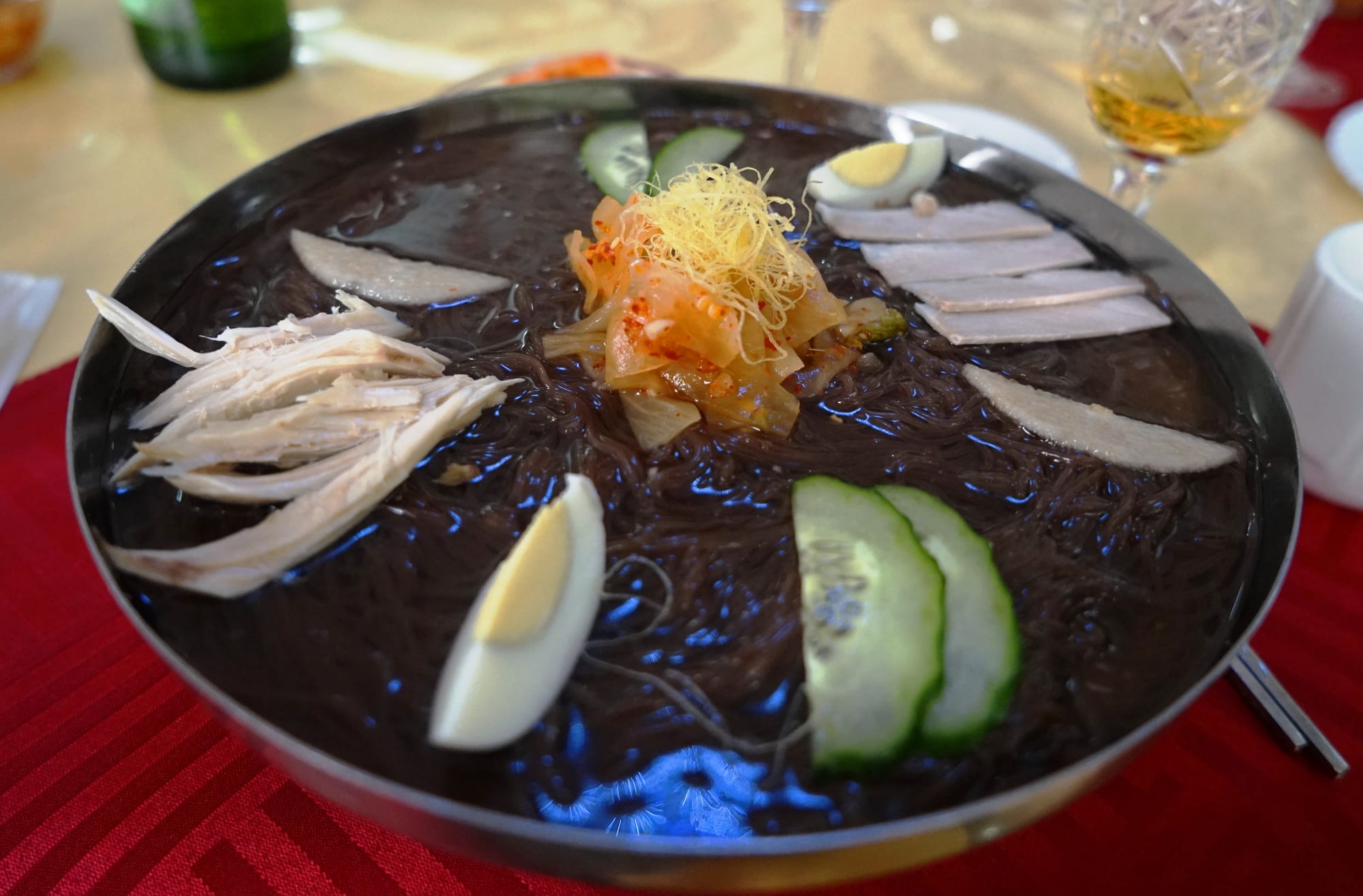
Rice, fermented vegetables and the everyday pantry
Rice and kimchi, fermented, spiced vegetables shared across the whole Korean peninsula, form the backbone of North Korean everyday cooking, alongside soups and stews built on whatever vegetables and protein are available. Corn and potatoes have also played a larger role in North Korean diets than in the South, reflecting different agricultural conditions and, at times, genuine food scarcity.
History behind the dish
Naengmyeon's origins trace to the northern regions of the Korean peninsula, predating the country's post-war division, which is part of why the dish carries such strong association with Pyongyang specifically even though nearly identical versions are eaten and loved in South Korea today. Okryugwan, opened in 1960, became the dish's most famous showcase, drawing visitors from across the country to a single restaurant built specifically around one noodle dish.
Dishes to know
A few more dishes worth recognising in North Korea:
- Kimchi — fermented, spiced vegetables, most often cabbage, a shared
Korean staple eaten daily.
- Bibimbap — rice topped with vegetables, meat and a fried egg, mixed
together before eating.
- Sundae — a Korean blood sausage, typically made with glass noodles
and pork blood.
- Injogogi-bap — a rice dish wrapped in soy-based artificial meat,
developed in North Korea during periods of meat scarcity.
Eating as a traveller
Tourism to North Korea is tightly restricted and only possible through state-approved guided tours, with dining largely confined to specific government-run restaurants rather than independent choice. Vegetarians will find options genuinely limited given how centrally planned food service is. Tap water is not recommended; bottled water is standard for visitors. Trying naengmyeon at Okryugwan itself, if a tour itinerary includes it, is considered the definitive way to taste the dish.
What to take from the table
Pyongyang naengmyeon, chilled and tangy, is the dish that most directly represents North Korea to the outside world — a genuine point of shared Korean heritage that, for one brief moment in 2018, helped bridge a very real political divide.