Attractions & Natural Wonders · North Korea
North Korea: Six Attractions and Natural Wonders
The most tightly stage-managed capital on earth, a metro system doubling as a bomb shelter, and a mountain of jagged granite peaks sacred in Korean folklore — a portrait of a country almost entirely closed to outside visitors
By Worldlore Editorial · 9 September 2026
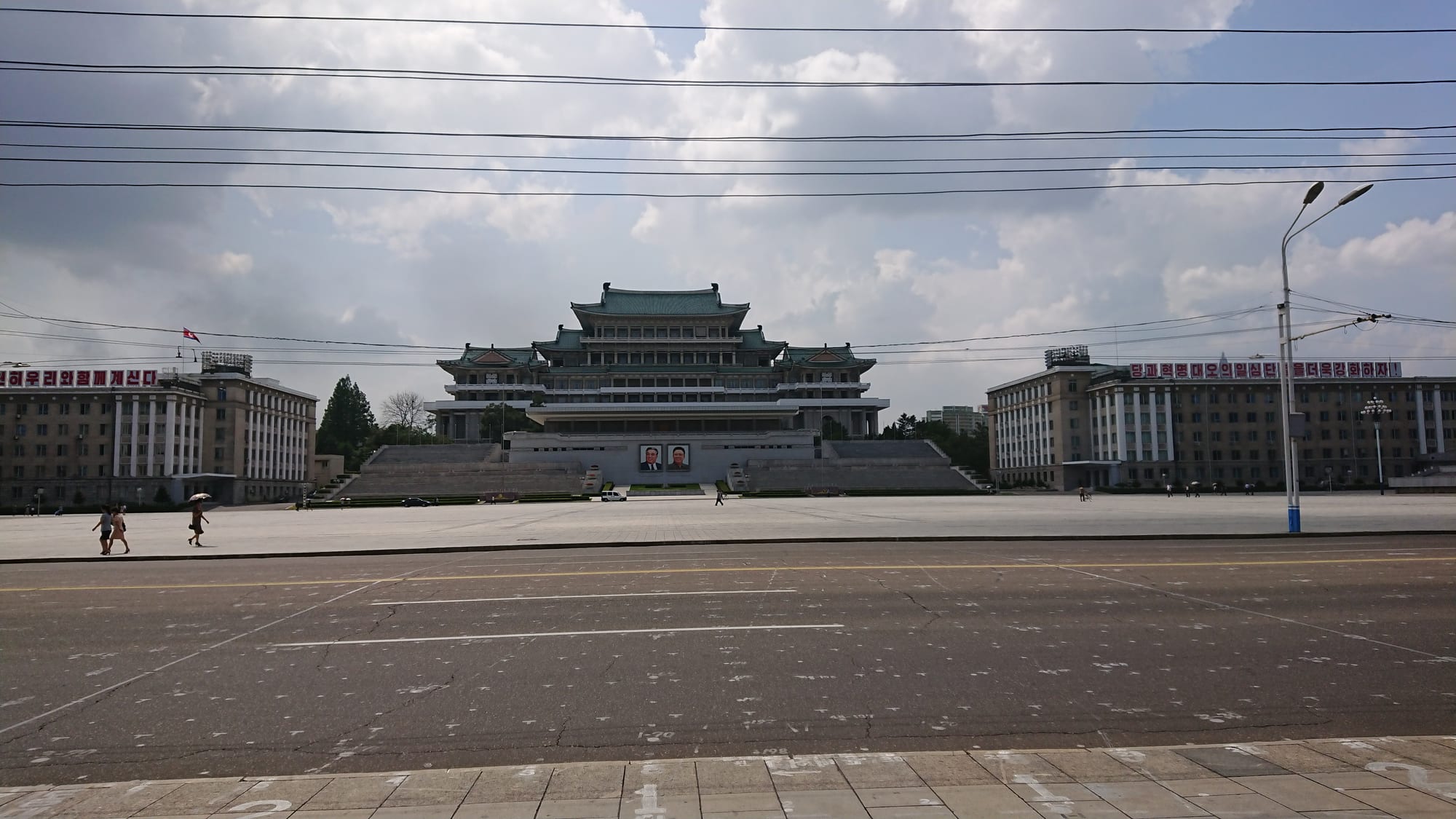
A country visited only on its own terms
North Korea (the Democratic People's Republic of Korea) is one of the most isolated and tightly controlled countries on earth, ruled by the Kim dynasty since its founding in 1948 and organised around the Juche state ideology of self-reliance. Foreign tourism, where it exists at all, happens exclusively through licensed tour operators on fixed, guide-accompanied itineraries — there is no independent travel, and the country has been closed to almost all foreign tourists since 2020, with only limited, selective reopening since.
The six below are the sights shown to the small number of visitors who have been able to travel there on organised tours. Read the note at the end first: this is a destination most governments advise against visiting at all.
1. The Mansudae Grand Monument
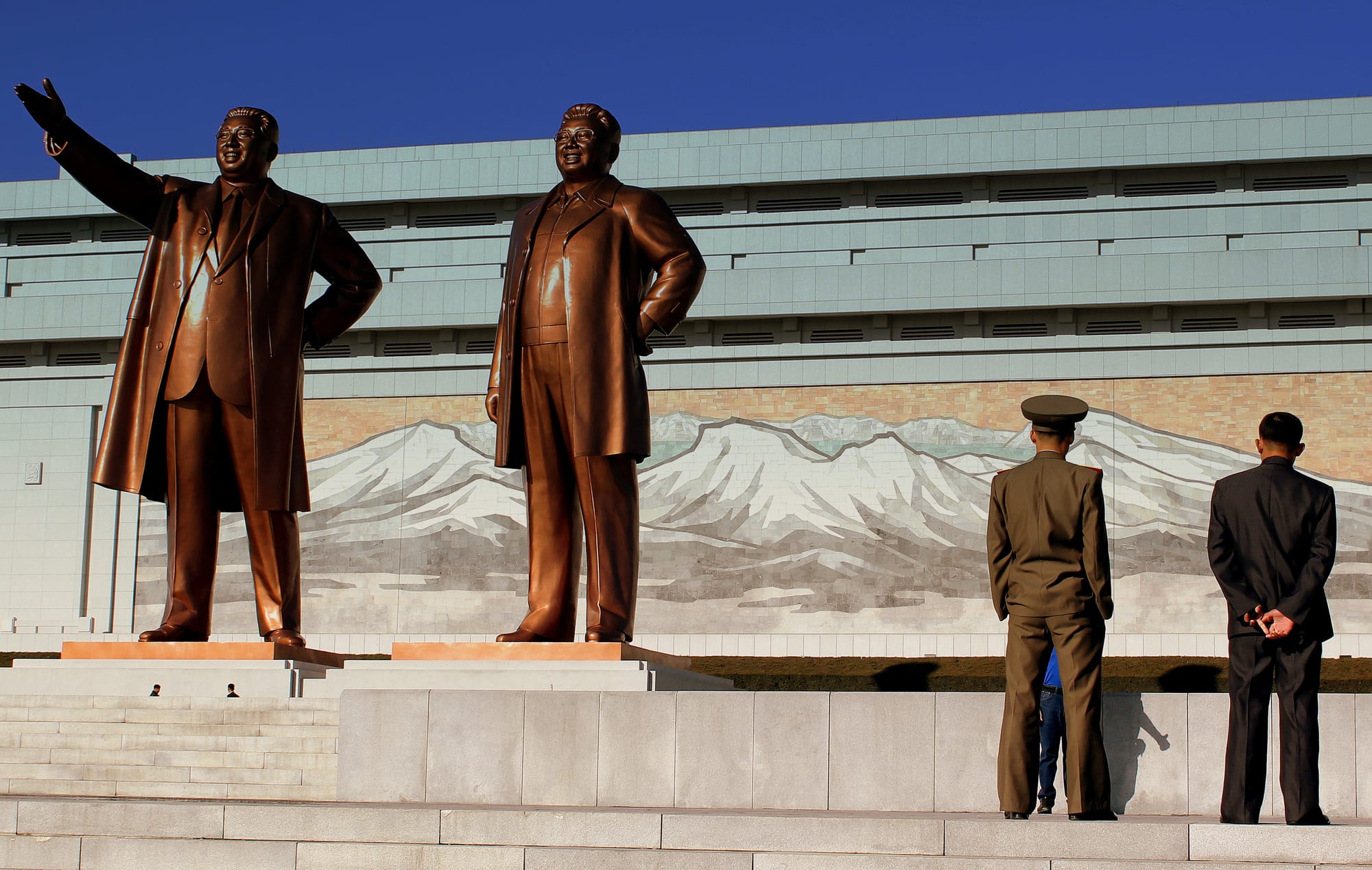
The Mansudae Grand Monument, on a hill in central Pyongyang, holds 20-metre bronze statues of former leaders Kim Il-sung and Kim Jong-il, before which visitors are expected to bow and to which tour groups typically lay flowers as one of the first stops of any itinerary. It is treated as the most solemn and tightly regulated site foreign visitors encounter, with strict rules on dress, photography, and behaviour.
2. The Juche Tower
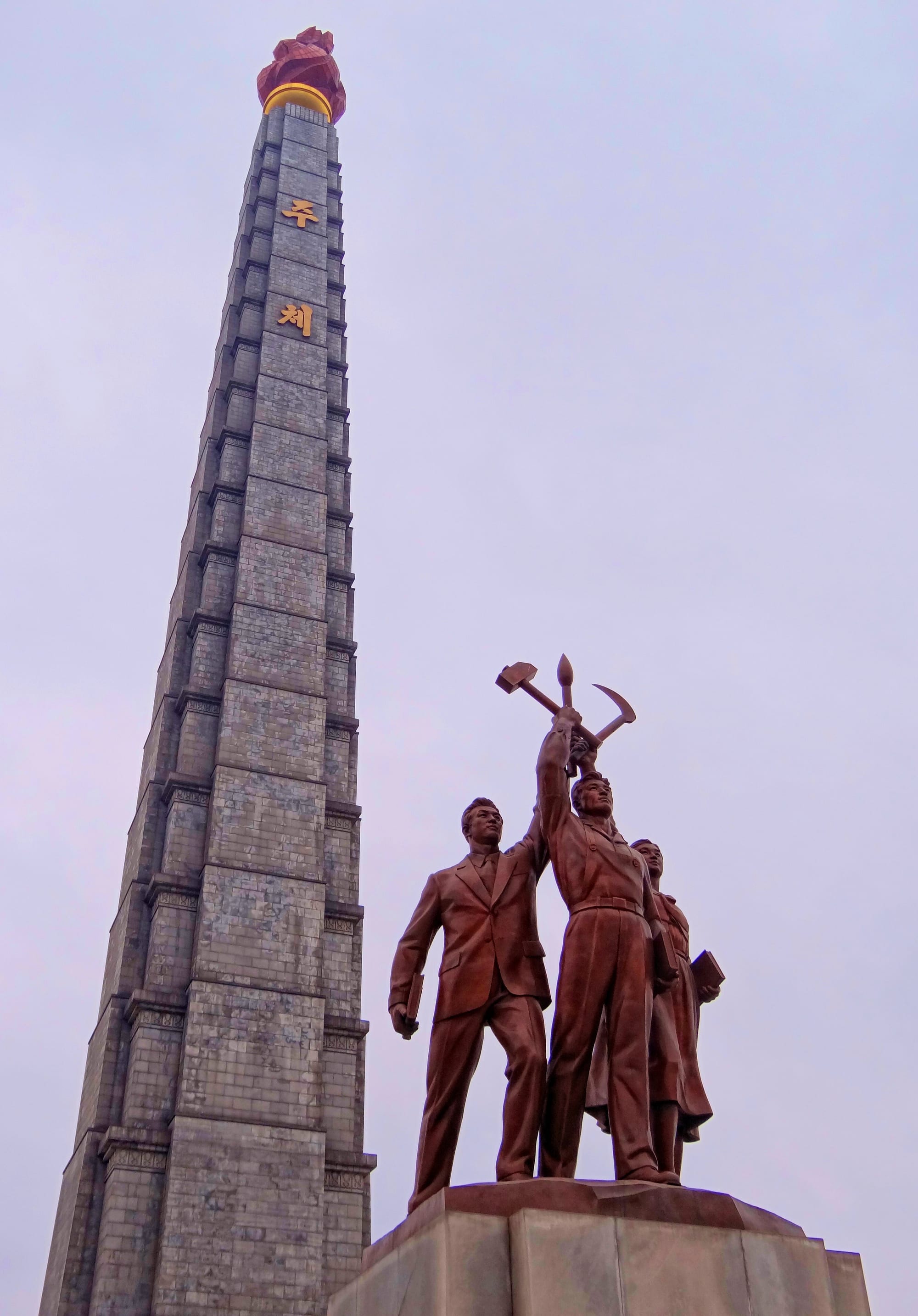
The Juche Tower, across the river from Kim Il-sung Square, is a 170-metre granite obelisk topped by an illuminated red torch, built for Kim Il-sung's 70th birthday in 1982 to symbolise the country's founding ideology. An observation deck near the top (reached by elevator, for a fee) gives one of the only elevated views of Pyongyang available to foreign visitors.
3. The Pyongyang Metro
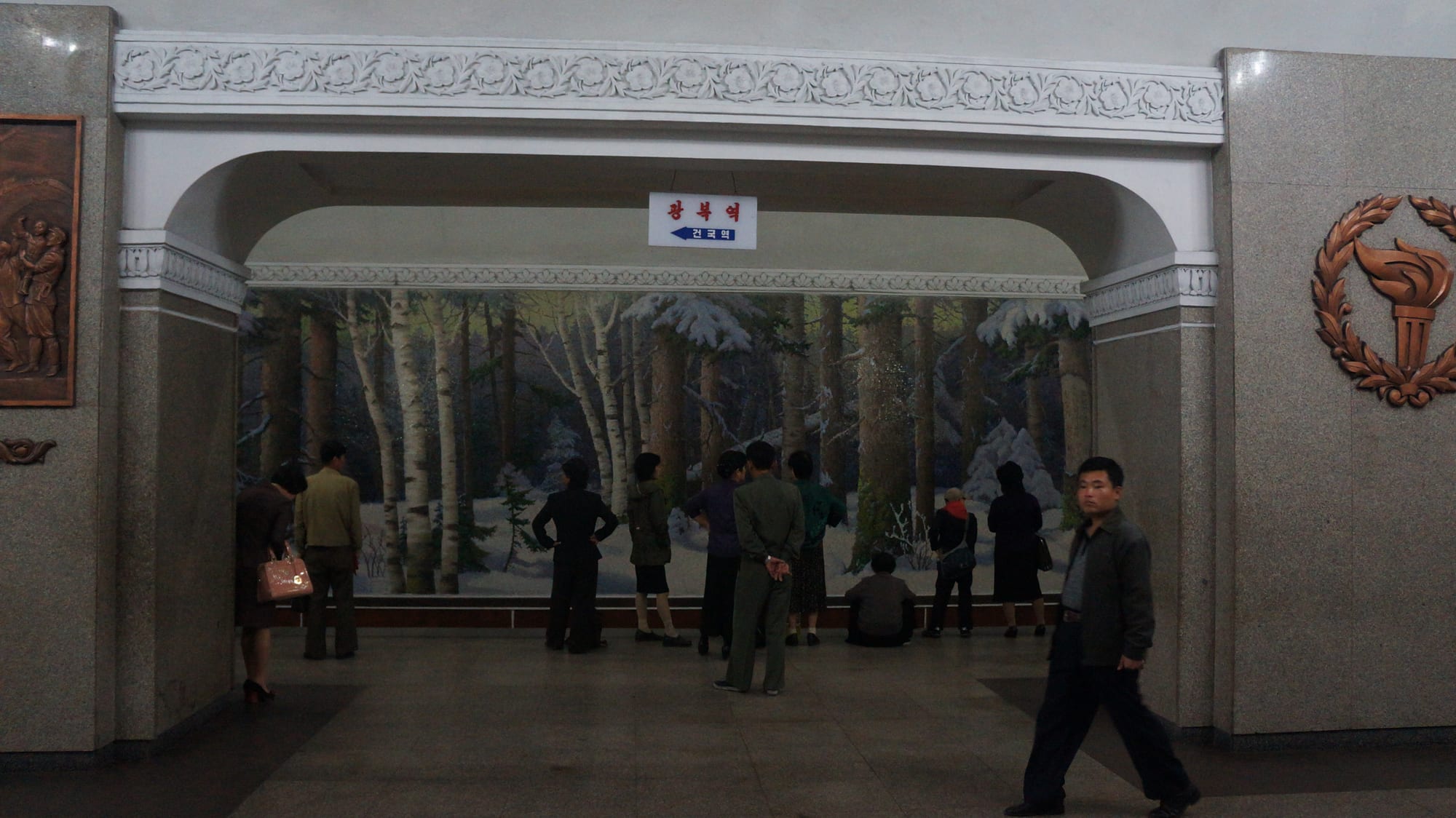
The Pyongyang Metro, among the deepest in the world, was built to double as a massive bomb and fallout shelter, and its stations are correspondingly elaborate — chandeliers, mosaic murals, and marble columns celebrating revolutionary history. Foreign tour groups are typically shown a small number of stations rather than given free access to the network.
4. Mount Kumgang
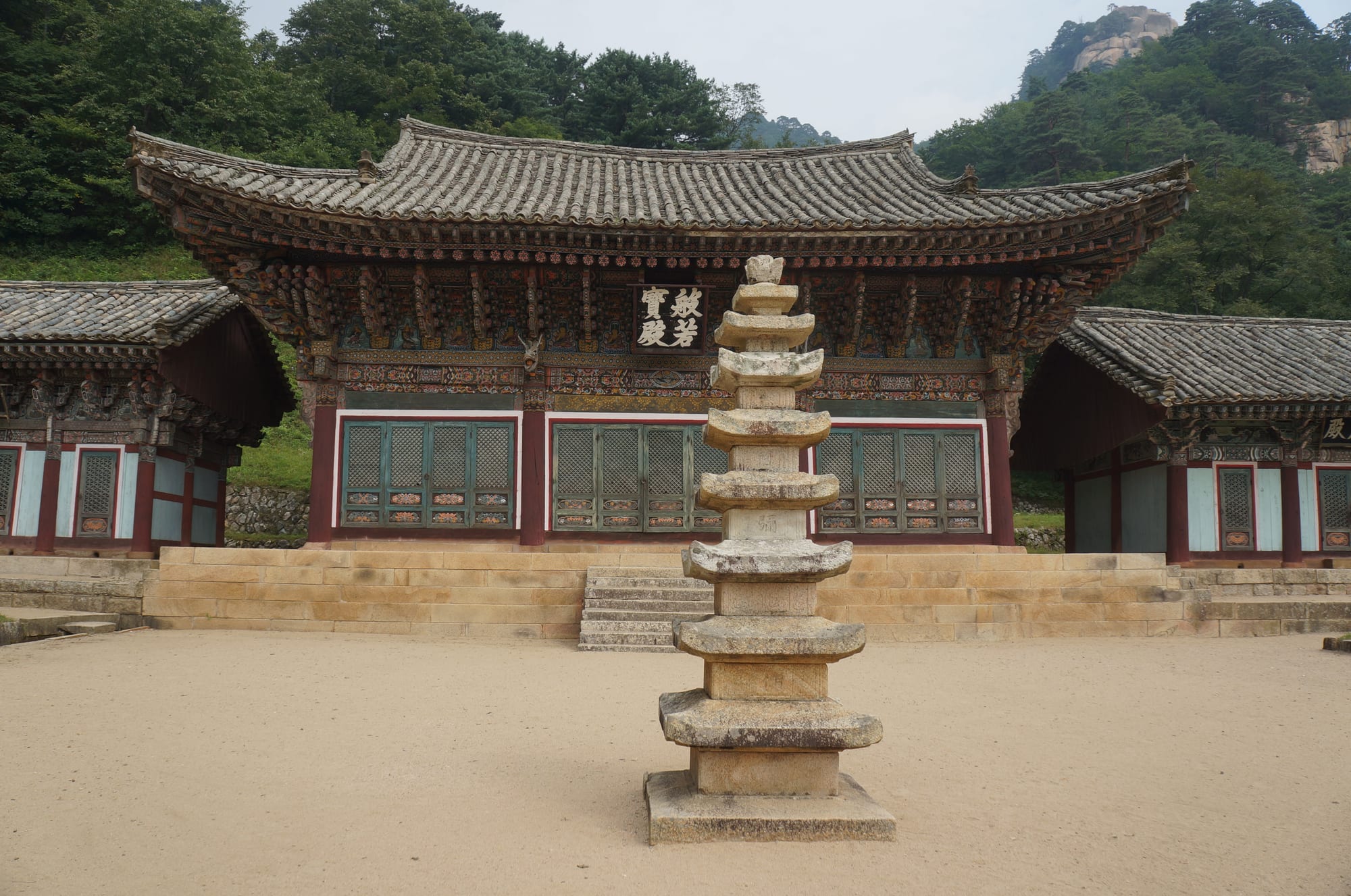
Mount Kumgang ("Diamond Mountain"), on the east coast near the border with South Korea, is renowned in Korean culture and art for its jagged granite peaks, waterfalls, and Buddhist temples, celebrated for centuries in poetry and painting on both sides of the divided peninsula. A South Korean-run tourist resort operated here between 1998 and 2008, offering rare direct North-South tourism, before the programme was suspended after a fatal shooting incident; access since has been limited and irregular.
5. The Arch of Triumph
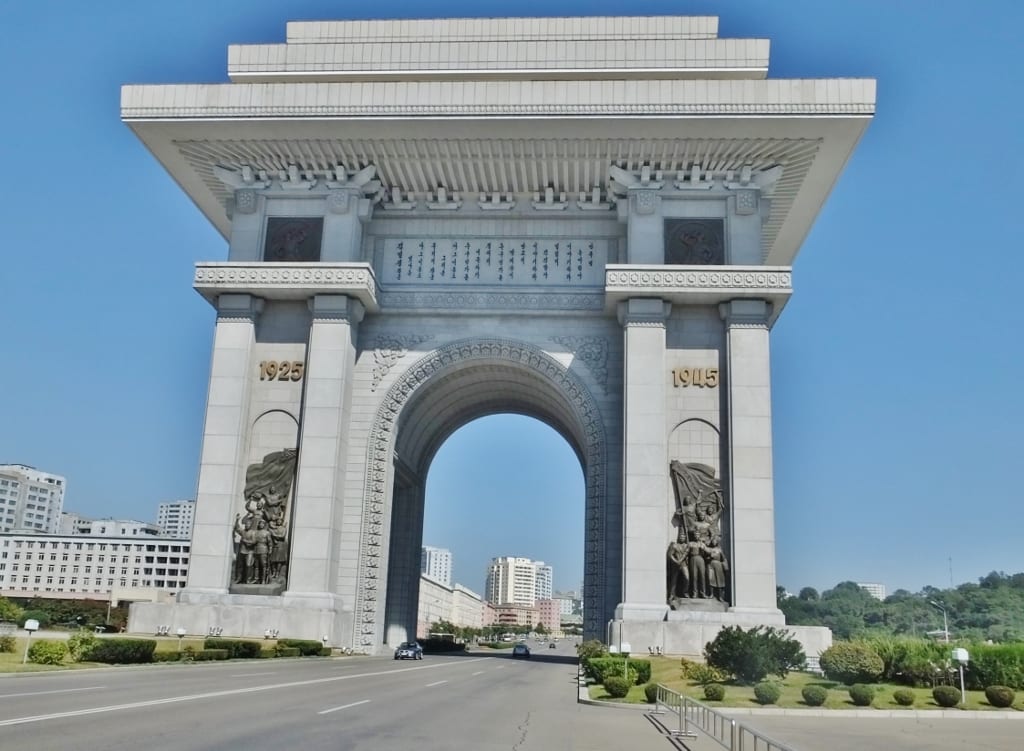
Pyongyang's Arch of Triumph, completed in 1982, commemorates Korean resistance to Japanese colonial rule and Kim Il-sung's role in it, deliberately built several metres taller than the Arc de Triomphe in Paris that partly inspired it. It stands on the route said to have been taken by Kim Il-sung on his triumphant return to the city in 1945, and is a standard stop on the fixed Pyongyang city tour every foreign visitor follows.
6. The Demilitarized Zone at Panmunjom
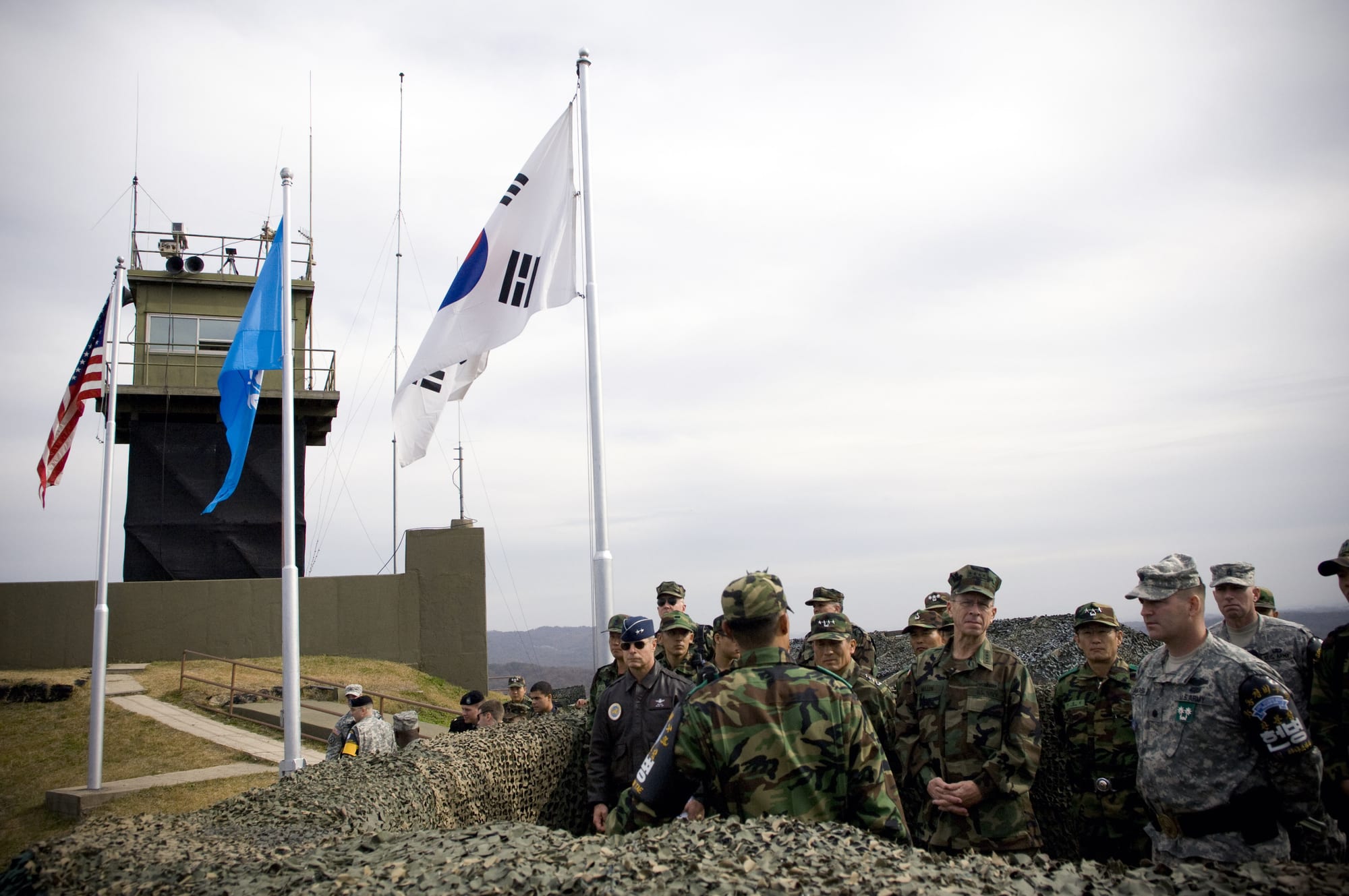
The Demilitarized Zone, a heavily fortified four-kilometre buffer separating North and South Korea since the 1953 armistice, can be visited from the North Korean side (as from the South) at the Joint Security Area in Panmunjom, where soldiers of both countries face each other across the actual demarcation line. It is one of the most tightly controlled and symbolically loaded sites either country offers to visitors, presented very differently depending on which side one approaches from.
Before you go: a serious note
Independent tourism to North Korea does not exist: all foreign visitors travel on fixed, pre-approved itineraries with government-assigned guides who accompany them at all times, and unscripted interaction with ordinary North Koreans is essentially impossible. The country closed entirely to foreign tourism from 2020 amid the COVID-19 pandemic and has reopened only selectively and irregularly since, chiefly to tour groups from a small number of countries; Western passport holders, including US citizens, have long faced separate, tighter restrictions, and the US State Department bars its citizens from travelling on US passports without a special validation. Most Western governments advise against all travel to North Korea, citing the serious risk of arbitrary arrest and detention and the near-total absence of consular protection once inside the country — a risk illustrated by past cases in which detained foreign visitors were not released.
This article describes what licensed tours have historically shown visitors, for reference. Any actual travel decision should rest on current, specific government advice and a clear understanding of these constraints, not on the description here.