History · Niue
Niue: The Rock of Polynesia
One of the world's largest raised coral atolls and one of its smallest self-governing states — a Polynesian society that kept missionaries and traders at bay for decades, then chose free association with New Zealand and a life shaped by emigration
By Worldlore Editorial · 19 September 2026
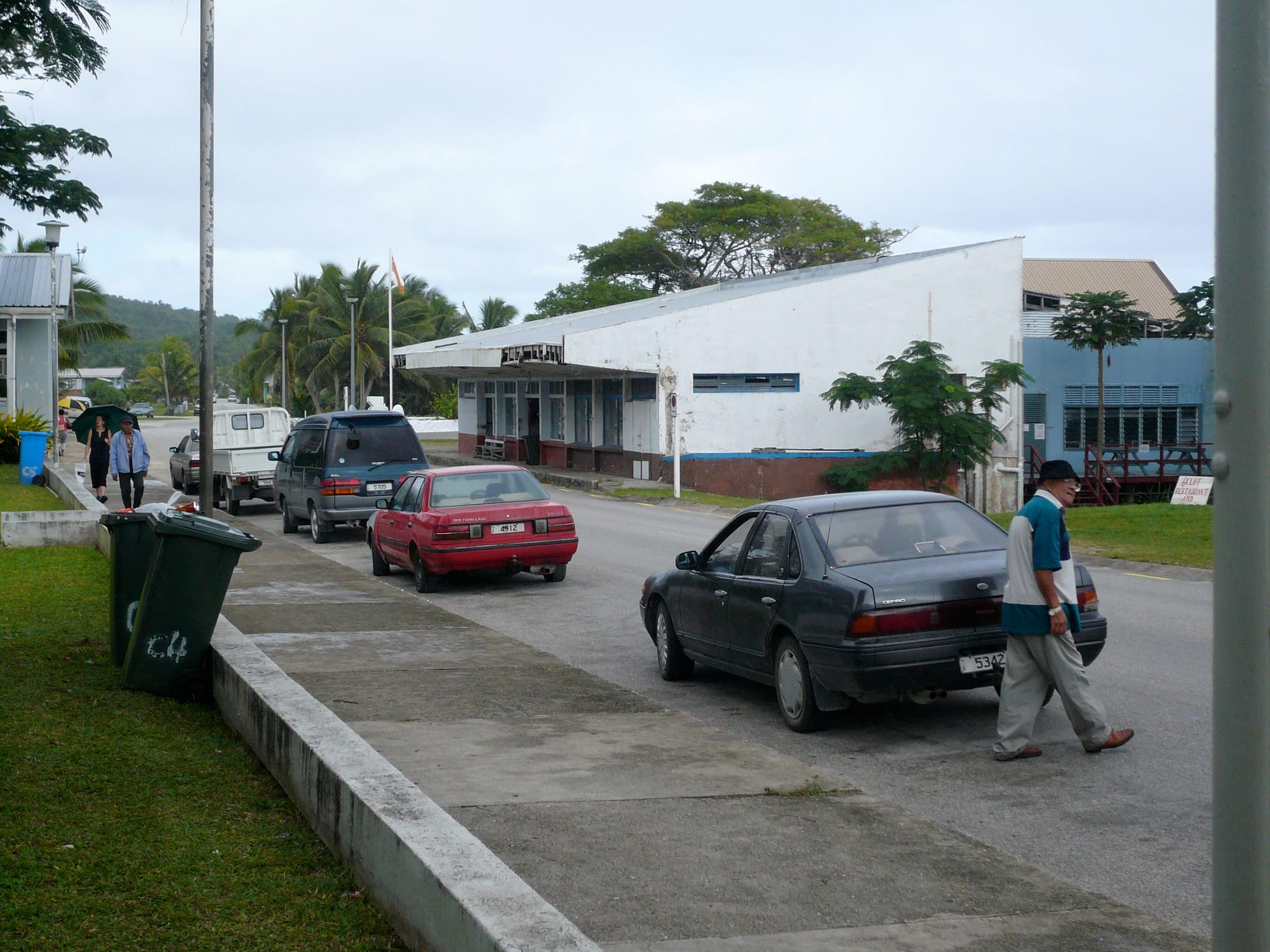
The smallest of the self-governing
Niue — "the Rock" to its people — is a single raised coral island of about 260 square kilometres in the middle of the Polynesian triangle, between Tonga, Samoa and the Cook Islands. Around 1,700 people live there; more than 30,000 people of Niuean descent live in New Zealand. It is one of the world's smallest self-governing entities, a state in free association with New Zealand, and its history since the 19th century has been dominated by two facts: it has almost no natural resources, and its people have been leaving.
A short history
- c. 900 CE onward
Settlement
Voyagers from Samoa and Tonga settle the island.
- 1774
Cook
James Cook is driven off and names it "Savage Island".
- 1830s–1840s
First missionaries
Early attempts land no Europeans; Niueans resist.
- 1861–1870s
Christianity
Niuean and Samoan pastors convert the island.
- 1887
Appeal to Britain
A Niuean king asks Queen Victoria for protection.
- 1900
Protectorate
Britain declares one; the next year it is annexed to New Zealand.
- 1901–1974
New Zealand rule
Administered from Wellington, latterly with a local assembly.
- 1974
Self-government
Niue becomes self-governing in free association with New Zealand.
- from 1970s
The exodus
Migration to New Zealand steadily empties the island.
Keeping the world out
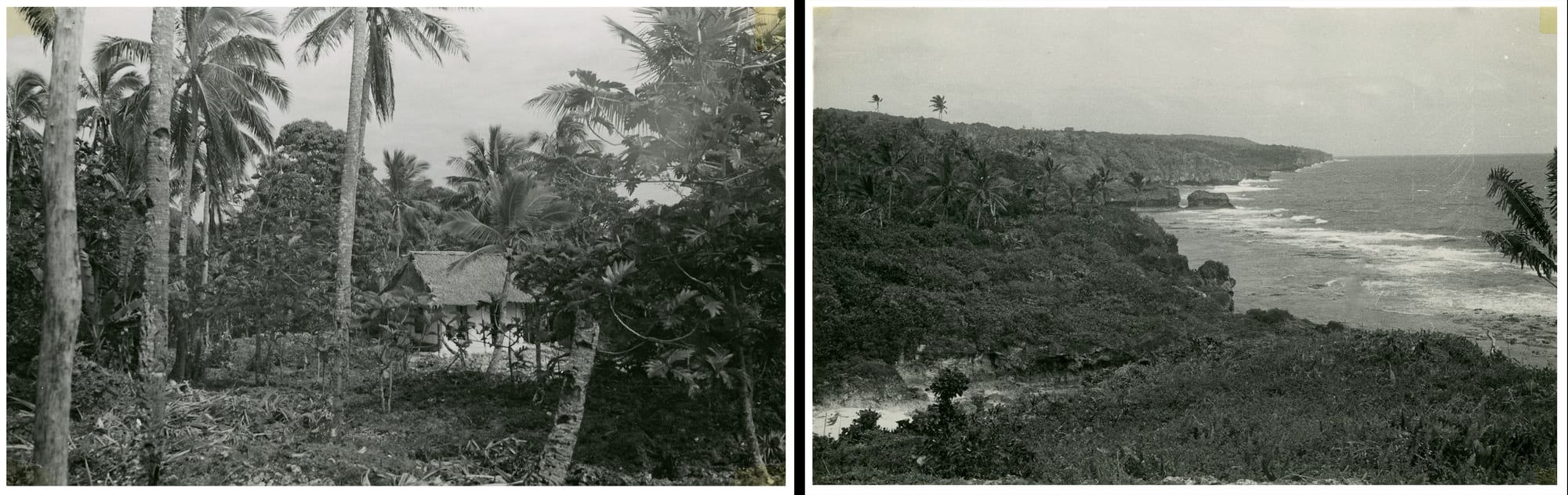
Polynesians settled Niue over a thousand years ago, arriving from Samoa and later Tonga, and developed a society without the hereditary paramount chiefs of its neighbours — leadership was more fluid, and for long periods there was no single king. Niueans had a fierce reputation for repelling outsiders: James Cook, turned away three times in 1774, named it "Savage Island", and early missionaries of the London Missionary Society could not get a foothold for years. Christianity finally took hold from 1861 through Polynesian teachers, and reshaped the island into the church-centred society it remains.
Under New Zealand
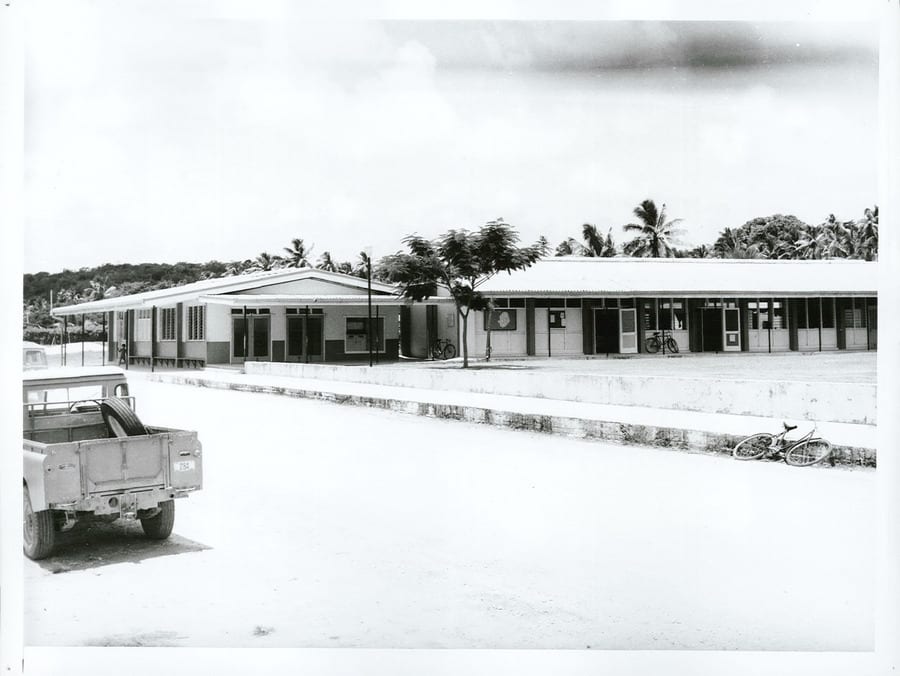
Fearing annexation by another power, the Niuean king Fataaiki appealed to Queen Victoria for protection in 1887. Britain finally declared a protectorate in 1900 and the following year attached Niue to New Zealand, along with the Cook Islands. For most of the 20th century a New Zealand Resident Commissioner governed the island, with a Niuean advisory council that grew gradually into an elected assembly. Development was minimal; the economy ran on subsistence gardening, remittances, copra and the sale of postage stamps.
Self-government and the exodus
In 1974 Niue adopted its own constitution and became self-governing: it runs its own internal affairs and elects a premier and a 20-member assembly, while New Zealand handles defence and foreign affairs by request and provides the bulk of the budget. All Niueans are New Zealand citizens — and they have used that citizenship to leave. The population peaked at about 5,200 in 1966 and has fallen by two-thirds since, accelerated by Cyclone Heta, which devastated the island in 2004. The government now works actively to attract residents back and to develop tourism and fishing.
Niue now
Niue has a few distinctions out of proportion to its size: in 2003 it aimed to become one of the first territories with free nationwide wi-fi, and in 2017 it was recognised for protecting its entire exclusive economic zone. It maintains diplomatic relations with a number of states, including China and the members of the European Union, and takes part in Pacific regional bodies in its own right, even though it is not a UN member. Its central challenge is unchanged: sustaining a functioning country on an island most of its people have chosen not to live on.
What Niue carries
Niue's early history is a rare Pacific case of a small society successfully holding outsiders at arm's length for decades. Its modern history is the opposite problem — a self-governing state, with its own flag and premier, slowly emptying as its citizens exercise their right to live in a larger country. Free association gave Niue the choice of how to be governed; it has not solved the question of by whom.