Attractions & Natural Wonders · Niue
Niue: Five Attractions and Natural Wonders
Known as the Rock of Polynesia — a raised coral island with no rivers or lagoons, its coast riddled with limestone sea caves and chasms of impossibly clear water
By Worldlore Editorial · 9 September 2026
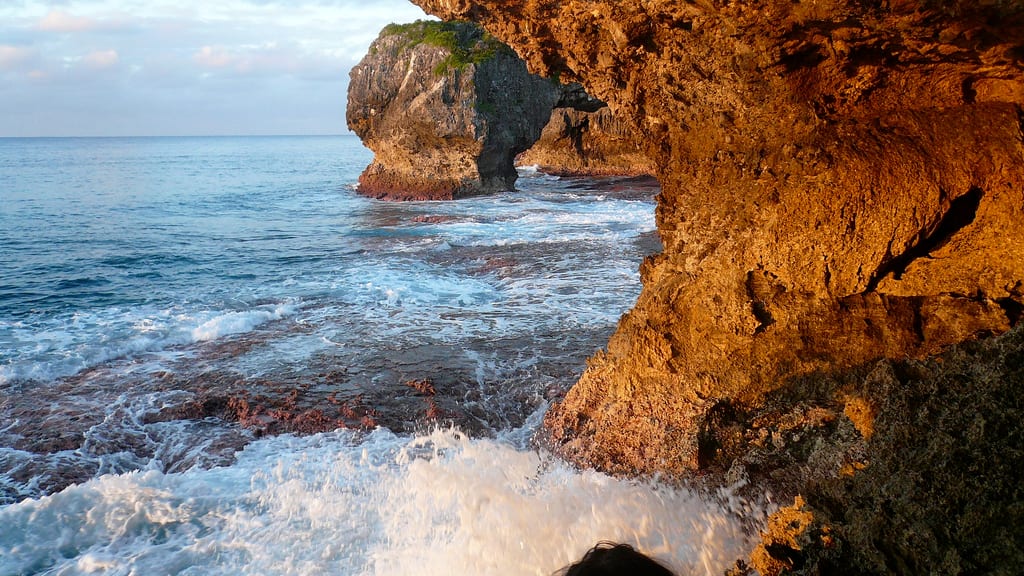
The Rock of Polynesia
Niue is one of the world's largest raised coral atolls — a single block of uplifted limestone rather than a low ring of sand, self-governing in free association with New Zealand, with only around 1,600 people (and a much larger Niuean population living in New Zealand itself). Because it has no rivers, silt, or run-off to cloud the water, the sea around it is exceptionally clear, and its limestone coastline is honeycombed with caves, arches, and chasms rather than sandy beaches. Locals call it simply "the Rock".
The five below are spread around the island's coastal fringe, all reachable by a single ring road. It is warm year-round; the dry season (May to October) also brings humpback whales and sea snakes closer to shore.
1. The Talava Arches
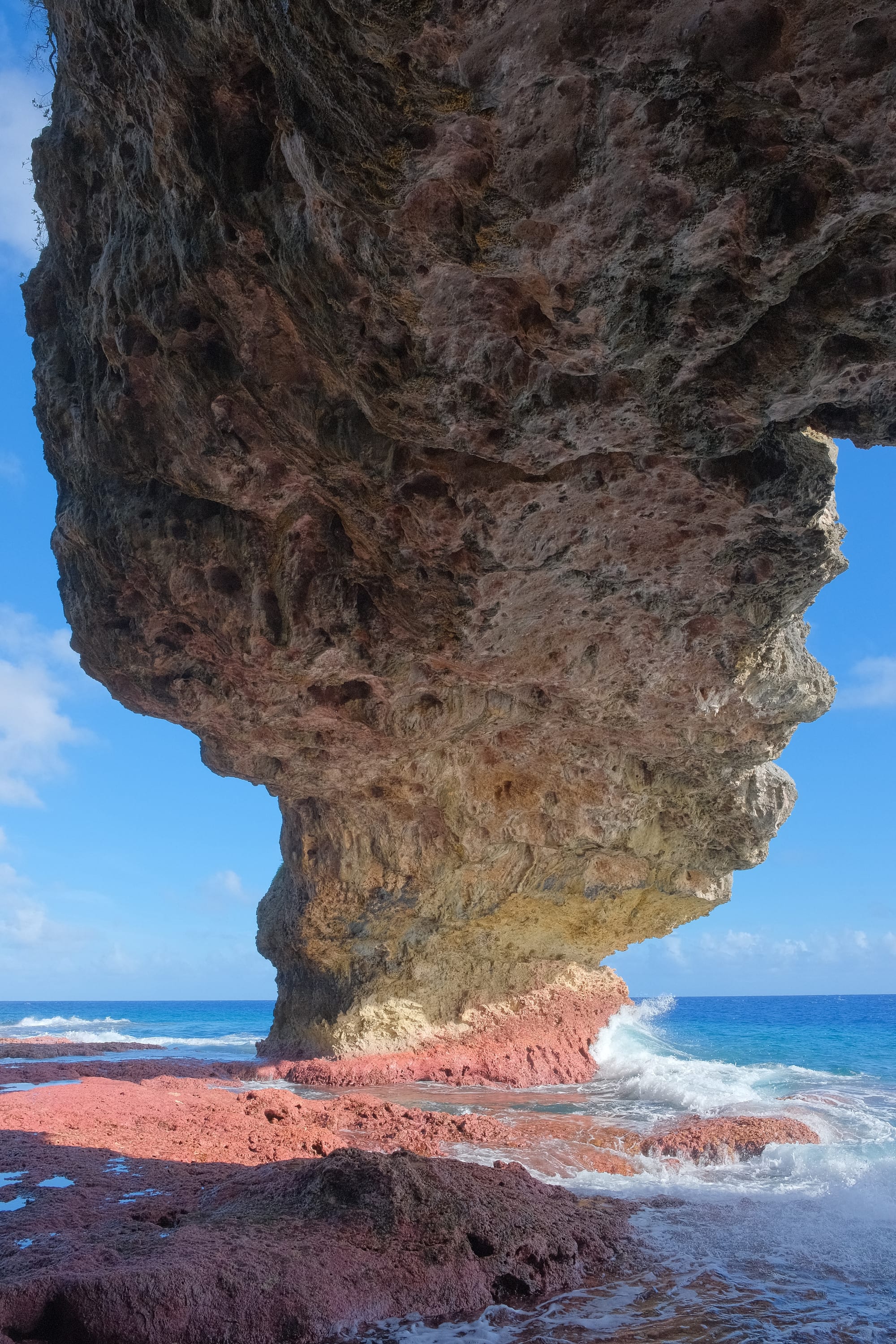
The Talava Arches, at Niue's northern tip, are a set of dramatic limestone arches and sea caves reached by a forest trail and a steep descent down the coastal cliff. Beyond the arches, tide pools and reef flats extend toward the open ocean, with views along one of the wildest, least-developed stretches of the island's coast.
The walk in and out is demanding in the heat; bring water and sturdy shoes.
2. Avaiki Cave
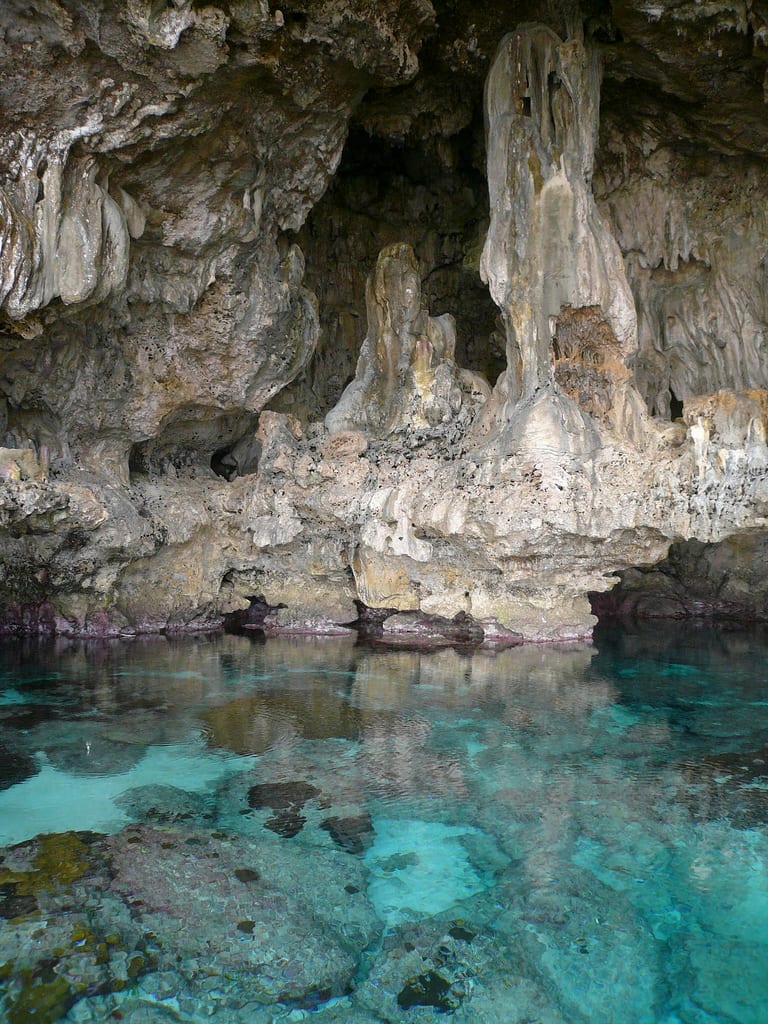
Avaiki, on the west coast near Alofi, is a large coastal cave with a deep, exceptionally clear freshwater-influenced pool, traditionally significant as one of the sites where the first Polynesian settlers are said to have landed on the island. It is a popular swimming spot, entered down a short flight of steps cut into the rock, with the sea visible crashing against the reef just beyond the cave mouth.
It sits close to Alofi, the tiny capital, making it one of the more accessible sites.
3. Matapa Chasm
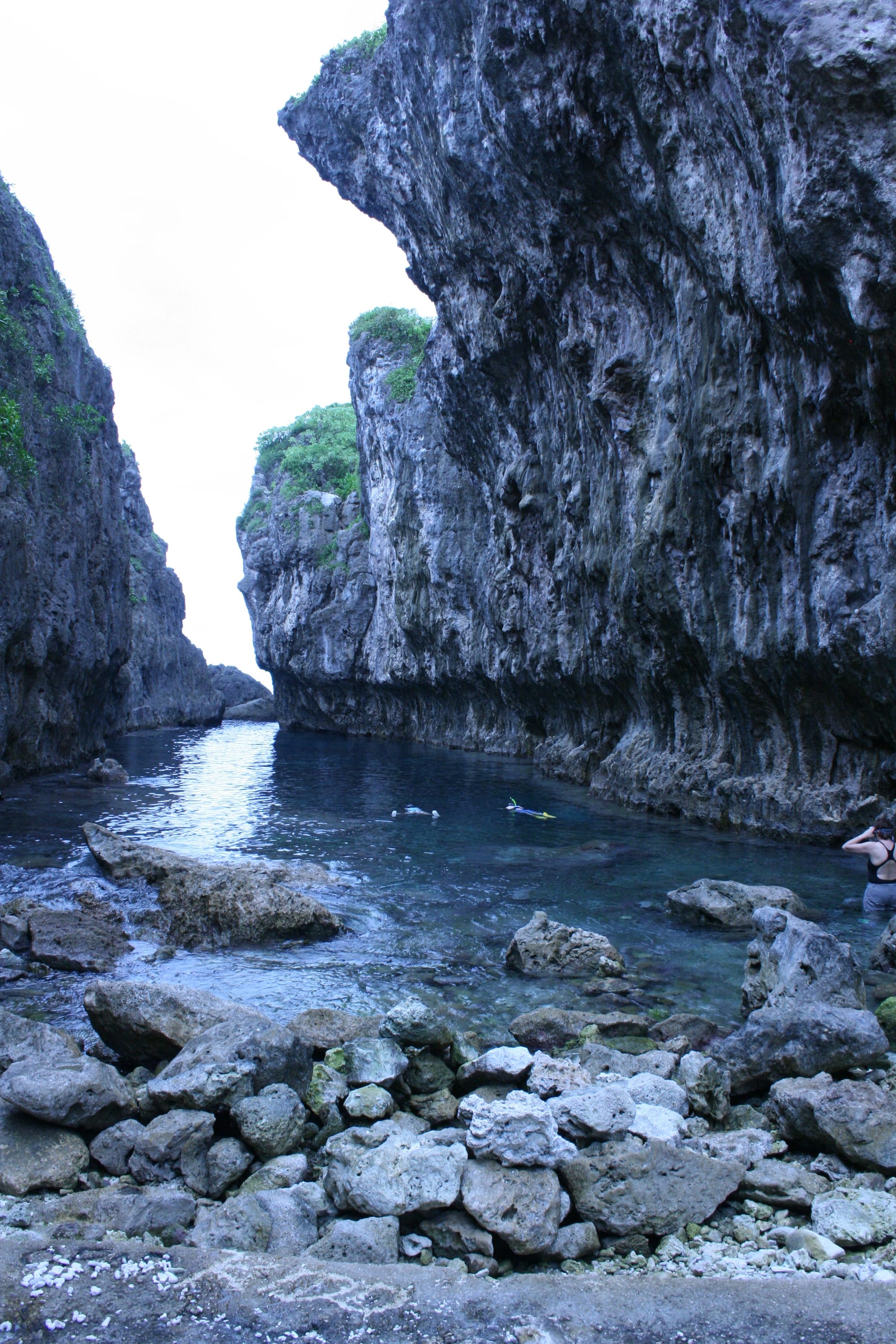
Matapa Chasm, on the northwest coast, is a narrow, sheltered inlet of calm, startlingly clear turquoise water between limestone walls, historically reserved for bathing by Niuean royalty. It is one of the easiest and most family-friendly swimming spots on the island, with steps down to the water and no surf to contend with.
The nearby Talava track and Hikutavake village make it easy to combine with other northern sights.
4. The coastal chasms
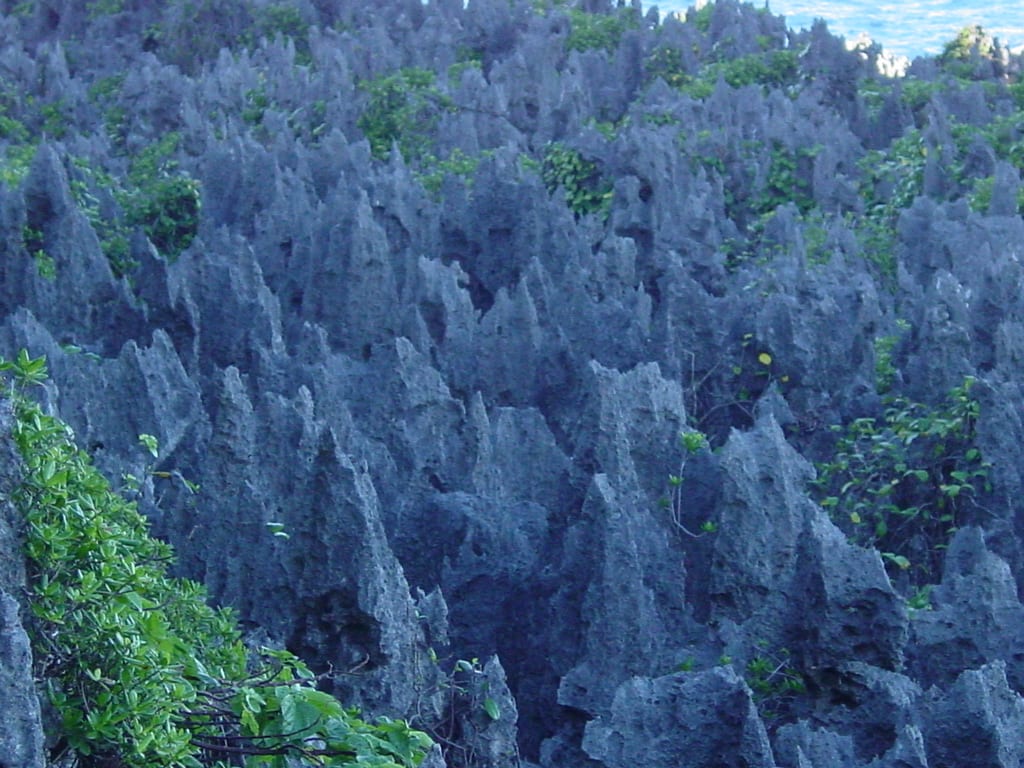
Niue's entire coastline is riddled with similar chasms, sea tracks, and rock pools cut into the uplifted coral limestone — dozens are marked and accessible from the ring road, each with its own character, from wide sheltered pools to narrow slot canyons. Snorkelling in the surrounding sea, among the clearest water in the Pacific, regularly reaches visibility of 60 metres or more.
Exploring several chasms in a day by rental car is one of the classic Niue activities.
5. Village life and whale watching
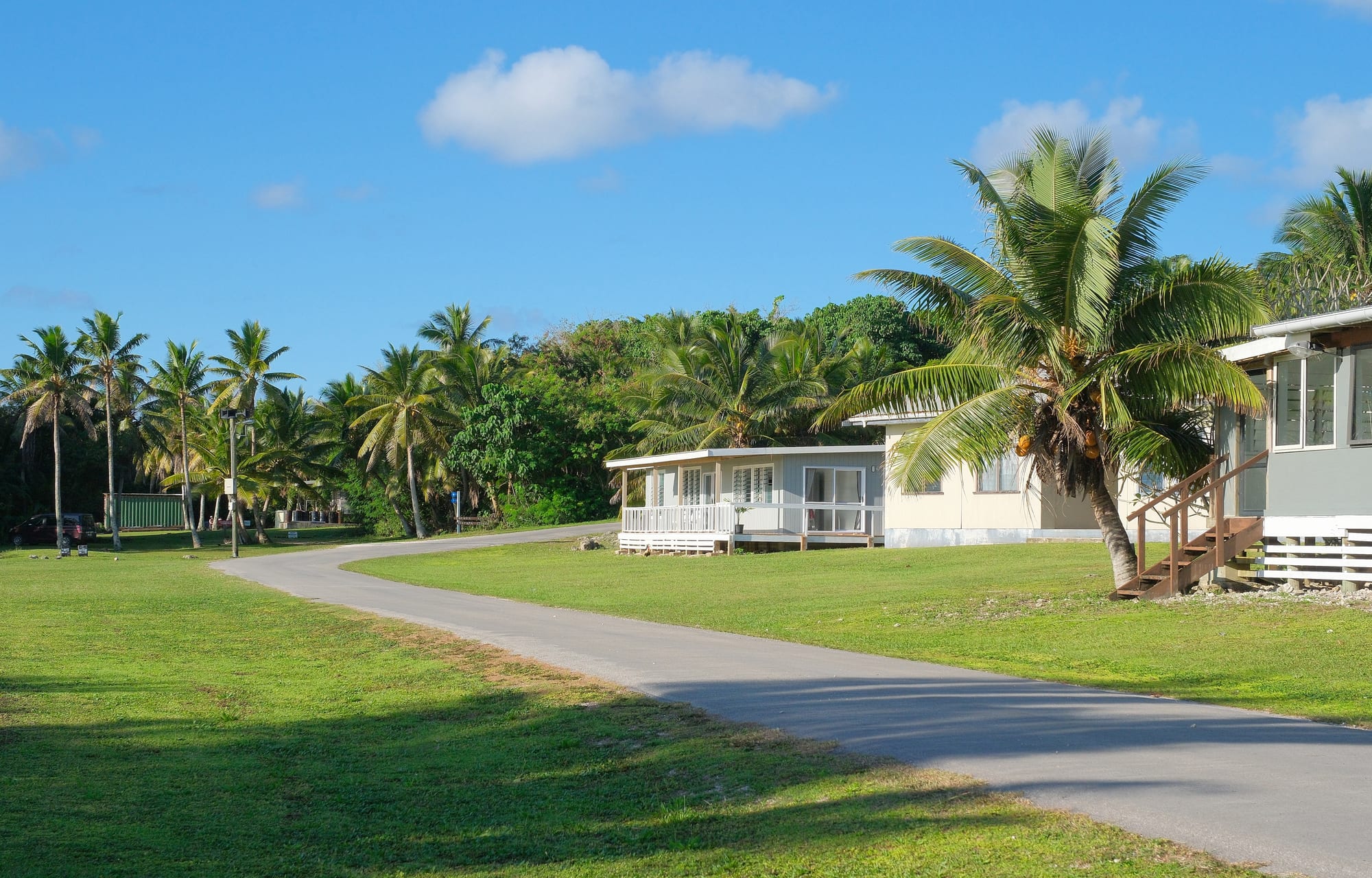
Niue's fourteen small villages ring the coastal road, each with its own church and community hall, and visitors are generally free to explore respectfully. From roughly July to October, humpback whales pass close to shore to calve and mate in the deep, clear water just offshore — among the few places in the world where swimming with humpback whales, under licensed operators, is permitted.
The whole island can be circled by road in a couple of hours, making a multi-stop day easy to plan.
Niue is a small, quiet destination for travellers who want somewhere genuinely uncrowded — a few days is enough to explore the ring road and its chasms, extended to a week or more for whale season and diving.