Daily Life · Niue
Niue: A Four-Day Week for Fourteen Villages
A resident population under two thousand, spread across fourteen villages on customary land that is rarely sold, where the government working week ends on Thursday and Sunday is still kept as a day of near-total rest
By Worldlore Editorial · 30 September 2026
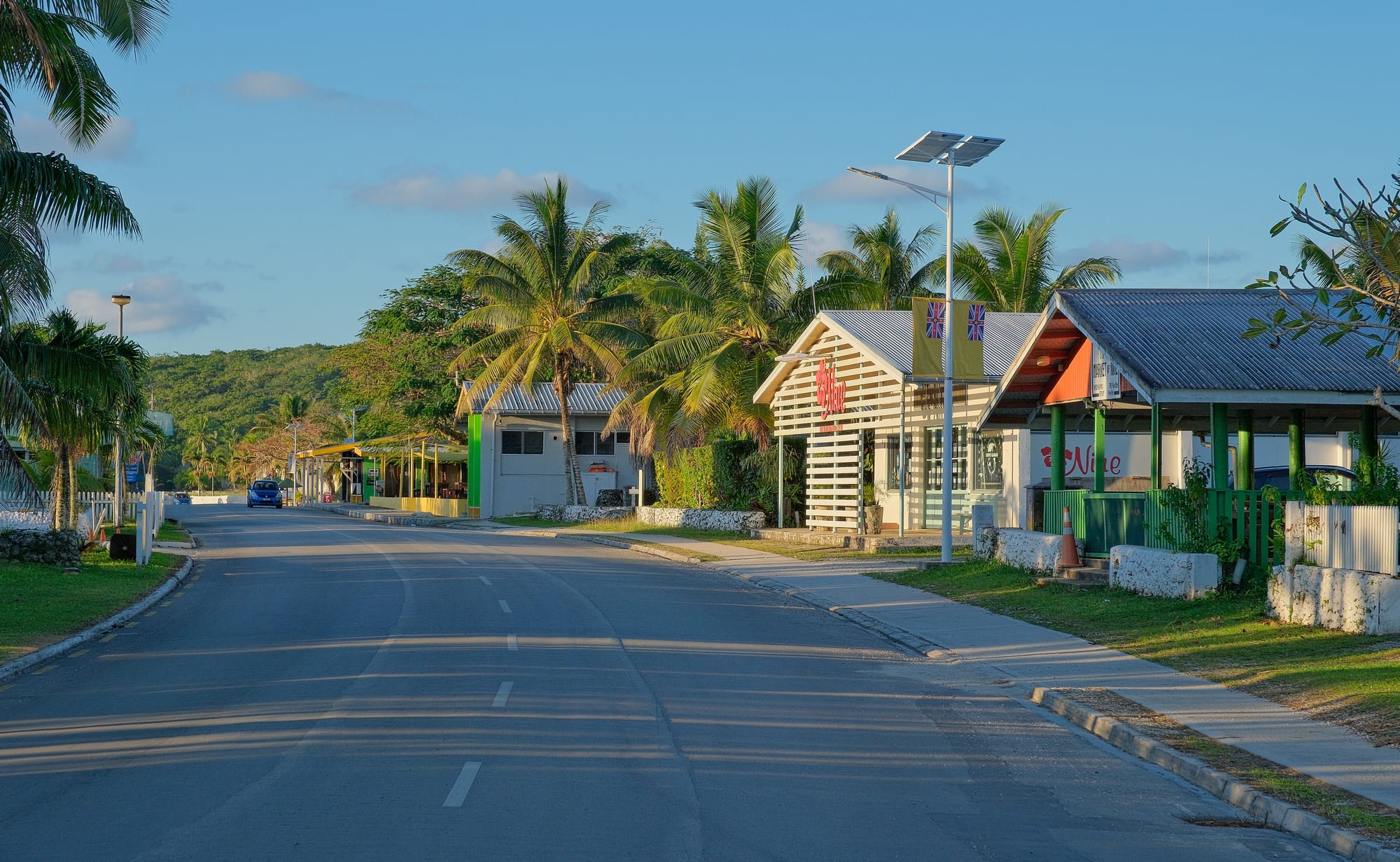
Niue has fewer than two thousand residents, and on any given day a fair share of them are related to one another. The island's fourteen villages ring a single coastal road, and daily life moves at the pace of a place where a car horn is usually a greeting, not a warning. Far more Niueans live in New Zealand than on Niue itself, so an ordinary day here is shaped by absence as much as by anything happening in front of you: houses kept ready for relatives who visit, a phone call to Auckland folded into the evening, and a population the government has spent decades trying, with only partial success, to keep from shrinking further.
Family and home life
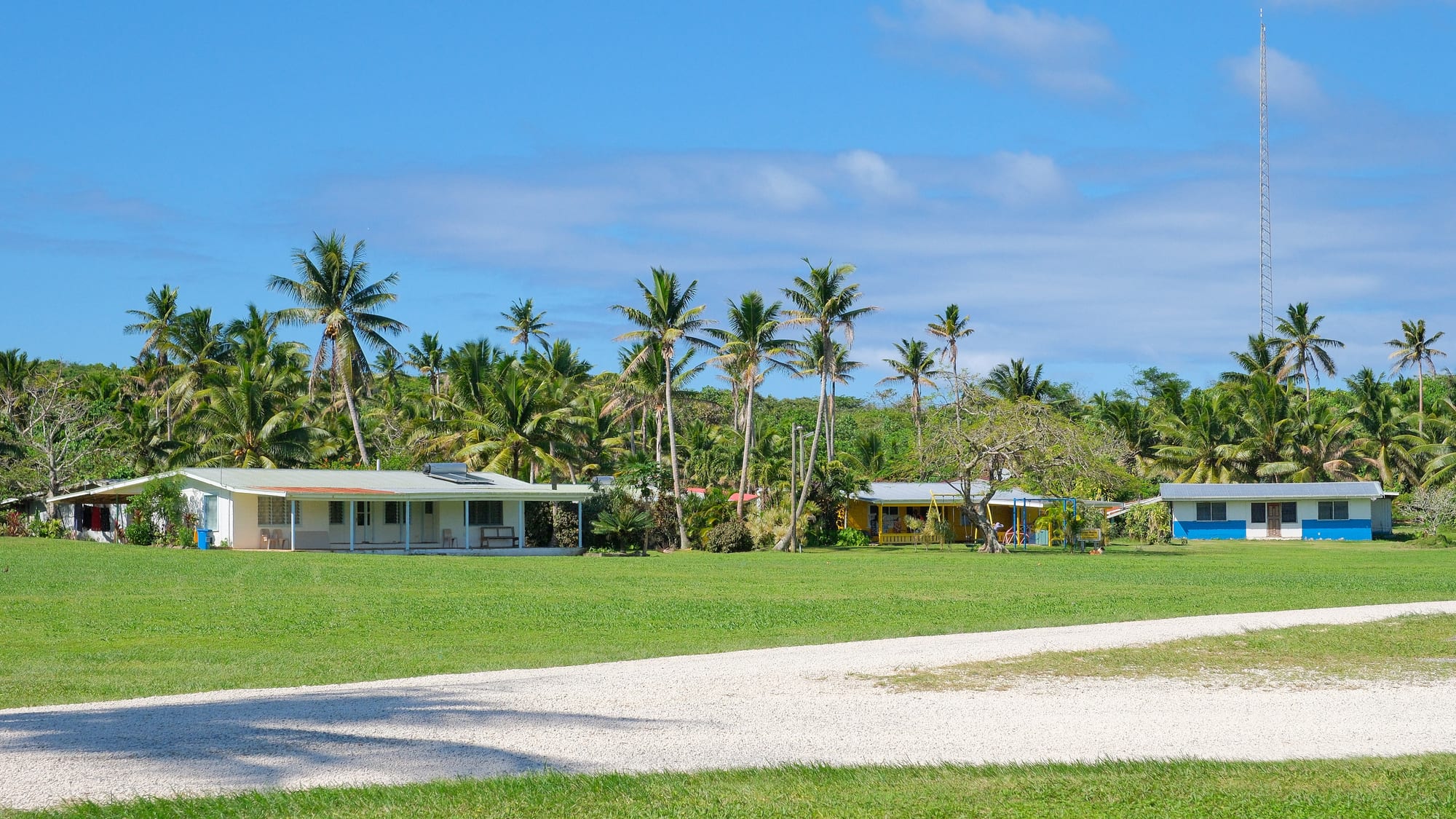
Niuean households are organised around the magafaoa, the extended family, and around land that is rarely bought or sold: nearly all of the island is customary land, held collectively by a family and passed down rather than traded. It is common for grown children to move to New Zealand for work or study while a parent or wider family keeps the house and the land rights alive at home, so a household on Niue and a household in Auckland often function as two ends of the same family rather than separate units. Homes are single-storey and spread out, since land is plentiful and villages are small; the fourteen villages are each treated as distinct communities with their own council and church, even though the whole island could sit inside a single New Zealand suburb.
Work, school and the rhythm of the day
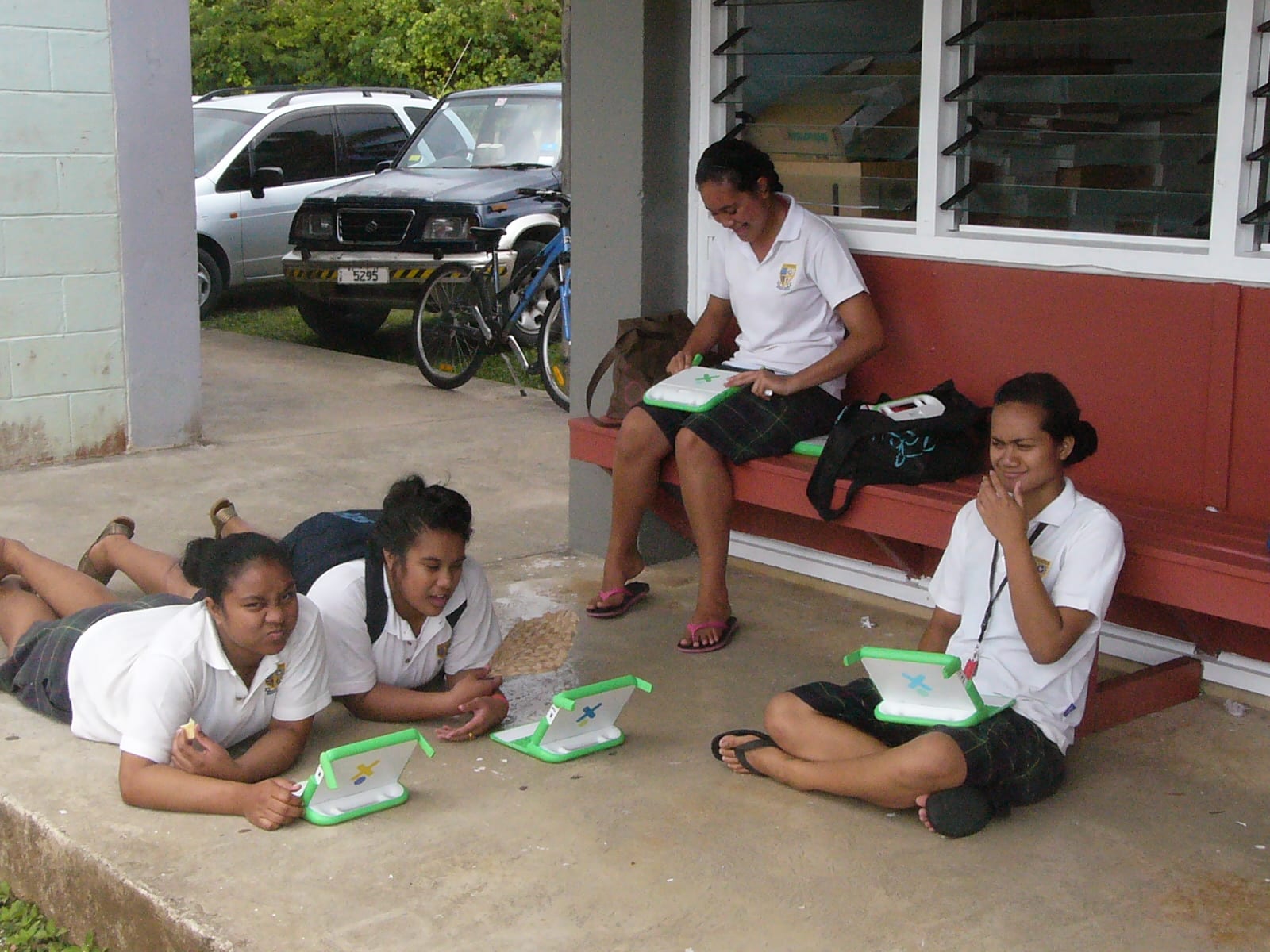
The Niue public service, the island's largest employer, runs a four-day working week: staff work Monday to Thursday and are paid for a full forty hours despite working thirty-two, with Friday kept free, an arrangement introduced to make up for years without pay rises and to give staff more time for family, community and their own plantations or businesses. Private businesses, hospitality and the handful of shops keep closer to a conventional week, though hours everywhere are informal by the standards of a larger economy. Children attend Niue Primary School followed by Niue High School, the island's only secondary school; higher education means leaving for New Zealand, as many young adults eventually do. Government administration, aid-funded projects and a small tourism sector account for most paid work, alongside fishing, small plantations and the informal economy of goods grown or made at home.
Community life and public spaces
Alofi, the capital, holds most of what counts as public infrastructure: the one bank, the hospital, the small commercial strip along the main street, and the wharf where supply ships call. Beyond Alofi, each of the fourteen villages has its own church and meeting hall, and these double as the real gathering points for everyday life rather than any single national square. The market in Alofi, busiest on Friday mornings, is where growers, fishers and home cooks sell produce, baked goods and handicrafts; for a population this size, it functions as much as a social occasion as a place to shop. There is no public transport and no traffic light on the island, so the ring road itself, with its slow, everybody-waves traffic, is one of the few places residents of different villages reliably cross paths.
Free time and weekends
Sunday is kept as a sacred day of rest observed across the island: most shops and businesses close, fishing and swimming are in principle avoided, and the day centres on church services followed by a family meal, with loud activity generally avoided out of respect for the day. Evenings after work and the rest of the weekend are given over to family visits, gardening and fishing for the table, and preparing for village and church events, which anchor much of the island's social calendar. Village "show days," concentrated around Constitution Day in October, put crops, weaving and cooking on public display in friendly competition between the fourteen villages, and are among the few occasions that draw the whole island, plus visiting relatives from New Zealand, to one place at once.
A visitor's ordinary day
Niue runs largely on cash: card acceptance is limited outside the main resort and a handful of businesses, the one ATM in Alofi is not always reliable, and visitors are advised to bring enough New Zealand dollars for the length of their stay. There is no public transport, so getting anywhere beyond walking distance means a hire car, arranged in advance since the fleet is small. Shops keep modest hours and close early relative to a city, and almost everything shuts on Sunday, including the supermarket and most eateries, so self-caterers plan their shopping around the supermarket's opening hours and the Friday-morning market. The twice-weekly Air New Zealand flight from Auckland effectively sets the rhythm of any visit, bringing residents, mail and fresh supplies all at once.
What to take away
An ordinary day on Niue is shaped less by a clock than by how few people there are to share the island with, and by a family system, stretching all the way to New Zealand, built to keep a shrinking population connected rather than let the distance divide it.