Food · Niger
Niger: Food and the National Dish
A firm millet paste eaten with sauce, the everyday staple of a Sahel nation where the grain itself is pounded, sold and drunk in nearly every form
By Worldlore Editorial · 16 September 2026
A Sahel nation built on millet
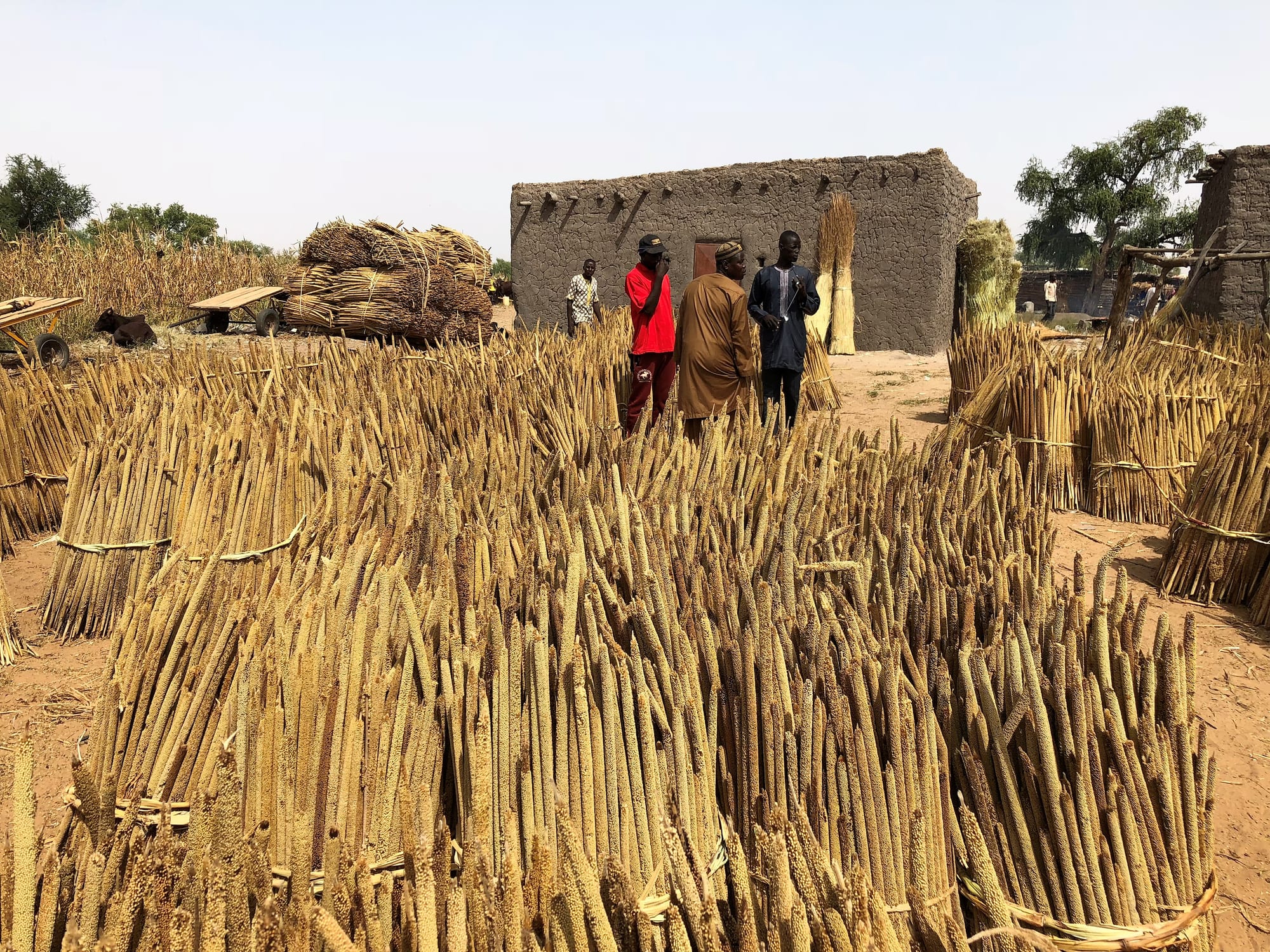
Niger's harsh, largely arid Sahel climate shapes a food culture built overwhelmingly around millet, one of the few grains reliably grown across much of the country. Boule, a firm millet paste eaten with a sauce, forms the everyday staple meal for most Nigeriens, closely paralleling the millet-and-sauce tradition found across neighbouring Mali, Burkina Faso and Chad.
The everyday staple: millet paste with sauce
Boule (also called tô in parts of the region), millet pounded, cooked and worked into a firm, smooth paste, is eaten by hand or with a spoon, dipped into an accompanying sauce made from okra, leafy greens, peanuts or meat depending on what's available. No single dish has a confidently documented claim as an official national dish beyond this basic combination, which remains genuine daily food across most of Niger regardless of ethnic group.
Millet in every form
Millet appears throughout Niger's food culture well beyond the paste itself, ground into flour, fermented into drinks, or formed into small balls and mixed with milk for dishes like fourra and donou, popular refreshing preparations especially welcome in Niger's heat. Rice, beans and a wide range of Sahel vegetables and okra round out the rest of the everyday pantry.
History behind the staple
Millet cultivation in Niger predates any written record of the region, shaped by a climate too dry and unpredictable for most other staple grains to reliably survive. Niger's Zarma, Hausa and Tuareg communities each carry their own regional food traditions, but the underlying reliance on millet, given the demands of the Sahel climate, unites nearly all of them.
Dishes to know
Five more to recognise across Niger:
- Fourra — pounded millet formed into small balls and mixed with
curdled milk, a traditional Sahel refreshment.
- Donou — a similar millet-based drink or dessert, mixed with milk and
sometimes ice.
- Riz gras — a rich, tomato-based rice dish cooked with meat, shared
across the wider West African region.
- Kilishi — thin, spiced strips of dried meat, a popular Nigerien and
Sahel snack.
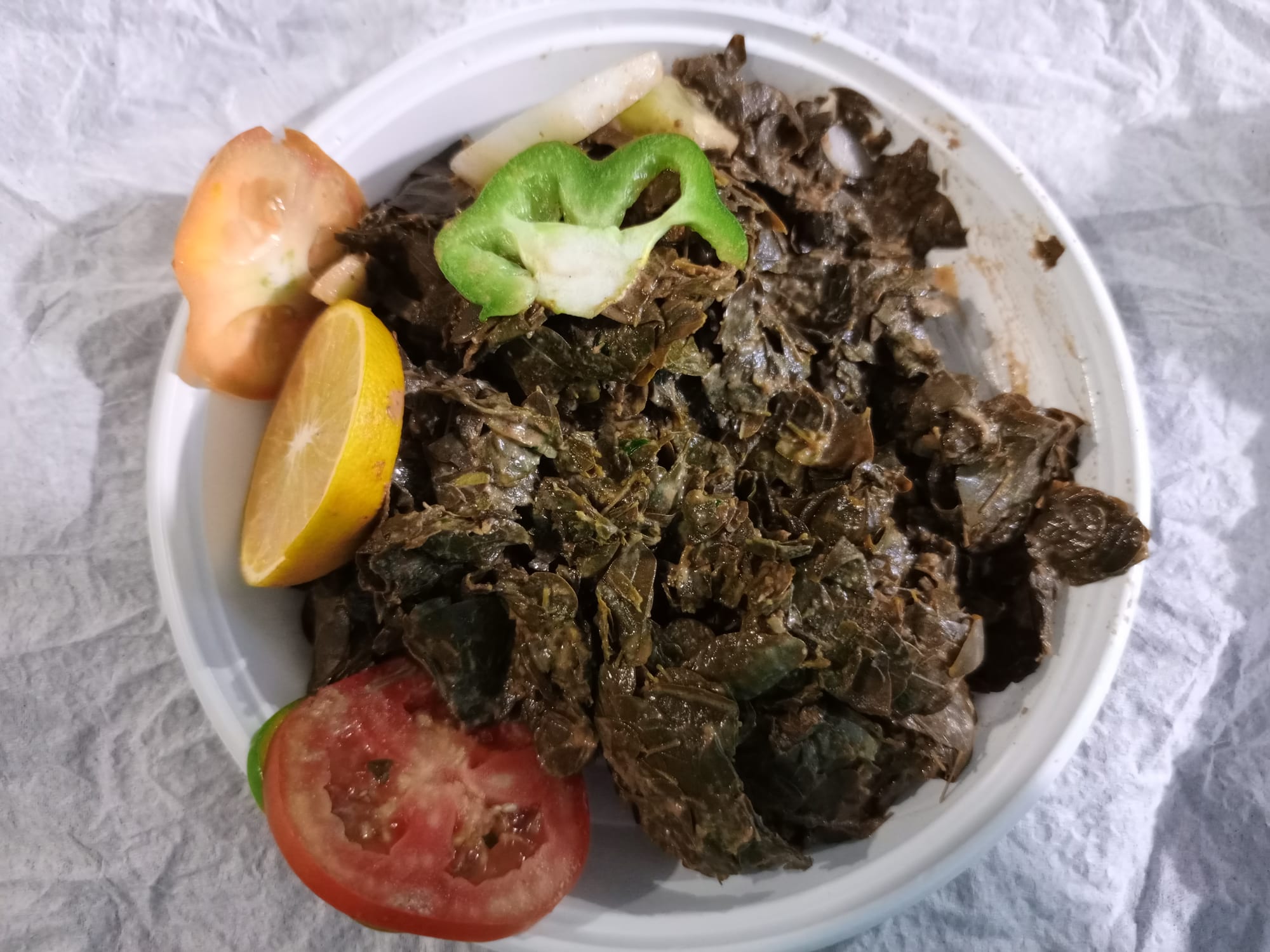
- Moringa leaf sauce — a nutrient-dense leafy green sauce, served over
millet paste or rice.
Drinks
Fourra and donou, millet-based drinks mixed with milk, are among Niger's most distinctive everyday refreshments. Tea, brewed strong and shared across several rounds in a tradition common throughout the Sahel, is a genuine daily social ritual, and hibiscus-based drinks are also widely enjoyed.
Eating as a traveller
Vegetarians will find millet paste with vegetable or peanut sauce manageable, though meat appears in many traditional sauces when available. Tap water is not reliably safe outside major hotels; stick to bottled or boiled water. Visiting Niamey's Grand Marché is a genuine way to see millet sold in every form Nigeriens actually use it, from raw grain to prepared drinks.
What to take from the table
Millet, pounded into paste, worked into drinks or simply ground into flour, is the ingredient that most directly explains Nigerien food — a single crop asked to do an extraordinary amount of work in one of the world's most demanding climates.