Attractions & Natural Wonders · Niger
Niger: Six Attractions and Natural Wonders
A Saharan caravan city famed for the finest mud architecture in Africa, mountains rising sheer from the desert, and one of West Africa's last strongholds of the elephant — a portrait of a country currently closed to nearly all travel
By Worldlore Editorial · 9 September 2026
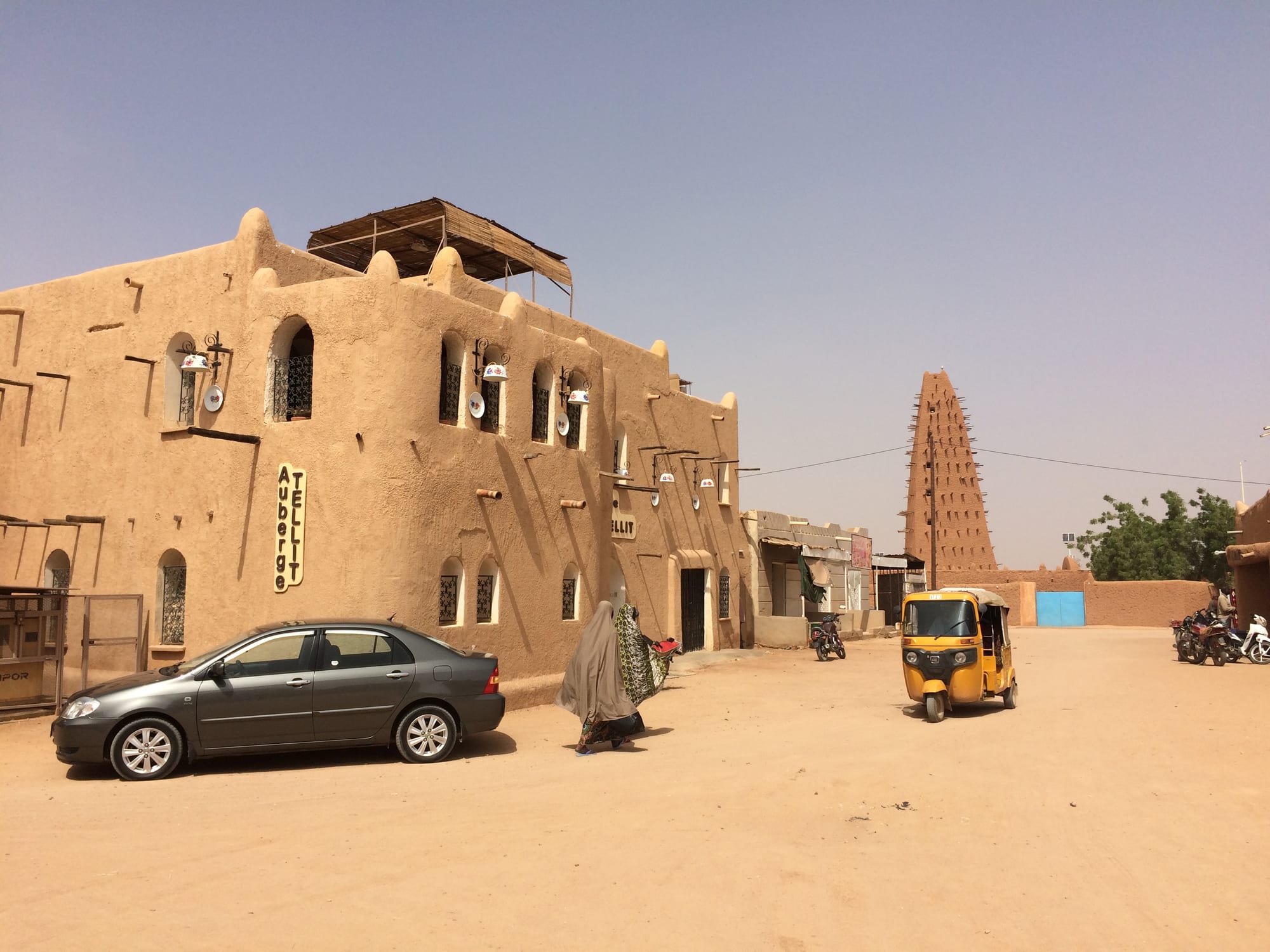
A Saharan crossroads, currently closed
Niger, a vast landlocked country stretching deep into the Sahara, was for centuries a crossing point for trans-Saharan caravans carrying salt, gold, and slaves between West Africa and North Africa and the Mediterranean. It has about 27 million people, one of the youngest populations in the world, and a landscape running from the Sahel in the south to the true desert and the dramatic Aïr Mountains in the north. Since a July 2023 military coup, and amid a long-running Sahel-wide jihadist insurgency, it has become one of the most difficult countries in West Africa to visit.
The six below are Niger's landmark sights, described for reference. Read the note at the end first: most governments currently advise against all travel to Niger.
1. Niamey
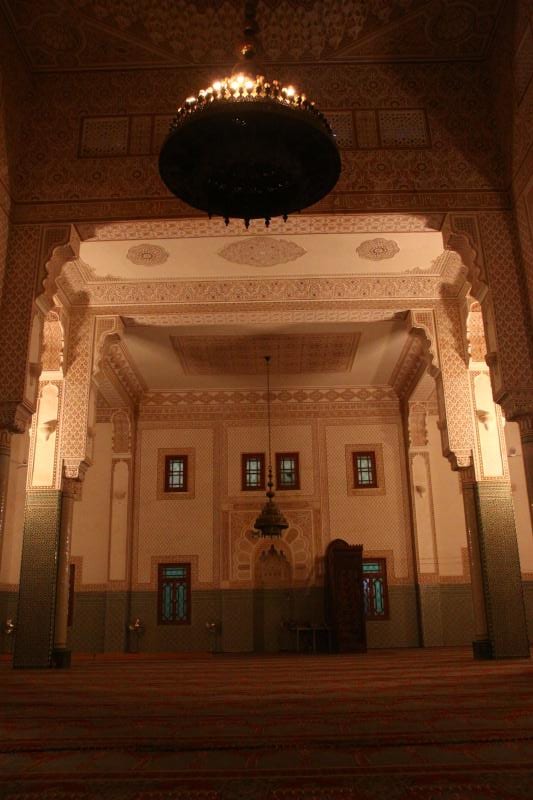
Niamey, the capital, sits on the banks of the Niger River — a relatively young city by regional standards, built up mainly through the 20th century, with a national museum covering the country's archaeology and traditional crafts, a lively Grand Marché, and the Saudi-funded Grande Mosquée as its most prominent landmark. It remains far calmer than much of the rest of the country, though still subject to the national security situation.
2. Agadez
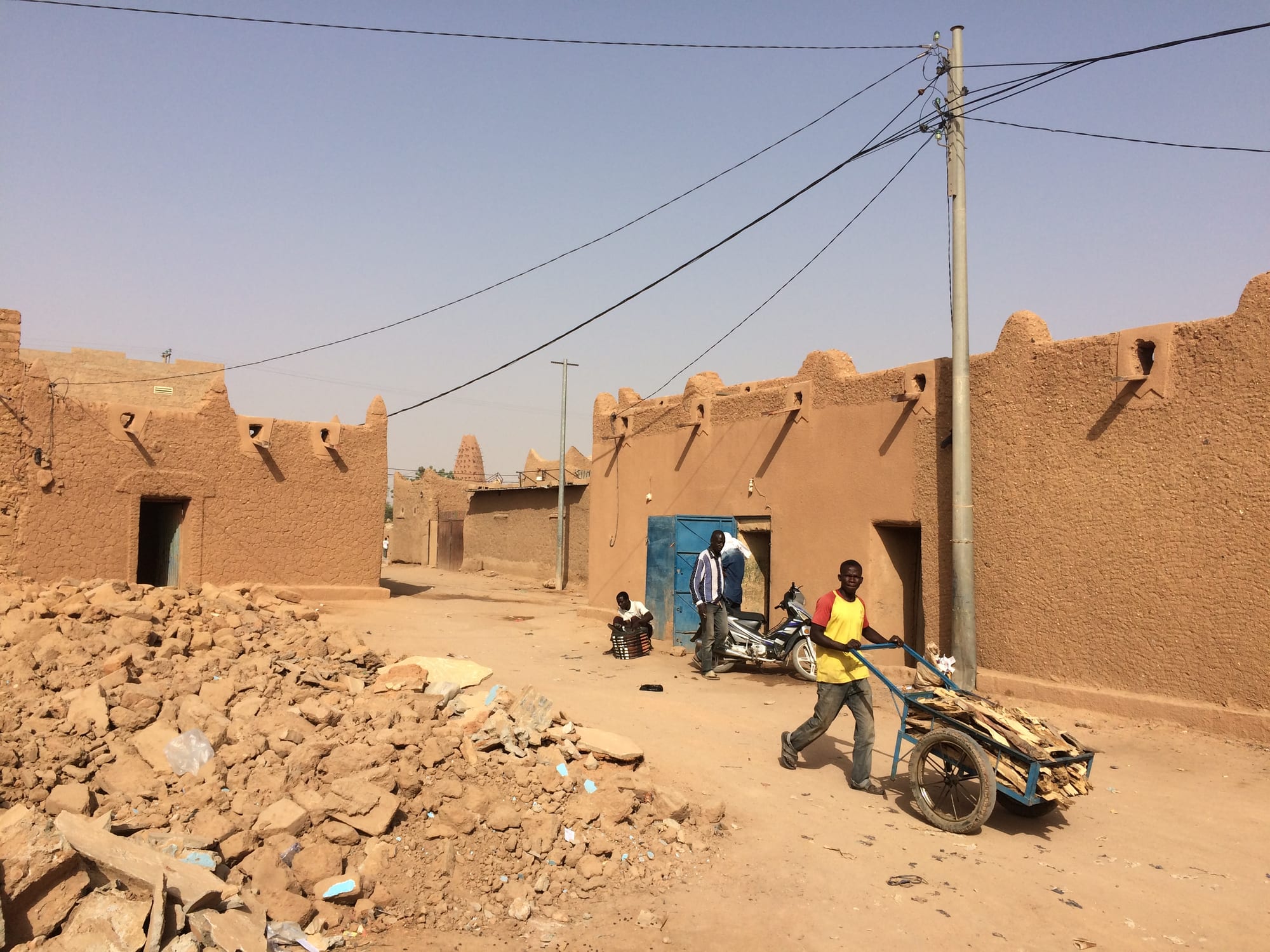
Agadez, on the southern edge of the Sahara, was for centuries a crucial staging post on the trans-Saharan caravan routes and remains one of the finest examples of Sahelian mud-brick architecture anywhere — its Grand Mosque, first built in 1515 and rebuilt in the 1840s, has a 27-metre minaret that is among the tallest earthen structures in the world, built with protruding wooden beams used as permanent scaffolding for annual replastering. The old town is a UNESCO World Heritage Site.
It is also the traditional gateway to the Aïr Mountains and the Ténéré Desert further north.
3. W National Park
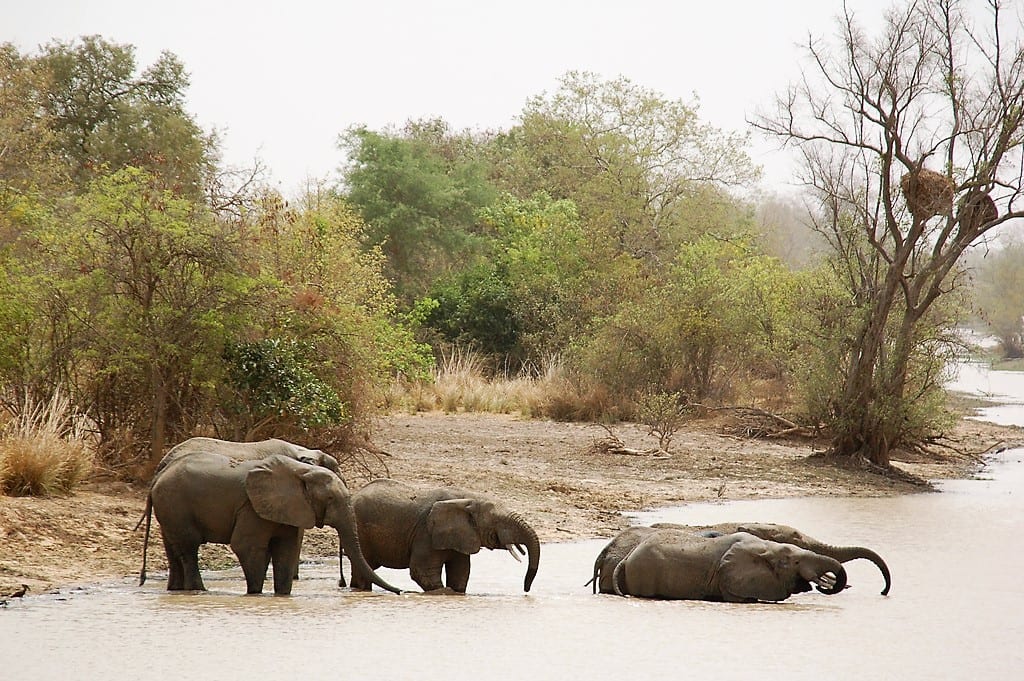
W National Park, named for a W-shaped bend in the Niger River, spans the borders of Niger, Benin, and Burkina Faso and protects one of the last significant elephant populations in West Africa, along with lion, buffalo, and hippo. It forms part of the larger W-Arly-Pendjari transboundary complex, a UNESCO World Heritage Site and one of the region's most important remaining wildlife strongholds — though, like much of the wider border region, it has been affected by jihadist activity in recent years.
4. The Aïr Mountains
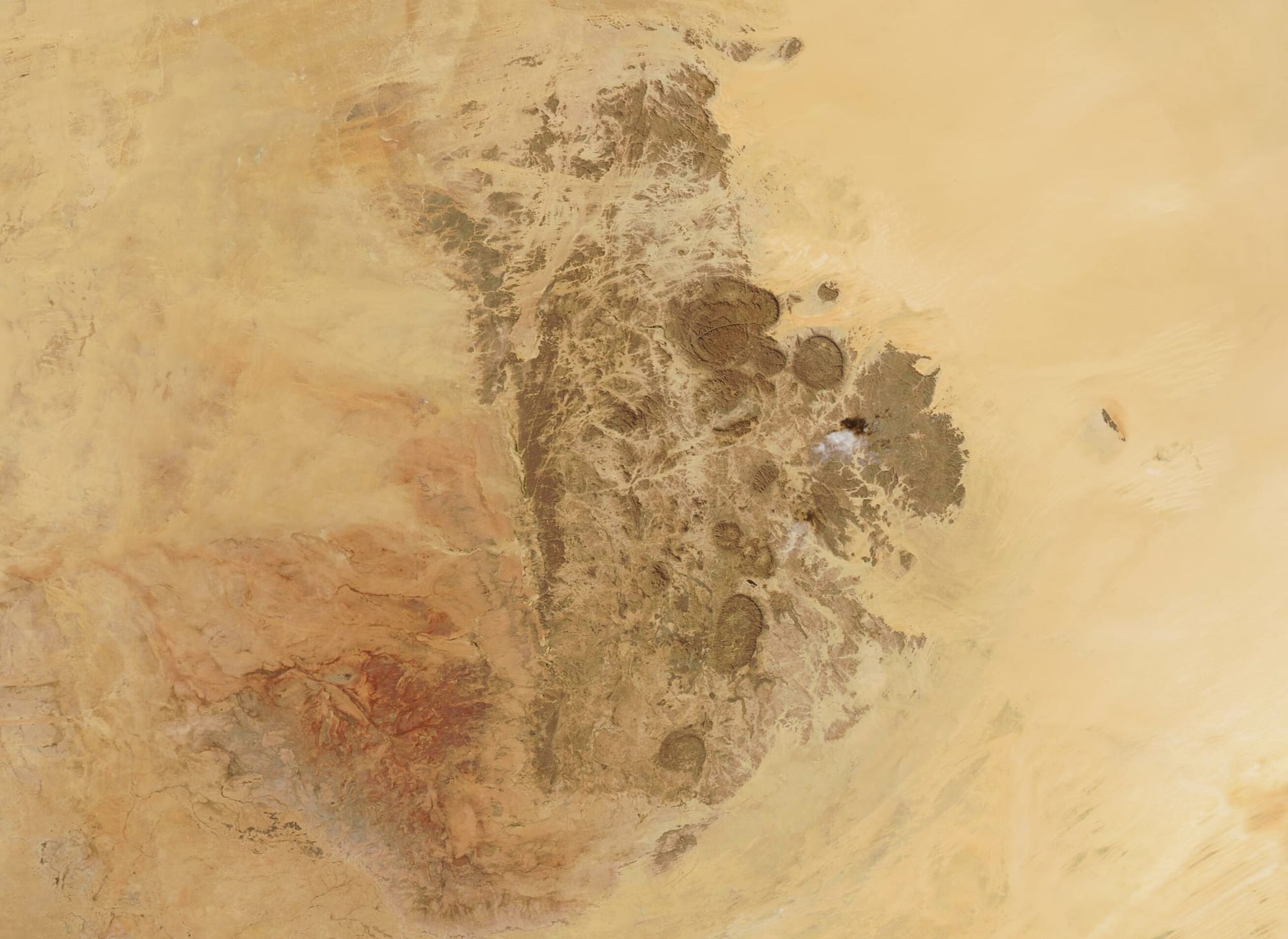
The Aïr Mountains, a rugged volcanic massif rising to over 2,000 metres out of the surrounding desert, hold enough elevation and water to support pockets of Sahelian vegetation and wildlife found nowhere else nearby, along with Tuareg and Tubu pastoral communities and ancient rock art. Together with the adjoining Ténéré Desert, they form the Aïr and Ténéré Natural Reserves, a vast UNESCO World Heritage Site — one of the largest protected areas in Africa.
5. The Ténéré Desert
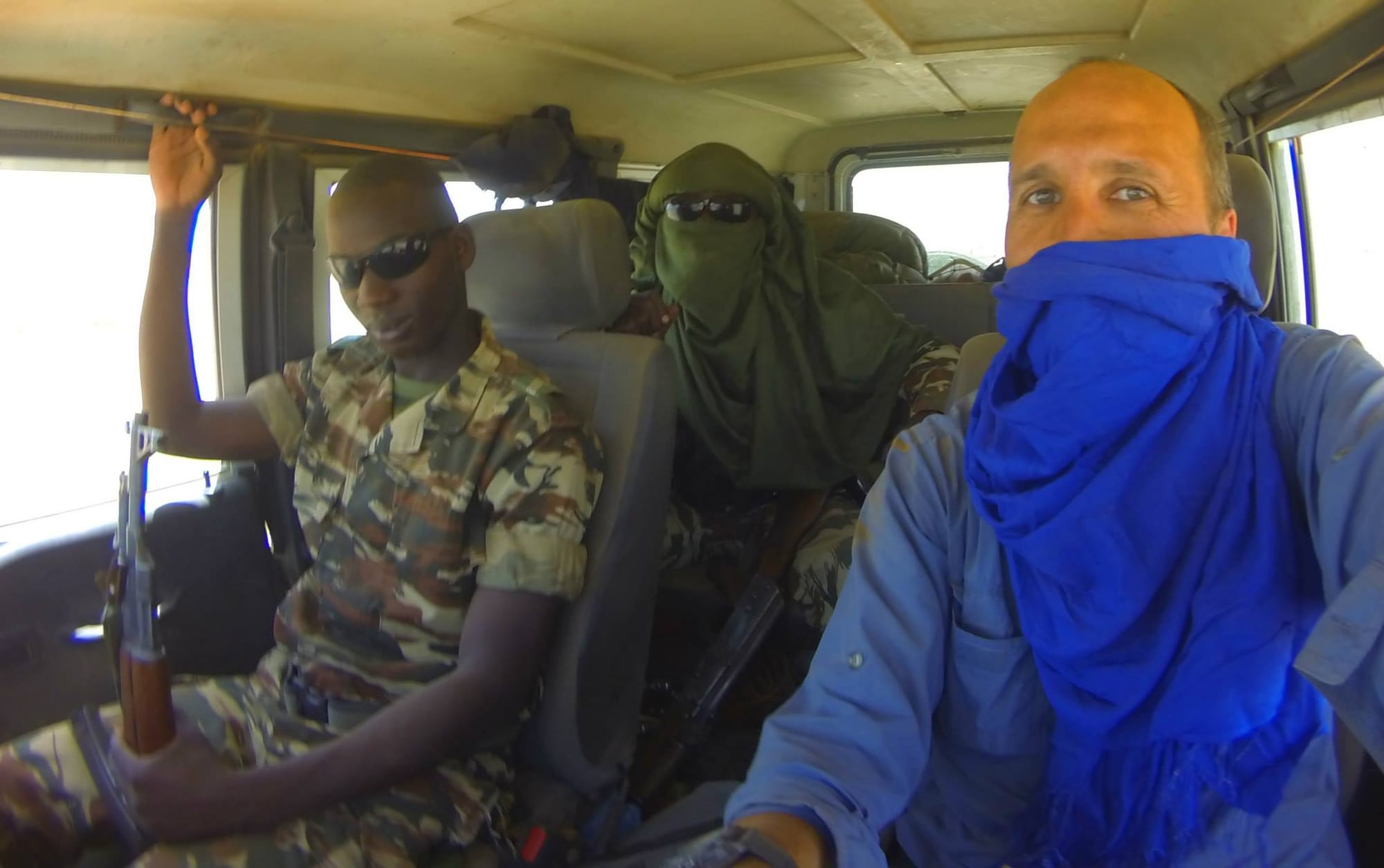
The Ténéré, part of the wider Sahara, is one of the most extreme deserts on earth — a vast sand and gravel plain that once held a single lone acacia tree, the "Tree of Ténéré", regarded as the most isolated tree in the world until a truck knocked it down in 1973 (a metal sculpture now marks the spot). The region has also produced major dinosaur fossil finds. Historically crossed by camel caravans and, more recently, the route of the former Paris-Dakar Rally, it requires serious desert-expedition logistics and, in recent years, military escort.
6. The Niger River
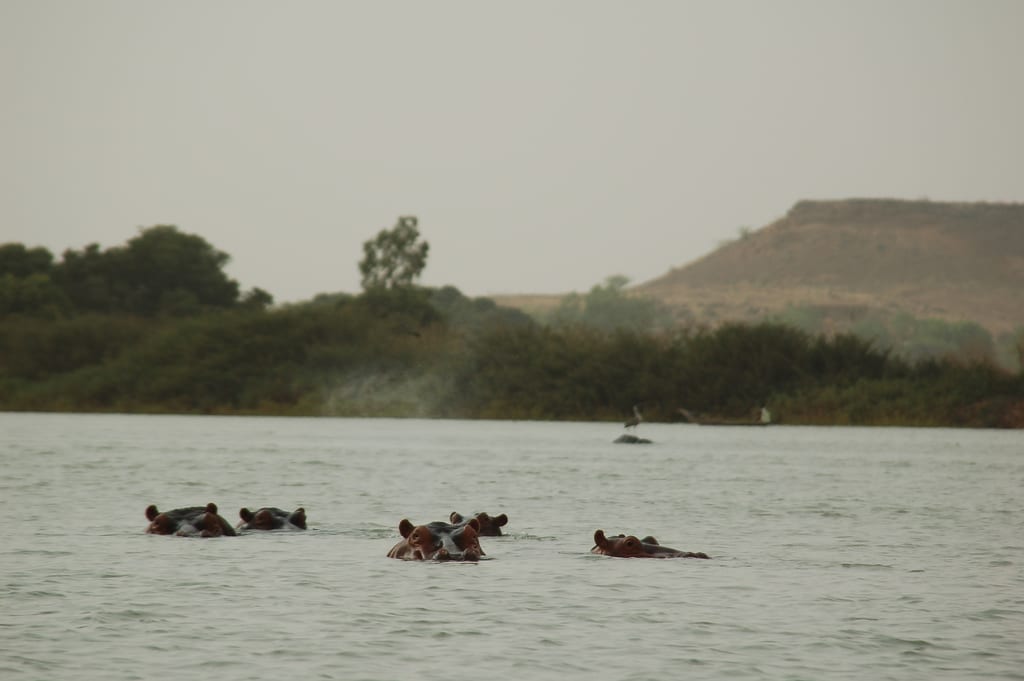
The Niger River, which gives the country its name, runs through the southwest of the country past Niamey, supporting fishing communities, hippo and birdlife, and the fertile agricultural land that has historically been the country's population centre. River excursions from Niamey, in calmer times, offered an easy way to see the river's wildlife without travelling far from the capital.
Before you go: a serious note
Niger has been ruled by a military junta since a July 2023 coup, and faces an ongoing jihadist insurgency across large parts of the country, particularly the Diffa region near Lake Chad, the Tillabéri "tri-border" area near Mali and Burkina Faso, and areas near the Libyan border. At the time of writing, most Western governments advise against all travel to nearly the entire country, citing the risk of terrorism, kidnapping, and armed conflict, and against all but essential travel even to Niamey.
This article describes what makes Niger's sights significant, for readers following the country or planning far ahead, not as a travel recommendation. Anyone actually considering travel should treat current government advisories as decisive and recognise that the security situation has shown no clear sign of improving.