History · Nicaragua
Nicaragua: The Lakes, the Canal, and the Revolution
A country long coveted as a canal route — a filibuster's brief presidency, decades of US Marines, the Somoza dynasty, the Sandinista revolution and the Contra war, and a former revolutionary who rebuilt one-family rule
By Worldlore Editorial · 10 September 2026
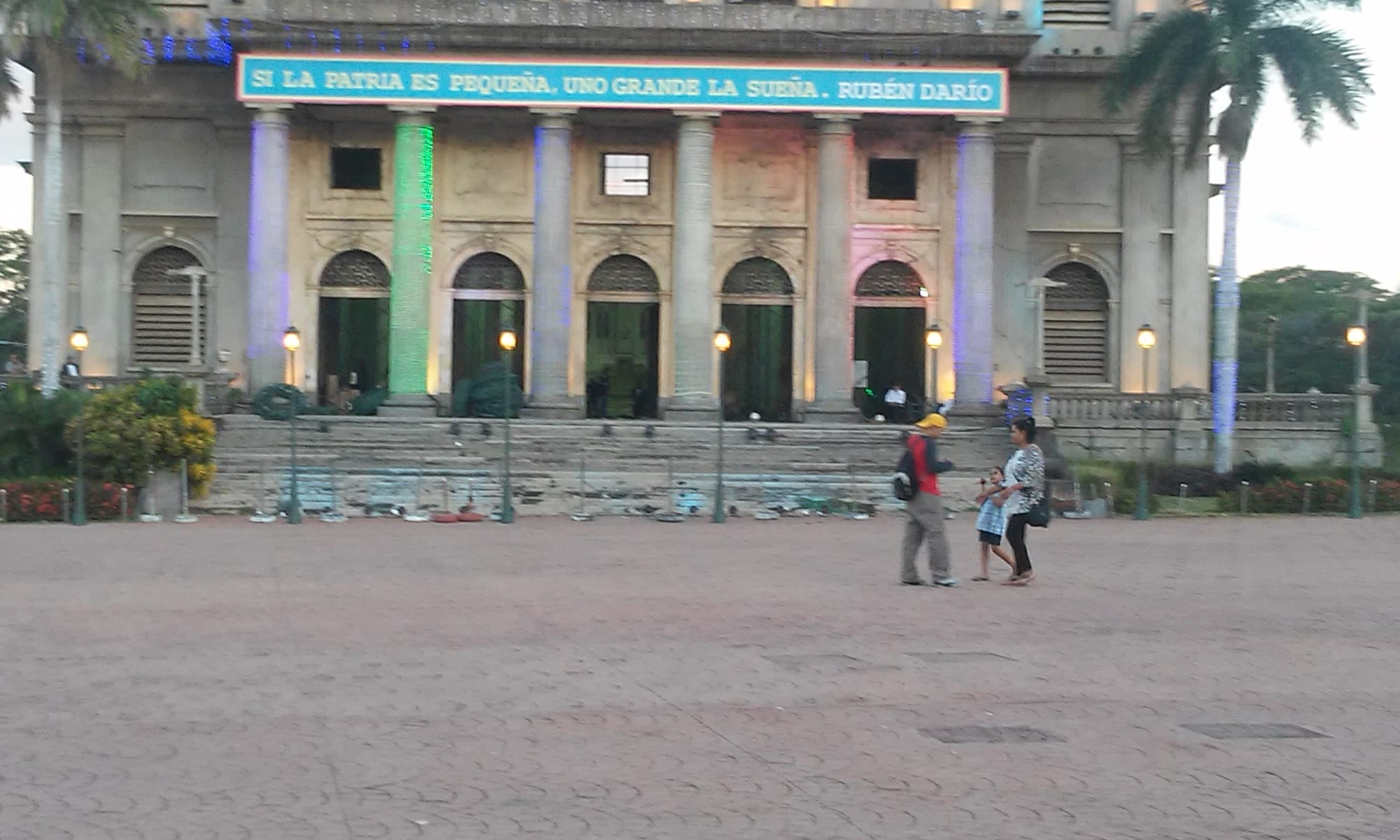
A country on a coveted route
Nicaragua is the largest country in Central America, with about 7 million people, two big lakes, a chain of volcanoes down its Pacific side, and a sparsely peopled Caribbean coast that was long a world apart. For 400 years it has been eyed as the natural place to cut a canal between the oceans — the San Juan River and Lake Nicaragua reach most of the way across — and that strategic value drew in filibusters, the United States, and a century of intervention that shaped its politics.
A short history
- pre-1522
Chiefdoms
Nahua and Chibcha-speaking peoples; the cacique Nicarao.
- 1524
Spanish conquest
Córdoba founds León and Granada.
- 1821–1838
Independence
From Spain, then Mexico, then the Central American federation.
- 1856–1857
William Walker
An American adventurer makes himself president; a regional war expels him.
- 1912–1933
US occupation
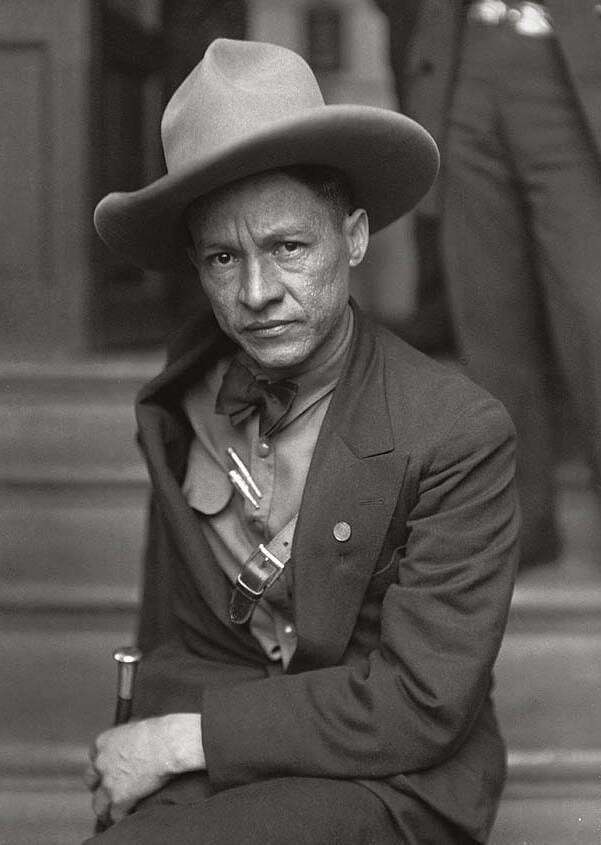
Marines stationed almost continuously; Sandino's guerrilla war.
- 1937–1979
The Somoza dynasty
Three members of one family rule via the National Guard.
- 1979
The revolution
The Sandinistas (FSLN) overthrow Somoza.
- 1981–1990
The Contra war
US-backed rebels fight the Sandinista government.
- 1990
Election
Violeta Chamorro defeats Ortega; the war ends.
- 2007–
Ortega's return
Re-elected, then entrenched; the 2018 crackdown.
Conquest, and the two cities
Nahua migrants from Mexico and Chibcha-speaking peoples farmed the Pacific lowlands when the Spanish arrived in the 1520s; Francisco Hernández de Córdoba founded León and Granada in 1524. The two cities — León liberal and anticlerical, Granada conservative and mercantile — became the poles of Nicaraguan politics for the next century and more. Independence came in 1821, followed by membership of the short-lived United Provinces of Central America and, from 1838, separate statehood marked by chronic León–Granada civil war.
Walker, and the Americans
In 1855 the Tennessee filibuster William Walker landed with a private army during a Nicaraguan civil war, seized control, had himself elected president in 1856, re-legalised slavery and made English an official language. A coalition of Central American states, backed by Cornelius Vanderbilt — whose transit company Walker had seized — drove him out in 1857; he was shot by a Honduran firing squad in 1860. The United States then intervened repeatedly to protect the canal option and American investments, landing Marines in 1912 and keeping them there, with one break, until 1933. Their departure left behind a US-trained National Guard under Anastasio Somoza García.
The Somoza dynasty
Somoza had Sandino killed in 1934, took the presidency in 1937, and he and his two sons ran Nicaragua as a family business for 43 years, amassing an estimated fortune of hundreds of millions and owning much of the country's land and industry. The regime survived because it was reliably anti-communist and useful to Washington — the Bay of Pigs invasion launched from Nicaraguan soil. Opposition hardened after the 1972 Managua earthquake killed some 10,000 people and the Somozas siphoned off the international relief. The 1978 assassination of the opposition newspaper editor Pedro Joaquín Chamorro united the country against the dynasty.
Revolution and the Contra war
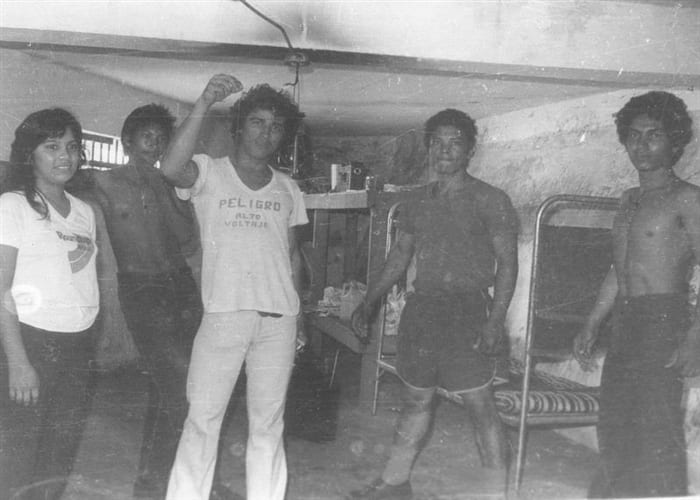
The Sandinistas took power in July 1979 and governed a mixed economy with mass literacy and health campaigns, land reform, and growing restrictions on the press and the opposition. From 1981 the Reagan administration organised, armed and funded the "Contras" — counter-revolutionary forces based in Honduras and Costa Rica — and mined Nicaragua's harbours, an act the International Court of Justice ruled unlawful in 1986. The war killed some 30,000 people and, with a US trade embargo, wrecked the economy. A regional peace plan led to internationally supervised elections in 1990, which the war-weary electorate gave to Violeta Chamorro, Pedro Joaquín's widow, over the Sandinista leader Daniel Ortega.
Ortega's return
Three centre-right governments followed, marked by corruption and grinding poverty. Ortega, having struck a power-sharing pact with a former opponent, won the presidency again in 2006 and has held it since, removing term limits, capturing the courts and electoral council, and installing his wife Rosario Murillo as vice-president. Mass protests in April 2018, set off by pension cuts, were met with lethal force — more than 300 killed — followed by the jailing or exile of opponents, the stripping of citizenship from critics, and the closure of universities, NGOs and the Catholic Church's charities. Ortega and Murillo were made "co-presidents" in a 2025 constitutional rewrite.
What Nicaragua carries
Nicaragua's location made it a prize — for filibusters, for canal companies, for the United States — and that outside pressure repeatedly cut short its own politics, from Walker to the Marines to the Contras. The 1979 revolution promised to end the pattern of one-family rule. Its central figure has instead recreated it, with a former guerrilla and his wife now formally sharing a presidency that no longer faces an election it can lose.