Food · Nicaragua
Nicaragua: Food and the National Dish
Rice and beans fried together for breakfast, a dish shared with Costa Rica but claimed with equal pride on both sides of the border
By Worldlore Editorial · 16 September 2026
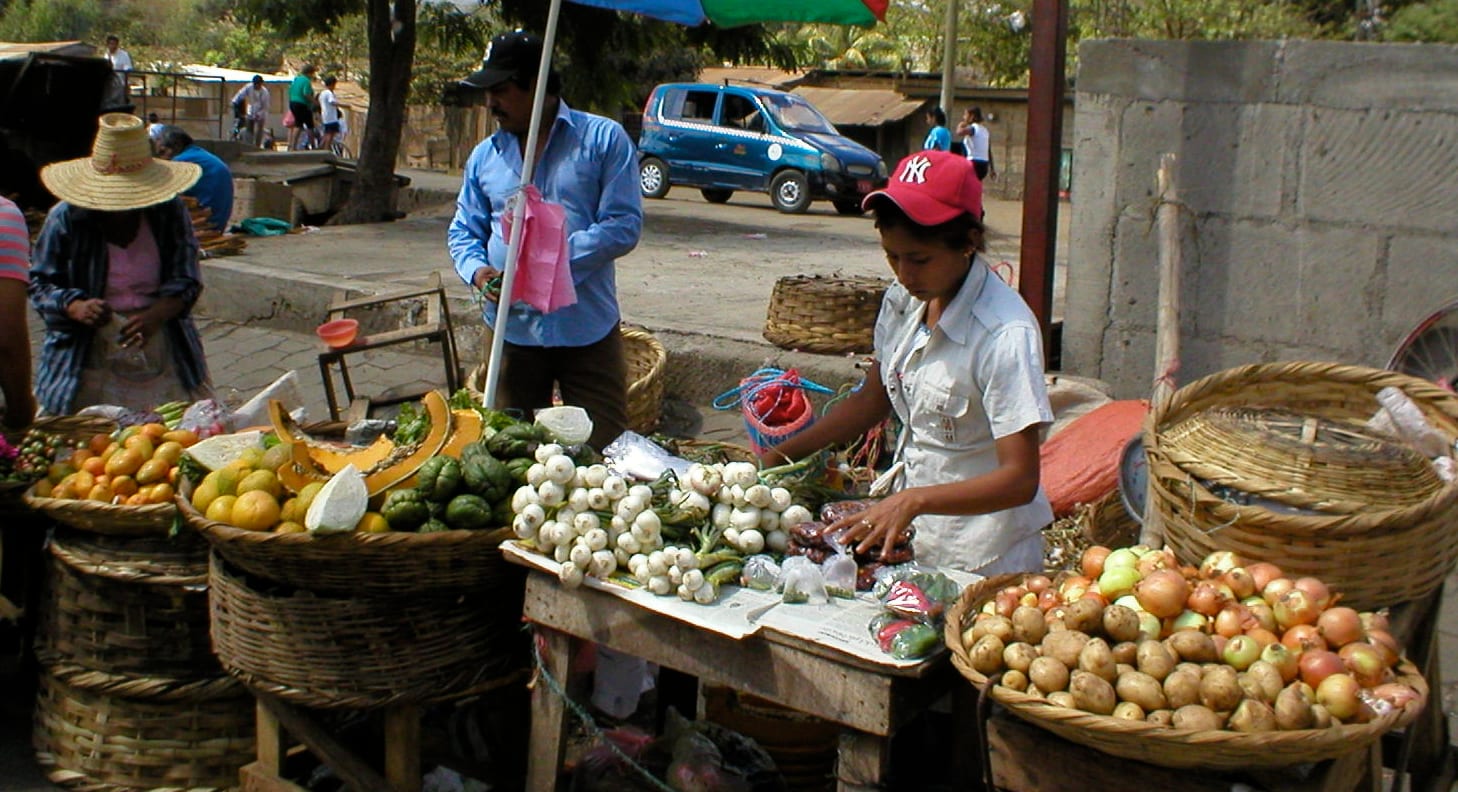
A corn-and-bean cuisine claimed on both sides of a border
Nicaraguan food shares deep roots with the wider Central American corn-and-bean tradition, layered with Indigenous, Spanish colonial and Afro-Caribbean influence along the country's Caribbean coast. Much of what Nicaragua eats is genuinely shared with neighbouring Costa Rica, a closeness that has produced a good-natured, long-running rivalry over which country's version of certain dishes is the original.
The national dish: gallo pinto
Gallo pinto, rice and beans fried together, usually with onion and pepper, until the rice takes on a mottled, speckled appearance that gives the dish its name, meaning "spotted rooster," is Nicaragua's national dish. The same dish, cooked slightly differently, is equally central to Costa Rican identity just across the border, and Nicaraguans and Costa Ricans alike claim the dish as genuinely their own.
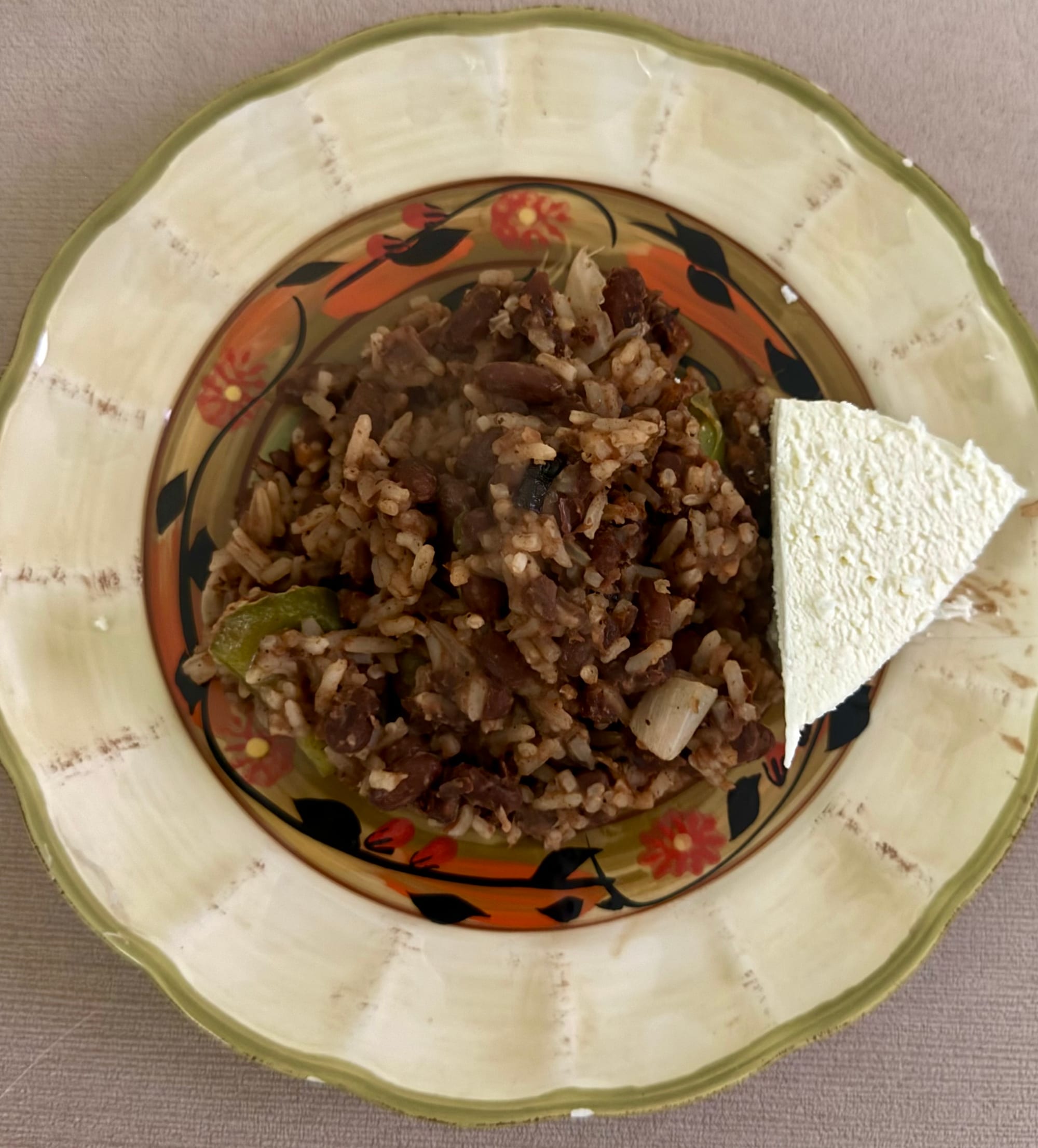
Corn, beans and the everyday pantry
Corn, in tortillas and a wide range of other forms, alongside beans and rice, anchors Nicaraguan cooking nationwide, while the country's Caribbean coast carries a genuinely distinct Afro-Caribbean food tradition built on coconut milk and seafood, more closely related to Jamaican and wider Caribbean cooking than to the Pacific side of the country.
History behind vigorón and Granada
Vigorón, boiled yuca topped with fried pork rind (chicharrón) and a tangy cabbage salad, all served wrapped in a banana leaf, is genuinely Nicaragua's own invention, tracing to a specific street vendor in the colonial city of Granada in the 1930s. Unlike gallo pinto, vigorón carries no cross-border rivalry, a distinctly Nicaraguan dish with a known origin story.
Dishes to know
Five more to recognise across Nicaragua:
- Vigorón — boiled yuca with fried pork rind and cabbage salad,
wrapped in a banana leaf, a Granada specialty.
- Nacatamal — a large tamale of corn dough, pork or chicken and
vegetables, wrapped in banana leaf and steamed.
- Quesillo — a soft cheese wrapped in a tortilla with onion and cream,
a beloved roadside snack.
- Indio Viejo — a thick, shredded beef and corn stew, a traditional
Nicaraguan comfort dish.
- Rondón — a coconut milk seafood stew from Nicaragua's Caribbean
coast, reflecting Afro-Caribbean influence.
Drinks
Pinolillo, a traditional drink made from toasted ground corn and cacao, has deep Indigenous roots and remains a genuine everyday Nicaraguan refreshment. Flor de Caña, a rum distilled in Nicaragua, has built a strong international reputation, and fresh tropical fruit juices are common throughout the country.
Eating as a traveller
Vegetarians will find rice, beans and corn-based dishes manageable, though pork and beef are central to many traditional Nicaraguan foods including vigorón. Tap water is not reliably safe outside major hotels; stick to bottled or boiled water. Trying vigorón from a street vendor in Granada's central park, close to where the dish was first sold, is a genuine way to taste its specific local history.
What to take from the table
Gallo pinto, shared proudly with Costa Rica, is the dish that anchors everyday Nicaraguan eating — but vigorón, born on one specific street corner in Granada, is the dish that belongs to Nicaragua alone.