Daily Life · Nicaragua
Nicaragua: Close to Family, Careful with Words
Extended households held together as much by money sent home from abroad as by the people still in the house, a slow cash economy built on markets and chicken buses, and a public life grown quieter since 2018
By Worldlore Editorial · 30 September 2026
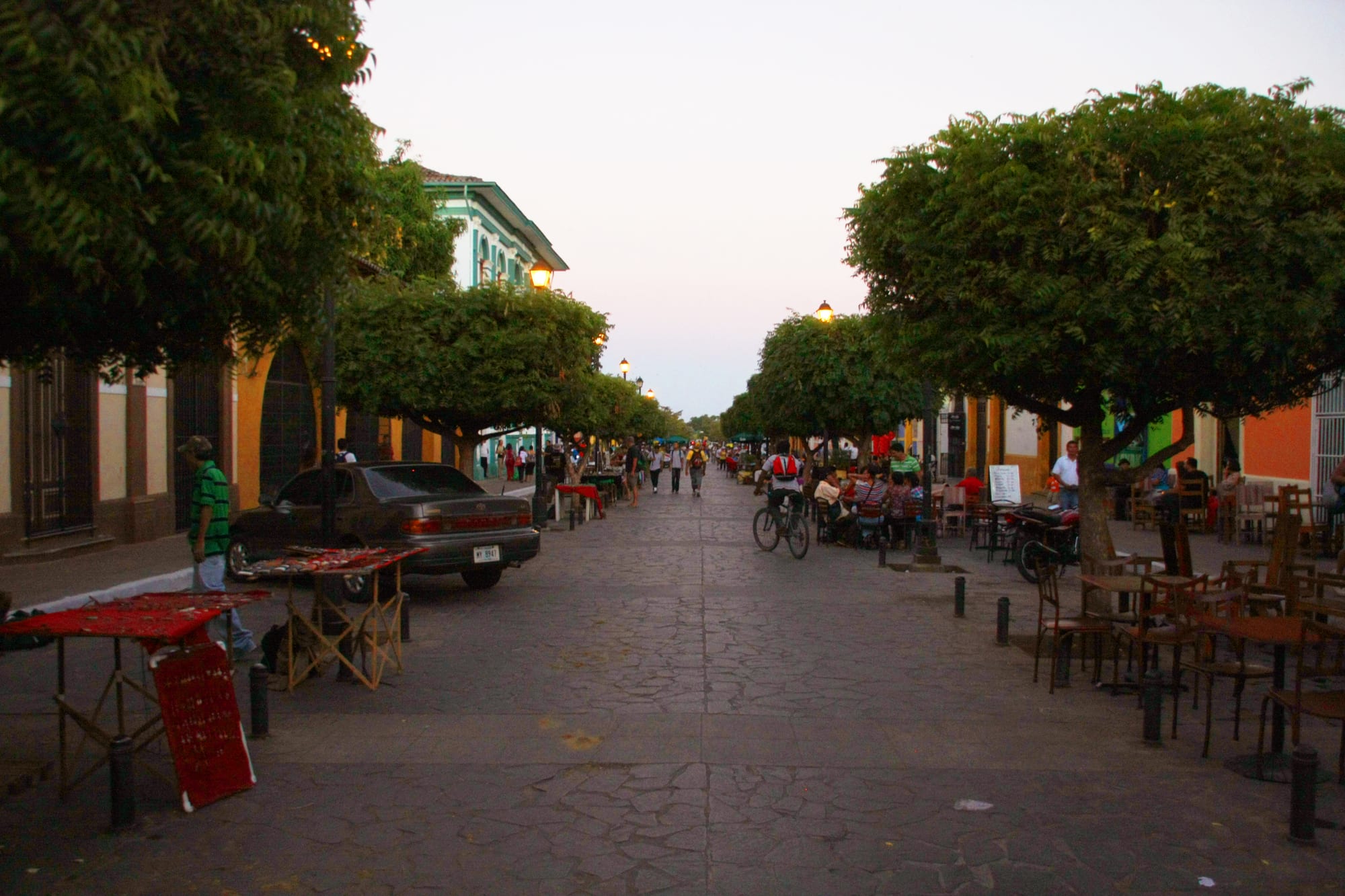
Daily life in Nicaragua still centres on the household and the extended family the way it always has, but a great deal of what keeps that household running now arrives from outside the country. More than a quarter of the economy is remittances sent home by the very large number of Nicaraguans who have left since 2018, and grandparents raising grandchildren while parents work abroad is now an ordinary, not unusual, family shape. Life still runs at an unhurried, cash-based pace built around markets, old American school buses repainted as local transport, and modest homes on the hot Pacific plain, but since the 2018 protests were crushed and civil society hollowed out, people are more careful than they once were about what they say, and to whom.
Family and home life
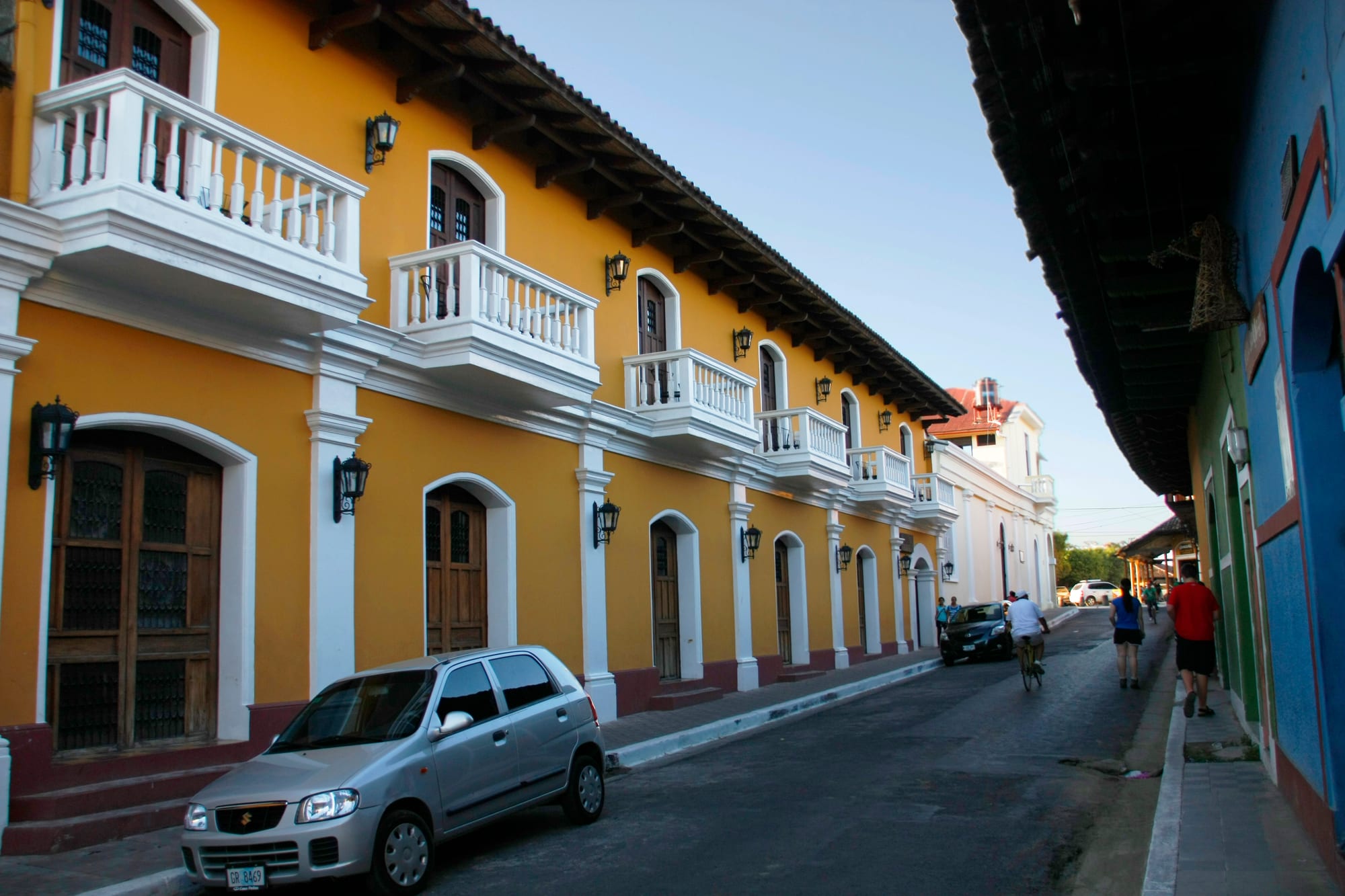
The household remains the basic unit of Nicaraguan life, and it is common, especially outside the capital, for grandparents, parents, children and sometimes cousins to share a home or a family compound. Housing is modest for most people: single-storey concrete or wooden homes, often self-built and extended over time as money allows. What has changed the shape of many families since 2018 is emigration: very large numbers of working-age Nicaraguans have left for the United States, Costa Rica and Spain, and the money they send back, running to billions of dollars a year, is what keeps many households afloat, often with grandparents taking on daily childcare for the children left behind.
Work, school and the rhythm of the day
Nicaragua is the second-poorest country in the Americas, and much of the working day happens in agriculture or the informal economy: coffee, beef, sugar and tobacco work in the countryside, and street vending, small trade and garment-assembly work in the towns and cities. Formal working hours in offices and larger businesses run a standard day, but for the many people working informally, the day is set by the market, the harvest or the bus timetable rather than a fixed clock. Cash is how almost everything is paid for outside the largest hotels and supermarkets, and a family's monthly rhythm is often built around when money arrives from relatives abroad rather than around a local payday.
Community life and public spaces
Markets are the backbone of daily public life: the Mercado Oriental in Managua is reckoned the largest market in Central America, a sprawling maze of stalls selling food, clothing and household goods, and smaller town markets, such as Masaya's, serve the same role at a local scale. Getting around by road means the bus that visitors nickname the "chicken bus", a retired US school bus repainted and packed well past its original capacity, which links towns cheaply if not quickly, alongside minibuses and, in the cities, taxis. Town plazas, especially the central park found in most towns, remain a genuine gathering point, particularly in the cooler part of the evening. Since 2018, independent media, NGOs, universities and many church institutions have been closed or brought under state control, and that has visibly narrowed the range of organised public and civic life available outside the household and the market.
Free time and weekends
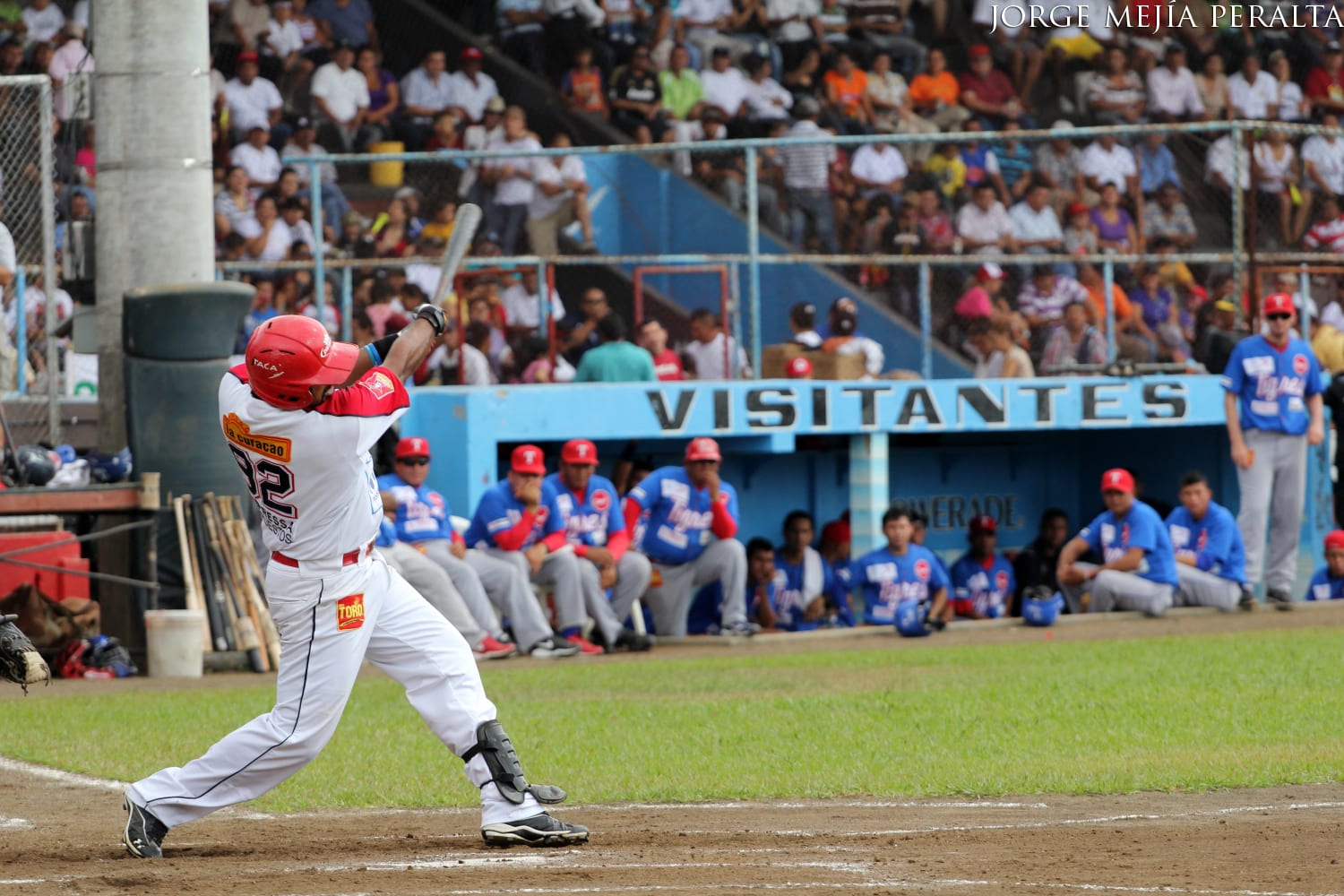
Baseball, not football, is the national sport and the game most Nicaraguan families follow closely, a legacy of the long US presence in the country, and weekend games draw real crowds in towns with a team. Extended-family gatherings, often built around a shared meal, are the default way free time is spent, and town fiestas, with marimba music and folk dance, remain a genuine calendar highlight outside the capital. In early December, families build altars to the Virgin in homes and workplaces for the Purísima and the Gritería, when neighbours go door to door through the evening; for many Nicaraguans it is the high point of the religious year, ahead of Christmas and Easter. Watching television or streamed content at home, often with relatives abroad joining by video call, has become an increasingly ordinary way to spend a free evening.
A visitor's ordinary day
Nicaragua runs largely on cash: US dollars are widely accepted for larger purchases, with change often given in córdobas, and ATMs are limited outside the main cities. Agree a taxi fare before getting in, since meters are not the norm, and expect chicken buses and shuttles to leave once full rather than on a fixed schedule. Given the political climate, it is worth knowing that phones and laptops can be searched at the border, and that photographing police or any protest activity, or discussing Nicaraguan politics with strangers, can create real problems that consular help is unlikely to resolve quickly. Shops and markets generally open early and wind down by evening, and the heat makes the early morning and late afternoon the most comfortable times to be out.
What to take away
An ordinary day in Nicaragua still runs on family, food and the market the way it always has, but it is now a family life sustained as much by relatives working abroad and money wired home as by anyone actually in the house, lived more quietly in public than it was before 2018.