Attractions & Natural Wonders · Nicaragua
Nicaragua: Six Attractions and Natural Wonders
A volcano you can peer directly into its lava lake, the best-preserved Spanish colonial city in the Americas, a twin-volcano island in a freshwater lake, and Caribbean islands most of Central America has never heard of
By Worldlore Editorial · 10 September 2026
The land of lakes and volcanoes
Nicaragua, the largest country in Central America by area, is strung with volcanoes along its Pacific side and holds the region's largest lake, Lake Nicaragua, big enough to have its own bull sharks and an island built from two volcanoes. It has about 6.9 million people, a colonial heritage split between rival cities Granada and León, and a coastline on both the Pacific and a little-visited Caribbean side. Political life under the Ortega government has been increasingly repressive since 2018, though the main tourist circuit has continued to operate.
The six below run from the volcanic interior to both coasts. The dry season (November to April) is the easiest time to visit; the rains from May to October bring the landscape to its greenest.
1. Masaya Volcano
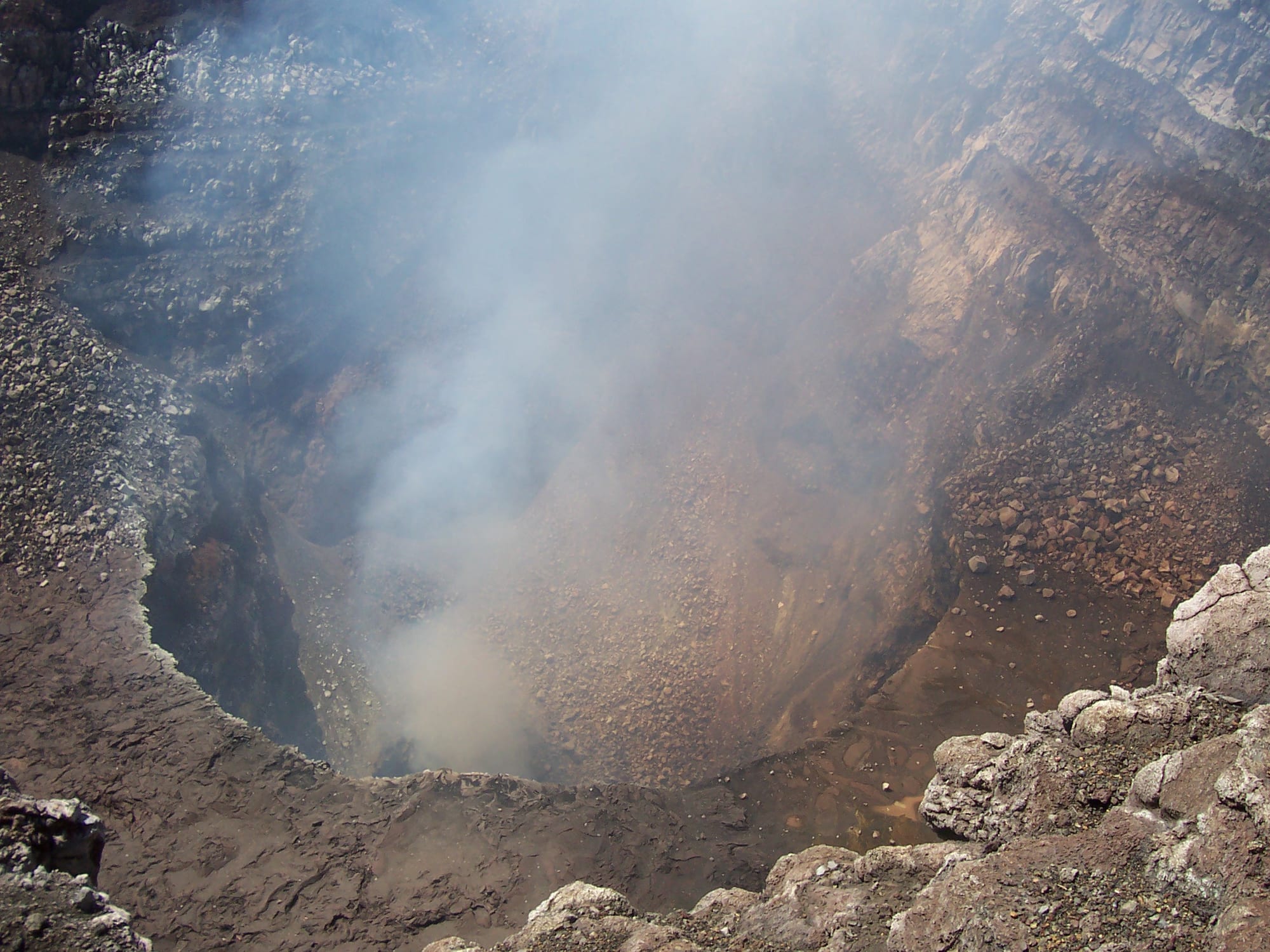
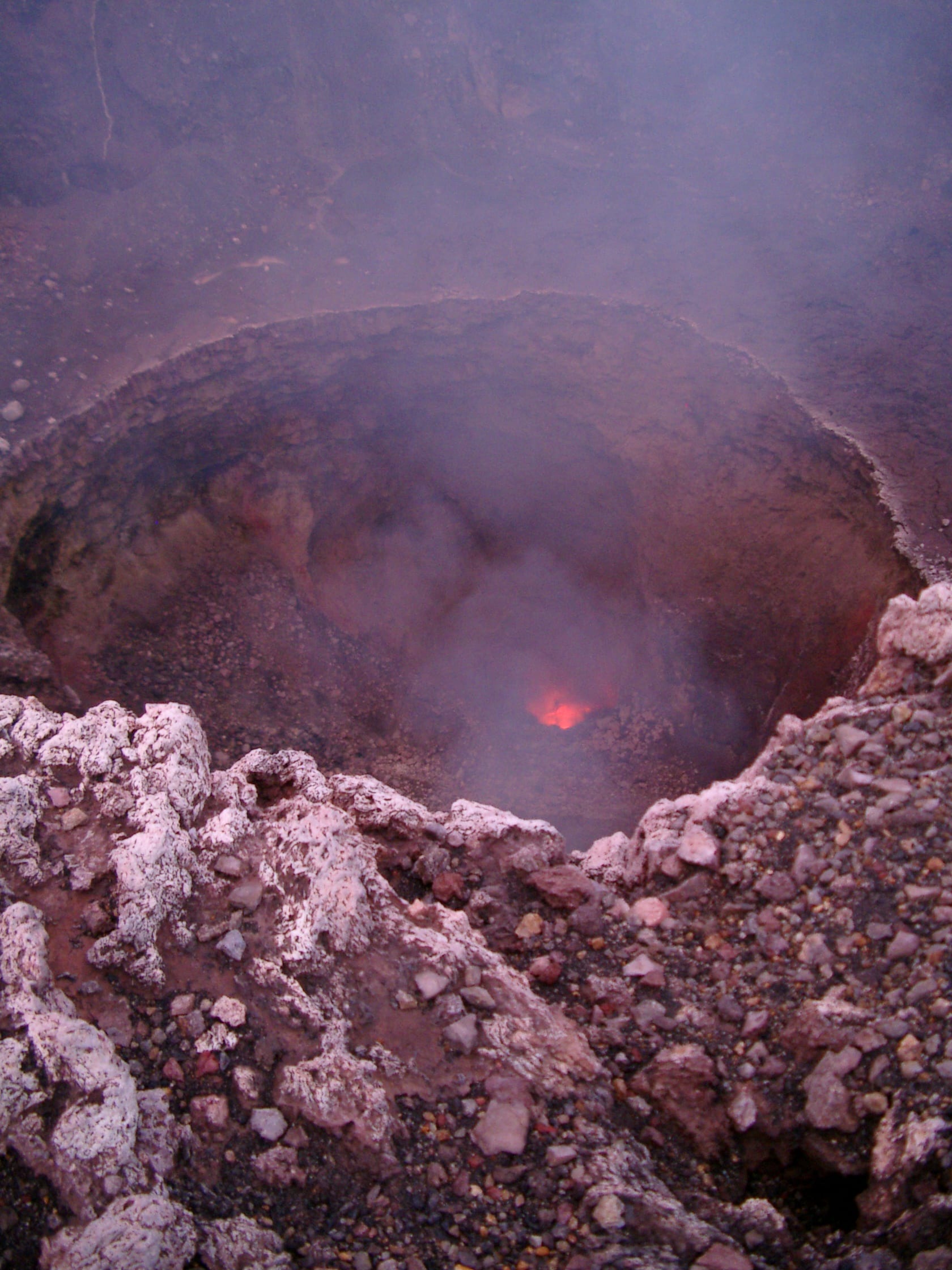
Masaya, just outside Managua, is one of only a handful of volcanoes in the world where visitors can drive to a rim overlook and see an active lava lake directly below — most dramatically after dark, when the glow lights up the rising gas plume. Indigenous Nicaraguans once considered it a gateway to the underworld and made human sacrifices at the crater; a resident colony of green parakeets that nests inside the crater walls, seemingly immune to the toxic gases, remains a biological puzzle.
Evening visits are the most popular, when the lava glow is most visible.
2. Granada
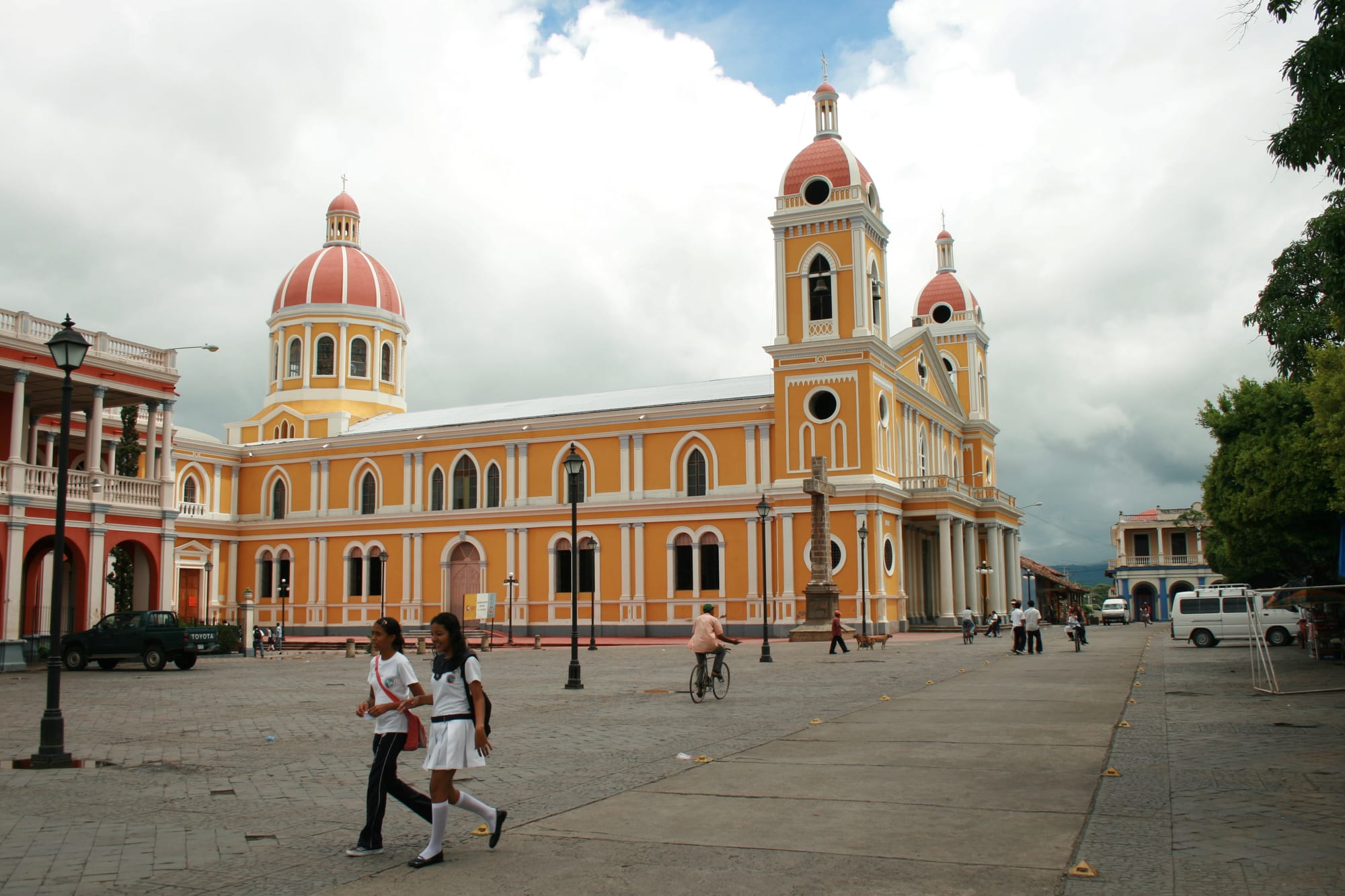
Granada, founded in 1524 on the shore of Lake Nicaragua, is one of the oldest European-founded cities in the Americas and one of the best preserved — a grid of brightly painted colonial buildings, churches, and courtyard homes, largely spared major modern redevelopment. Horse-drawn carriages still work the streets around the central square, and boat trips run out among the "Isletas", some 365 tiny volcanic islets scattered just offshore.
It is the most visited city in the country and the easiest introduction to Nicaragua.
3. León
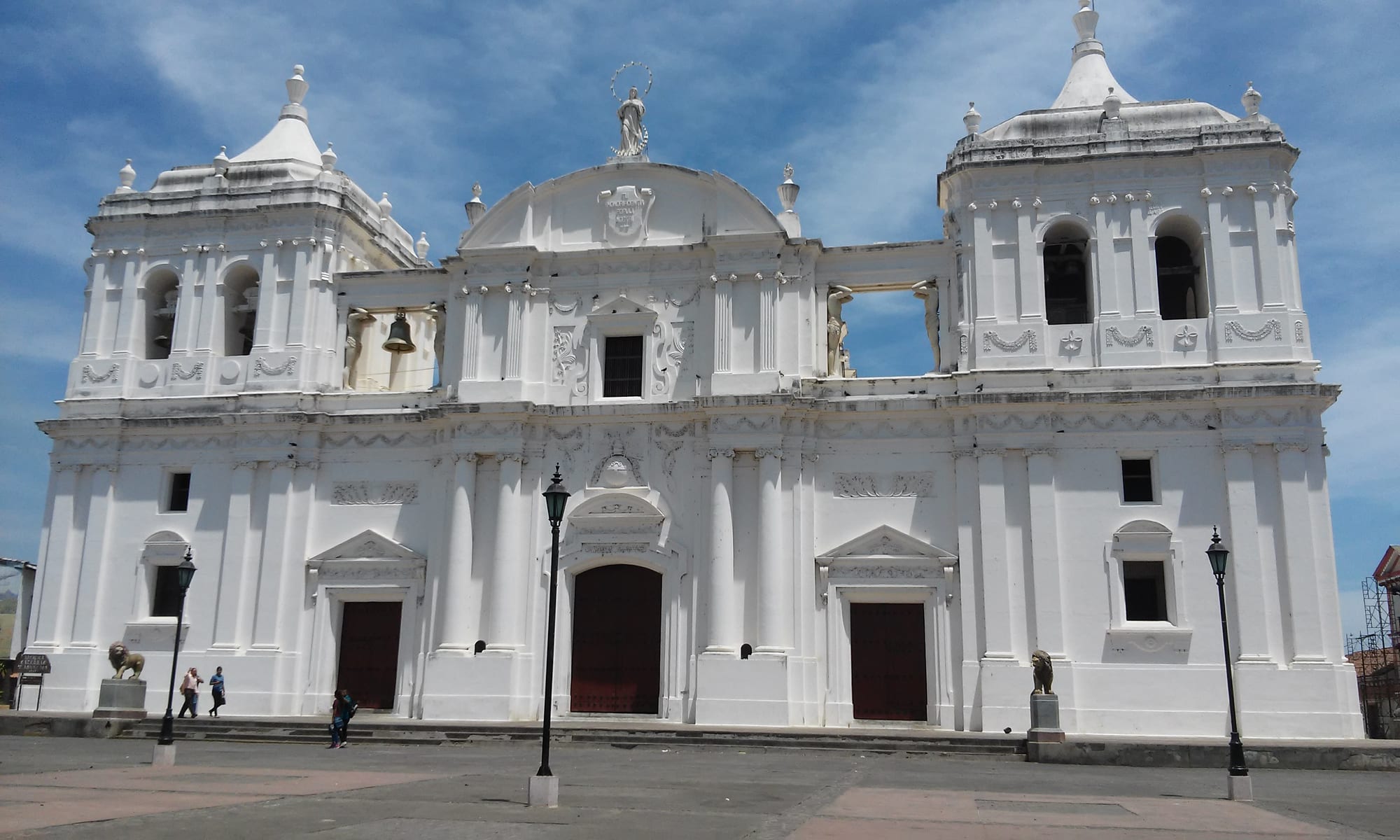
León, Granada's historic rival and Nicaragua's intellectual and revolutionary capital, has a grittier, more political character — student-filled streets, murals commemorating the Sandinista revolution, and the poet Rubén Darío's former home turned museum. Its cathedral, completed in 1814, is the largest in Central America, a UNESCO World Heritage Site whose flat roof (climbable) offers views to the volcanoes beyond the city, and whose crypt holds Darío's tomb.
Nearby Cerro Negro, a young, bare black-ash volcano, is a popular spot for volcano boarding.
4. Ometepe Island
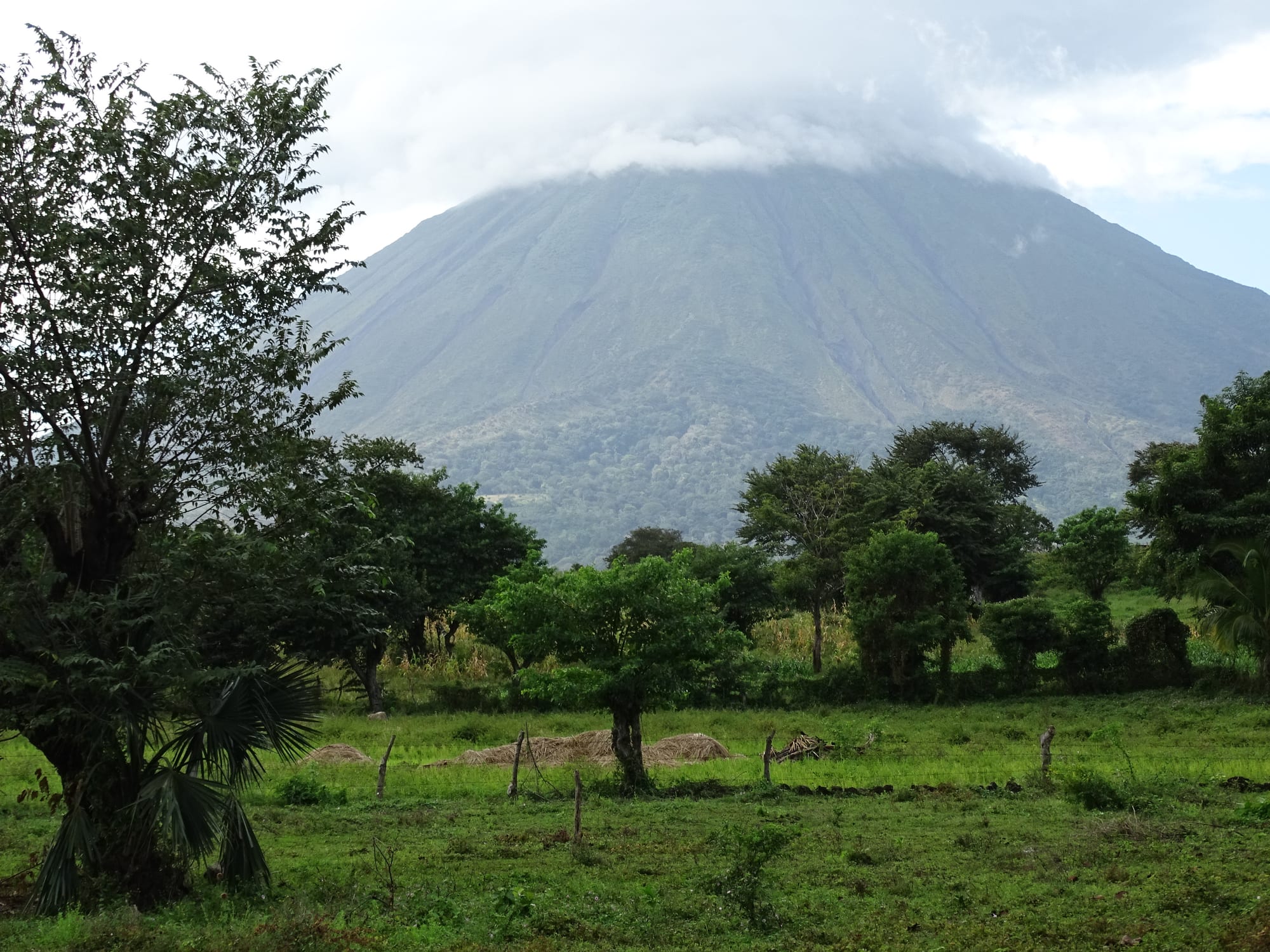
Ometepe, in the middle of Lake Nicaragua, is a figure-eight island formed by two volcanoes — the still-active Concepción and the dormant, forested Maderas — linked by a narrow isthmus. It is one of the country's most laid-back destinations: petroglyph sites, waterfalls and swimming holes on Maderas's slopes, howler monkeys, and simple lakeside guesthouses, reached by ferry from the mainland town of San Jorge.
Climbing either volcano is a full, demanding day; many visitors are content to simply relax by the lake.
5. San Juan del Sur
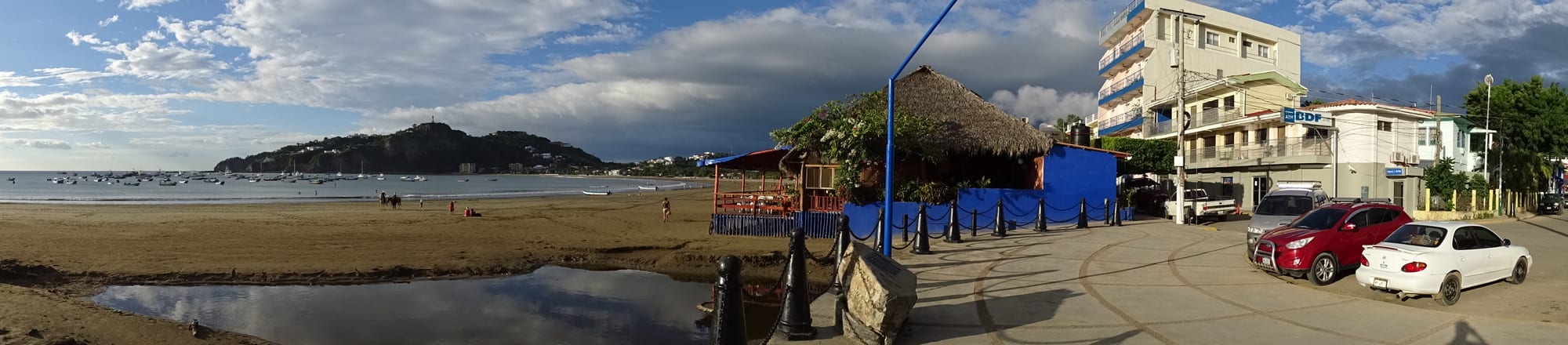
San Juan del Sur, on the Pacific coast near the Costa Rican border, is Nicaragua's best-known beach and surf town — a horseshoe bay with a lively nightlife scene, and a string of quieter, world-class surf beaches (Playa Maderas, Popoyo further north) within easy reach by boat or road. A large hilltop Christ statue overlooks the bay.
It has grown considerably as a tourist destination and can get busy, particularly around New Year.
6. The Corn Islands
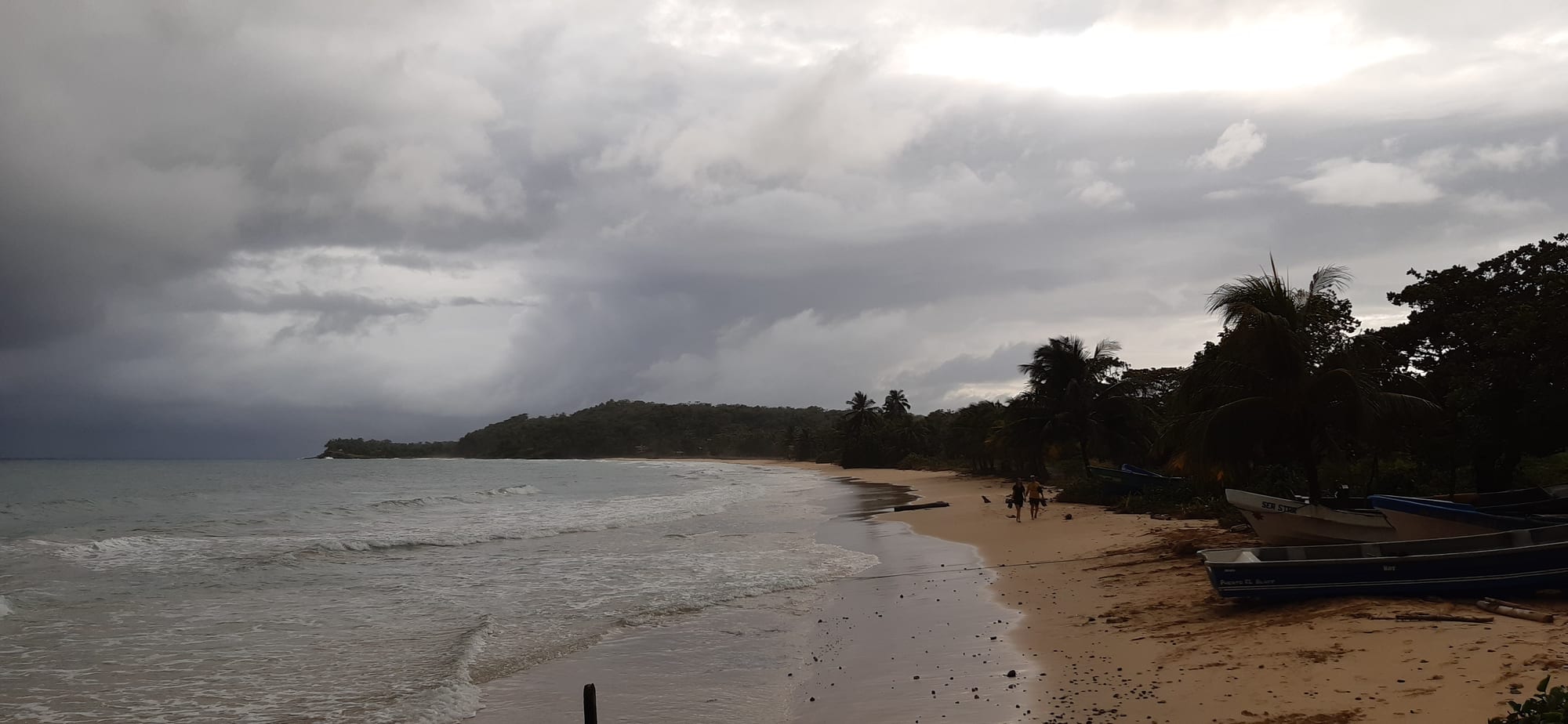
The Corn Islands, off Nicaragua's Caribbean coast, are a world apart from the volcanic, Spanish-speaking mainland — English- and Creole-speaking, with a Afro-Caribbean culture closer to Jamaica or Belize than to Granada. Big Corn has an airport and simple beach lodges; tiny Little Corn, reached only by boat, has no cars at all, just sand paths, palm-backed beaches, and some of the cheapest diving in the Caribbean.
They are genuinely remote from the rest of the country, reached by a short flight from Managua.
A practical note
Nicaragua has experienced serious political repression since anti-government protests in 2018, and some governments advise increased caution regarding demonstrations, arbitrary detention, and the treatment of journalists and critics of the government; the main tourist circuit (Granada, León, Ometepe, San Juan del Sur) has generally continued to operate for visitors, but checking current government travel advice is worthwhile before a trip.
A first visit usually links Granada, Masaya, and León over about a week, adding Ometepe or San Juan del Sur for those with more time.