History · New Caledonia
New Caledonia: The Nickel Island
A Melanesian archipelago that France turned into a penal colony and a mining territory — a dispossessed Kanak majority-turned-minority, a near civil war in the 1980s, and three referendums that left the independence question unresolved
By Worldlore Editorial · 10 September 2026
A settler question in the Pacific
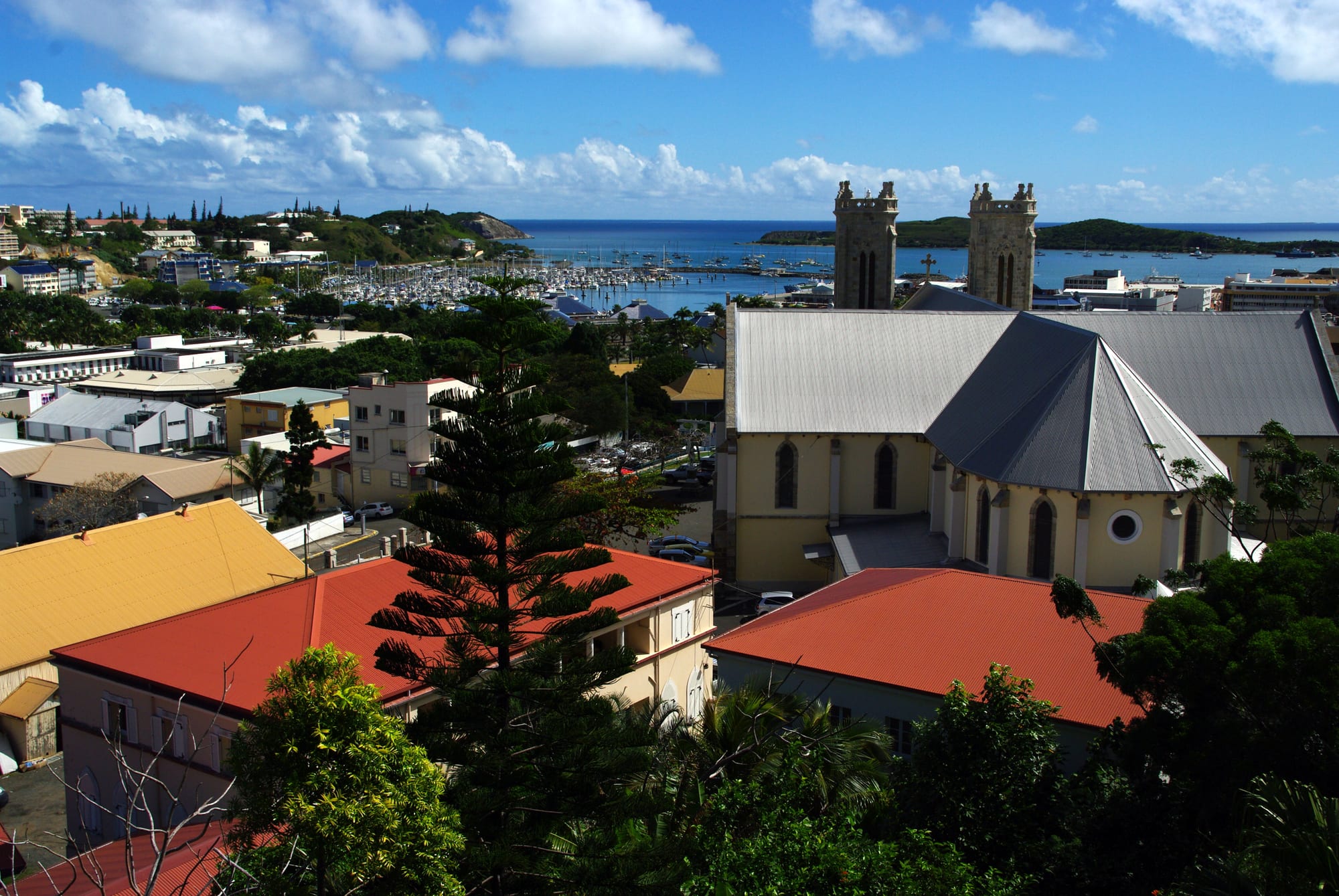
New Caledonia is a long mountainous main island — the Grande Terre — plus the Loyalty Islands and smaller groups, with about 270,000 people. The indigenous Melanesians, the Kanak, are roughly two-fifths of the population; Europeans, mostly of settler and former-convict descent, and Polynesian, Wallisian and Asian communities make up the rest. It holds perhaps a quarter of the world's nickel. Almost everything contested about the territory — land, the vote, independence — comes from the fact that colonisation made the original inhabitants a minority in their own country.
A short history
- c. 1100 BCE
Lapita settlement
Ancestors of the Kanak reach the islands.
- 1774
Cook
The British navigator charts the coast and names it New Caledonia.
- 1853
French annexation
France takes the islands under Napoleon III.
- 1864–1897
The penal colony
Around 22,000 convicts and political deportees are sent.
- 1878
The great revolt
A Kanak uprising under Ataï is crushed; about 1,000 Kanak die.
- 1946
Overseas territory
Kanak are made French citizens; the reservation system eases.
- 1984–1988
"Les Événements"
Violent conflict between independalists and loyalists.
- 1988
Matignon Accords
Peace, and a promised referendum in ten years.
- 1998
Nouméa Accord
Gradual transfer of powers; three referendums to come.
- 2018–2021
The referendums
Independence rejected three times; the last boycotted by Kanak.
The Kanak, and the convicts
The islands were settled around 3,000 years ago by the Lapita people, whose distinctive pottery is found across the western Pacific. Kanak society was based on clans, yam cultivation, and elaborate exchange, organised around the chief's "grande case" and a system of customary land tenure. France annexed New Caledonia in 1853, partly to forestall Britain and partly to acquire a penal settlement, and from 1864 shipped convicts, including Communards deported after the 1871 Paris uprising, and later Algerian rebels.
Dispossession and revolt
Settlers and the administration pushed the Kanak off the best land and onto reservations, confined them under a repressive native code, and drafted them for labour. In 1878 the high chief Ataï led a revolt across the centre of the Grande Terre; it was put down with the help of Kanak auxiliaries, and Ataï was killed and decapitated, his skull sent to Paris and only returned in 2014. A second rising in 1917, during the First World War, was also crushed. Disease and land loss cut the Kanak population to around 27,000 by 1920.
Nickel, and the settler majority
Nickel was found in 1864 and mining grew steadily; the Société Le Nickel came to dominate the economy and drew in labour from Japan, Java, Vietnam and the New Hebrides. During the Second World War, with France defeated, New Caledonia rallied to the Free French and became a major American base against Japan. In 1946 it became an overseas territory and the Kanak gained citizenship and, by 1957, the vote. A nickel boom in the late 1960s brought a wave of metropolitan French migration that pushed the Kanak into a minority — and hardened the demand for independence.
The conflict, and the accords
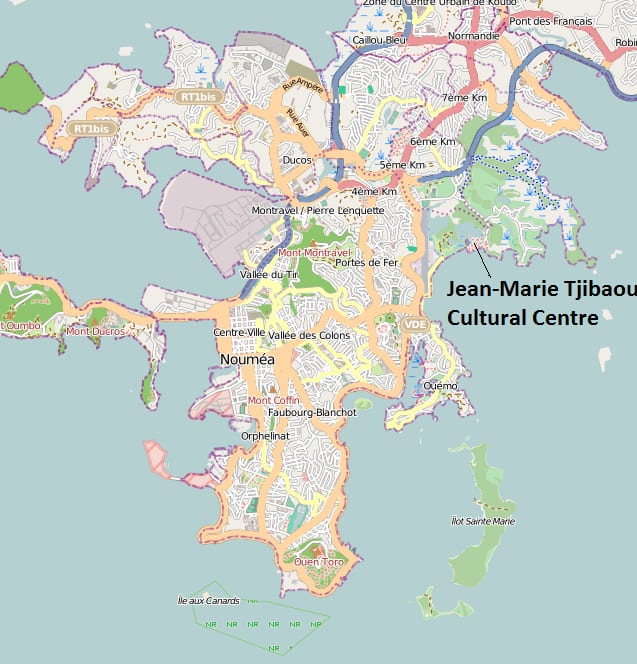
Through the early 1980s land occupations, killings and boycotts escalated between the pro-independence FLNKS, led by Jean-Marie Tjibaou, and loyalist settlers. The worst period, 1984–88, known as "les Événements", included the killing of ten Kanak in an ambush at Hienghène and a 1988 hostage siege on Ouvéa that ended with 19 Kanak and two soldiers dead. Weeks later the Matignon Accords brought a truce, regional autonomy and a promised referendum. In 1989 Tjibaou was assassinated by a Kanak radical who rejected the deal. The 1998 Nouméa Accord went further: a gradual transfer of powers, a restricted electoral roll, recognition of Kanak identity, and up to three referendums on independence.
New Caledonia now
The referendums were held in 2018, 2020 and 2021. The first two rejected independence by narrowing margins (57–43 then 53–47); the third, in December 2021, was boycotted by the FLNKS after France refused to postpone it during a Covid wave that hit Kanak communities hard, and produced a 96 per cent "no" on low turnout that independence leaders reject as illegitimate. A 2024 French move to enlarge the electorate — adding recent arrivals the Kanak fear would permanently outvote them — set off riots in Nouméa that killed more than a dozen people and wrecked much of the city's economy. The territory's status remains unsettled.
What New Caledonia carries
New Caledonia is the unfinished business of French decolonisation: a settler colony where the founding population was dispossessed, outnumbered and only lately given equal rights, and where the vote itself — who counts as belonging — is the core of the dispute. Three referendums were meant to settle the independence question. The disagreement over whether the third one counts is a sign that they did not.