History · Namibia
Namibia: The Desert and the Genocide
A vast, dry, thinly peopled land — Germany's main settler colony, the site of the 20th century's first genocide, then 75 years of South African rule and a long war for independence
By Worldlore Editorial · 10 September 2026
A big, empty, unequal country
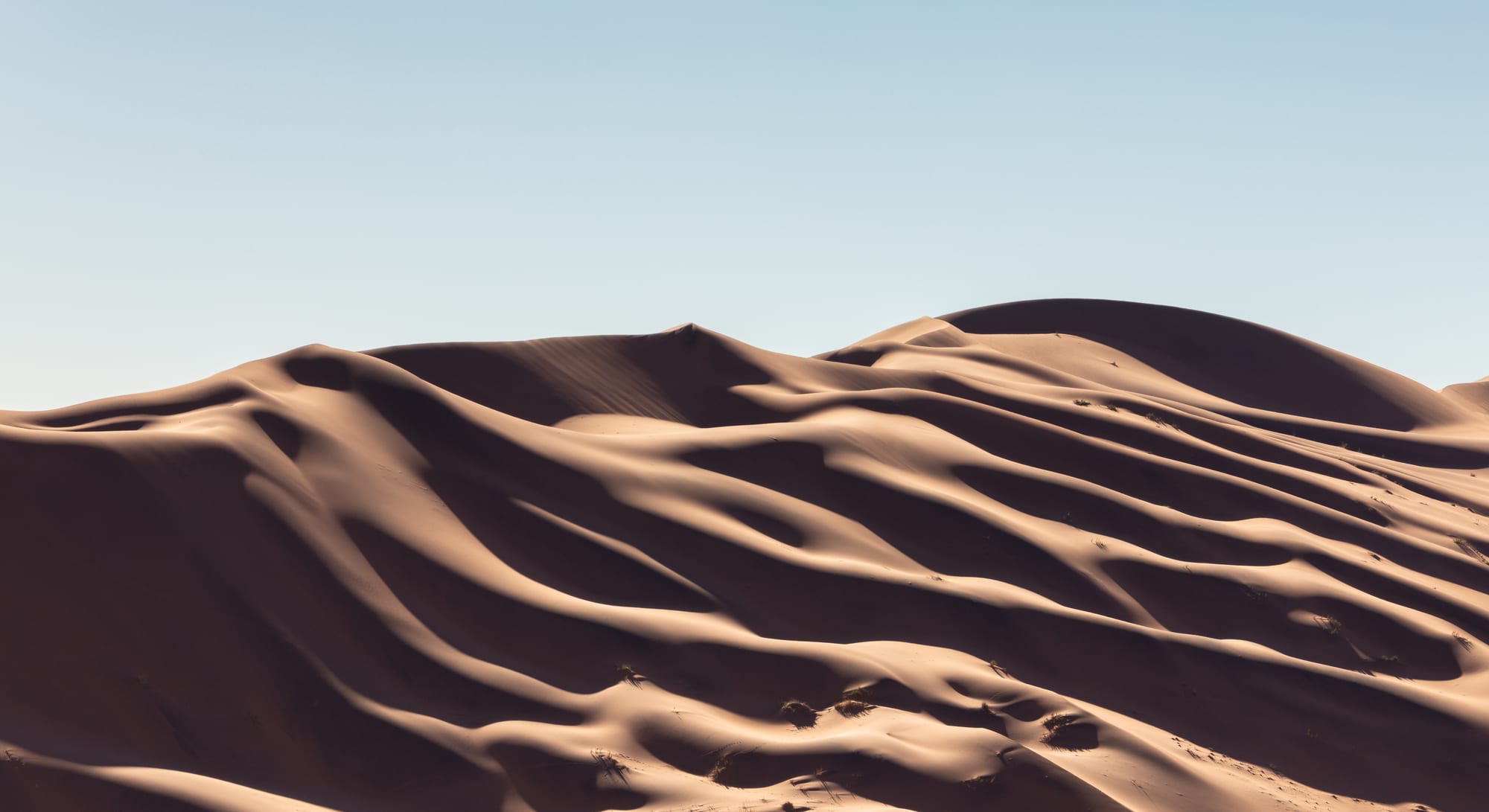
Namibia is a large country on the south-west African coast — most of it the Namib and Kalahari deserts — with only about 2.6 million people. English is the sole official language, chosen at independence so as not to favour Afrikaans, German or any local tongue. It is rich in diamonds and uranium, and it is one of the most unequal societies on Earth, a direct legacy of the German and South African colonial periods. Its history carries a distinction it did not want: it was the site of the first genocide of the 20th century.
A short history
- deep past
The San
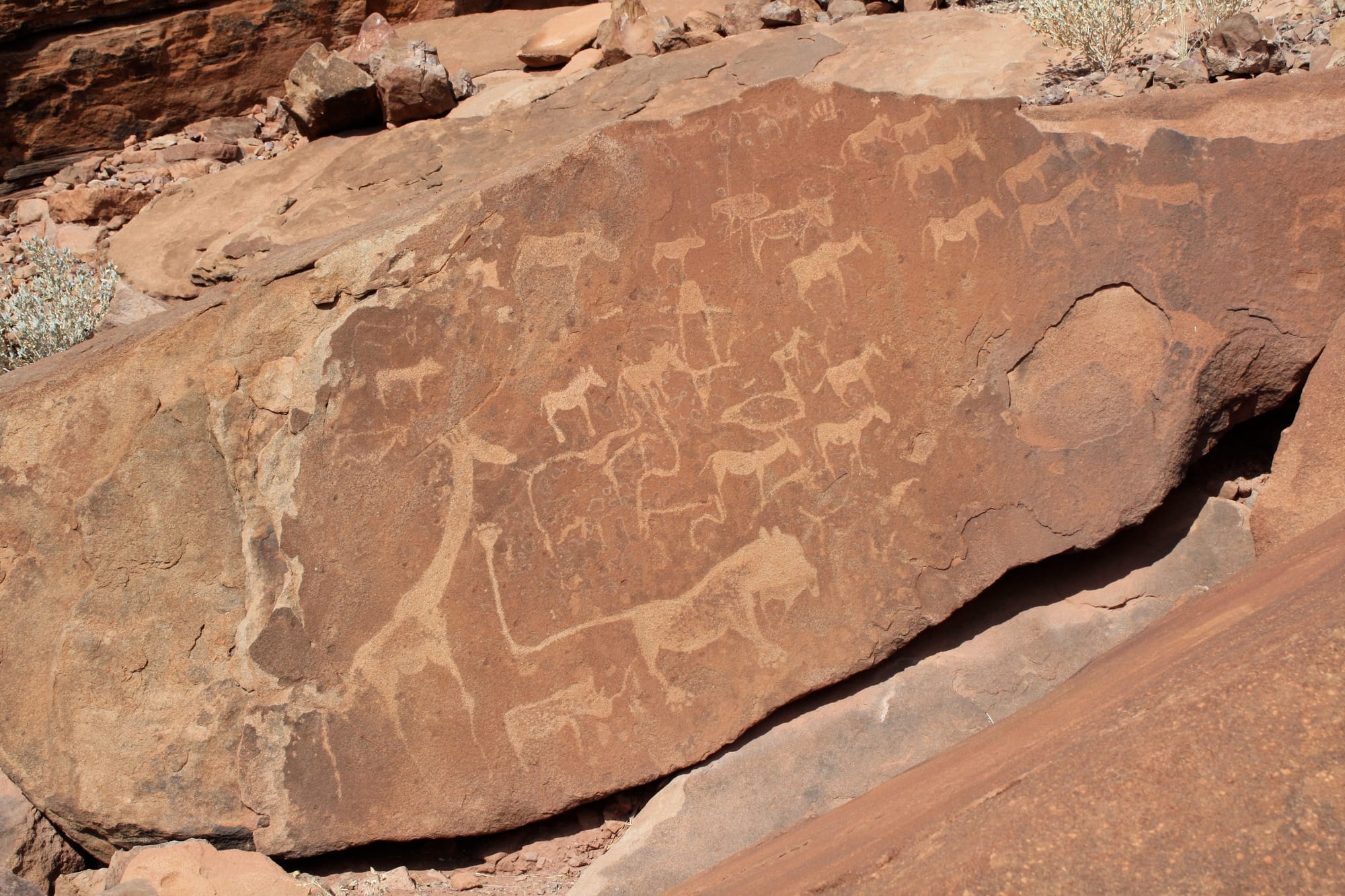
Among the oldest continuous populations on Earth; rock art at Twyfelfontein.
- last 1,000 years
Bantu migrations
Ovambo, Herero and Kavango herders and farmers move in.
- 1884
German South West Africa
Germany's first and largest colony.
- 1904–1908
The genocide
Germany kills up to 80% of the Herero and half the Nama.
- 1915
South African conquest
South Africa takes the territory in the First World War.
- 1920
The Mandate
South Africa administers it, and later extends apartheid.
- 1966
The liberation war
SWAPO launches an armed struggle.
- 1990
Independence
Namibia becomes sovereign under Sam Nujoma.
Before the Germans
The San are among the oldest peoples in the world, and the rock engravings at Twyfelfontein record thousands of years of their presence.
The 19th century saw intense warfare on the central highlands, as gun- and horse-equipped groups from the Cape fought the Herero for cattle and grazing land.
German South West Africa, and the genocide
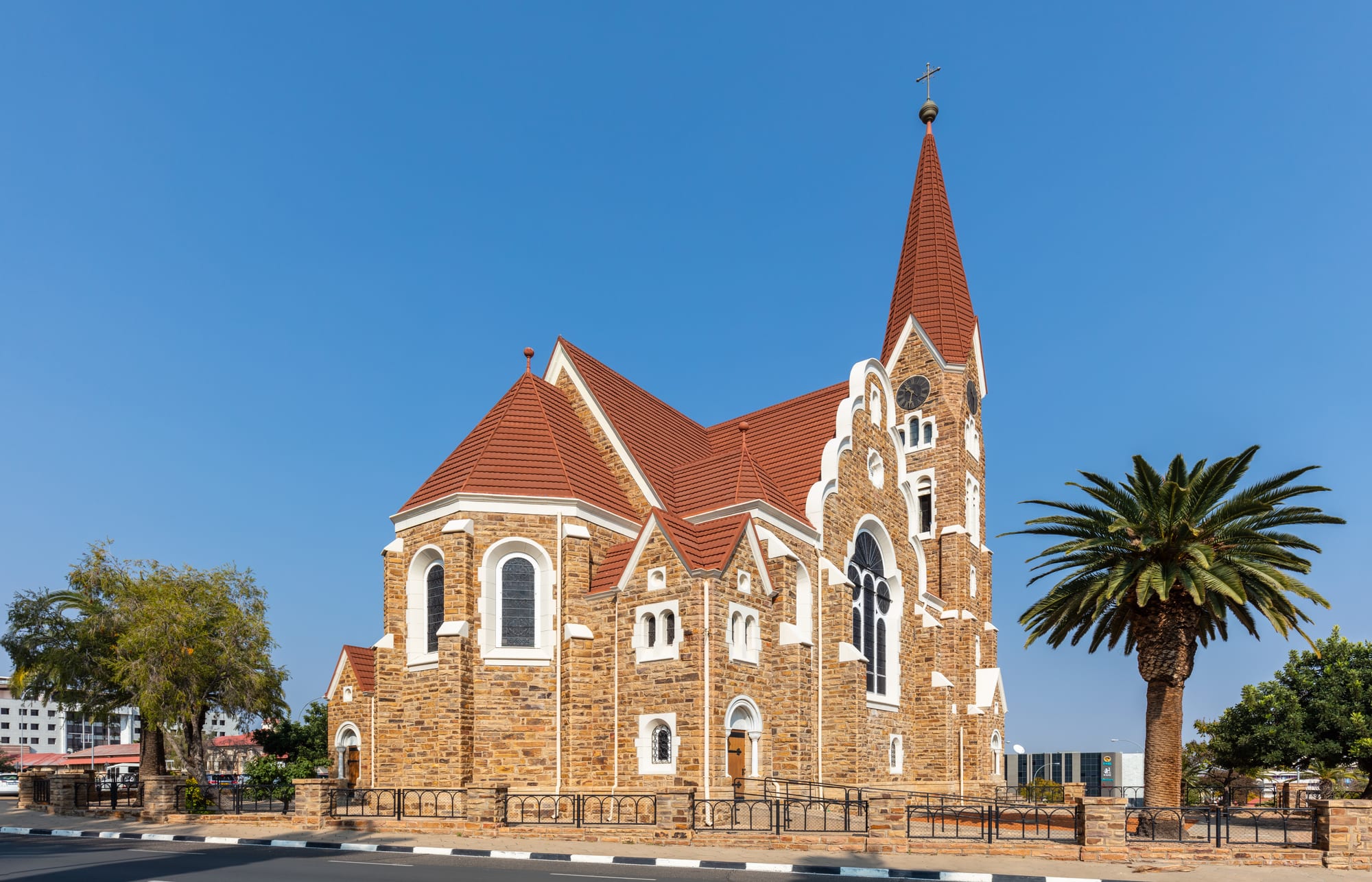
Germany declared a protectorate over the territory in 1884 — its first colony, and the one where it attempted serious settlement, with farms, a railway and, from 1908, diamond fields. It broke African independence through land seizure and the rinderpest cattle plague.
The colony
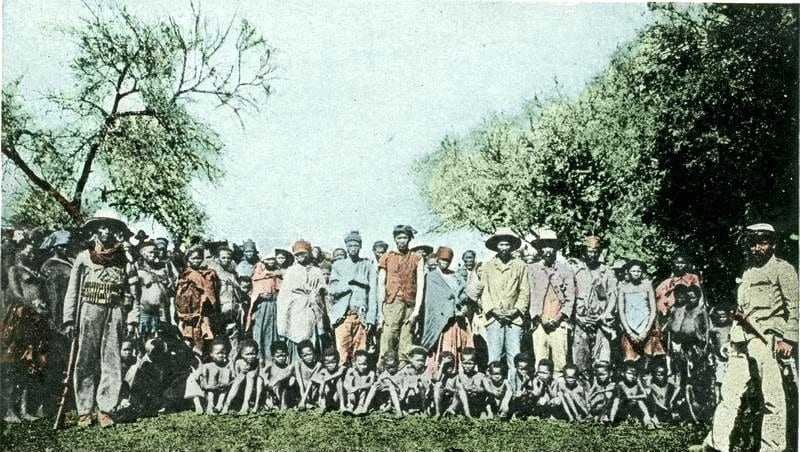
Between 1904 and 1908, an estimated 65,000 to 80,000 Herero — up to 80 per cent of the people — and around 10,000 Nama died. German scientists took skulls home for "racial research". Germany formally acknowledged the genocide only in 2021, in a deal that many Herero and Nama groups rejected for excluding them from the talks.
South African rule
South African forces conquered the colony in 1915, and after the war South Africa was given it as a League of Nations mandate — which it treated as a fifth province, extending apartheid laws, white settlement and a hated migrant contract-labour system. When the UN revoked the mandate in 1966 and the International Court of Justice later ruled South Africa's presence illegal, South Africa simply stayed.
The liberation war, and independence
SWAPO, rooted in the Ovambo contract-workers' movement, launched an armed struggle in 1966. The war was fought mainly in the far north and from bases in Angola, merging into the wider regional conflict after 1975, with large South African cross-border raids. A UN plan for a ceasefire and supervised elections, agreed in 1978, was blocked for a decade until a US-brokered deal linked it to Cuban withdrawal from Angola.
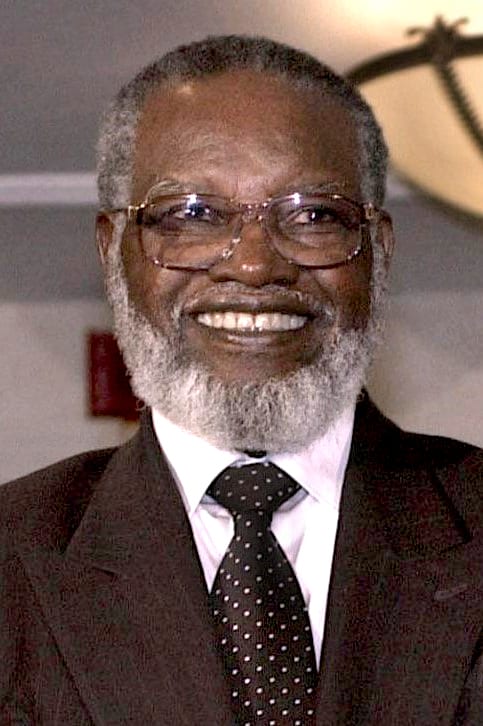
Elections in November 1989 produced a SWAPO-led constituent assembly, and Namibia became independent on 21 March 1990. Walvis Bay, kept by South Africa, was transferred in 1994. SWAPO has governed continuously since, usually with large majorities, over functioning courts and a free press; in 2025 Netumbo Nandi-Ndaitwah became the first woman president.
What Namibia carries
Namibia's inequality — one of the widest in the world — was built by two colonial regimes in succession: German settlers on seized land, then South African apartheid. The genocide of 1904–08 remains a live issue between Namibia and Germany. Independent Namibia has been stable, democratic and comparatively well governed, but the land question and the joblessness of a mineral economy that employs few people are the problems it has not solved — and new offshore oil finds are now raising the stakes.