Food · Namibia
Namibia: Food and the National Dish
A pearl millet porridge from the country's north, dried game meat from its deserts, and a genuine German brewing tradition left behind by colonial rule
By Worldlore Editorial · 16 September 2026
A vast, dry country with two very different food stories
Namibia's food reflects both its Indigenous Owambo and Herero farming and herding traditions and a genuine, still-visible German colonial legacy from the late 19th and early 20th centuries. Those two threads, rather than a single unified national cuisine, define what Namibians actually eat, from millet porridge in the rural north to bratwurst and beer in Windhoek.
The everyday staple: mahangu porridge
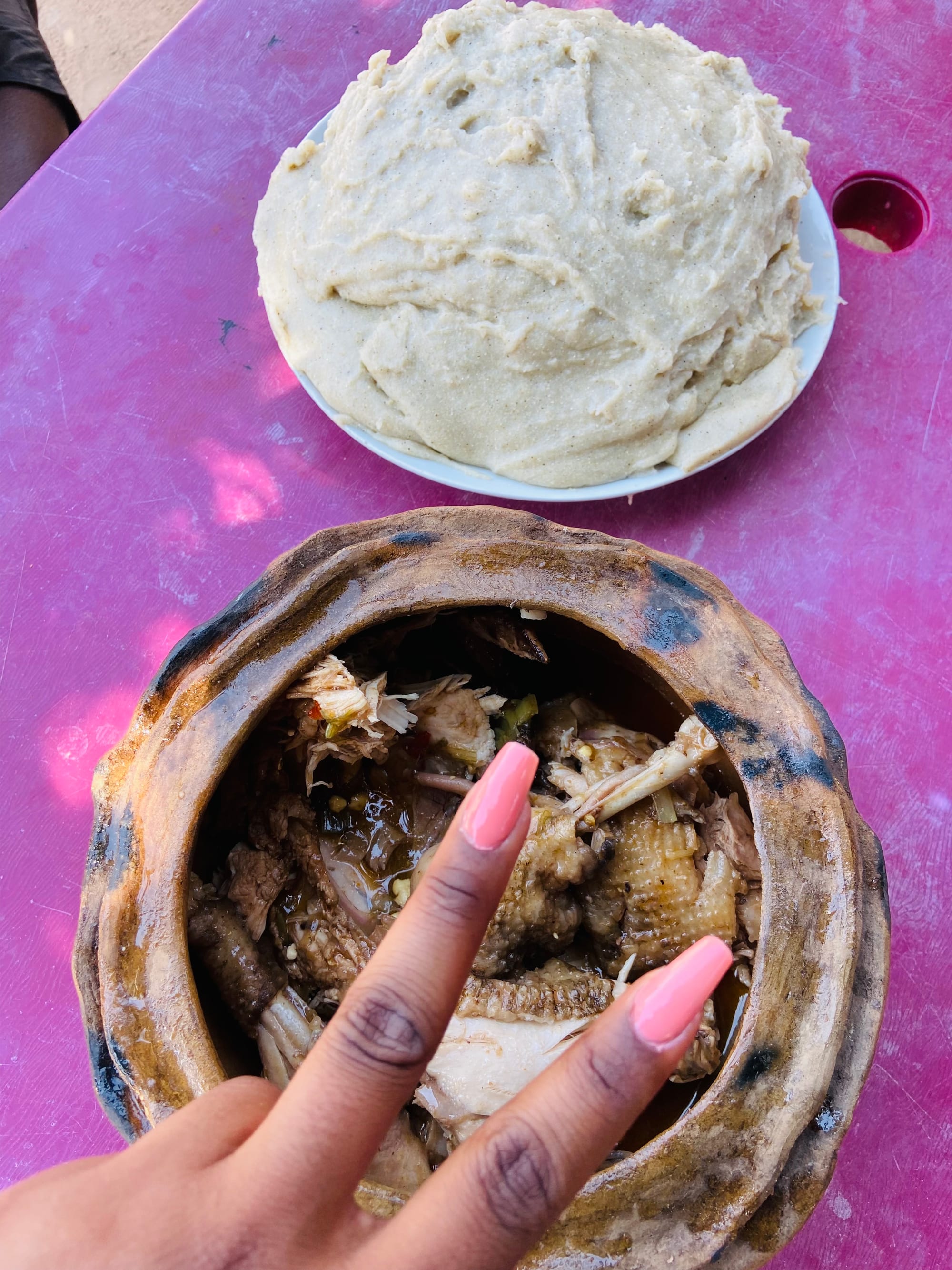
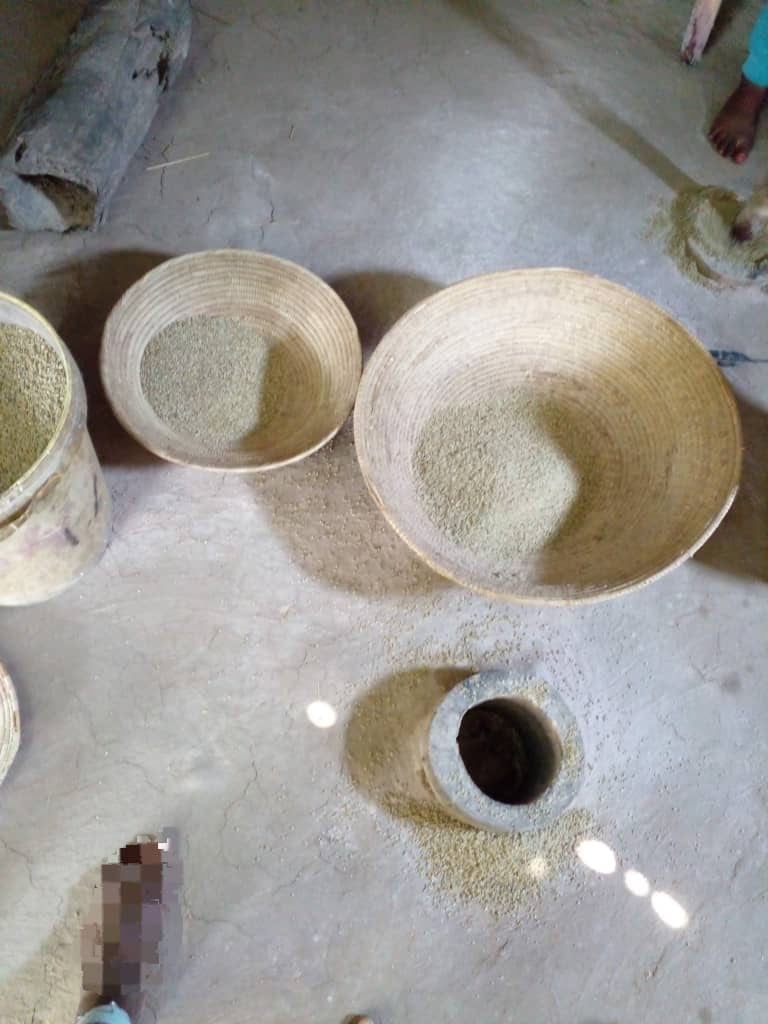
Mahangu, pearl millet grown widely across northern Namibia, is pounded by hand and cooked into a thick porridge that forms the everyday staple for the country's Owambo-speaking population, the largest ethnic group in Namibia. Served with a meat, vegetable or milk-based relish, mahangu porridge is genuine daily food for a large share of the country rather than a rural curiosity.
Game meat, biltong and a German layer
Namibia's arid landscape supports extensive game farming, and meat from oryx (gemsbok), kudu and springbok appears regularly on Namibian tables, often dried into biltong, a well-seasoned cured meat shared with South Africa but genuinely significant here given how much game the country produces. German colonial rule left its own mark too, visible in Windhoek's bakeries, sausages and a brewing tradition that still follows the German beer purity law.
History behind the two traditions
Namibia's Indigenous farming and herding traditions, particularly among the Owambo in the north and Herero further south, predate colonial rule by centuries and remain the basis of everyday food for most of the population. German colonial administration from 1884 to the First World War introduced baking, sausage-making and brewing traditions that outlasted the colonial period itself, followed by decades of South African administration that added its own braai (barbecue) culture on top.
Dishes to know
Five more to recognise across Namibia:
- Biltong — dried, cured meat, often made from game like oryx or kudu,
a widely loved Namibian snack.
- Potjiekos — a slow-cooked stew made in a round cast-iron pot, shared
with South Africa's braai culture.
- Oshifima — another name used for mahangu porridge in parts of
northern Namibia.
- Bratwurst and German bread — a direct, everyday legacy of German
colonial-era baking and butchery in Windhoek.
- Kapana — grilled street meat, sold from open-air stalls and a
genuinely popular everyday food in Namibian towns.
Drinks
Windhoek Lager, brewed following the German purity standard, is Namibia's best-known beer and a genuine point of national pride. Amarula, a cream liqueur made from the fruit of the marula tree, and coffee, reflecting broader Southern African habits, round out the country's drinking traditions.
Eating as a traveller
Vegetarians will find mahangu porridge and vegetable relishes manageable in the north, though game meat and biltong are central to much of Namibia's food identity elsewhere. Tap water is generally safe in Windhoek and larger towns. Trying kapana from a street stall in Windhoek's Single Quarters market is a genuine, widely recommended way to experience everyday Namibian food.
What to take from the table
Mahangu porridge is the meal that anchors everyday life for most Namibians, while a strip of biltong and a cold Windhoek Lager show the other half of the country's food story — one shaped as much by German colonial rule as by the land itself.