Attractions & Natural Wonders · Namibia
Namibia: Seven Attractions and Natural Wonders
The oldest desert on earth, dead trees standing in a bone-white clay pan, one of Africa's great wildlife parks built around a salt pan, and a coastline littered with shipwrecks called the Skeleton Coast
By Worldlore Editorial · 19 September 2026

Empty space and enormous skies
Namibia, in southwestern Africa, is one of the least densely populated countries on earth — about 2.6 million people spread across a territory twice the size of Germany, most of it desert or semi-desert. The Namib, running the length of its Atlantic coast, is thought to be the oldest desert in the world, and the country's German colonial history, wildlife parks, and dramatic, empty landscapes have made it one of Africa's premier self-drive safari destinations.
The seven below run from the southern canyon through the central desert to the northern wildlife parks. The dry season (May to October) is best for wildlife viewing; the desert can be visited year-round, though summer days are extremely hot.
1. Sossusvlei and Deadvlei
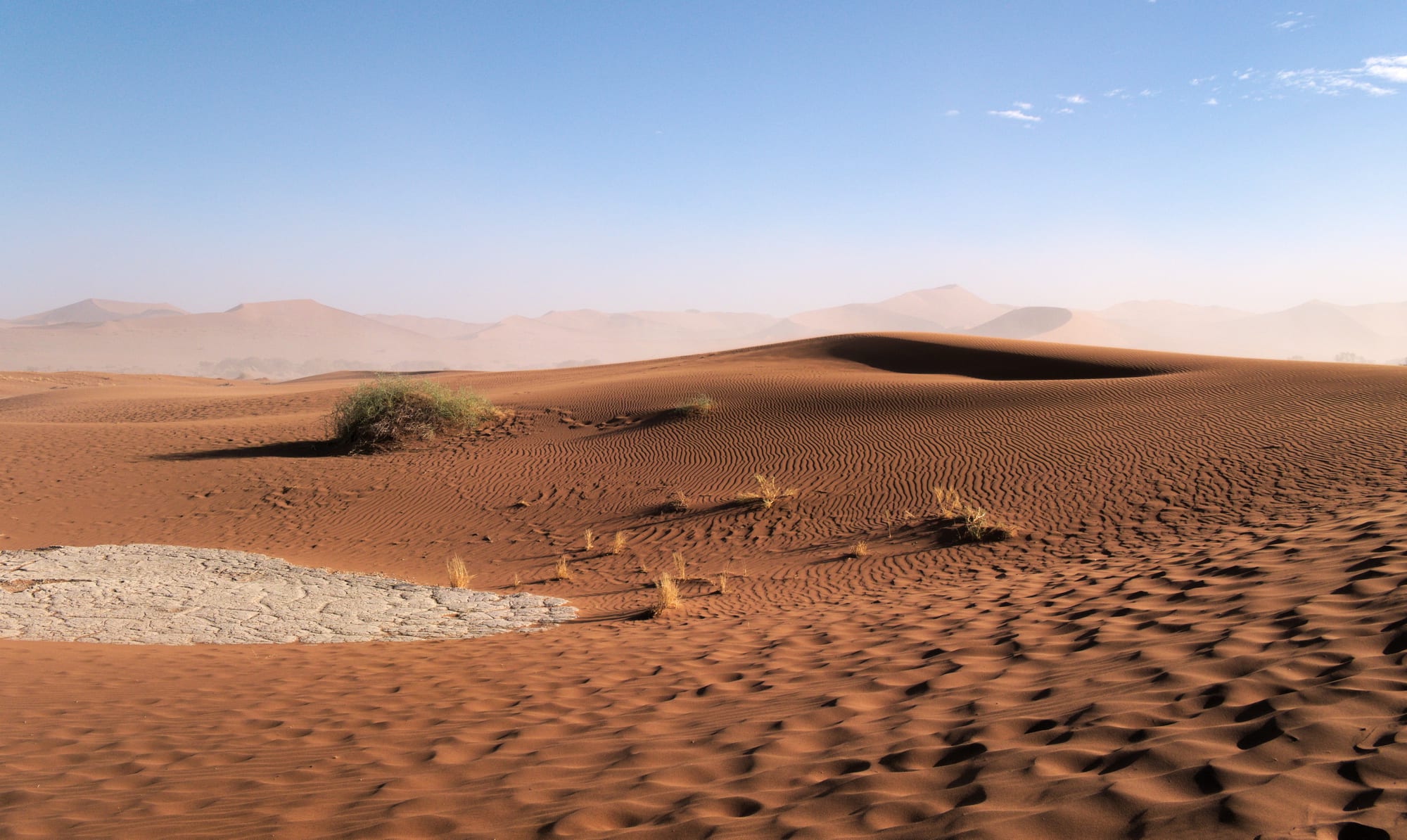
Sossusvlei, in the Namib-Naukluft park, is a salt-and-clay pan surrounded by star-shaped red dunes rising up to 325 metres — among the tallest in the world, coloured by iron oxide and deepening in hue with age. A short walk away, Deadvlei holds the skeletons of 900-year-old camel thorn trees, preserved by the arid climate in a blindingly white clay pan, an image that has become one of the most recognisable in African landscape photography. Both sit within the Namib Sand Sea, a UNESCO World Heritage Site.
Sunrise is the best time, both for the light on the dunes and to beat the midday heat on the walk in.
2. Etosha National Park
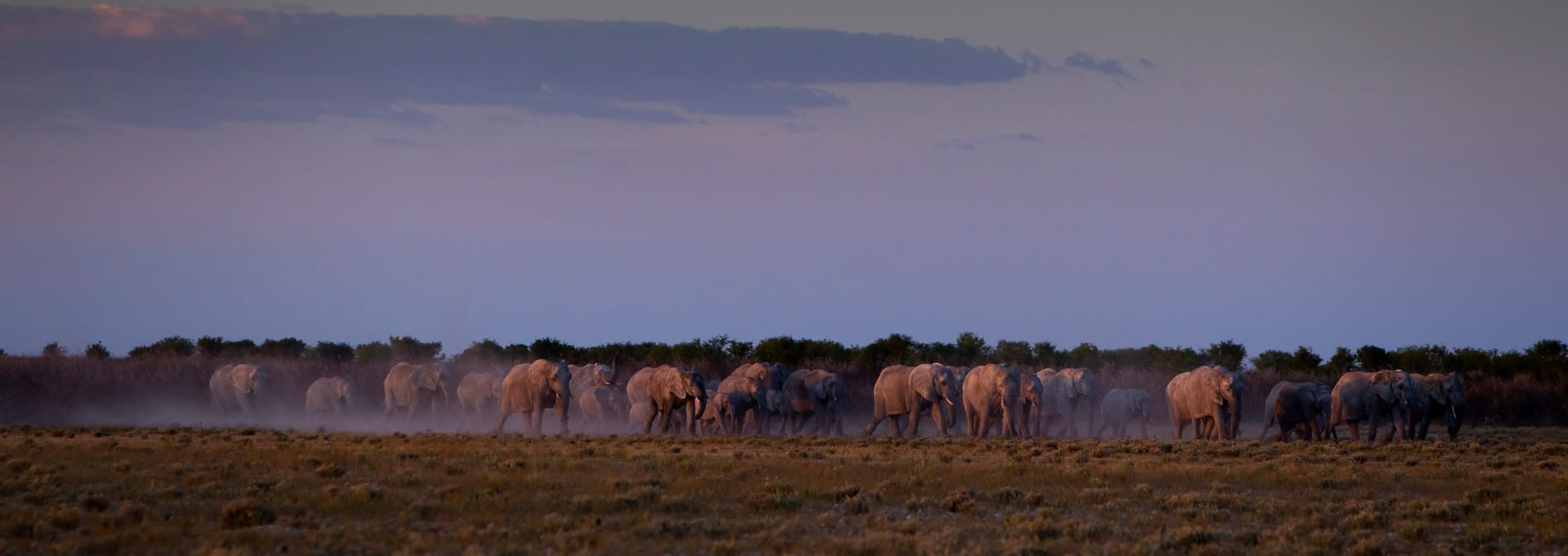
Etosha, in the north, is built around a vast, shimmering salt pan visible from space, ringed by savanna and mopane woodland where waterholes concentrate wildlife into some of the most reliable, self-drive-friendly game viewing in Africa — elephant, lion, rhino (both black and white), giraffe, and huge herds of springbok and zebra. Floodlit waterholes at several rest camps allow night viewing without leaving your seat.
It is one of the few major African parks well suited to independent driving rather than a guided safari.
3. The Fish River Canyon
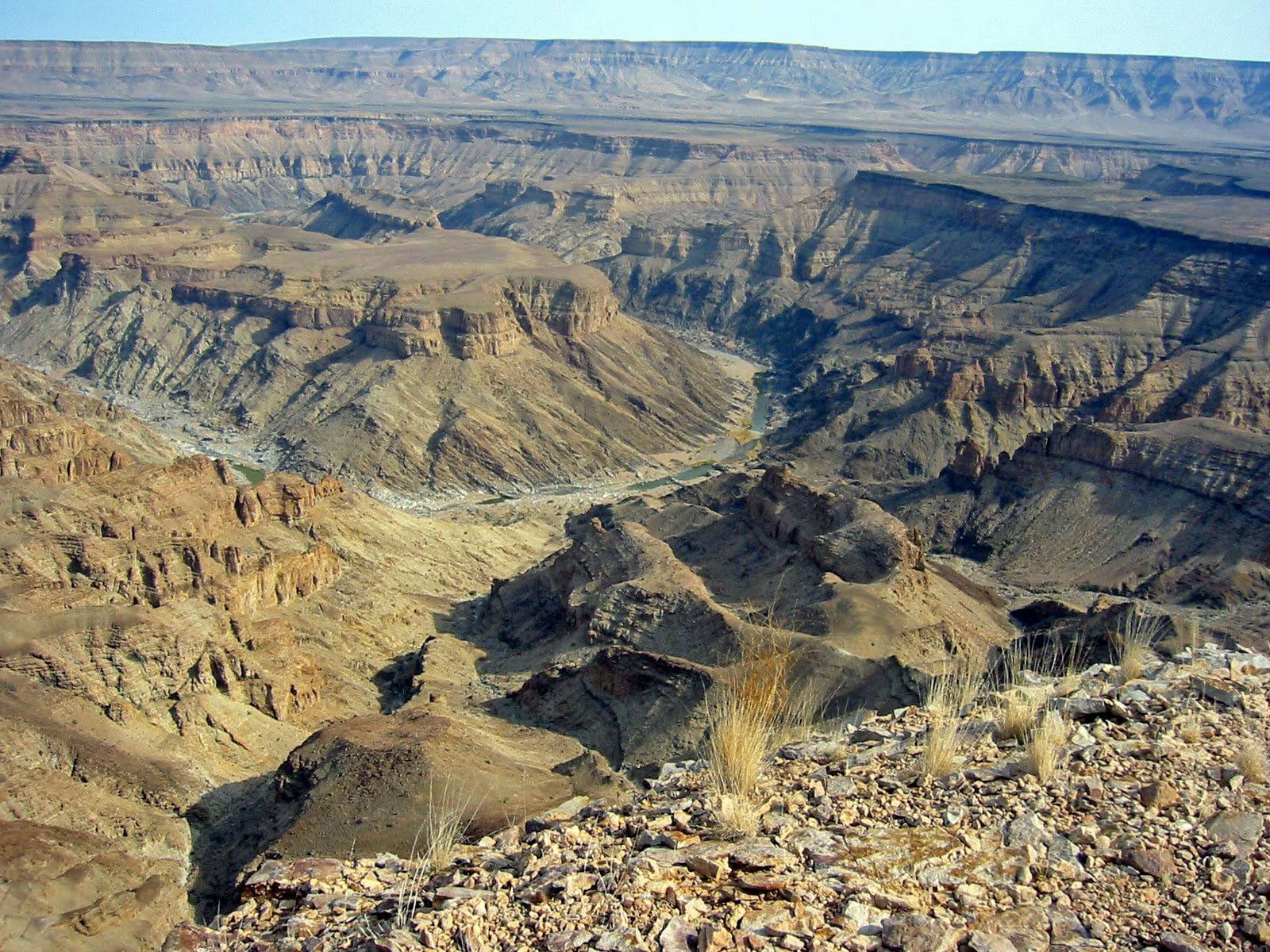
The Fish River Canyon, up to 27 kilometres wide and 550 metres deep, is generally cited as the second-largest canyon in the world by size, carved over hundreds of millions of years. The Hobas viewpoint gives a sweeping overlook reachable by car; a demanding 85-kilometre, five-day hiking trail runs the length of the canyon floor for those properly equipped, open only in the cooler winter months.
Ai-Ais hot springs, at the canyon's southern end, is the traditional finish for the multi-day hike.
4. Swakopmund
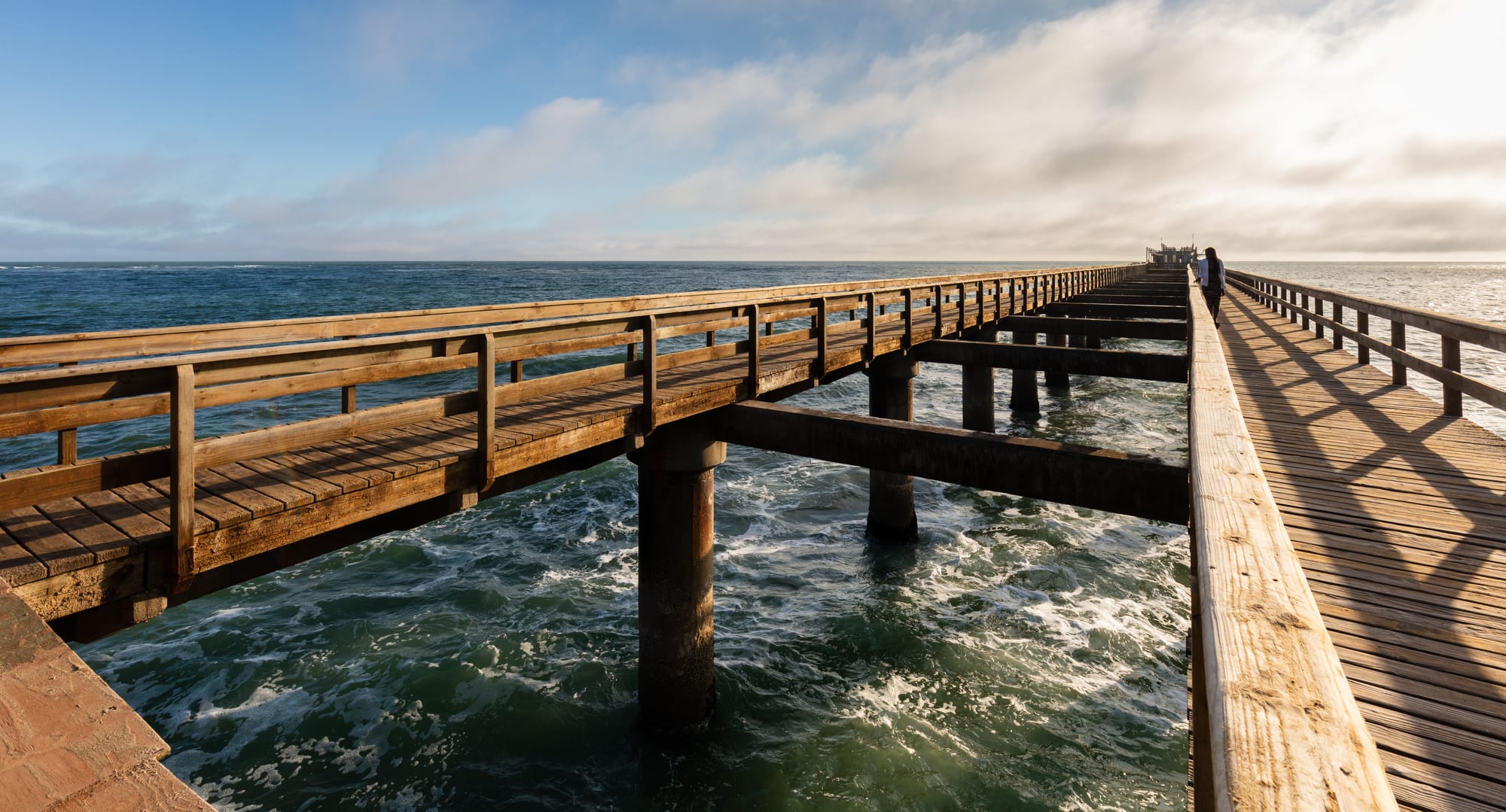
Swakopmund, on the coast where the Namib Desert meets the cold Atlantic, keeps a strikingly preserved German colonial townscape — half-timbered buildings, a working jetty, and a strong café culture — alongside a modern reputation as Namibia's adventure-sports hub, with sandboarding, quad-biking, and skydiving over the dunes that run right to the edge of town.
Fog rolling in off the cold Benguela current gives the town a distinctive, often eerie, atmosphere.
5. The Skeleton Coast
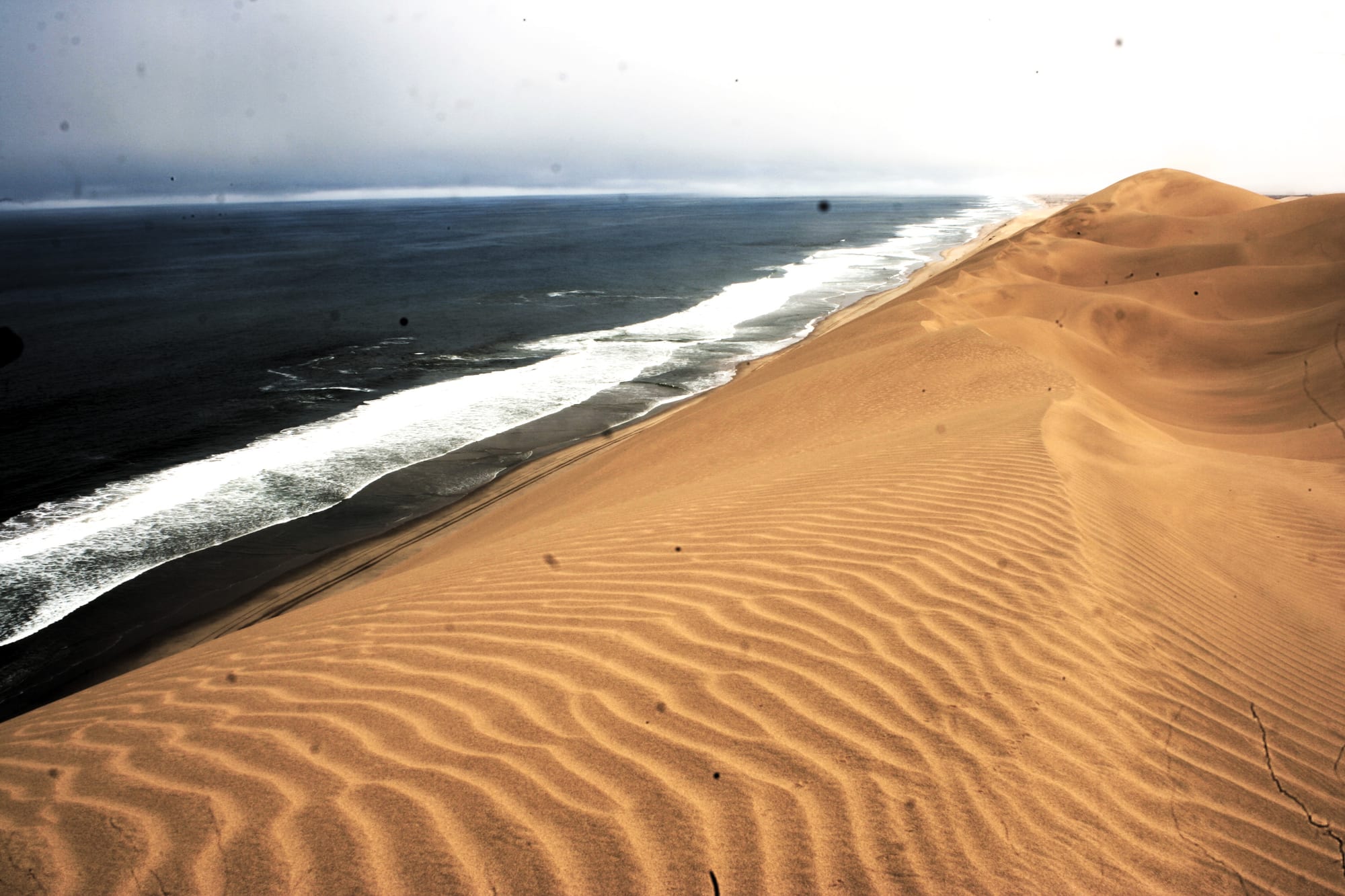
North of Swakopmund, the Skeleton Coast takes its ominous name from the shipwrecks stranded on its fog-bound, current-swept shore, and from the whale and seal bones once left by whalers — early Portuguese sailors reportedly called it "The Gates of Hell". It remains desolate and thinly visited, a landscape of towering dunes meeting cold surf, seal colonies at Cape Cross, and, further north, a stark, otherworldly wilderness accessible mainly by fly-in safari.
The southern section is reachable by 4x4 from Swakopmund; the far north requires a specialist operator.
6. The Himba of Kaokoland
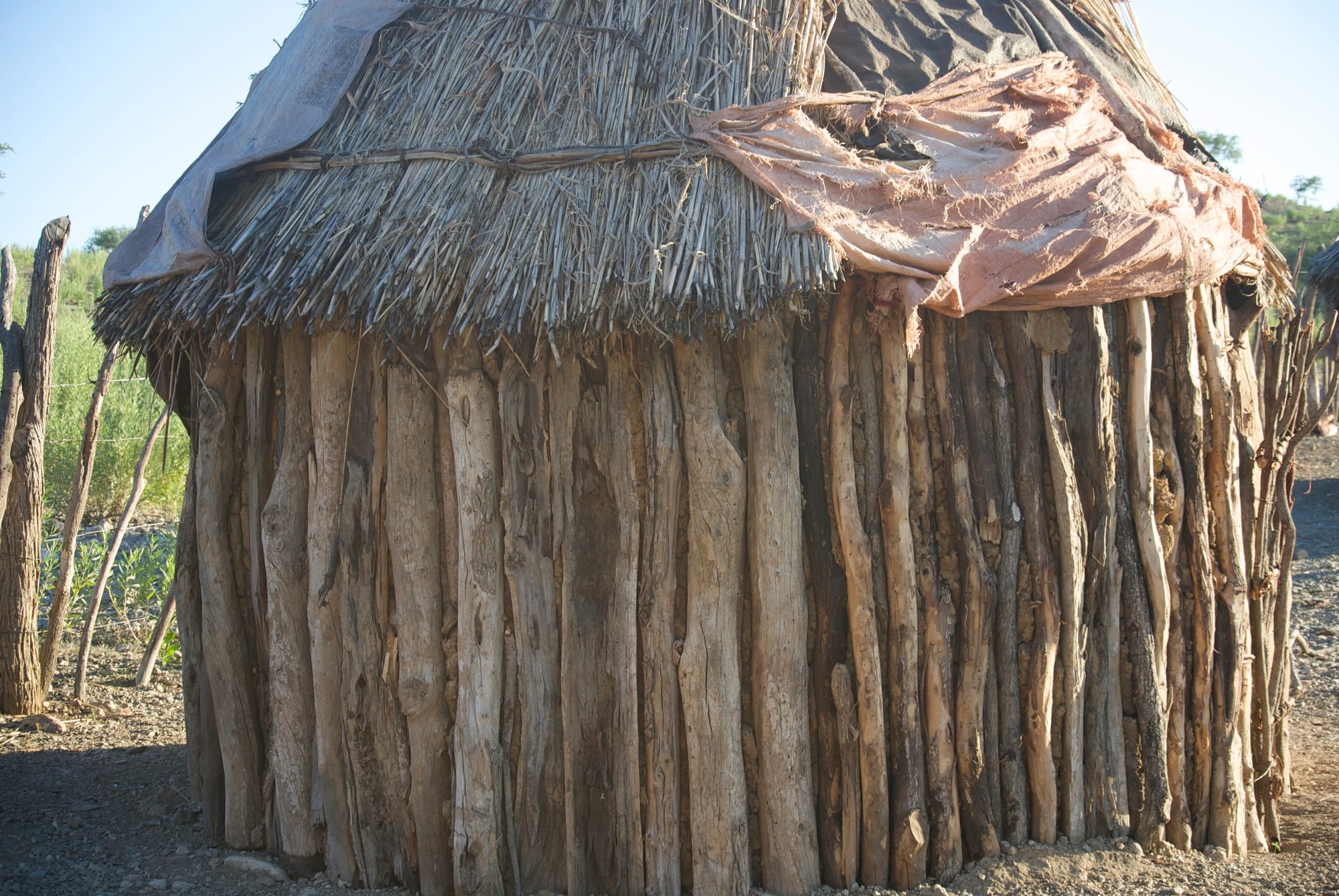
Kaokoland, in the remote northwest, is home to the semi-nomadic Himba people, who have maintained a distinctive pastoralist way of life and appearance — women cover their skin and elaborately braided hair in otjize, a mixture of red ochre and butterfat, both for sun protection and as a cultural marker of beauty and status. Respectful visits, usually arranged through a guide with community permission, offer a rare look at one of Africa's most visibly distinct traditional cultures, alongside the region's dramatic mountain and desert scenery.
This is one of Namibia's most rugged, least-developed regions, best visited with an experienced operator.
7. Spitzkoppe
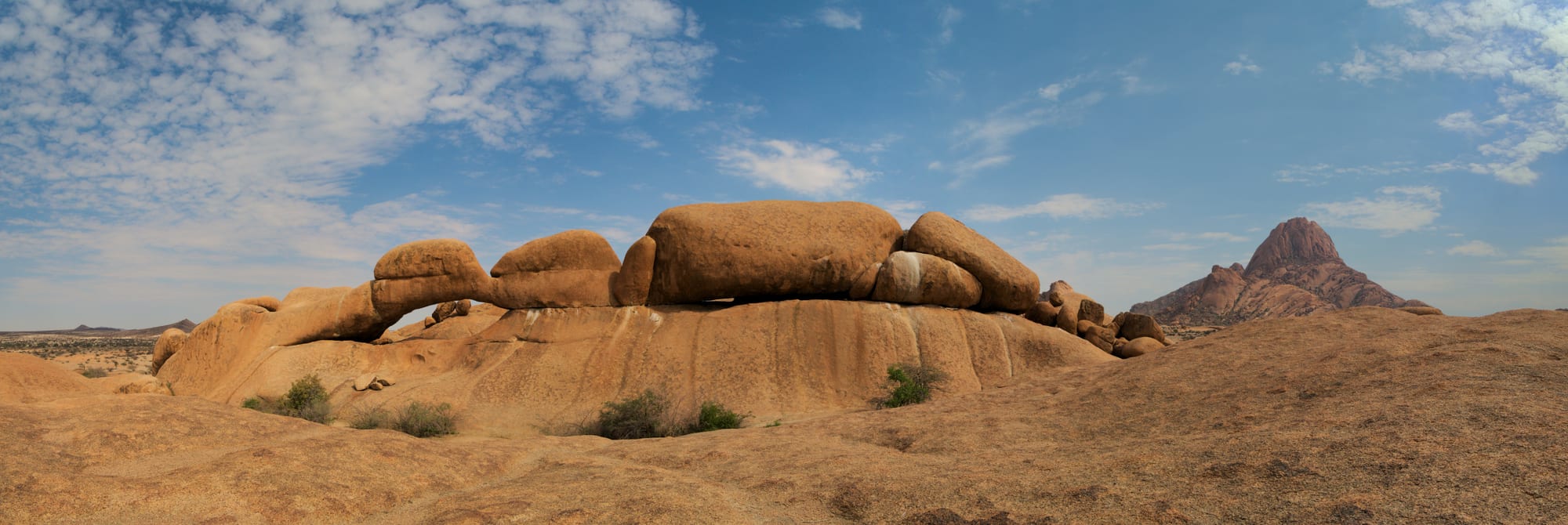
Spitzkoppe, a group of bare granite peaks rising abruptly from the flat desert plain, is sometimes called the "Matterhorn of Namibia" for its sharp profile, and is a popular rock-climbing and camping destination with ancient San rock art in several overhangs, including the well-known "Bushman's Paradise" site. Sunset and sunrise, with the granite glowing orange against the desert, are the best times to be there.
Basic campsites at the base let visitors stay overnight among the rocks.
Namibia is built for a self-drive road trip: a classic two-week loop links Sossusvlei, Swakopmund, Etosha, and the return south, with detours to Spitzkoppe, the Fish River Canyon, or Kaokoland for those with more time.