Daily Life · Namibia
Namibia: A Day Measured in Kilometres
A household of around four spread across a country more than twice the size of Germany, children who board at a school hostel during term, and a nation where the drive is as much a part of daily life as the destination
By Worldlore Editorial · 30 September 2026
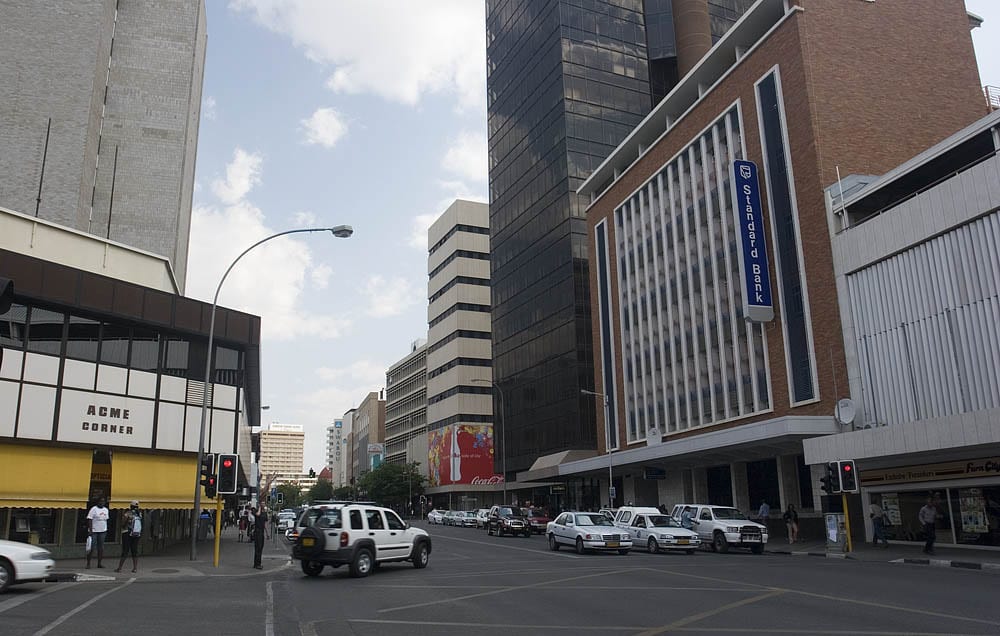
Namibia is one of the emptiest countries on Earth, and that single fact shapes an ordinary day more than almost anything else. Around three million people live across a country more than twice the size of Germany, so distance, not the clock, is often what actually organises a household's routine: how far to the nearest shop, the nearest clinic, the nearest school. In Windhoek and the handful of other towns, life runs on a familiar urban rhythm of offices, traffic and shopping malls. Away from them, in the communal farming areas of the north or the ranchland further south, the day is set by cattle, rain and the school run, and a family's various members are often not all under one roof at the same time.
Family and home life
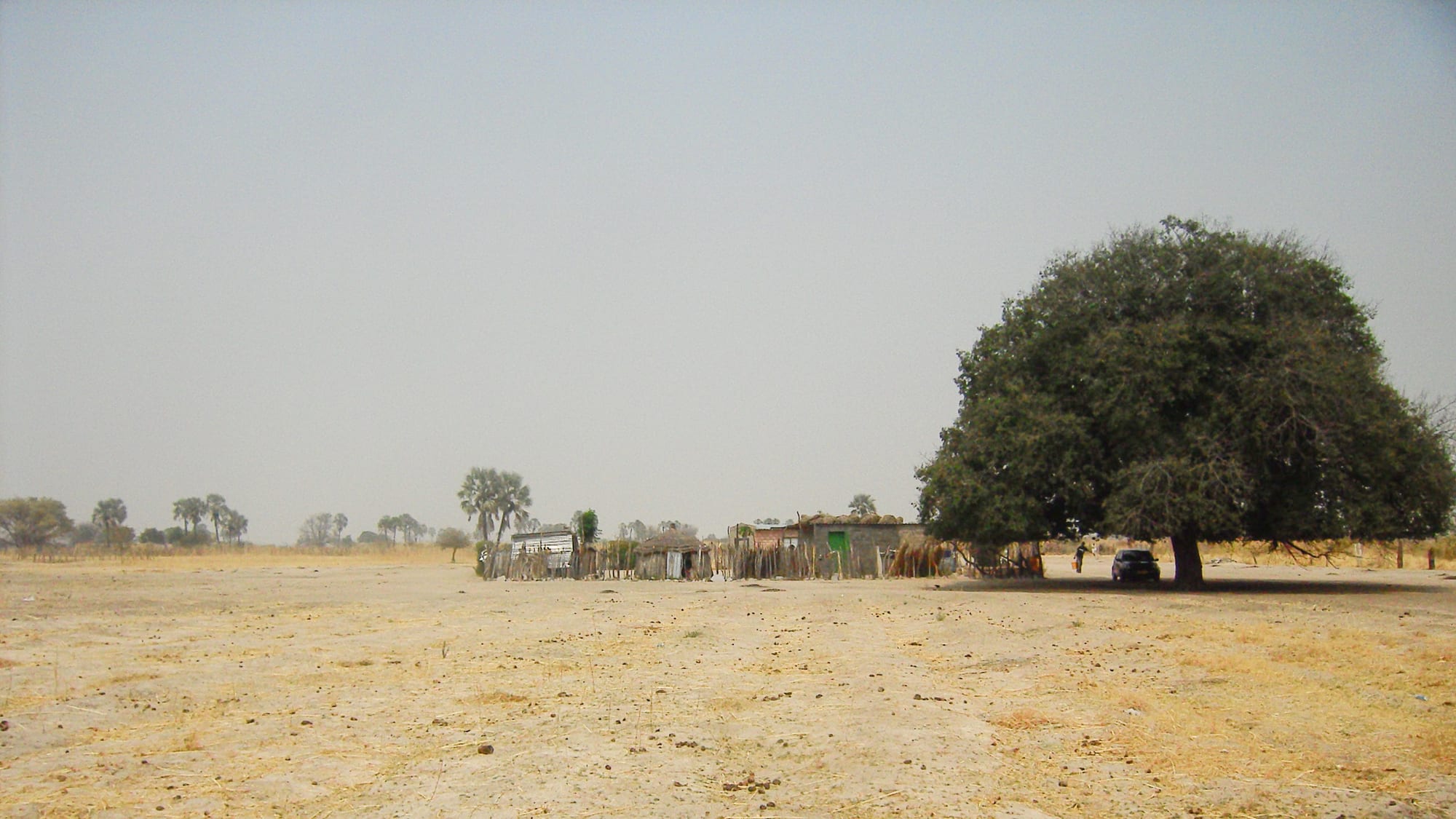
The 2023 census put the average Namibian household at 3.8 people, down from 4.4 in 2011 as more people move to towns. Rural households still tend to run larger than urban ones, and it remains common for grandparents, aunts and cousins to help raise children, particularly where parents have moved away for work. Namibia is ethnically varied, and household patterns differ by community: Owambo homesteads in the north are typically walled family compounds of several round or rectangular structures rather than a single house, Herero households are often centred on cattle kept nearby, and the semi-nomadic Himba of the remote Kunene region move their homesteads with the herd. About half the population now lives in an urban area, after the urban population grew by around two-thirds between 2011 and 2023, a shift that has outpaced housing in Windhoek and left informal settlements growing on the city's edges.
Work, school and the rhythm of the day
The standard working week is capped at 45 hours, usually spread over five or six days, and the law requires extra pay for work on a Sunday. Office and shop hours in Windhoek and the other towns follow a fairly conventional nine-to-five pattern, while farm work outside them runs with the daylight and the season instead. Namibia's low population density makes schooling itself a logistical exercise: many rural children live far enough from the nearest school that they board in a government hostel during term and go home only at weekends or holidays, a normal part of growing up rather than an exception, though demand for hostel places in the north regularly outstrips supply. The economy runs on mining, fishing off the cold Benguela coast, cattle ranching and tourism, and Namibia remains, by World Bank measures, one of the most unequal countries in the world, so the working day looks very different depending on which side of that gap a household sits.
Community life and public spaces
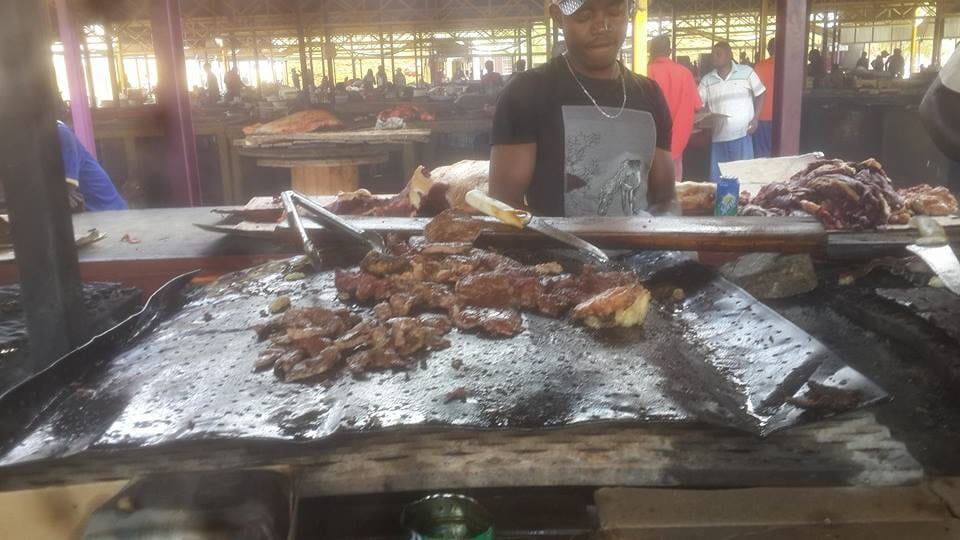
In Windhoek, the township of Katutura is the real centre of everyday public life, its streets filled with braai stands, hair salons, shebeens and the open-air kapana stalls where grilled beef is cooked to order and eaten standing up, a lunchtime habit for office workers and a constant one for locals with change in their pocket. Away from the capital, the trading store, the church and the cattle-post or borehole are the equivalent gathering points, and in a country with almost no public transport, the combi taxi rank is often the busiest spot in any town, since getting anywhere at all generally means finding a shared vehicle or driving yourself. Markets selling produce, secondhand clothes and household goods operate in most towns, usually open-air rather than under cover.
Free time and weekends
The braai, meat grilled outdoors over an open fire, is the default way to spend a free weekend afternoon nationwide, shared with family or friends regardless of income or background, alongside a cold Windhoek Lager or Tafel beer. Rugby and football draw big followings and are watched at home, in a bar or, when the national team plays, in public. Where distance and money allow, a weekend or a long weekend away, to the coast at Swakopmund or Walvis Bay, to a game park, or simply out of town, is a common escape from an otherwise car-bound routine, and church attendance on Sunday morning remains a significant part of the week for many Namibians in a country where around nine in ten people are Christian.
A visitor's ordinary day
Namibia is a self-drive country: there is almost no public transport outside the towns, and a hired vehicle, usually a 4x4 on gravel roads beyond the main highways, is how most visitors get around. Cards are widely accepted in Windhoek, Swakopmund and other towns, though cash, in Namibian dollars or South African rand, which circulates at par and is accepted everywhere, remains useful for fuel stops and small purchases in between. Shops in towns typically open by 8 or 9am and close by 6pm, earlier on Saturdays and often closed on Sundays outside the cities. Distances between towns are large by the standards of most countries, so fuel, phone signal and daylight all need to be planned around rather than assumed.
What to take away
More than any single custom, it is distance itself that shapes an ordinary day in Namibia — how far the school, the shop, the family or the livestock happen to be from home, and how much of daily life is built around covering that ground.