Food · Monaco
Monaco: Food and the National Dish
A small fried pastry filled with chard and ricotta, from a microstate whose food is really the food of the French Riviera it sits inside
By Worldlore Editorial · 16 September 2026
A microstate that eats like the coast around it
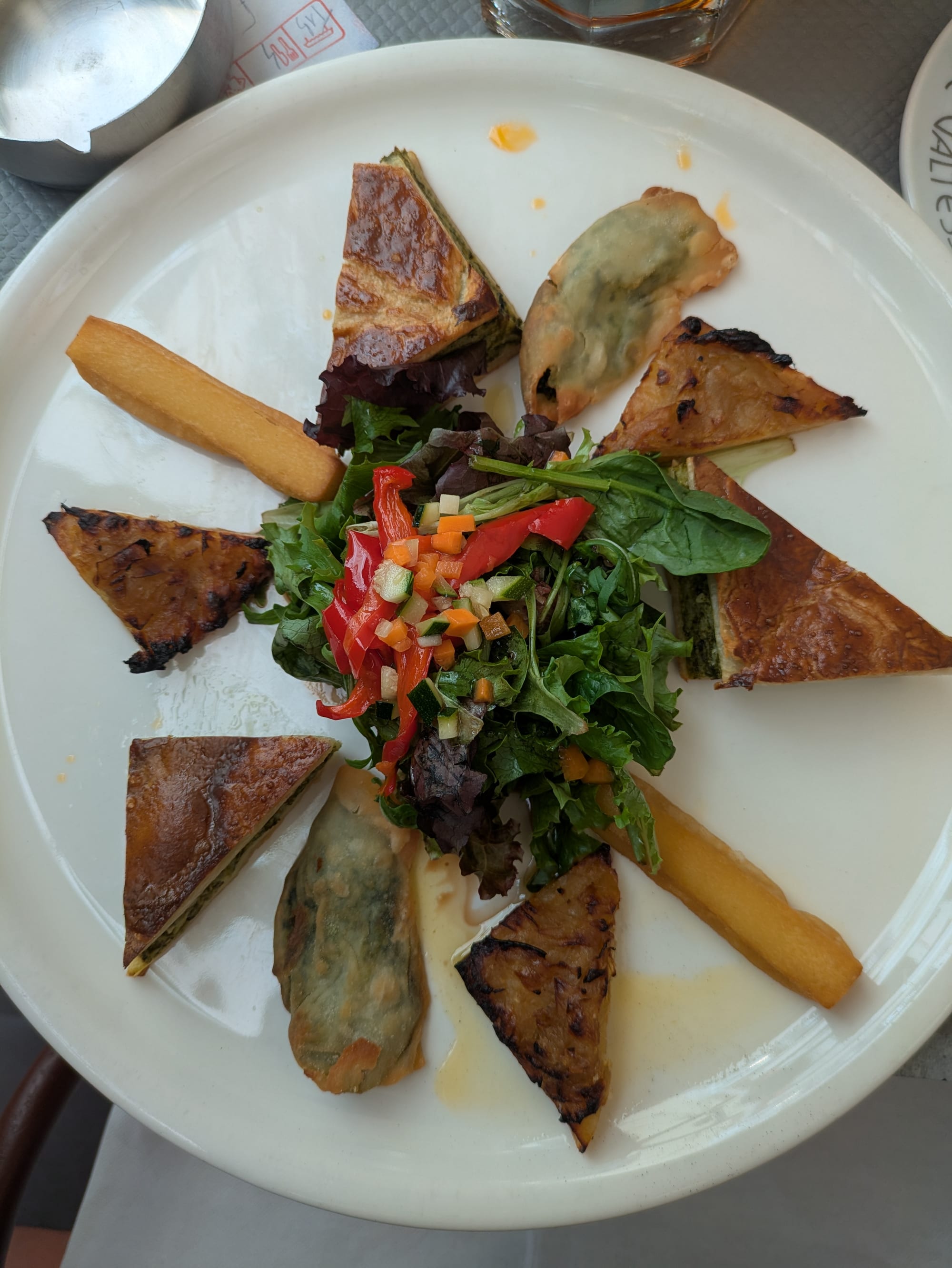
Monaco, one of the world's smallest countries, sits entirely embedded within the French Riviera near Nice, and its food reflects that geography directly: Monégasque cuisine is essentially Niçoise cooking carried across an unmarked border, sharing nearly every dish with the surrounding region rather than developing in isolation.
The national dish: barbajuan
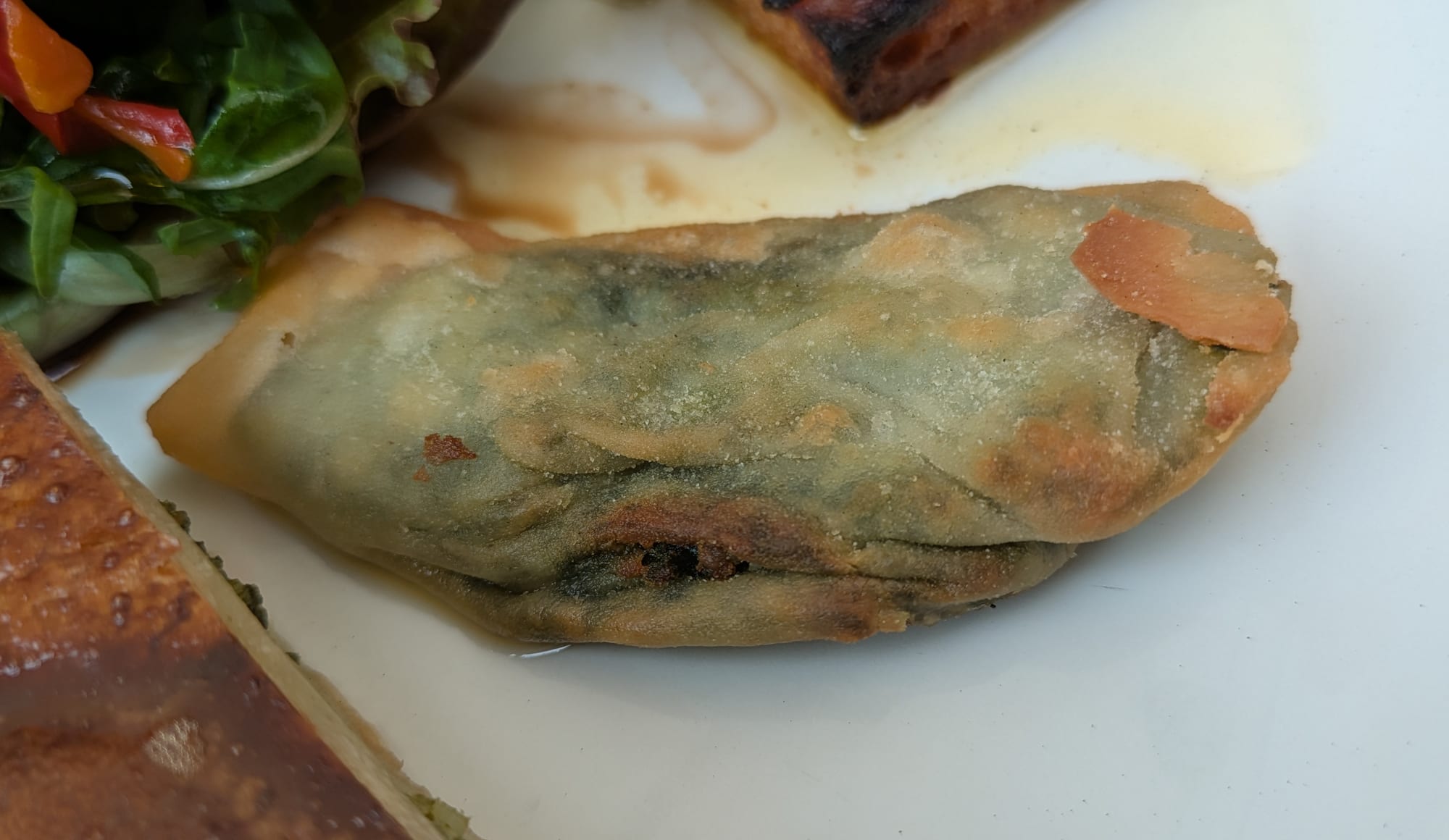
Barbajuan, small fried pastries filled with Swiss chard, ricotta or another soft cheese, and sometimes rice, is widely regarded as Monaco's national dish. Crisp on the outside and soft within, barbajuan is served as a starter or snack across Monaco and the wider region, treated in the principality itself as a genuine point of Monégasque culinary identity despite the dish's shared Niçoise roots.
Chard, olive oil and the Mediterranean pantry
Swiss chard, olive oil, chickpea flour and fresh vegetables anchor Monégasque cooking, reflecting the broader Mediterranean, Niçoise- influenced pantry of the surrounding coast. Socca, a thin chickpea-flour pancake, and pissaladière, a caramelised onion tart, are both eaten as readily in Monaco as in neighbouring Nice, underlining how closely tied the principality's food remains to its French surroundings.
History behind the shared cuisine
Monaco's food history is inseparable from that of the County of Nice, with which it shares deep historical, linguistic and culinary ties predating the modern borders that separate them today. That closeness is why so much "Monégasque" food, barbajuan included, is claimed just as readily on the Niçoise side of the border, a genuine shared heritage rather than a dispute over ownership.
Dishes to know
A few more dishes worth recognising in Monaco:
- Socca — a thin, savoury chickpea-flour pancake, cooked on a large
griddle and sold as street food.
- Pissaladière — a caramelised onion tart topped with olives and
anchovies, shared with the wider Niçoise coast.
- Panisses — fried chickpea-flour chips, a close relative of socca.
- Tourte — a savoury or sweet filled pastry, part of the traditional
Monégasque farandole assortment.
Drinks
French wine, given Monaco's location within the broader French wine market, is the default choice in most Monégasque restaurants. Coffee culture mirrors French habits closely, and the principality's café scene, especially around the harbour, reflects its Mediterranean setting as much as its wealth.
Eating as a traveller
Vegetarians will find socca, panisses and chard-based dishes manageable, since much of the Monégasque and Niçoise vegetable tradition doesn't rely on meat. Tap water is safe throughout the principality. Trying a full farandole monégasque, an assortment platter covering several small Monégasque specialties at once, is the most efficient way to sample the principality's food in one sitting.
What to take from the table
Barbajuan, crisp and simple, is the dish Monaco calls its own — even while sharing nearly everything else on the table with the French coast it sits inside.