Culture & Customs · Monaco
Monaco: Ceremony in Miniature
A Catholic principality with a patron saint, a prince and a calendar of old rituals, where a small community of citizens keeps its traditions alive among residents of more than a hundred nationalities
By Worldlore Editorial · 30 September 2026
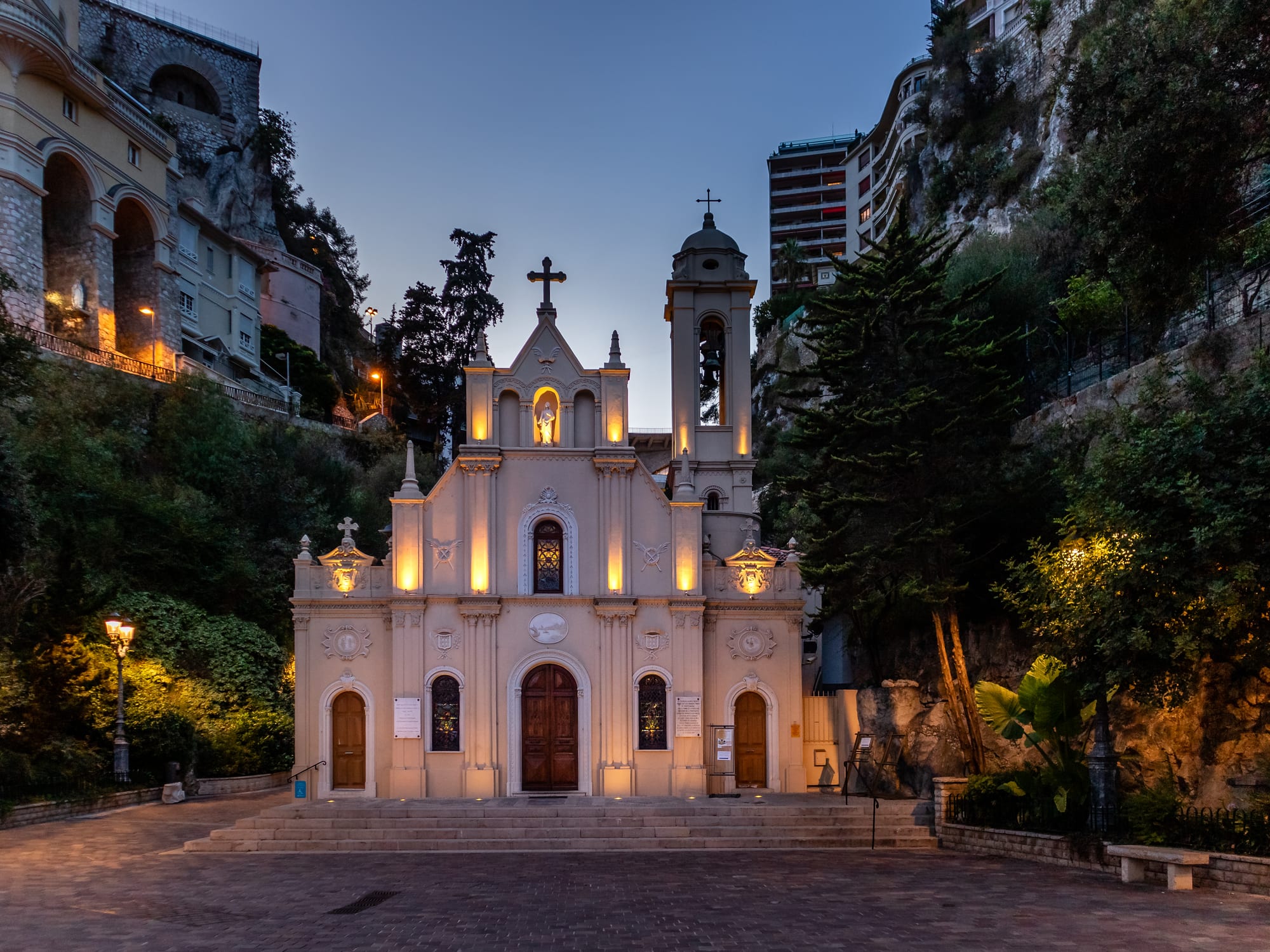
On a January evening, a small wooden boat sits on a pyre by the harbour. It is the eve of the feast of Sainte Dévote, Monaco's patron saint, whose celebrations include a mass in Monégasque, the old language of the principality, and the boat has been brought in procession to the waterside before her church. Then a member of the princely family steps forward and sets the boat alight. The flames recall a legend many centuries old, and the crowd that watches includes clergy, officials, old Monégasque families and newer residents from every corner of the world. It is a scene that captures Monaco well: a state of great wealth and international glamour that still organises its year around a saint, a prince and a set of rituals kept up with quiet, formal care.
Faith, identity and values
Monaco is one of the few countries in Europe with an official religion. Article 9 of its constitution states that the Catholic, Apostolic and Roman religion is the religion of the state, and much of the public calendar follows the Church: Ascension, Whit Monday, Corpus Christi, the Assumption, All Saints' Day and the Immaculate Conception are all public holidays. The same constitution guarantees freedom of worship, and no one may be compelled to take part in the rites of any religion or to observe its days of rest. In practice, the principality is home to people of many faiths and none, but the great state occasions still take place in church.
At the centre of Monaco's religious identity is Sainte Dévote, a young Christian from Corsica who, according to tradition, was martyred for her faith in the fourth century. Her body is said to have been carried by boat to Monaco's shore, and she has been the patron saint of the principality ever since. The princely coat of arms carries a religious note of its own: it shows two monks holding swords, beneath the motto Deo Juvante, "with God's help".
National identity in Monaco has an unusual shape. Only around a quarter of the population holds Monégasque citizenship, and the principality's residents represent well over a hundred nationalities, with French, Italian and British people the most numerous among them. The citizens form a small, close community, and much of what counts as Monégasque tradition is carried by them: the language, the folk songs, the religious feasts and a strong loyalty to the princely family. Alongside that sits a more general code shared by everyone who lives there. Neatness and decorum are valued, public life is calm and orderly, and the principality takes pride in being a place where people can move about safely at any hour. The Prince's Carabiniers, the corps created in 1817 to guard the palace, perform a changing of the guard each day, a small daily ceremony that sums up the principality's fondness for ritual.
Greetings and meeting people
French is Monaco's official language, and official documents are published in it. Everyday courtesies follow those of the French-speaking world around it. Among acquaintances and in business, a handshake is the norm, and it is polite to shake hands with everyone present when arriving and leaving. Friends and family often greet each other with la bise, a light kiss on each cheek. In formal settings, people are addressed as Monsieur or Madame, and titles and surnames are used until an invitation to use first names is offered. Madame is now used for all women, whatever their marital status.
Monaco is also a thoroughly multilingual place. Italian is widely heard, and English is spoken in most hotels, restaurants and shops, so visitors can usually make themselves understood without difficulty. The 2023 census counted 141 nationalities among the principality's residents, and many residents move between two or three languages in the course of a day.
Monégasque, the historic local language, deserves a word of its own. Rooted in Genoese and shaped by the neighbouring tongues of the Riviera, it was once purely oral. The National Committee for Monegasque Traditions, founded in 1924, set about writing it down, and the writer Louis Notari is credited with standardising it in 1927. It came close to disappearing in the early twentieth century, and for decades it was kept out of the schools, but it is now a compulsory school subject and kept alive through an annual language competition over which the Prince presides. A mass in Monégasque is still part of the feast of Sainte Dévote, a reminder that Monaco has a culture of its own beneath its international surface. The sovereign himself is referred to formally as His Serene Highness.
Hospitality and being a guest
Monaco's reputation for formality is greater than its actual rules. In the streets, ordinary casual clothing is perfectly acceptable, but a clean and neat appearance is valued, and dress matters more in certain places. In churches, modest clothing is expected: shoulders and knees are covered and hats are removed. At the most formal restaurants, men usually wear a jacket, although a tie is now optional almost everywhere; women tend to wear an elegant dress or a smart top with a skirt or trousers. Beachwear, sportswear and flip-flops are out of place in any restaurant of standing. For the grand charity galas of the social season, such as the Rose Ball and the Red Cross Ball, the dress stated on the invitation is the rule to follow.
Tipping follows European rather than North American habits. Restaurant bills usually include a service charge, marked "service compris", which goes to the staff, so it is worth checking the bill before adding anything. For good service an extra few per cent is welcome, and for exceptional service perhaps five to ten, preferably in cash, but it is never obligatory. In cafés and taxis, rounding up is enough.
The Casino de Monte-Carlo is Monaco's most famous host, and it has house rules of its own. Visitors to the gaming rooms must be at least eighteen and must show original photo identification. Shorts, sportswear, trainers, ripped jeans, vest tops, beachwear and men's sandals or flip-flops are not allowed, and after seven in the evening T-shirts and sweatshirts are not permitted either. A jacket is not required, but dark trousers, a collared shirt and leather shoes are a safe choice.
Festivals and life's big moments
The religious year opens with the Feast of Sainte Dévote on 26 and 27 January, the principality's most distinctive celebration. It includes a traditional mass in Monégasque, a procession of the saint's relics and solemn services. The best-known moment comes on the evening of the 26th, when a boat is burned on the quayside by a member of the princely family, followed by fireworks over the harbour. The ceremony commemorates the arrival of the saint's body on Monaco's shore. The feast day itself, 27 January, is a public holiday.
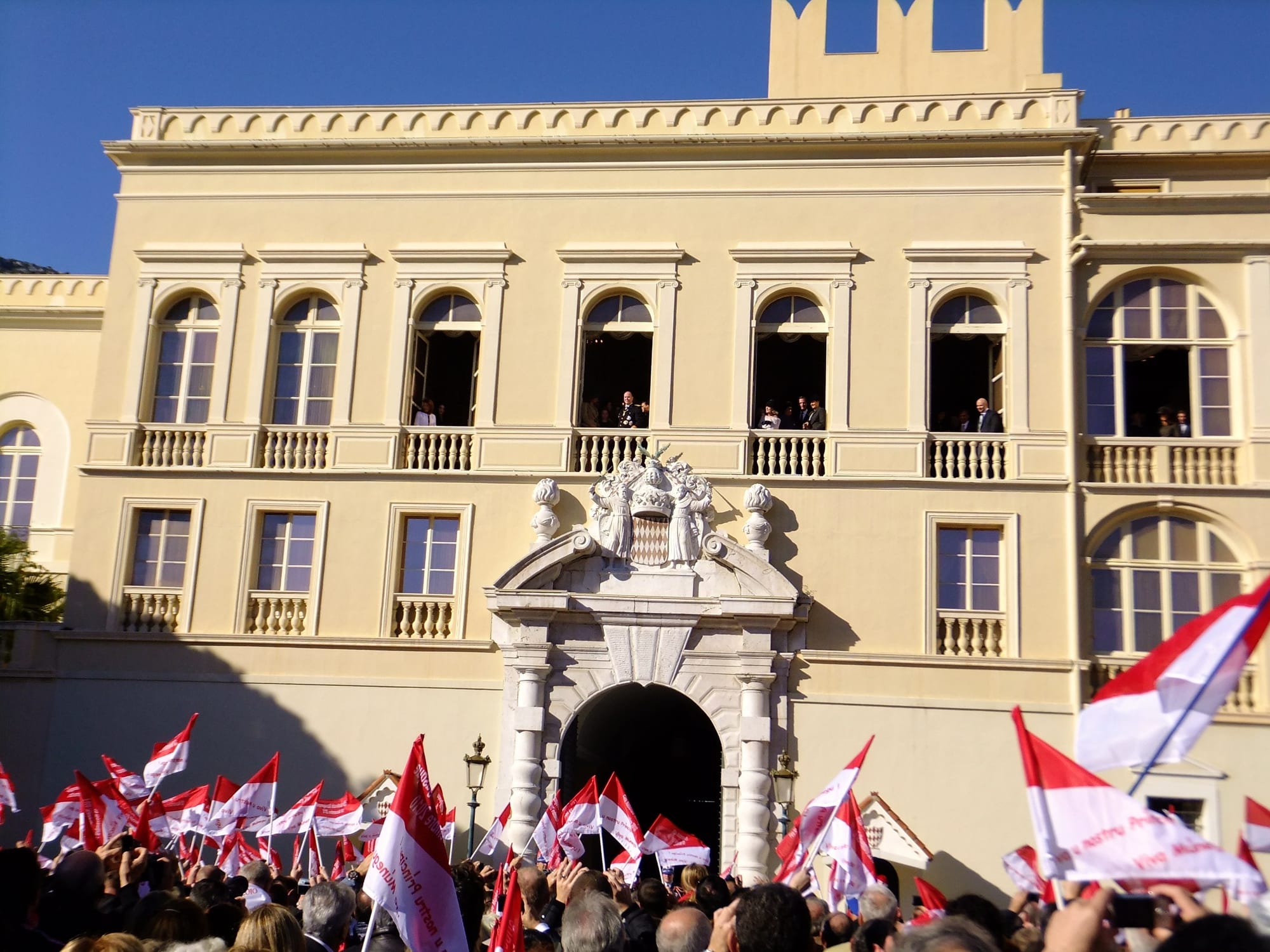
The other great date is National Day on 19 November, the Fête du Prince. Red and white flags hang from buildings across the principality, fireworks light up the harbour on the evening before, and on the day itself a mass is held in the cathedral, followed by ceremonies in the square in front of the Prince's Palace.
Smaller feasts carry the old community traditions. On St John's Day, 23 and 24 June, there are religious celebrations, bonfires, folk dancing and singing. On Saint Nicolas' Day, 6 December, children parade in traditional costume through the narrow streets of the old town. In early July, U Sciaratu, a carnival tradition that has been revived in recent years, is marked with a grand ball.
Christmas has its own Monégasque ritual, the Pan de Natale. This round loaf is decorated with walnuts laid out in the shape of a cross, and an olive branch is placed at the centre of the table as a sign of peace. On Christmas Eve, the oldest member of the family, helped by the youngest, dips the olive branch in wine and blesses the bread with a phrase in Monégasque asking that evil be banished and good welcomed. At midnight mass in the cathedral, the archbishop blesses a loaf on behalf of all the families' tables. The National Committee for Monegasque Traditions keeps the custom going, and bakers make the loaves in the days before Christmas, offering them in exchange for donations to local charities.
Weddings in Monaco begin at the town hall. Only a civil ceremony carries legal force, and it is conducted by the town hall's civil status service after the banns have been published, and there are residence and nationality conditions for the couple. Couples who want a church wedding hold it after the civil ceremony.
Arts, crafts and music
For a state of about two square kilometres, Monaco supports an unusually rich cultural life, much of it closely linked to the princely family. The Opéra de Monte-Carlo, housed in the Salle Garnier within the casino building, presents opera and concerts in a richly decorated hall known for its acoustics. The Monte-Carlo Philharmonic Orchestra traces its origins to 1856, and it has given many world premieres over its long history.
Dance holds a special place. In the early twentieth century, the impresario Serge Diaghilev made Monaco a winter home for his Ballets Russes, which rehearsed and performed there in the years before his death in 1929. Today's Les Ballets de Monte-Carlo, established in 1985, continues that heritage with a company that tours widely, alongside the Monaco Dance Forum and the Académie Princesse Grace, a dance school.
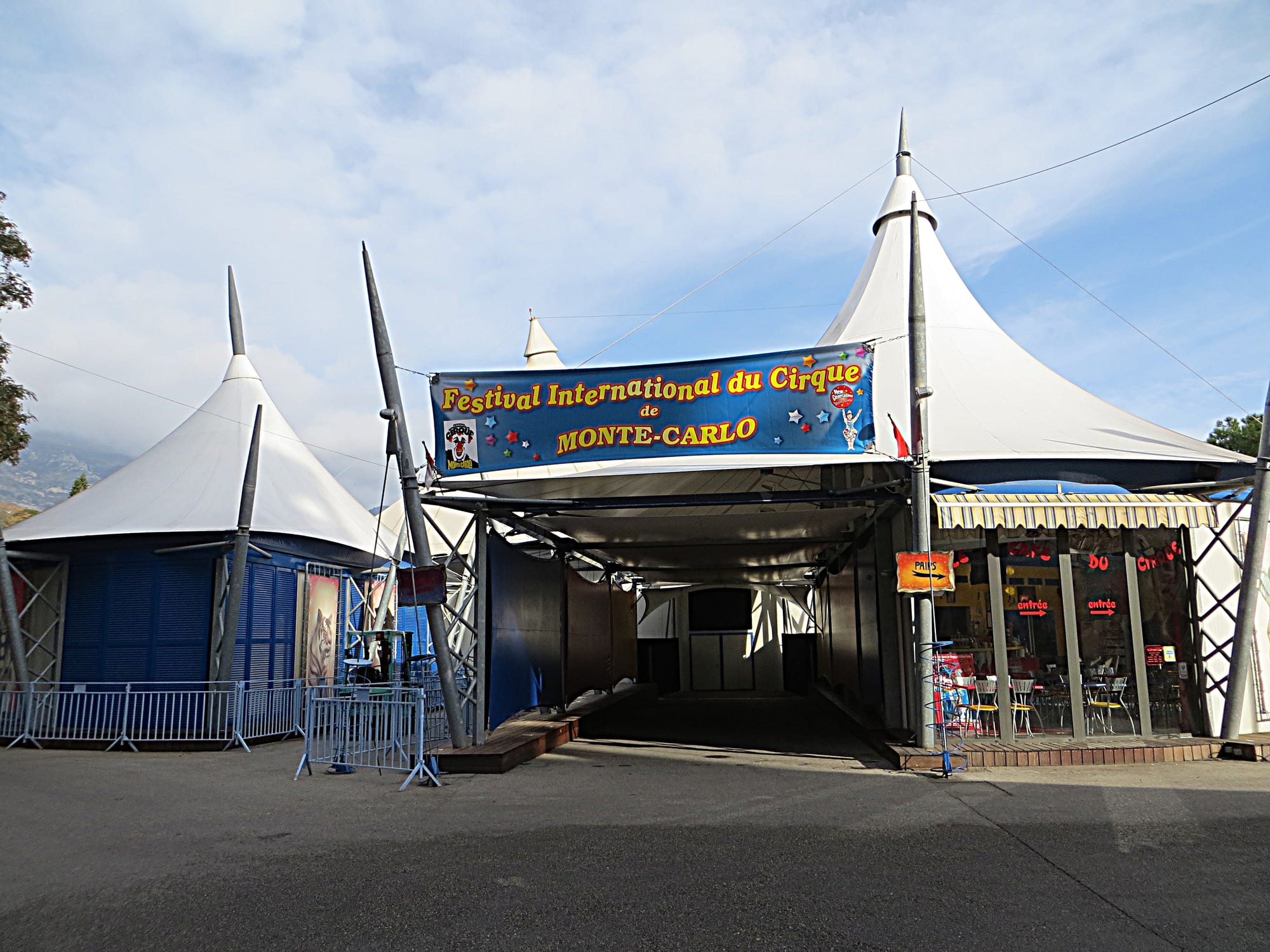
The festival calendar reflects the princely family's own interests. The Printemps des Arts, created at the wish of Princess Grace and now under the patronage of the Princess of Hanover, fills several weeks each spring with music and dance, often in unusual venues. The Monte-Carlo International Circus Festival, founded by Prince Rainier III in 1974, awards its coveted Clowns d'Or prizes to the world's leading circus performers, and the Monte-Carlo Jazz Festival adds to the calendar.
Exhibitions are held at the New National Museum of Monaco, which occupies two Belle Époque villas, while the Grimaldi Forum, opened in 2000, hosts around 120 events a year, from exhibitions to performances by the principality's resident companies. Folk traditions survive alongside all this. The Palladienne, Monaco's traditional dance, is performed in traditional dress to the sound of mandolins, a living link to the older Monégasque calendar of feasts and bonfires.
Dos and don'ts for visitors
- Do shake hands when meeting people, and use Monsieur or Madame until invited to use first names.
- Do cover shoulders and knees and remove hats when entering a church.
- Do bring original photo ID to the casino; the gaming rooms are for over-eighteens only and have a dress code.
- Do check the bill for "service compris" before tipping; an extra tip is welcome for good service but never required.
- Do arrive early for the daily changing of the guard at the Prince's Palace at 11.55, as the square fills quickly.
- Do attend the evening service before the boat burning at Sainte Dévote if hoping to see the fire up close.
- Don't wear beachwear, sportswear or flip-flops to restaurants, the casino or other smart venues.
What to take away
Behind the yachts and the casino lies a small community that still burns a boat for its saint, blesses its Christmas bread with an olive branch and gathers beneath the palace every November — and visitors who match its sense of occasion with neatness and courtesy will find it a gracious host.