Daily Life · Monaco
Monaco: A Country That Doubles Its Population by Morning
A resident population of around 38,000 that is joined each working day by more than 50,000 commuters crossing in from France and Italy, in a state stacked vertically up a cliff and stitched together by public lifts
By Worldlore Editorial · 30 September 2026
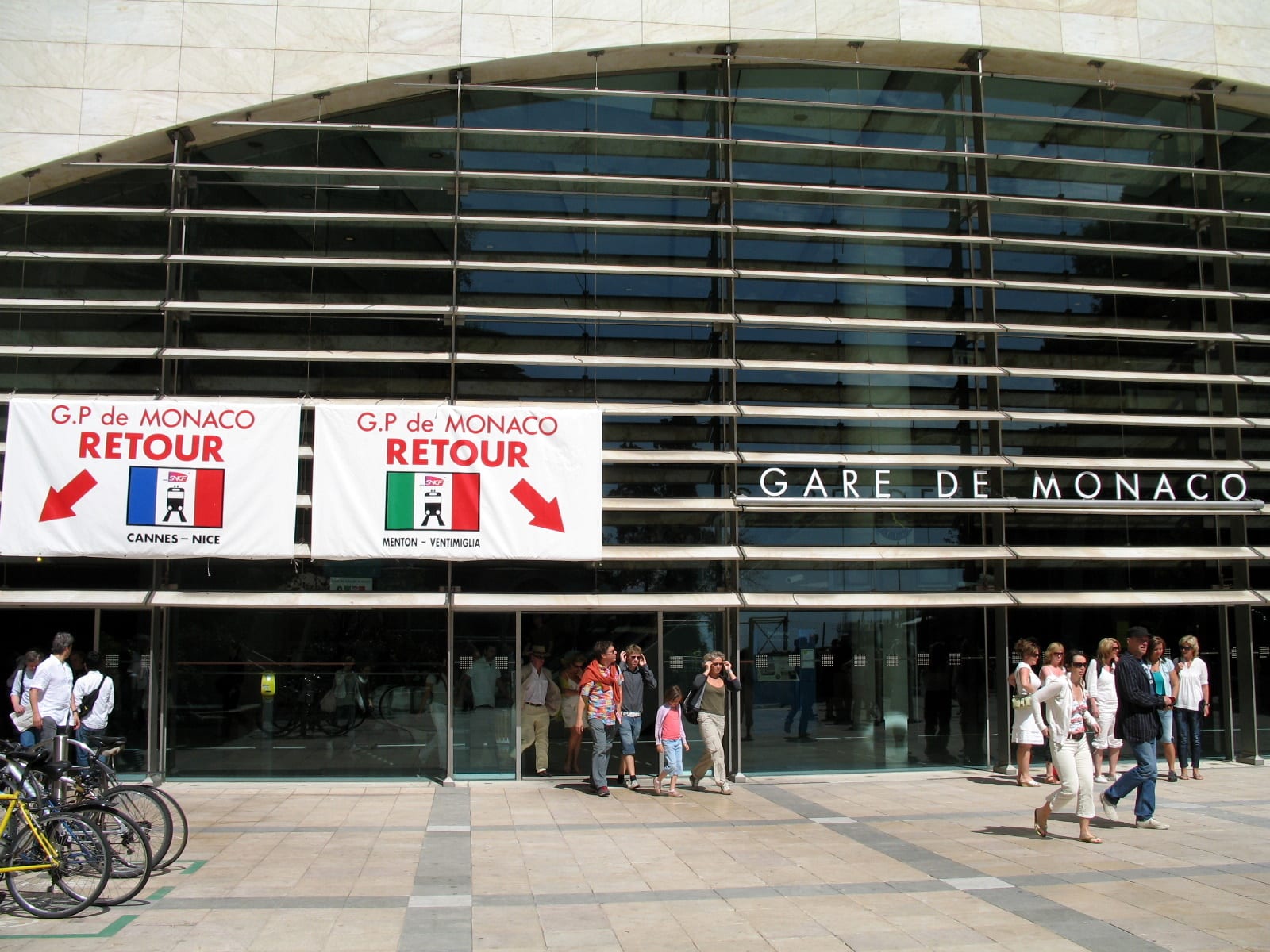
Monaco is a country you can walk across in under an hour, and for most of the day it is not really run by the people who sleep there. Around 38,000 people live in the principality, but each working morning the trains from Nice and the roads from the French and Italian borders bring in tens of thousands more, so that by mid-morning the number of people actually in Monaco working, shopping and eating lunch is well above the resident count. The whole territory is stacked up a steep hillside above the harbour, so an ordinary day here runs as much vertically, between street levels linked by public lifts, as it does across the two square kilometres of ground.
Family and home life
Only around a quarter of residents hold Monégasque citizenship; the rest are foreign nationals, many of them French or Italian, drawn by the absence of personal income tax and by Monaco's reputation for safety. Real estate is among the most expensive in the world, which keeps many households small and pushes even comfortably-off residents into compact apartments rather than houses. Citizens themselves benefit from long-standing housing protections that guarantee them access to below-market-rate homes, without which many could not afford to live in the country their family calls home. The resident population as a whole skews older and wealthier than the workforce that serves it.
Work, school and the rhythm of the day
Monaco's private sector employs around 60,000 people, and according to IMSEE, the state's own statistics institute, only about one in ten of them actually lives in the principality. More than 50,000 commute in daily, the great majority from the neighbouring French department of Alpes-Maritimes, with a further share crossing from Italy. Frequent regional trains between Nice and Monaco carry much of that traffic, and the morning and early-evening rush on the coastal road and railway is, in effect, Monaco's version of a national commute, except that it runs across a border: into the country rather than within it. Schools largely follow the French curriculum, though the Monégasque language is a compulsory subject in primary and secondary school. Monaco levies no personal income tax (French citizens excepted), relying instead on VAT, income from the state-linked Société des Bains de Mer casino group, and a tax on the profits of companies that earn more than a quarter of their turnover outside Monaco.
Community life and public spaces
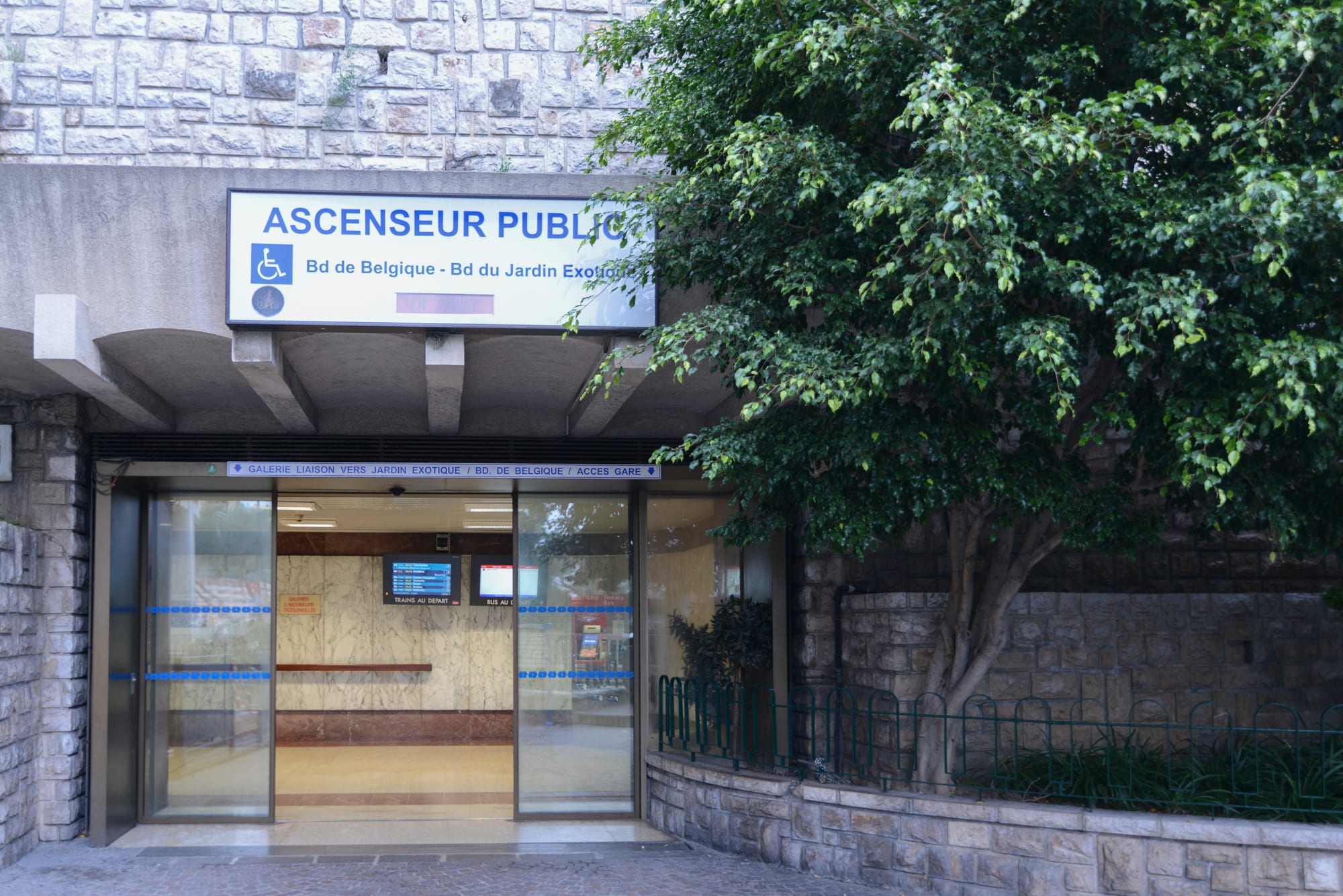
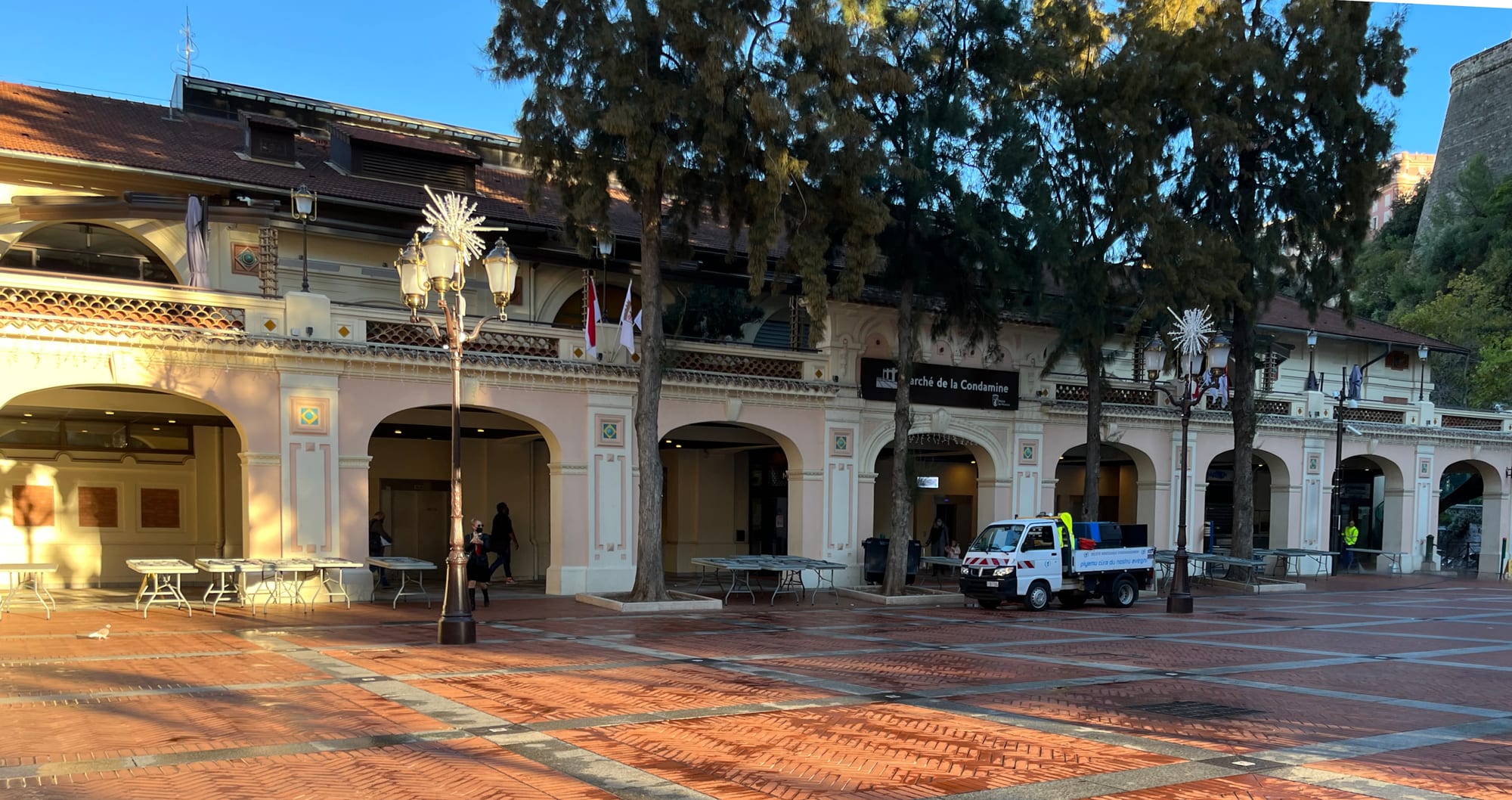
Because so much of the principality is built on a slope, roughly 160 metres of height difference between the harbour and the upper streets, Monaco has built a dense network of free public lifts, escalators and travelators to move people between levels; getting from a train platform to a street-level square, or from a harbourside road up to an apartment block, is often a matter of taking a lift rather than climbing a hill. At ground level, the covered Marché de la Condamine near Port Hercule is one of the few genuinely everyday gathering points, a produce and food market that residents and commuting workers alike pass through on the way to somewhere else. Port Hercule itself, lined with yachts, doubles as a public promenade open to anyone on foot.
Free time and weekends
With so much of the resident population older and comfortably off, and so much of the working-age population commuting home each evening, Monaco's own weekend rhythm is quieter than its daytime bustle suggests. Residents use the harbourside promenades and the small public gardens for walking and exercise, and the Mediterranean climate keeps outdoor life going for most of the year; the Larvotto public beach is the main place to swim. Cultural life is unusually well resourced for the size of the population, with a resident opera, ballet and philharmonic orchestra, and the calendar turns on set fixtures such as the Formula One Grand Prix, held since 2026 on the first weekend of June, which briefly floods the whole country with visitors and closes ordinary streets to traffic for race preparation.
A visitor's ordinary day
Monaco has no airport of its own; almost everyone arrives via Nice's airport, about 20 kilometres along the coast, then continues by train, bus, taxi or helicopter shuttle. Cards and contactless payment are accepted everywhere, so carrying cash is rarely necessary. Once inside the principality, walking is the default way to get around, helped by the lift and escalator network, though the terrain is steep enough that visitors unfamiliar with the city's layout often underestimate how much of a short walk is actually uphill. Traffic and parking are both difficult and expensive, so a hire car is rarely worth the trouble for a short visit. Expect the streets and cafés to feel comparatively quiet on weekend mornings and far busier on a weekday lunchtime, the opposite pattern from most cities, because so much of the daytime population goes home to France and Italy each night.
What to take away
An ordinary day in Monaco belongs less to the people who live there than to the tens of thousands who arrive each morning to make the country run, and leave again each evening the way they came.