Daily Life · Mayotte
Mayotte: A Day Rebuilt After the Storm
France's poorest and most crowded department, where Comorian and Malagasy roots run through a mosque-centred, Shimaore-speaking daily life, and where the December 2024 cyclone is still reshaping what an ordinary day actually involves
By Worldlore Editorial · 30 September 2026
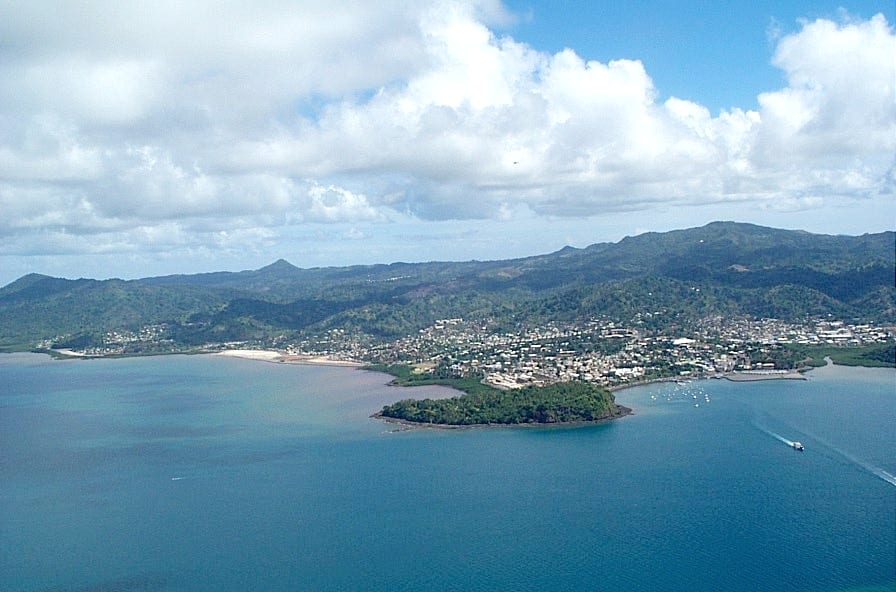
Mayotte is legally as French as Paris, part of the European Union and paid for in euros, but daily life here looks little like mainland France. Around 95 per cent of residents are Muslim, most people speak Shimaore or Kibushi at home before French, and the working day is punctuated by the call to prayer rather than a lunch bell. The island is also, still, a place putting itself back together: Cyclone Chido tore through in December 2024, the most powerful storm to hit Mayotte in decades, and its damage to housing, schools and water supply continues to shape what an ordinary day requires of people here.
Family and home life
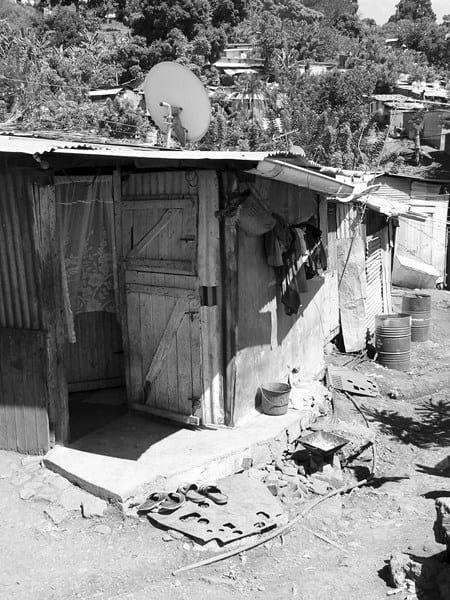
Mahorais society is matrilineal in important respects: house ownership and the right to remain in the family home often pass down through women rather than men, a pattern shared with the wider Comoros archipelago Mayotte belongs to. Households are commonly large and extended, and many families live in self-built houses that range from simple wood-and-tin structures to solid concrete homes, clustered in dense informal settlements around Mamoudzou and other towns. Large parts of this informal housing were destroyed or badly damaged by Cyclone Chido, and rebuilding remains part of daily life for many households well over a year on.
Work, school and the rhythm of the day
Official figures put Mayotte's population above 320,000, making it one of the most densely populated parts of France, though the true figure is believed to be higher because of substantial undocumented migration from the neighbouring Comoros. Roughly half of residents are foreign nationals, mostly Comorian. Formal private-sector jobs are scarce and unemployment is very high, so much of the economy runs on public-sector employment and transfers from the French state and the EU, alongside a large informal sector. Schools are so overcrowded that many run in shifts, morning and afternoon groups sharing the same classrooms, and the island's single hospital serves a population far larger than it was built for, pressures that the 2024 cyclone made considerably worse.
Community life and public spaces
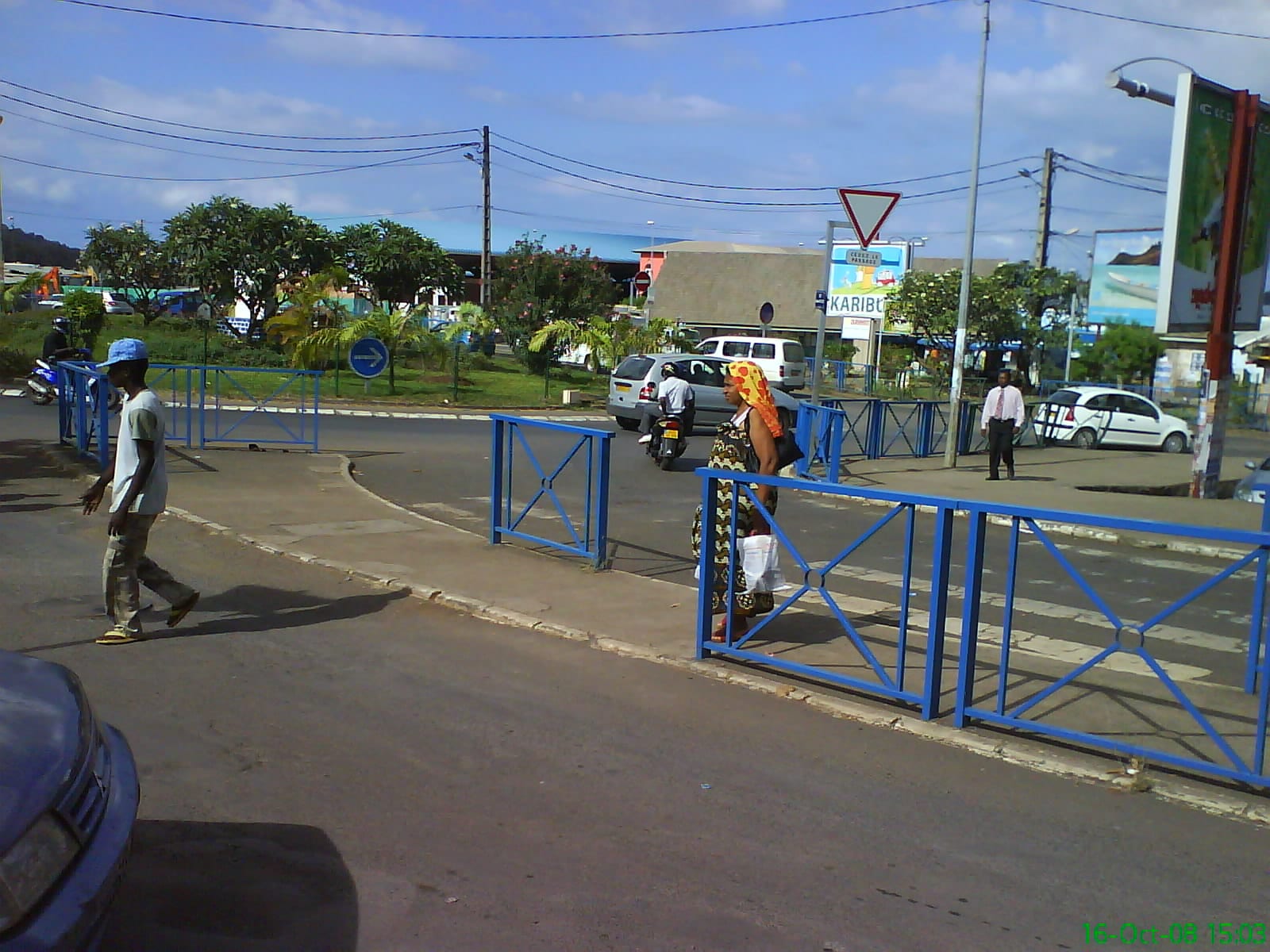
The mosque and the market anchor daily public life. Friday prayers draw large numbers in a population that is overwhelmingly Muslim, and local markets, selling rice, cassava, fish and imported goods, are where most everyday shopping and socialising happens. A frequent passenger barge crosses the channel between Petite-Terre, where the airport sits, and Mamoudzou on Grande-Terre, carrying commuters and goods and functioning as one of the island's few pieces of reliable daily infrastructure. Village identity remains strong, and getting around Grande-Terre otherwise means crowded shared taxis on roads that, since the cyclone, are in places still recovering.
Free time and weekends
Where security, transport and rebuilding allow, weekends bring family visits, time at the lagoon — one of the largest and deepest enclosed coral lagoons in the world — and music and dance traditions such as the women's deba, performed at community celebrations. The elaborate grand mariage, a prolonged and costly wedding celebration, remains a major social institution and a significant undertaking for families who host one. Football is widely followed, and going to the beach with extended family is one of the most common weekend outings on an island where nowhere is very far from the coast.
A visitor's ordinary day
Mayotte uses the euro, but card acceptance is limited outside Mamoudzou and the main hotels, so carrying cash is practical. Flights arrive at Dzaoudzi–Pamandzi Airport on Petite-Terre, and the barge to Mamoudzou runs frequently and cheaply. Given the current security situation and the continuing recovery from Cyclone Chido, travel advice should be checked close to any visit, and a hire car is generally the most practical way to get around Grande-Terre, allowing for heavy traffic near Mamoudzou and roads that vary considerably in condition.
What to take away
An ordinary day in Mayotte runs through the mosque, the market and the extended family much as it does elsewhere in the Comoros, inside a département that remains, for now, defined as much by what it is rebuilding as by what it already has.